
Clean air can be measured, not guessed. Fine particles called PM2.5 are tracked by national networks and global platforms, allowing travelers to compare places on the same yardstick. The World Health Organization set an annual guideline of 5 µg/m³ for 2021.
Each pick below is a visitable place with public readings that often sit at or under that mark. Remote coasts and high latitudes help because steady winds limit buildup, and light traffic keeps combustion sources low.
Sources include WHO guidance, IQAir location pages, and, for Cape Grim, CSIRO notes describing true background air. Daily values change, so the focus stays on repeated low readings and sustained monitoring.
1. Cape Grim Area, Tasmania
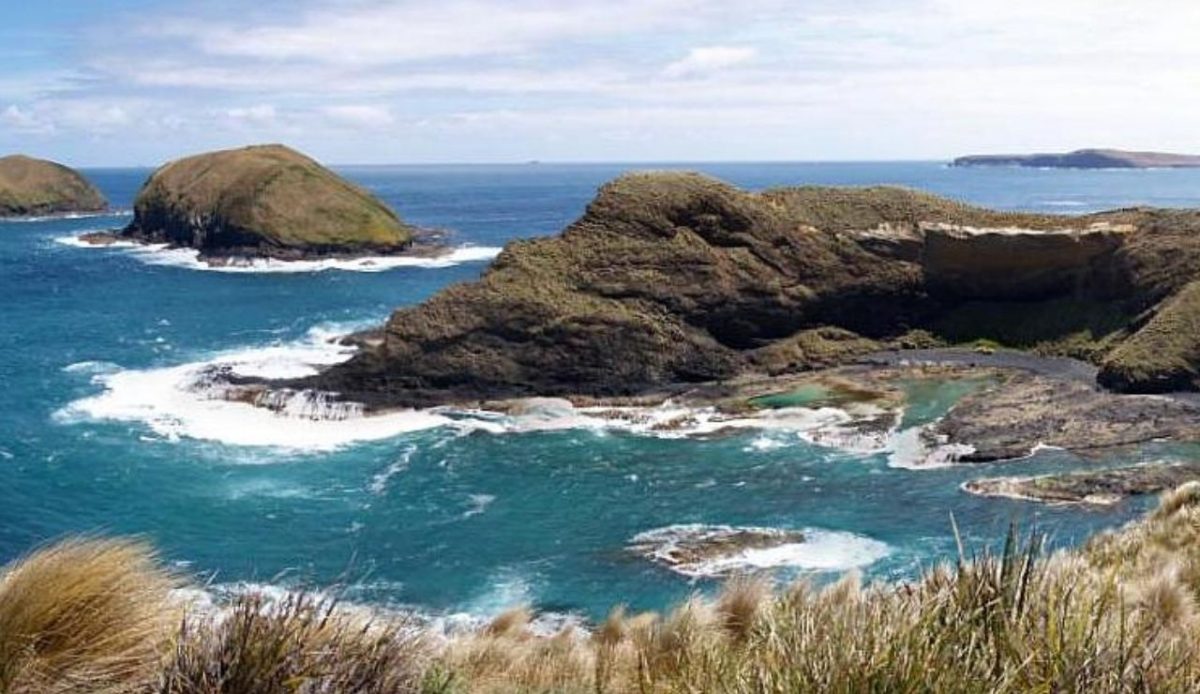
Cape Grim sits on Tasmania’s far northwest tip, facing the Southern Ocean. Air often arrives after long ocean transit with few upwind sources, which reduces human-made particle input for much of the year. Strong westerlies dominate many days.
CSIRO describes the Kennaook Cape Grim Baseline Air Pollution Station as able to sample true background air uncontaminated by point sources. The public Cape Grim greenhouse gas portal is updated monthly from this clean air source.
IQAir’s local feed often shows PM2.5 near 1 µg/m³, then flags it within the WHO’s yearly limit. For travelers, it is a reachable coastal area that is also underpinned by global datasets as well.
2. St Helens, Tasmania
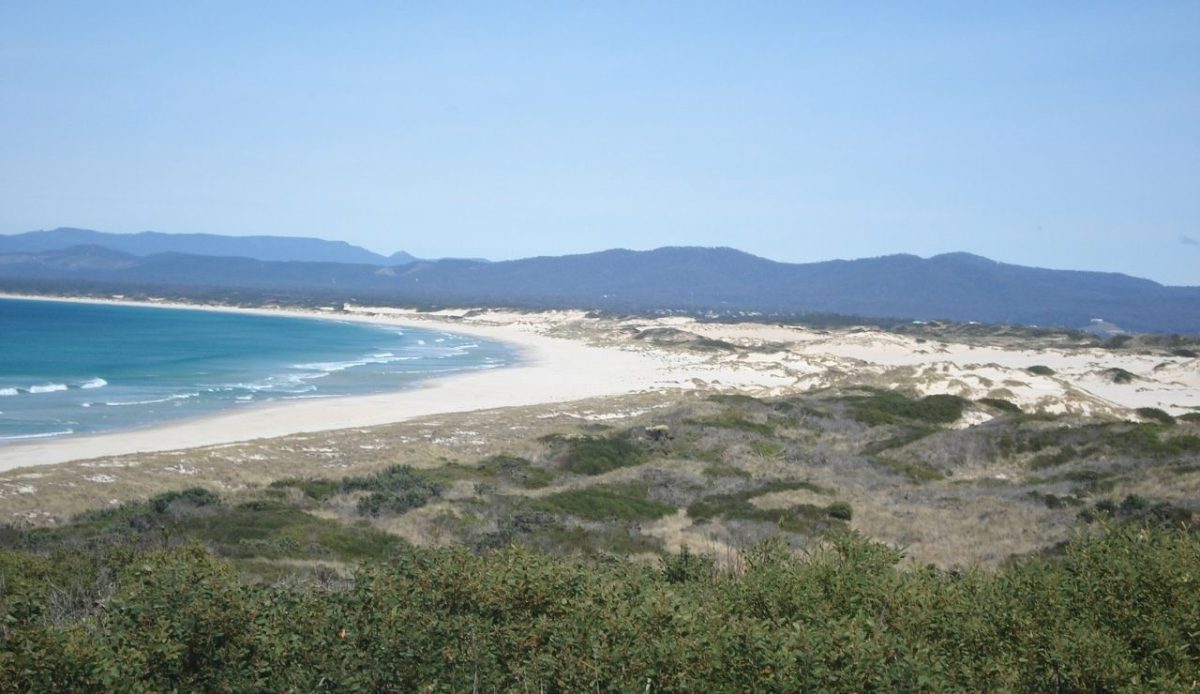
St Helens is a small town on Tasmania’s northeast coast where sea breezes dominate most days. With limited industry nearby, local emissions are mostly from routine transport and home heating.
In IQAir’s 2019 World Air Quality reporting for Australia, St Helens is cited as the cleanest location in the country, with an annual mean PM2.5 of 2.4 µg/m³. The same summary notes that nearly all of Australia’s least polluted places that year were in Tasmania.
That mean sits under WHO’s 2021 target and reflects a lived-in community with schools and shops rather than a restricted sampling site. Visitors can expect clean readings across many seasons.
3. Emu River, Tasmania
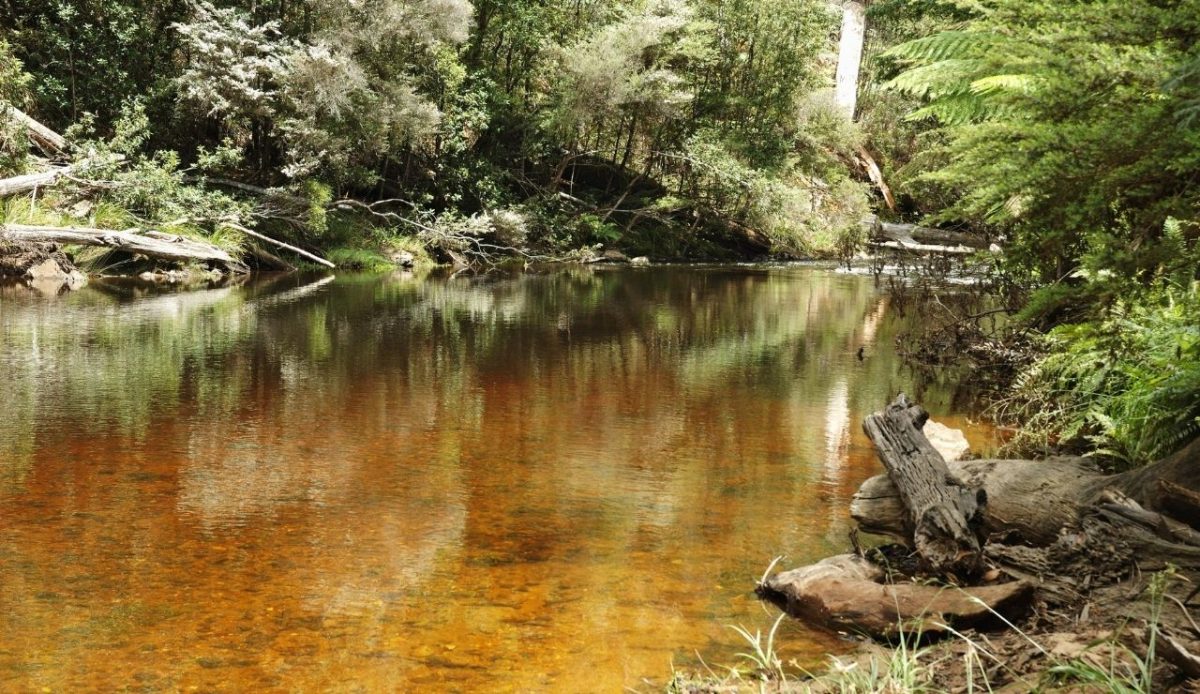
Emu River is a small Tasmanian locality with low traffic and no heavy manufacturing in the immediate area. Open terrain and coastal weather help disperse smoke and dust before they concentrate near ground level. Summer bushfire plumes are less common here than on the mainland.
IQAir’s Tasmania overview, citing 2019 results, lists Emu River among the cleanest measured spots, with a yearly mean near 2.5 µg/m³. Its location page also indicates current PM2.5 is under the WHO annual level.
Because the readings come from an inhabited area, they reflect day-to-day exposure for residents and travelers. The main risk window is short winter heating periods, yet baseline levels remain very low.
4. Eiði, Faroe Islands
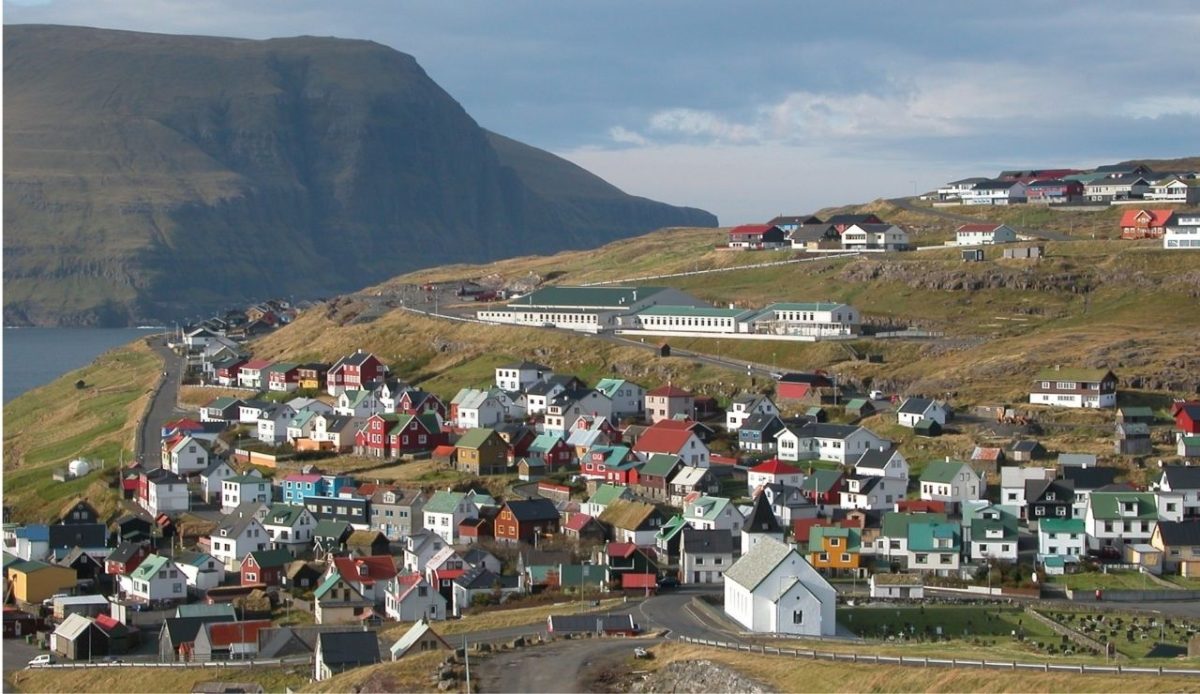
Eiði sits on Eysturoy in the Faroe Islands, a North Atlantic setting known for frequent wind and rapid weather shifts and strong maritime airflow. That constant turnover reduces the chance of stagnant air that can trap fine particles.
The IQAir page for Eiði reports PM2.5 roughly 2.1 µg/m³ and states that the concentration complies with the WHO yearly guideline, based on available station data. With few local combustion sources, spikes tend to be brief.
Eiði is a real village with roads and lodging, so the data connects to practical travel conditions. Clean air here is mainly driven by geography and low emission density rather than short-term restrictions.
5. Ísafjörður, Iceland
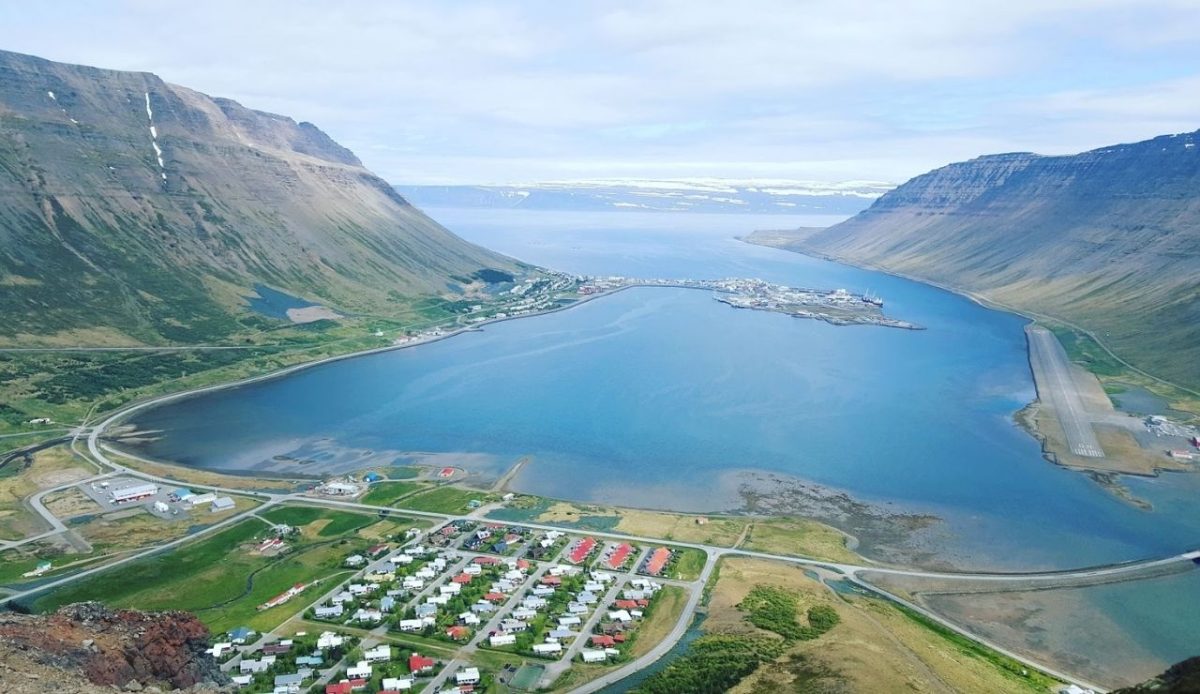
Ísafjörður lies in Iceland’s Westfjords, far from the country’s main traffic corridors and large point sources. Cool maritime air and frequent precipitation limit particle persistence in the lower atmosphere. Road dust is also limited by sparse traffic.
On IQAir, the town’s PM2.5 reading is commonly shown around 1 µg/m³, noted as within the WHO annual guidance. The same page lists very low coarse particle values, indicating little resuspended dust.
This matters because the town is inhabited year-round, so the metrics represent real exposure during ordinary routines. Short increases can occur from local heating, but the baseline remains among the lowest recorded for towns.
6. Te Anau, New Zealand
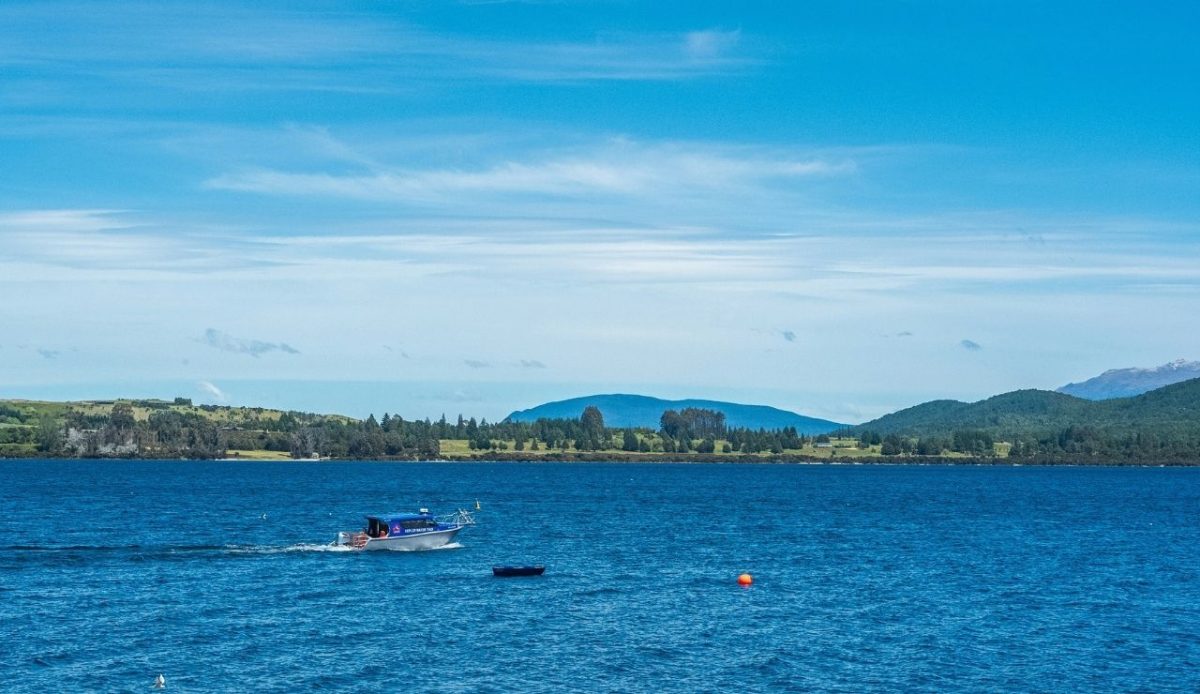
Te Anau is a Southland town that serves as a gateway to Fiordland, yet it sits far from large industrial emitters or major highways. Surrounding protected land limits development, while rain and wind help remove fine particles.
IQAir’s Te Anau page shows PM2.5 often near 1.4 µg/m³ and tags it as consistent with WHO’s annual recommendation. The reading suggests that even during visitor peaks, combustion sources stay modest.
While not obscure inside New Zealand, it can be overlooked by international travelers focused on bigger cities. For clean air, the advantage is low local emissions paired with steady atmospheric mixing. Wood smoke advisories still matter on calm winter nights.
7. Longyearbyen, Svalbard
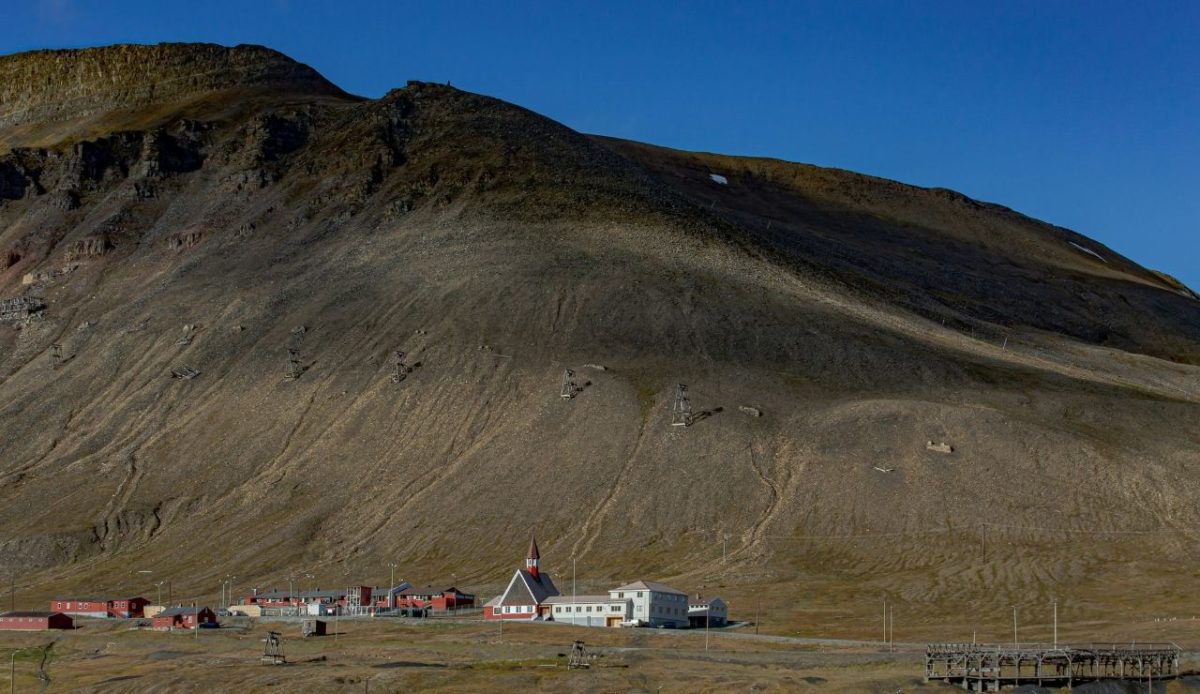
Longyearbyen, on Svalbard, is among the world’s northernmost settlements. Its small population, strict land use limits, and a compact footprint keep traffic, construction, and industrial combustion comparatively low.
IQAir lists PM2.5 roughly 1 µg/m³, which indicates alignment with the WHO annual target. Cold-season heating can raise particles for short periods, but the Arctic air mass and strong winds tend to clear them quickly.
As a destination, Longyearbyen has lodging, flights, and research activity, so the data reflects a functioning community. The clean air benefit comes from limited local sources, not just distance from other cities.
8. Nuuk, Greenland
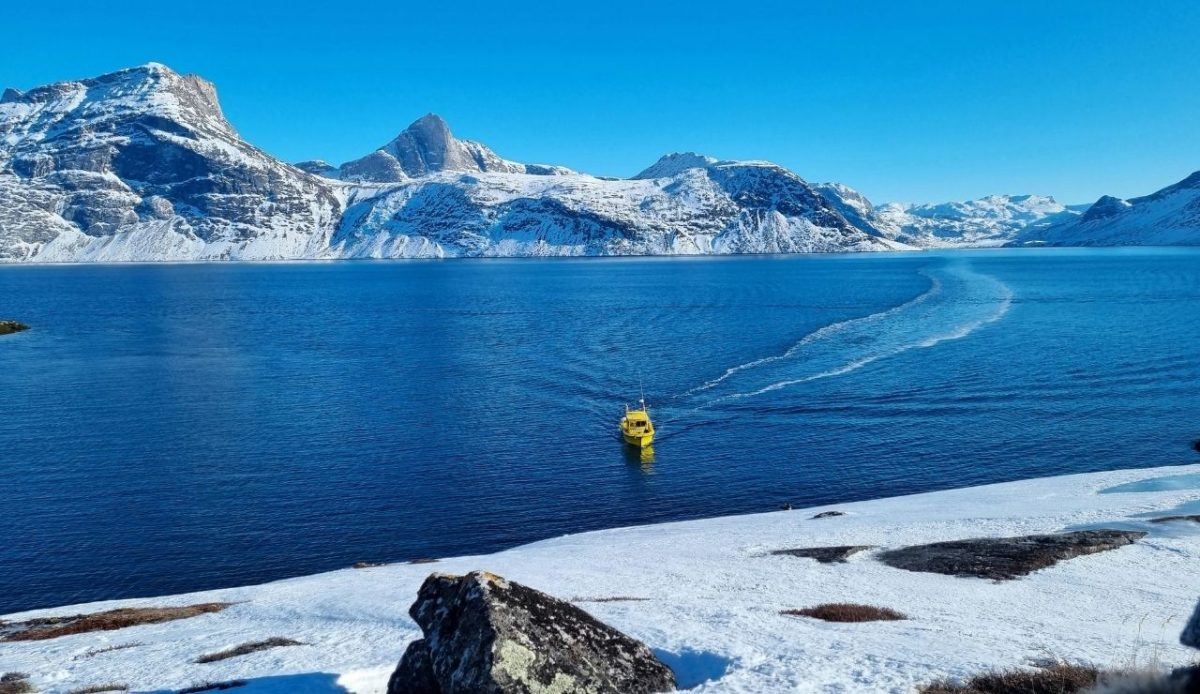
Nuuk is Greenland’s capital, yet it lacks heavy industry and has a modest road network and low vehicle volume compared with large metros. Coastal winds help prevent sustained particle buildup. The city’s scale limits commuter exhaust.
IQAir reports PM2.5 near 2 µg/m³ and marks it as within the WHO’s annual guidance. Even in colder months, readings often stay low because regional background pollution is limited. Short inversion events are uncommon in windy coastal weather.
Nuuk shows that clean air is possible in a small city when emission sources are few and ventilation is strong. Travelers should still watch for short spikes tied to local heating or nearby shipping, but averages remain favorable.
