
Lakeside towns sell an easy promise: quiet water, slow meals, and a shoreline you can actually hear. Locals in many famous spots say that promise has thinned as visitor numbers climbed, especially on weekends and holidays.
The shift is usually practical, not dramatic, more cars on narrow roads, busier marinas, louder bar streets, and day-trip surges that pack parking lots from mid-morning. Short-term rentals can also squeeze housing year-round.
This list highlights well-known lakes where residents often mention crowding and commercialization. It’s not a “don’t go” list, it’s a heads-up to plan smarter, visit off-peak, follow local rules, and tread lightly.
1. Lake Tahoe, USA
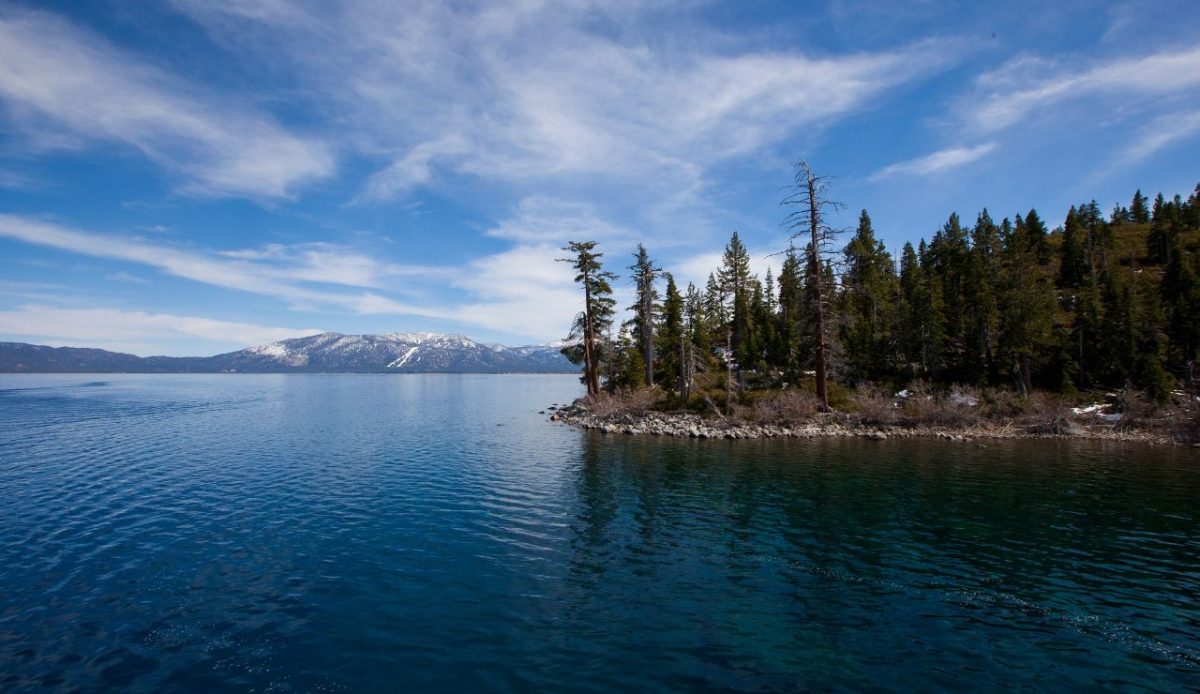
Lake Tahoe’s scenery is still unreal, but locals often point to traffic as the peace-killer. Highway backups around the shore can turn short drives into long crawls on peak days, with parking enforcement a daily reality.
Popular beaches and trailheads fill early, and noise from boats or crowded waterfront bars can carry across calm coves. High demand for vacation rentals has also changed the feel of some streets, with fewer year-round neighbors.
To find quieter moments, residents recommend shoulder season, using transit shuttles where available, and aiming for sunrise walks on less advertised shoreline access points away from the main resort clusters.
2. Lake Como, Italy
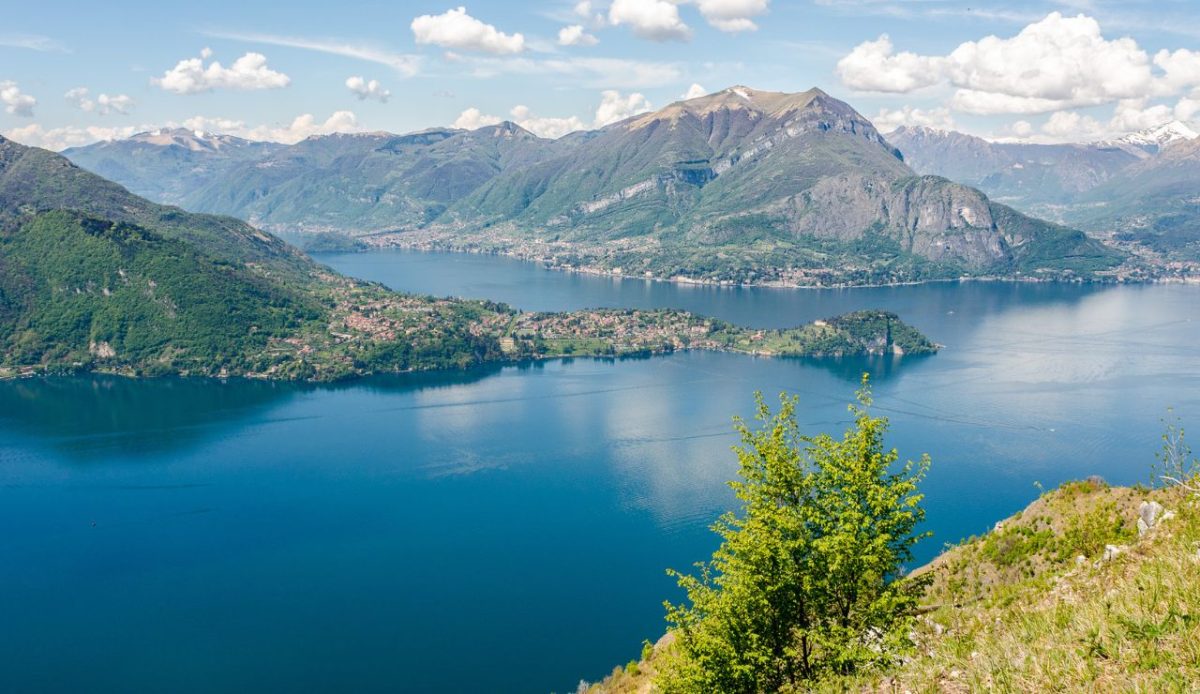
Lake Como remains elegant, yet many locals say day-tripper volume has made the lakeside towns feel rushed. Ferries and narrow roads can bottleneck, especially when tour buses stack up near popular promenades and taxi lines stretch.
Restaurant seating and viewpoints that once felt unhurried now require queues, and photo stops can crowd stairways and small plazas. Even waterfront benches may be claimed for long stretches during peak afternoons.
A calmer visit usually means basing in a quieter village, traveling early, and skipping the hottest midday circuit. Even simple choices, like walking between towns instead of hopping ferries, can restore a slower rhythm.
3. Lake Bled, Slovenia
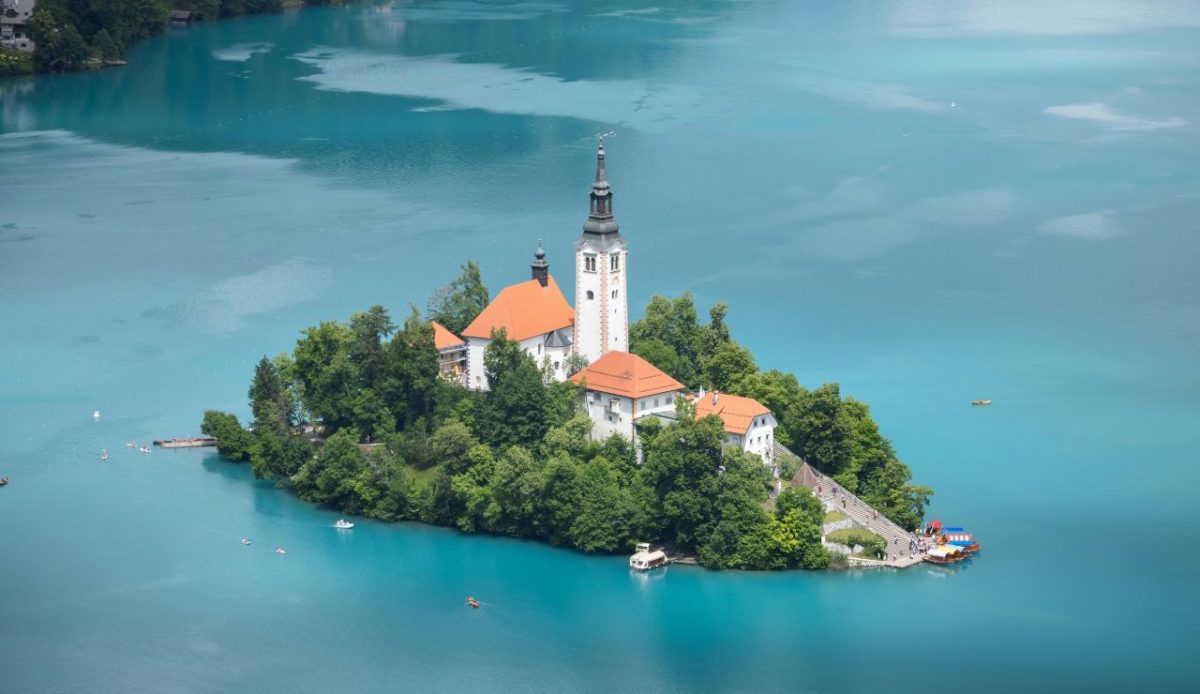
Lake Bled’s island church and castle views draw steady crowds, and locals often mention that the core loop now feels busy. In summer, the lakeside path can become a slow-moving line rather than a quiet stroll, with rental bikes weaving through.
Congested parking, tour group drop-offs, and packed dessert stops change the atmosphere, especially around the main swimming area. Traditional boat rides to the island can book out, adding more waiting and chatter along the docks.
Locals suggest visiting at dawn, choosing weekdays, or exploring nearby spots like Vintgar Gorge at off-peak times. Even a short walk to less central viewpoints can bring back the calm that made Bled famous.
4. Lake Louise, Alberta, Canada
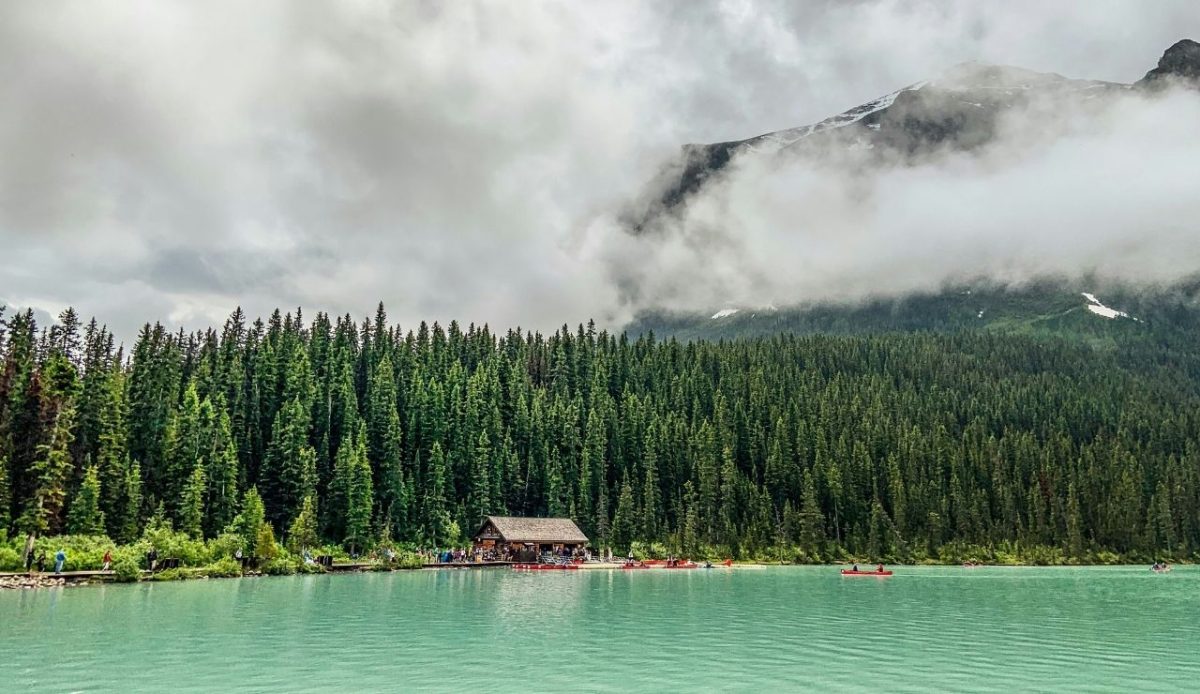
Lake Louise is stunning, but locals and staff often warn that its popularity reshaped the experience. Peak-season mornings can start with full parking lots, timed access rules, and long lines for shuttles into the area.
The shoreline trail and iconic photo spots bunch up fast, and the constant camera traffic can make the lakefront feel like a set. Canoe rentals, hotel drop-offs, and tour schedules keep the shoreline active for most of the day.
A quieter approach is to go very early or late, visit in spring or autumn, and pick less promoted walks in the Bow Valley. Respect closures and wildlife buffers, those rules exist to protect the place, not slow you down.
5. Lake Windermere, England
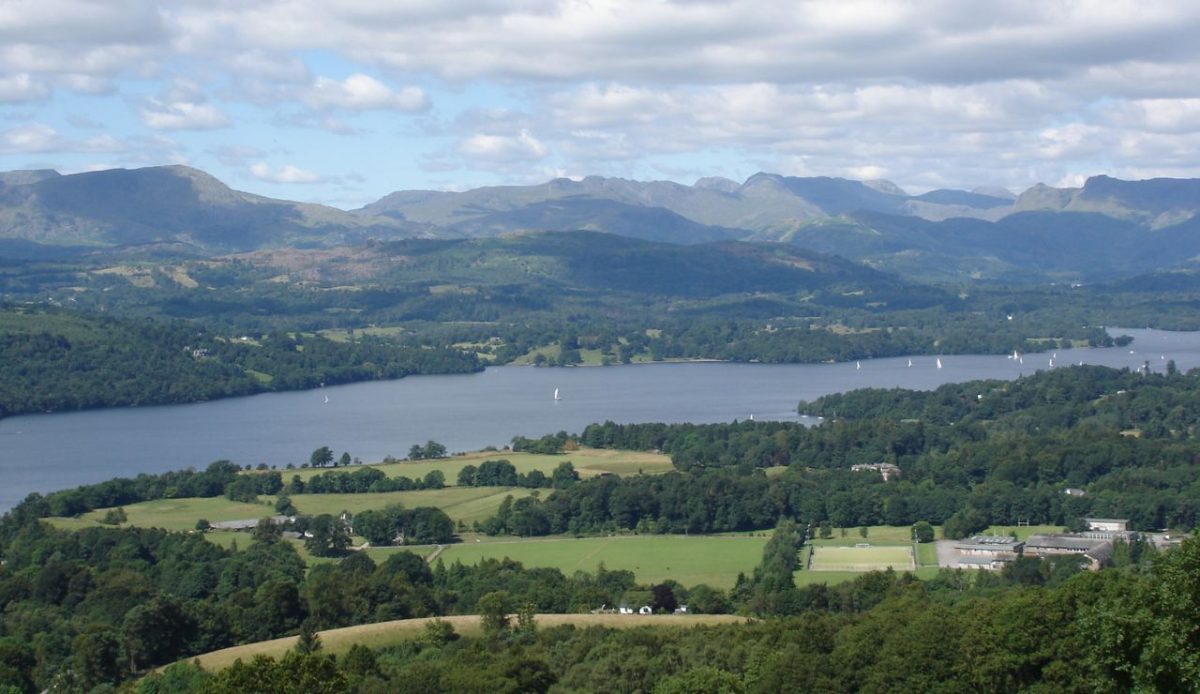
Windermere is the Lake District’s headline, and locals often say the fame brings a constant hum. On warm weekends, the main roads into Bowness and Ambleside clog early, and finding parking can take longer than the drive.
The lake itself can feel busy with rental boats, sightseeing cruises, and shoreline cafés packed shoulder to shoulder. Noise from engines and waterfront nightlife carries across the water on calm evenings.
For a gentler visit, residents point travelers toward quieter piers, early-morning walks, and nearby lakes like Rydal Water or Grasmere. Using buses or arriving by train can also reduce the stress that comes with peak traffic.
6. Lake Atitlán, Guatemala
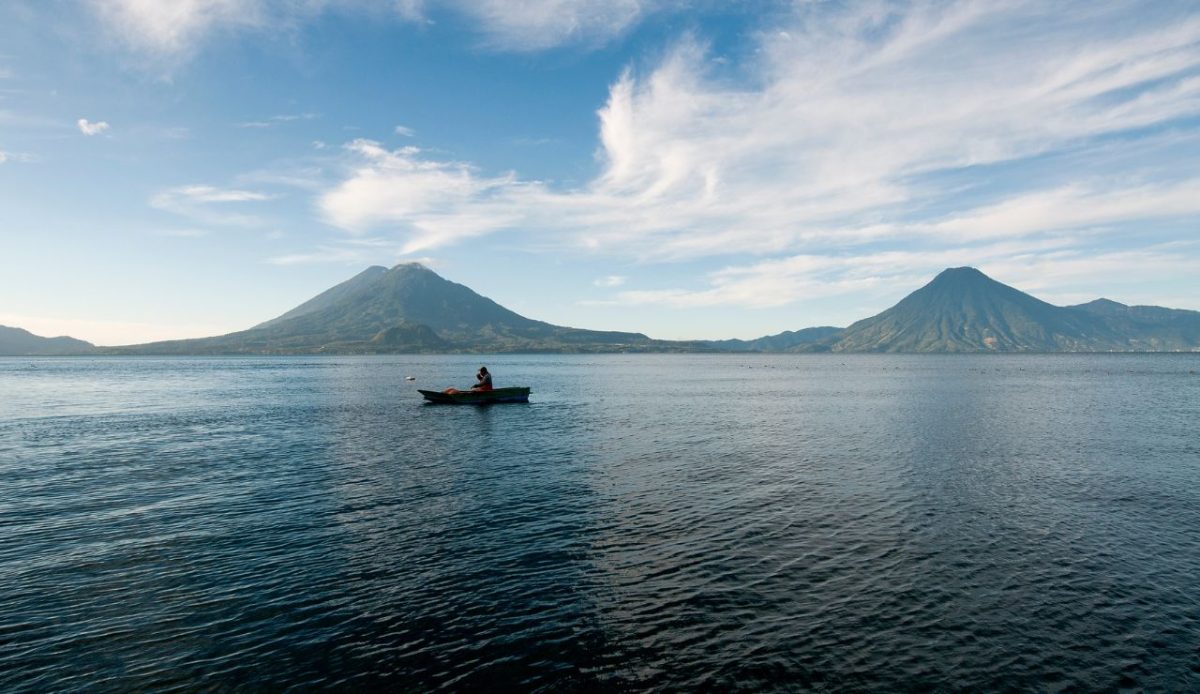
Lake Atitlán’s volcano backdrop still feels dramatic, but locals often mention that growth around key towns has dulled the quiet. More guesthouses and nightlife mean busier streets, especially in places known for cafés and markets.
Boat traffic between villages can be constant on peak days, and noise from late venues sometimes carries across the water. Some residents also raise concerns about water quality management during high visitor periods.
A calmer stay usually means choosing a smaller village, limiting day-trip hopping, and traveling midweek. Supporting local guides and businesses while following waste and shoreline rules helps reduce pressure on a fragile lake system.
7. Lake Pichola, India
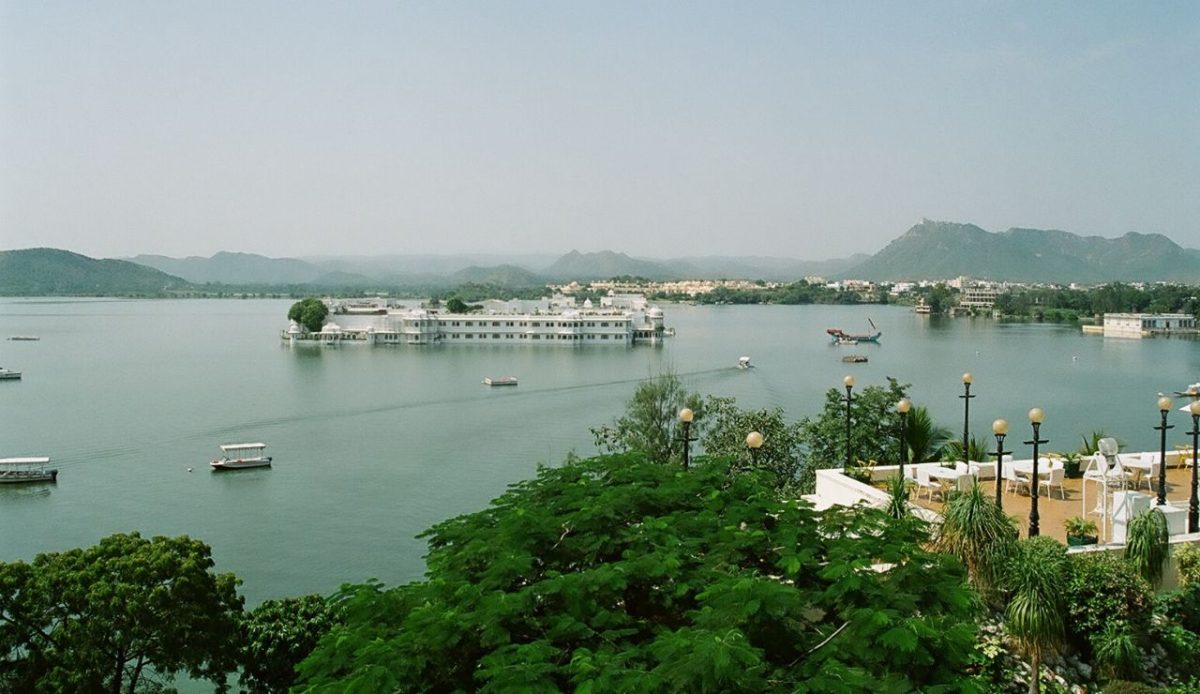
Udaipur’s Lake Pichola is famous for palace views and evening boat rides, and locals often say the waterfront now feels busier than serene. Popular ghats and heritage lanes can be crowded from late afternoon onward, especially in peak season.
Restaurants with lake terraces compete for the best sightlines, and the constant flow of tours, weddings, and photo sessions can make quiet moments harder to find near the main hotels.
For a softer experience, residents suggest early-morning walks, visiting smaller lakes nearby like Fateh Sagar at off-peak times, and choosing less central cafés. Keeping noise low near residential lanes goes a long way in old-city neighborhoods.
8. West Lake, Hangzhou, China
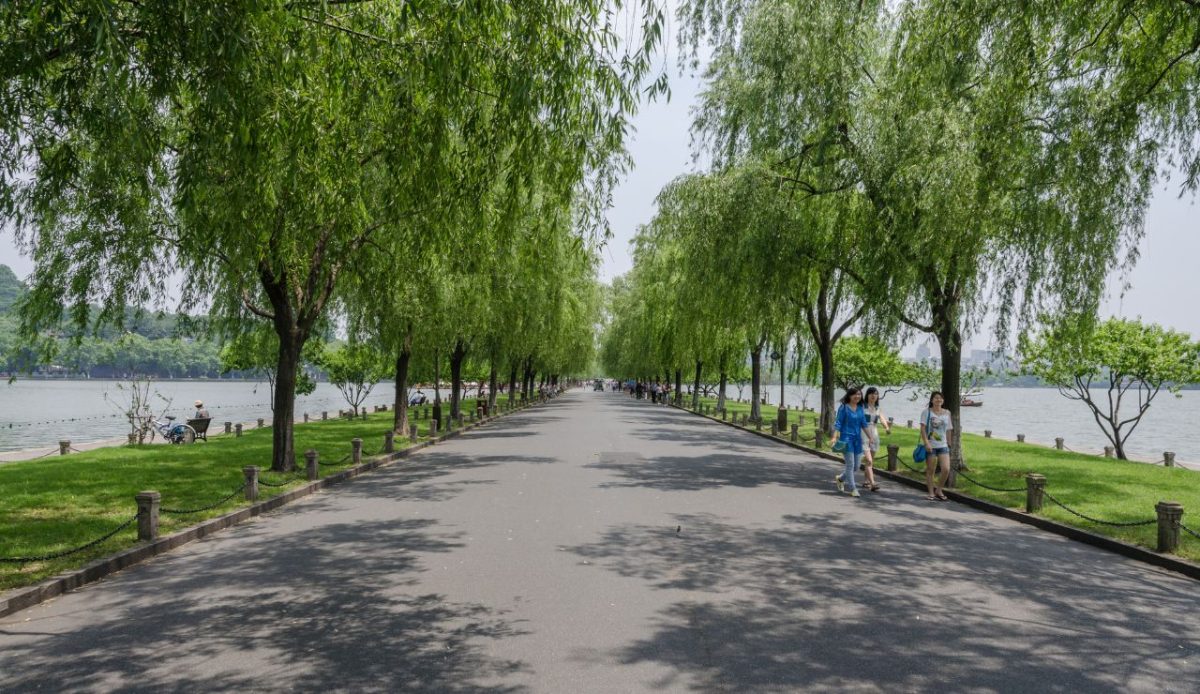
Hangzhou’s West Lake has classic causeways and gardens, but locals often note that its fame makes the core shoreline feel crowded. During holidays, walkways can become slow-moving streams of visitors from morning until night.
Boat queues, loudspeaker tours, and busy tea houses can chip away at the calm, especially near the best-known bridges and pagodas. Even cycling routes may feel congested when rental bikes stack up.
To regain a quieter mood, residents recommend weekday mornings, exploring lesser-used paths beyond the main scenic loop, and timing visits outside national holiday weeks. Simple etiquette, yielding space and keeping voices down, matters more here than people expect.
