
Island travel often feels limitless, but freshwater is not. Behind the turquoise water and sunlit resorts, many island destinations are quietly struggling to supply enough water for residents and visitors alike. Tourism brings economic lifelines, yet it also multiplies daily demand through hotels, pools, and seasonal population surges. As droughts intensify and infrastructure reaches its limits, some islands are choosing restraint over overcrowding. Visitor caps, paused developments, and strict conservation rules are becoming part of the travel experience. These destinations reveal how water scarcity is reshaping island tourism and redefining what sustainable travel truly means.
1. Santorini
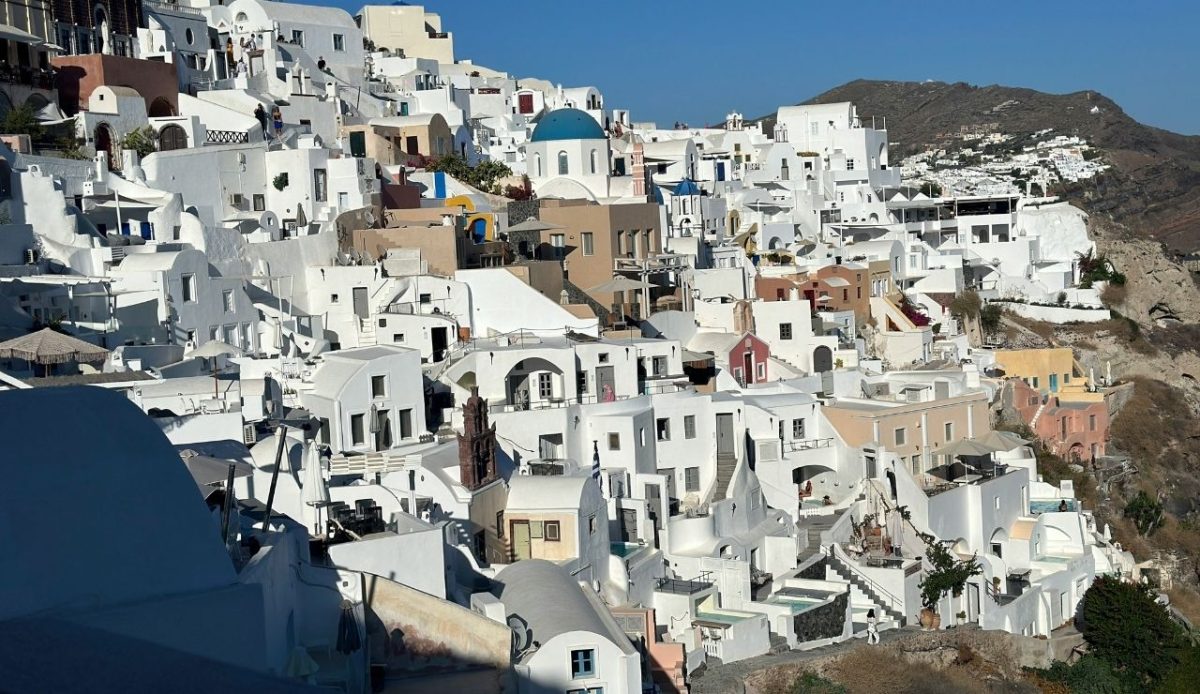
Santorini’s beauty has always come with a hidden cost, and water scarcity sits at the center of it. The island has no rivers, lakes, or meaningful groundwater reserves, making it dependent on desalination plants and imported water. During peak summer, the population can multiply several times as cruise passengers and overnight visitors arrive daily. This surge pushes water systems close to their limits. Luxury hotels, private pools, and high-end dining increase per-visitor water use beyond what residents require. Local authorities have responded by discouraging large-scale tourism projects and promoting strict conservation rules for accommodations.
2. Bali
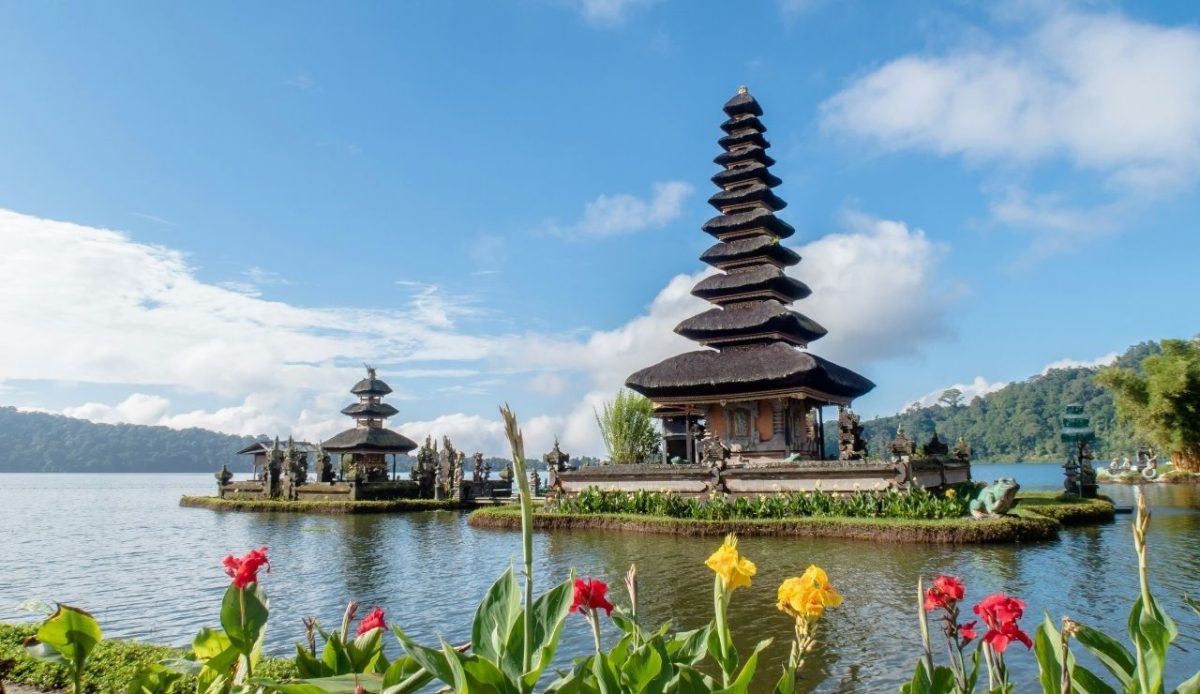
Bali’s water shortages are closely tied to how fast tourism reshaped the island. While rainfall is seasonal, unchecked resort and villa development has drained groundwater faster than it can recharge. Wells used by local communities have dried up in some regions, especially around major tourist hubs. Water is often diverted to hotels, pools, and landscaped grounds, leaving agriculture and households under strain. Traditional irrigation systems that once distributed water evenly are now disrupted by deep private wells. In response, authorities have paused new hotel permits in key areas and encouraged water recycling and rainwater harvesting.
3. Ibiza
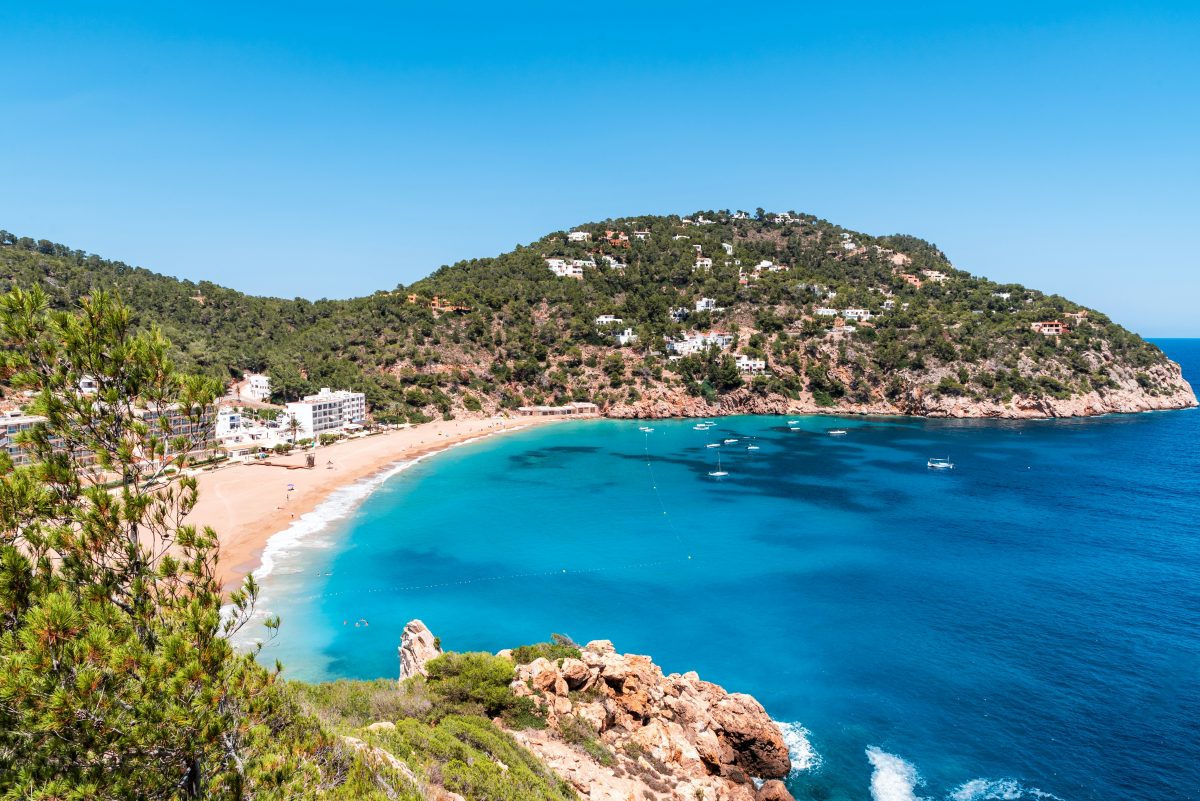
Ibiza faces a familiar island problem intensified by seasonal extremes. Rainfall is limited, aquifers recharge slowly, and tourism peaks during the hottest, driest months. The island’s population can double in summer, sharply increasing daily water demand. In severe droughts, water has even been shipped in by tanker, a costly and temporary solution. Hotels, clubs, and short-term rentals place heavy strain on aging infrastructure. Authorities now restrict new tourist accommodations and require efficiency upgrades in existing properties. Water meters, usage caps, and conservation campaigns have become central to tourism planning.
4. Malta
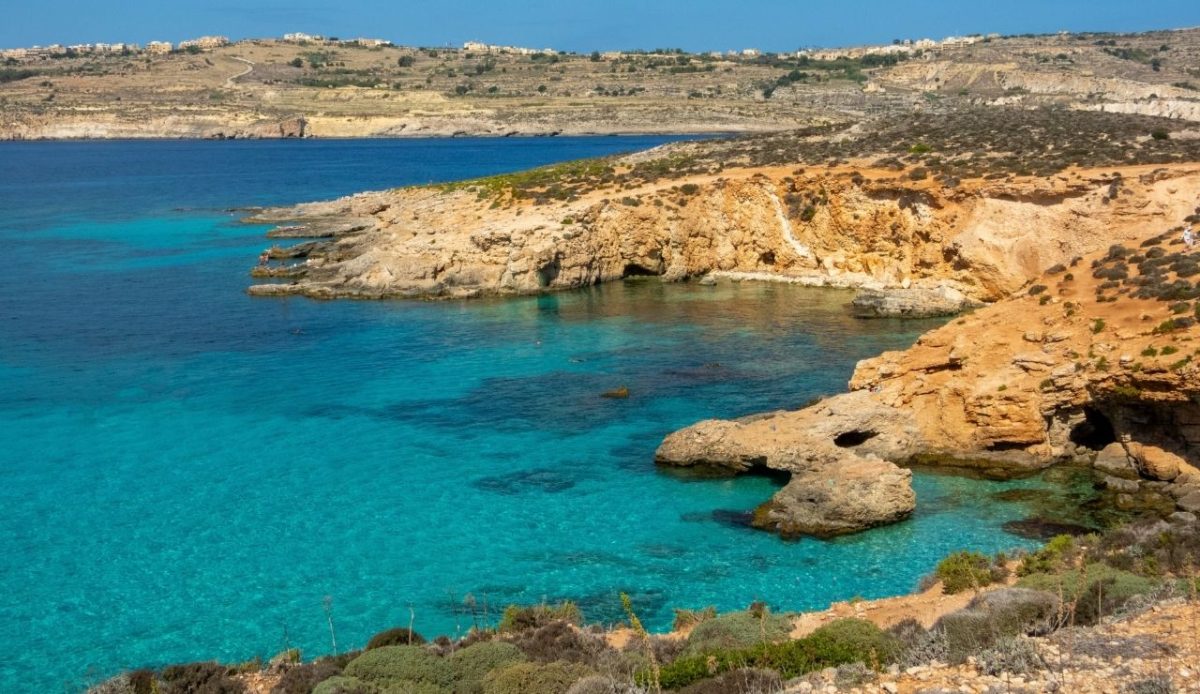
Malta is one of the most water-scarce countries in Europe, with limited rainfall and almost no natural freshwater reserves. The country relies heavily on desalination, which provides stability but comes with high energy and environmental costs. Tourism significantly raises daily water consumption, especially during summer when temperatures soar. Hotels, pools, and short-term rentals increase demand at the same time residents need more water to cope with heat. To manage this, Malta has tightened construction rules, upgraded water networks to reduce leakage, and pushed conservation requirements for tourist properties. Tourism is no longer viewed as limitless growth.
5. Capri
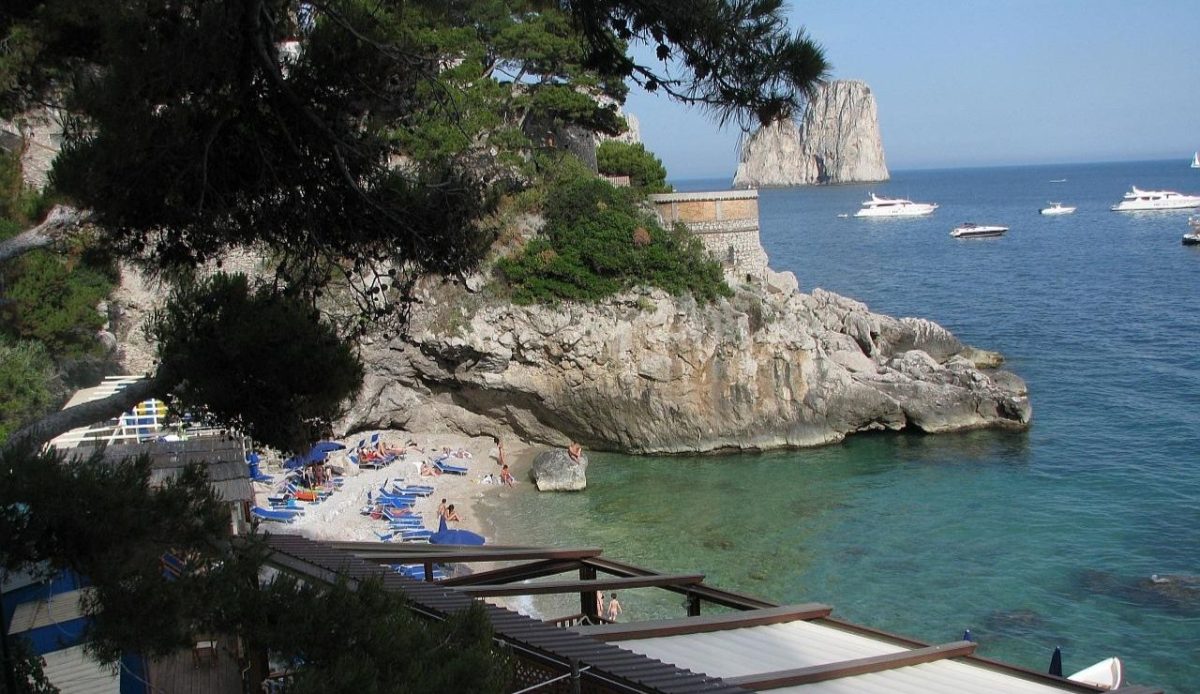
Capri’s water challenges stem from its size and isolation. The island lacks natural freshwater sources and depends on pipelines from the mainland. During busy seasons, daily visitor numbers often exceed what the system was designed to handle. Day-trippers arriving by ferry place immediate pressure on supply, even if they do not stay overnight. Hotels and restaurants must carefully manage usage to avoid shortages. Local officials have introduced visitor controls during peak periods and encouraged strict water-saving practices across the tourism sector. Capri’s experience highlights how even short visits can strain limited resources when tourism intensity outpaces infrastructure capacity.
6. Mykonos
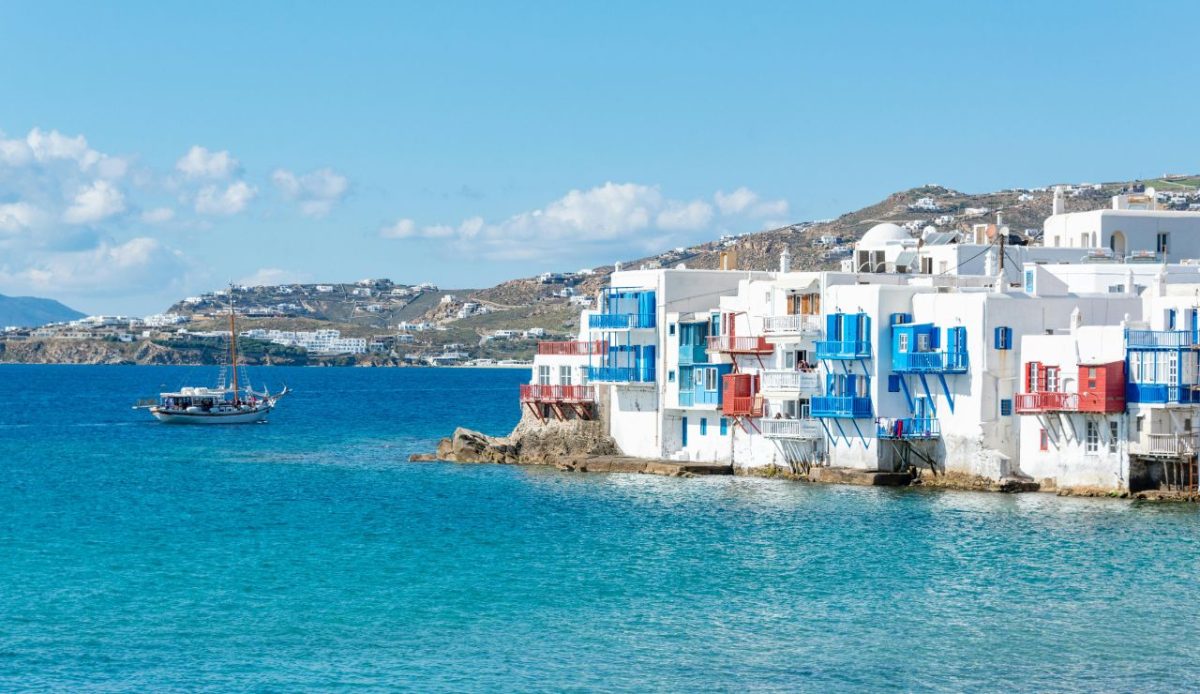
Mykonos blends luxury tourism with fragile resources, creating one of the highest per-visitor water footprints in the region. Like many Greek islands, it relies on desalination and transported water. High-end villas, private pools, and landscaped resorts dramatically raise consumption during summer. Drought conditions worsen the imbalance, forcing authorities to restrict non-essential water use. Permits for new developments are increasingly scrutinized, with water availability now a key factor in approvals. Mykonos remains economically dependent on tourism, but its long-term viability depends on curbing excess water use and slowing unchecked expansion.
7. Barbados
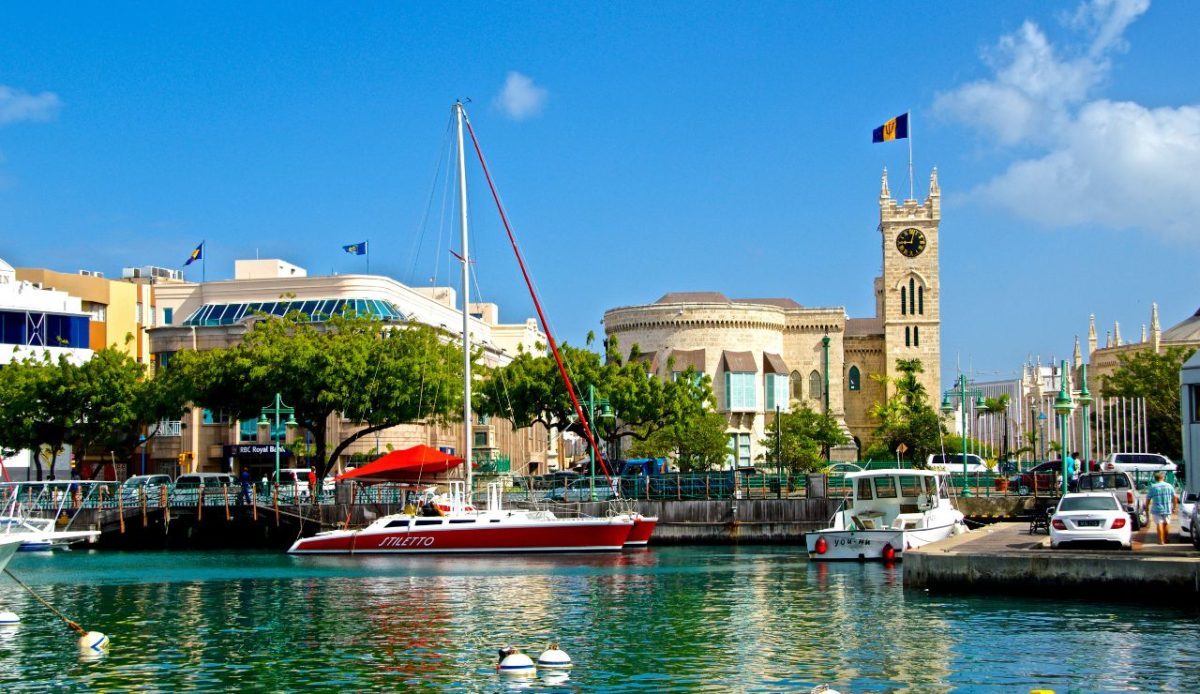
Barbados has experienced recurring droughts that exposed weaknesses in its freshwater supply. Tourism intensifies demand through hotels, cruise arrivals, and water-intensive amenities like golf courses. During dry periods, residents and visitors alike face restrictions. The government has responded by promoting rainwater harvesting, upgrading aging infrastructure, and urging conservation across the hospitality industry. Some tourism operators now invest in on-site storage and reuse systems to reduce pressure on public supply. Barbados is actively working to protect water access for residents while maintaining a tourism economy that depends on careful resource management.
8. Canary Islands
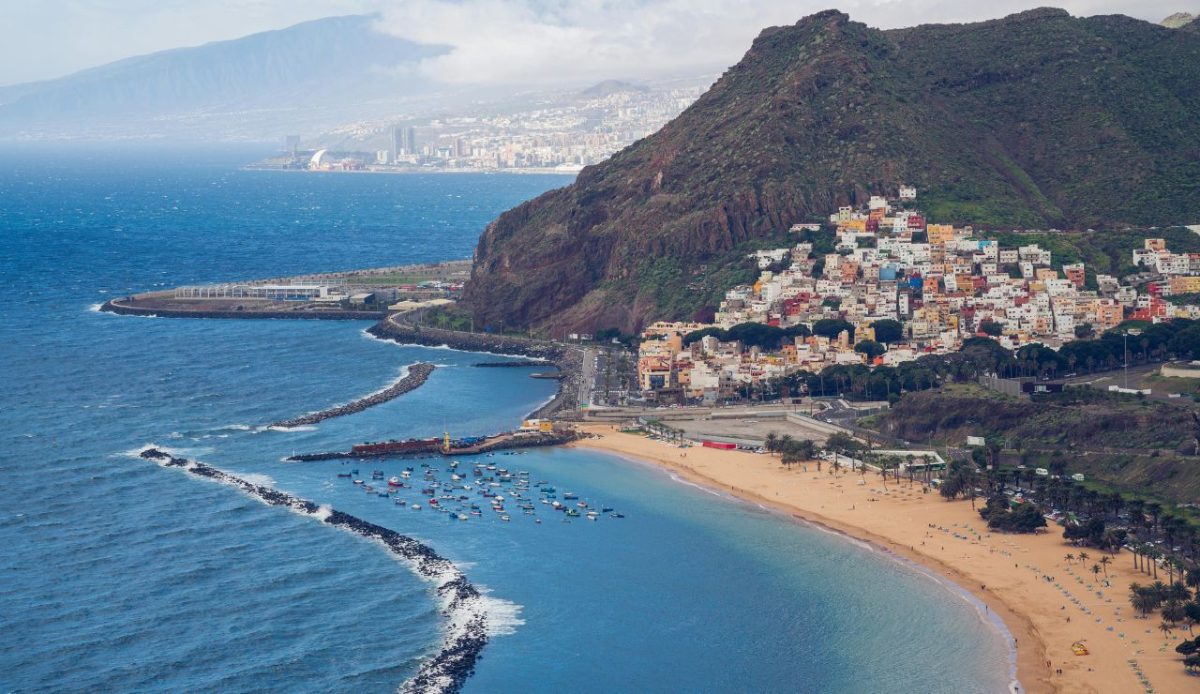
The Canary Islands rely heavily on desalination, especially during prolonged dry spells. Tourism accounts for a large share of water use, particularly on resort-heavy islands such as Tenerife and Lanzarote. Climate change has made rainfall less predictable, increasing dependence on energy-intensive water production. Authorities have raised concerns about whether infrastructure can keep pace with visitor growth. Proposals to cap tourist numbers and limit new hotel construction are increasingly tied to water availability rather than crowd control alone. In the Canary Islands, water scarcity is no longer a background issue. It is now a defining factor in how tourism is planned and controlled.
