
Travel becomes far more enjoyable when a destination is designed with visitors in mind. In some countries, airports flow smoothly, transportation feels intuitive, and services are built to guide rather than confuse. Across the Islamic world, several nations have invested heavily in infrastructure that makes travel safer, clearer, and more comfortable for international guests. These places understand that good hospitality is not just about warmth, but about systems that work quietly in the background. From digital services to transport networks, these countries show how thoughtful planning can turn complex travel into a confident, stress-free experience.
1. United Arab Emirates
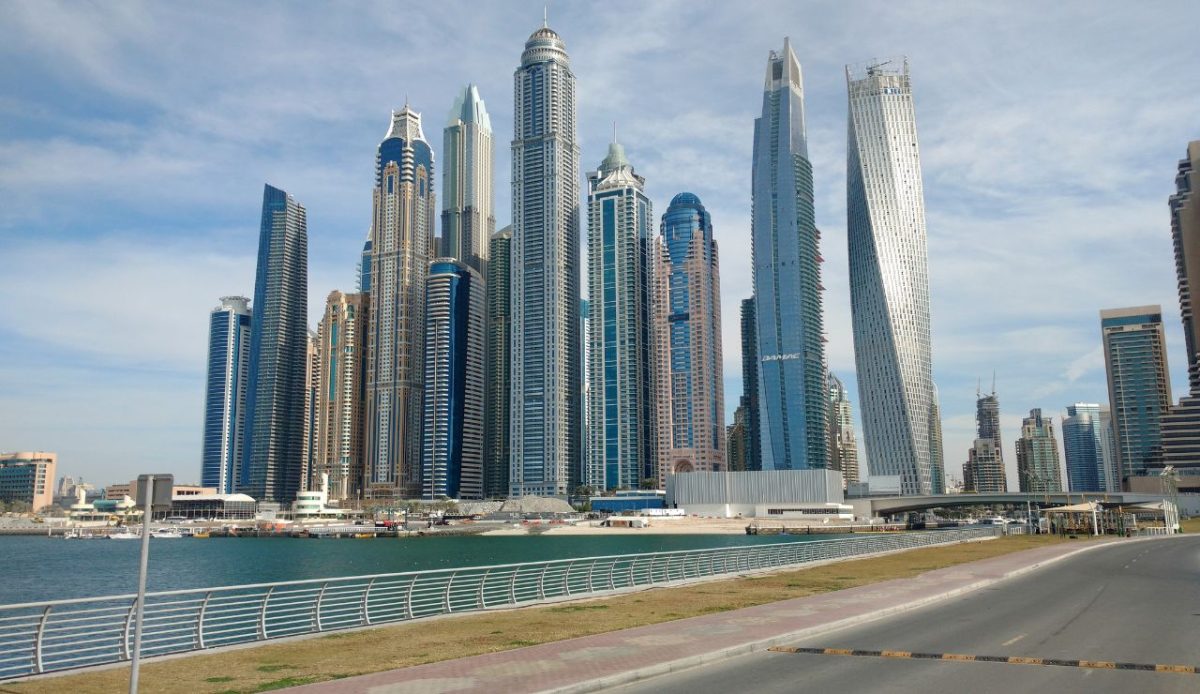
The United Arab Emirates stands out because its tourist infrastructure is designed to remove friction at every step of travel. Major airports rank among the most efficient globally, with clear signage, fast immigration systems, and multilingual staff. Urban transport networks, especially in Dubai and Abu Dhabi, are modern, reliable, and easy to understand even for first-time visitors. Hotels span every category, from budget to ultra-luxury, with consistent service standards. Digital systems play a major role. Ticketing, navigation, payments, and reservations are streamlined through apps and centralized platforms. Public spaces are clean, well-lit, and carefully managed.
2. Turkey

Turkey’s strength lies in how well it supports travel across vastly different regions. International airports connect seamlessly to domestic flights, high-speed trains, buses, and highways. Visitors can move easily between major cities, coastal resorts, and historical sites without complex planning. Tourist infrastructure is deeply experienced, shaped by decades of high visitor numbers. Hotels, guides, and transport providers are accustomed to international travelers and operate at scale. Signage in major destinations is clear, and English support is widespread in tourism zones. Museums, archaeological sites, and cultural landmarks are organized with visitor flow in mind.
3. Malaysia
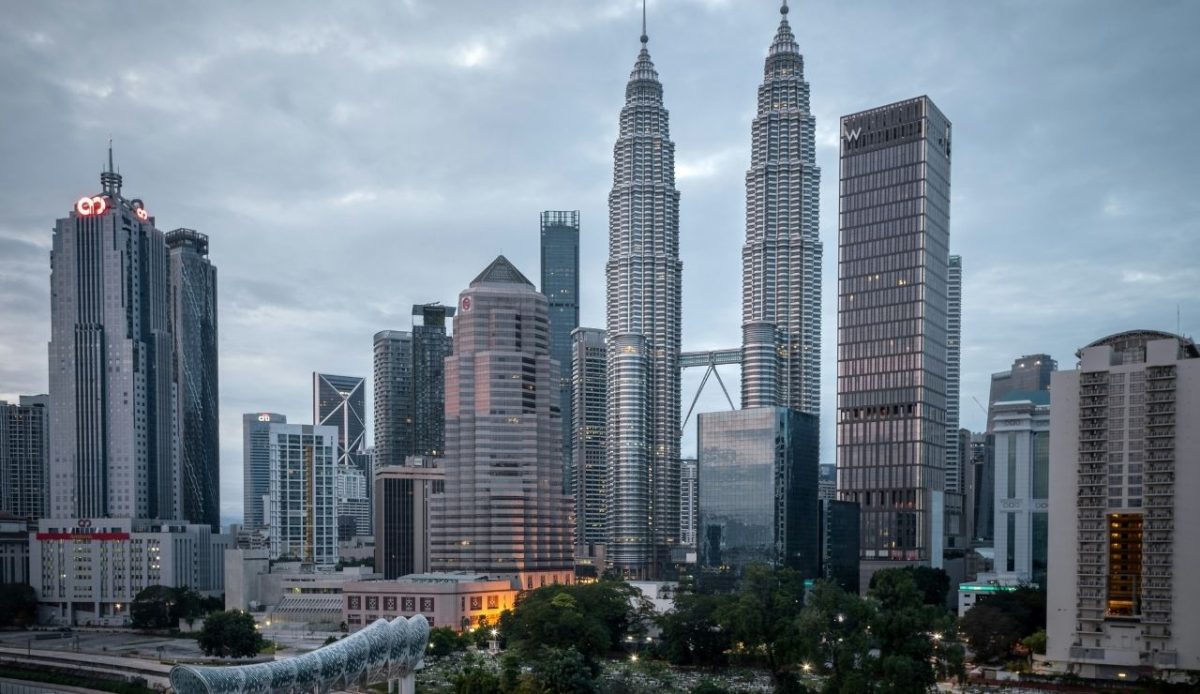
Malaysia is often praised for delivering strong tourist infrastructure without overwhelming visitors. Airports are efficient and well-connected to city centers. Public transport in major cities is affordable, clean, and clearly mapped. Roads and intercity buses make regional travel straightforward. One of Malaysia’s strengths is communication. English is widely used in tourism services, signage, and customer support. Hotels offer consistent quality across price ranges, and digital booking systems are reliable. Tourist information centers are practical rather than decorative, focusing on problem-solving.
4. Indonesia
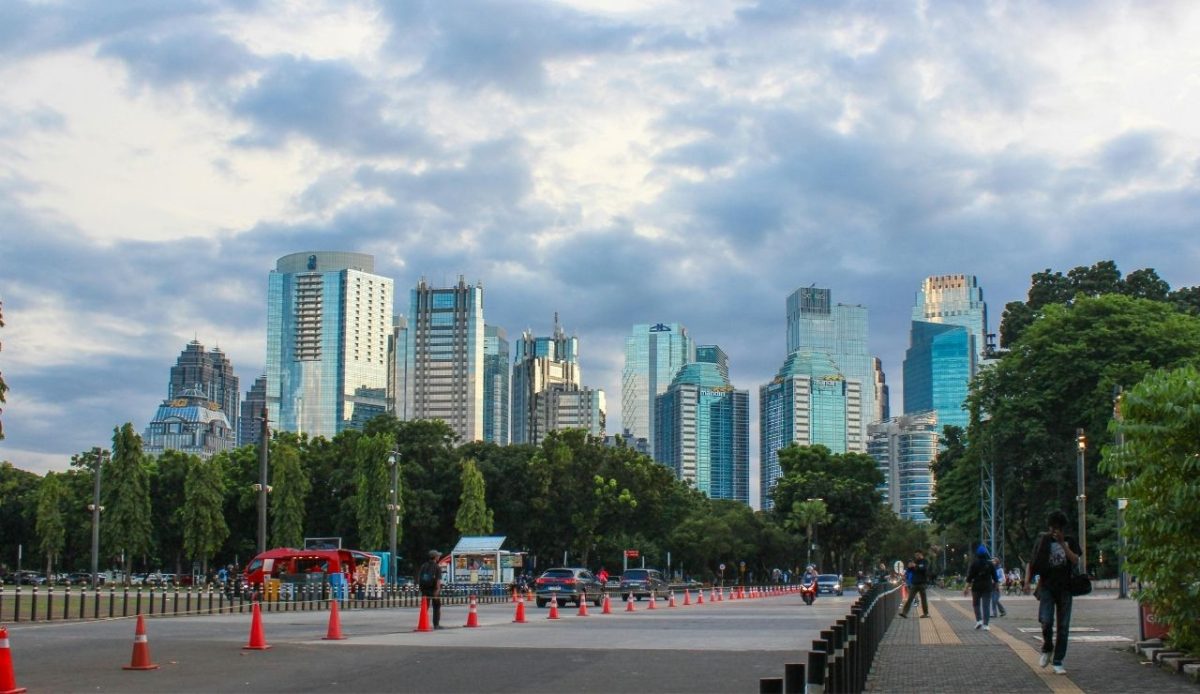
Indonesia’s tourist infrastructure reflects the challenge of managing scale across thousands of islands. Investment has focused on improving airports, ferry systems, and road access in high-demand destinations. Major hubs such as Bali, Jakarta, and Yogyakarta offer modern airports, reliable transport, and well-developed hospitality networks. Tourist services are increasingly standardized, with clearer pricing, digital payments, and regulated operators. While regional differences remain, infrastructure improvements have significantly reduced travel uncertainty. Accommodation options are diverse and professionally managed.
5. Morocco

Morocco’s tourist infrastructure is shaped by long experience hosting international visitors. Airports, rail networks, and highways connect major cities efficiently. High-speed rail links reduce travel time between key destinations. In historic cities, visitor services are well integrated, with organized guides, riads designed for travelers, and clearly structured tours. Morocco balances tradition with functionality. While medinas retain their historic layout, signage, accommodations, and support services help visitors navigate them safely. Hospitality staff are trained to assist travelers unfamiliar with local customs.
6. Saudi Arabia
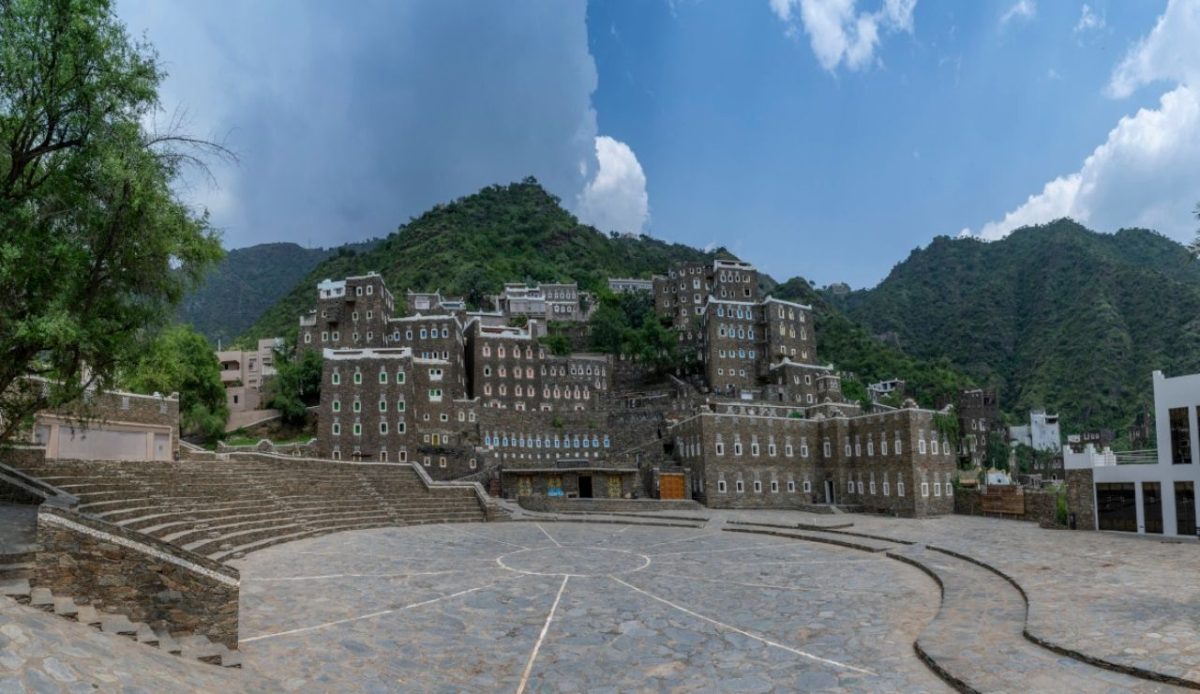
Saudi Arabia’s tourist infrastructure has expanded rapidly in a short time through large-scale national investment. New airports, modern hotels, upgraded highways, and integrated digital systems are transforming travel across the country. Visitor platforms provide centralized information, permits, and planning tools. Public transport projects are expanding in major cities. Tourist zones are designed with clear navigation and security presence. While the tourism sector is still developing its rhythm, infrastructure growth is deliberate and coordinated. The focus is on scalability and long-term capacity.
7. Qatar

Qatar is known for its infrastructure that prioritizes efficiency and cleanliness. Doha’s airport, metro, and road systems are modern, intuitive, and well-maintained. Visitor movement is easy, with clear signage and consistent service standards. Hotels and hospitality zones are concentrated and professionally managed, reducing logistical complexity. Qatar’s infrastructure benefits from recent investment cycles, meaning systems were designed with contemporary travel expectations in mind. Digital integration is strong, and safety services are visible but unobtrusive. The country offers a compact travel experience where distances are short, and systems are reliable.
8. Egypt
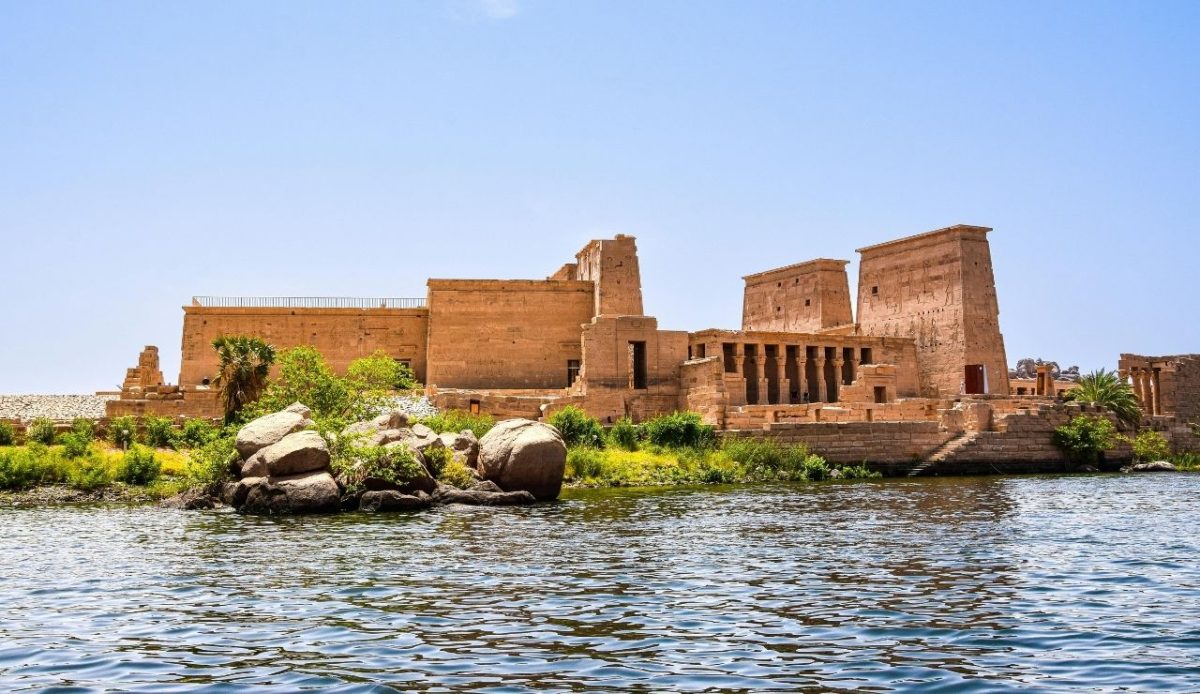
Egypt’s tourist infrastructure reflects decades of managing large visitor volumes. Major airports, cruise systems along the Nile, guided tour networks, and resort corridors are well established. Hotels and transport providers operate within structured systems that support group and independent travel. Security and visitor services are integrated into major tourist zones. While infrastructure varies by region, core travel routes are highly developed. Egypt’s strength lies in institutional knowledge. These systems have been tested repeatedly. For travelers following established routes, the experience is organized and familiar, which reduces uncertainty despite the country’s scale.
