
Travel patterns show that some destinations attract strong first-time interest but see limited return visits. Reasons vary: strict movement rules, demanding city environments, high travel costs, logistical challenges, or experiences that feel complete after one trip. While each place offers important cultural or natural appeal, visitor feedback often describes these destinations as memorable but not suited for repeated vacations. Understanding these factors helps travelers shape expectations, especially when planning longer routes or selecting places that match their comfort levels. This list highlights locations where many travelers report that one visit is usually enough.
1. North Korea
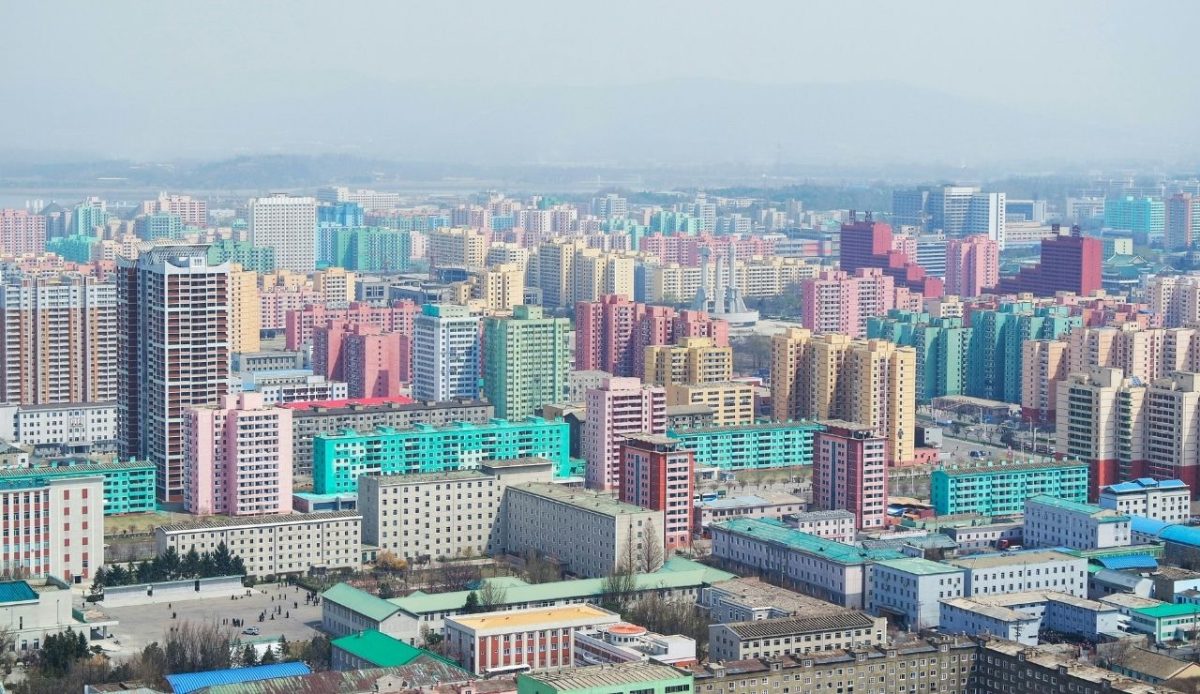
North Korea offers a tightly managed travel structure that leaves visitors with little room to personalize their experience. All tours follow set routes, and guides control movement at each stop. Photography rules, schedule limits, and restricted access to local communities create an environment where travelers observe more than they interact. Because of these controlled conditions, many visitors describe their trip as informative but not something they would repeat. The experience provides insight into a closed political system but does not offer flexible activities, open exploration, or varied routes that encourage additional visits.
2. Venezuela
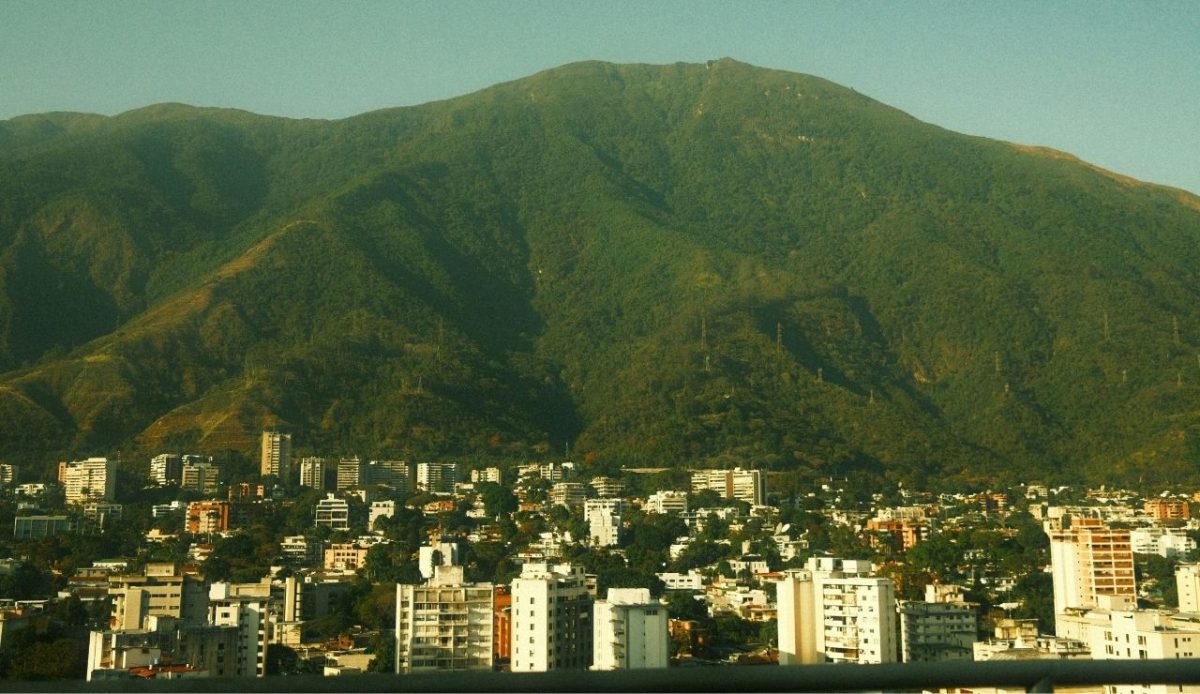
Venezuela contains some of the most striking natural features in South America, including large tepui formations and famous waterfalls. However, repeat travel remains low due to ongoing instability and practical challenges faced by visitors. Safety concerns, unpredictable transportation, and limited access to reliable services influence how travelers plan future trips. While guided tours to remote areas can be arranged, many visitors feel uncertain about navigating broader regions independently. Feedback often reflects appreciation for the scenery but hesitation toward returning until conditions improve. As a result, Venezuela tends to attract one-time visits rather than ongoing tourism.
3. Cairo, Egypt
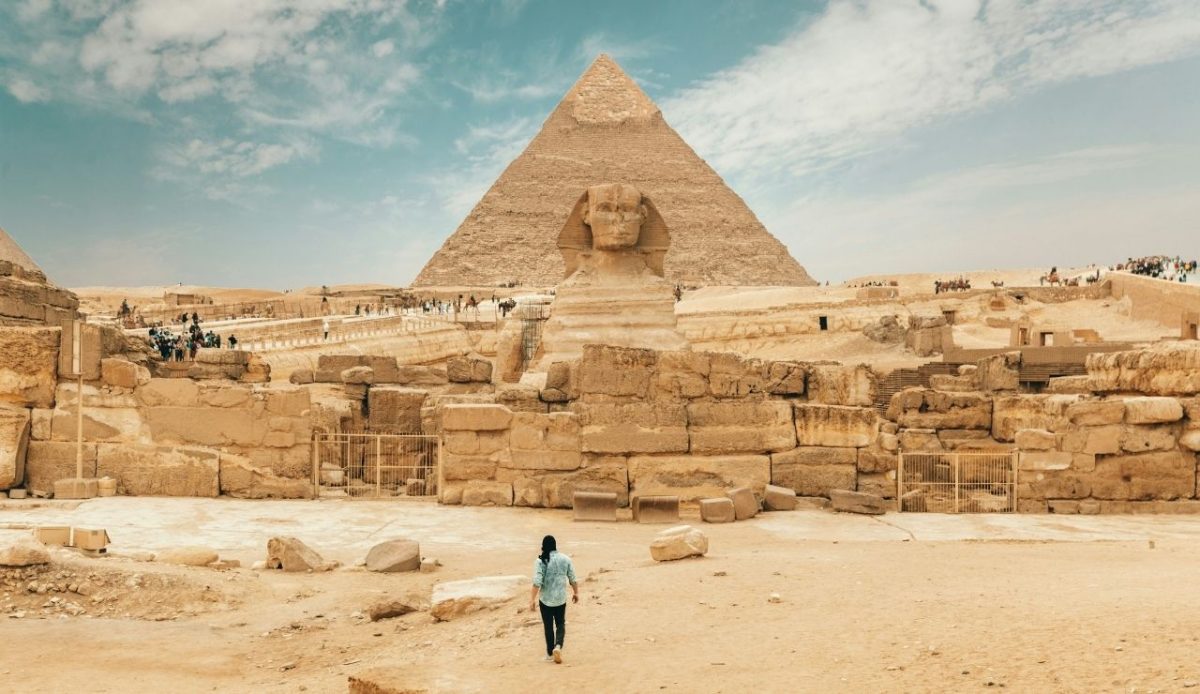
Cairo remains a major global destination due to its historic sites, but many travelers feel that a single visit covers their main interests. The Pyramids, museum collections, and ancient landmarks draw significant crowds, which can make movement slow and tiring. Traffic congestion, persistent selling attempts, and dense sidewalks add to the overall intensity. After experiencing Cairo’s most important attractions, many visitors choose to explore other Egyptian regions for future trips, where daily routines feel easier. Cairo’s cultural importance is clear, yet the city’s demanding environment contributes to low repeat-visit patterns.
4. Mumbai, India
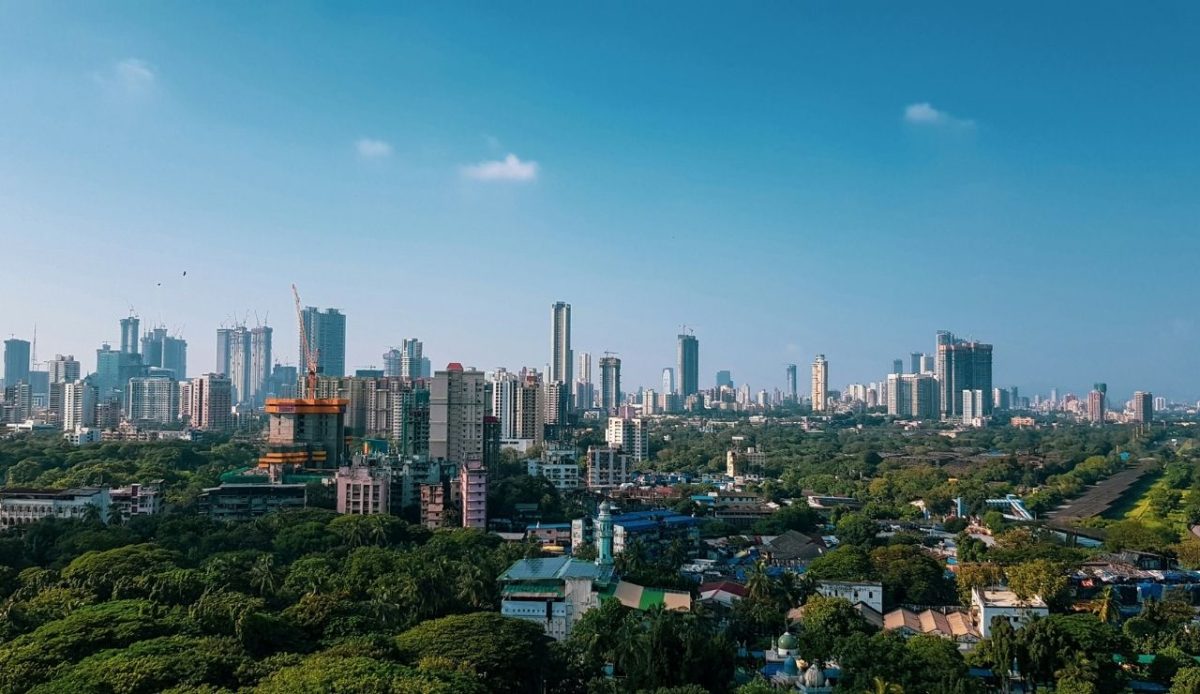
Mumbai offers extensive cultural depth, busy markets, and major economic centers, but the pace of the city can overwhelm some travelers. High population density, noise, heat, and visible poverty create conditions that many describe as difficult to navigate for extended periods. While visitors often value the food, cinema history, and waterfront areas, they commonly shift toward quieter regions of India on future trips. Areas such as coastal towns, mountain regions, or cultural centers with slower movement tend to attract repeat visitors instead. Mumbai remains impactful, but its intensity leads many to view it as a one-time experience.
5. Los Angeles, USA
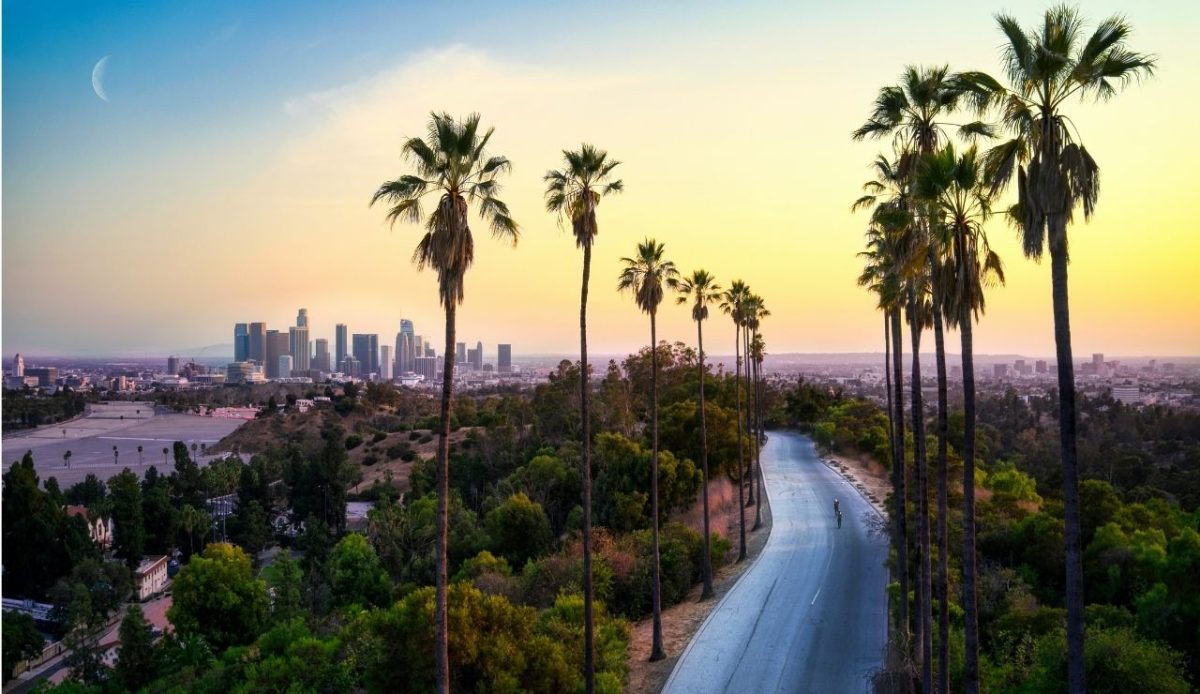
Los Angeles draws travelers with well-known attractions, but the city’s size and layout often create unexpected challenges. Driving is the primary mode of transport, and long distances between neighborhoods can turn simple activities into extended trips. Heavy traffic, parking costs, and limited rapid public transportation affect how easily visitors can plan their days. While many enjoy visiting once to see Hollywood landmarks or popular beaches, they often do not feel motivated to return because the effort required to move around reduces overall convenience. This pattern contributes to low repeat visits compared to smaller, more walkable cities.
6. Antarctica

Antarctica appeals to travelers seeking remote landscapes and rare wildlife encounters, but the journey is demanding. Most visitors reach the continent through multi-day cruises that involve long sea crossings and strict landing procedures. Environmental rules limit time onshore, and each stop follows a controlled schedule. Because scenery and wildlife viewing do not vary much across repeat visits, many travelers consider the experience complete after one trip. The high cost, long transport routes, and physical demands make Antarctica one of the most common “once in a lifetime” destinations rather than a place people return to regularly.
7. Naples, Italy

Naples offers major historic attractions and direct access to Pompeii, yet many travelers view it as a destination they visit once before choosing other regions of Italy for future trips. The city’s busy streets, traffic, and concerns about petty theft make navigation more challenging for first-time visitors. Although Naples provides important cultural sites and well-known regional dishes, visitors often favor quieter or more polished areas for return travel, such as coastal towns or countryside regions. Naples leaves a strong impression, but many travelers feel that a single visit gives them sufficient time to explore core points of interest.
8. Bucharest, Romania

Bucharest draws visitors interested in its mix of modern districts and government landmarks, but it functions more as a short-stay city than a long-term repeat destination. Many travelers use it as a starting point before heading to Transylvania or mountain areas, which offer broader scenery and more varied activities. Bucharest’s main sites can be covered within a few days, and visitors often report that the experience feels complete without the need for another trip. Although the city provides museums, parks, and a lively center, repeat travel tends to shift toward other Romanian regions with wider attractions.
