
Jewish heritage towns preserve centuries of culture, religion, and resilience, reflecting the community’s rich history across the globe. From synagogues and cemeteries to cultural festivals and museums, these towns offer visitors a glimpse into traditions that have endured despite challenges. Travelers can walk cobbled streets, explore local markets, and engage with stories passed down through generations. In this article, we highlight eight historic Jewish heritage towns that not only honor the past but continue to celebrate life, culture, and community, offering an immersive experience for history and culture enthusiasts.
1. Safed, Israel
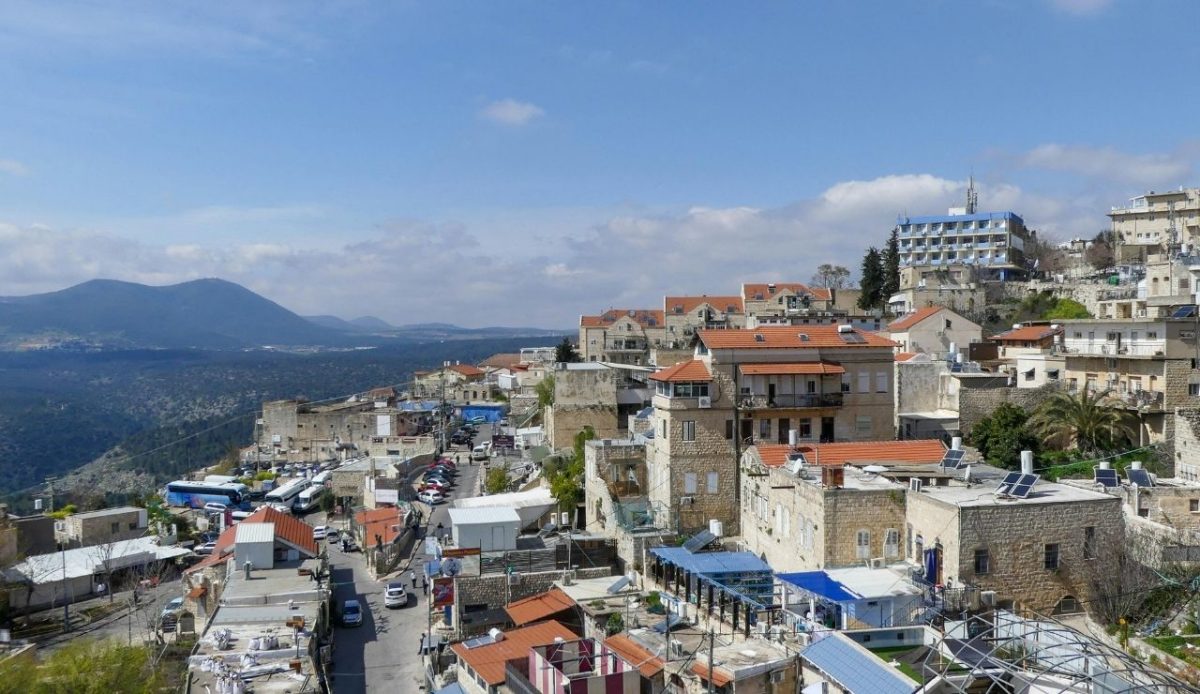
Safed, in northern Israel, is known as the city of Kabbalah and spiritual study. Its narrow streets host ancient synagogues, artist studios, and centuries-old cemeteries, reflecting deep Jewish history. Local festivals celebrate mysticism, music, and traditional crafts, offering travelers a blend of culture and spirituality. Visitors can explore art galleries, attend workshops, and participate in guided heritage tours. Safed’s unique combination of religious devotion, artistic expression, and historic architecture makes it an essential destination for those seeking insight into Jewish spiritual and cultural life.
2. Krakow, Poland
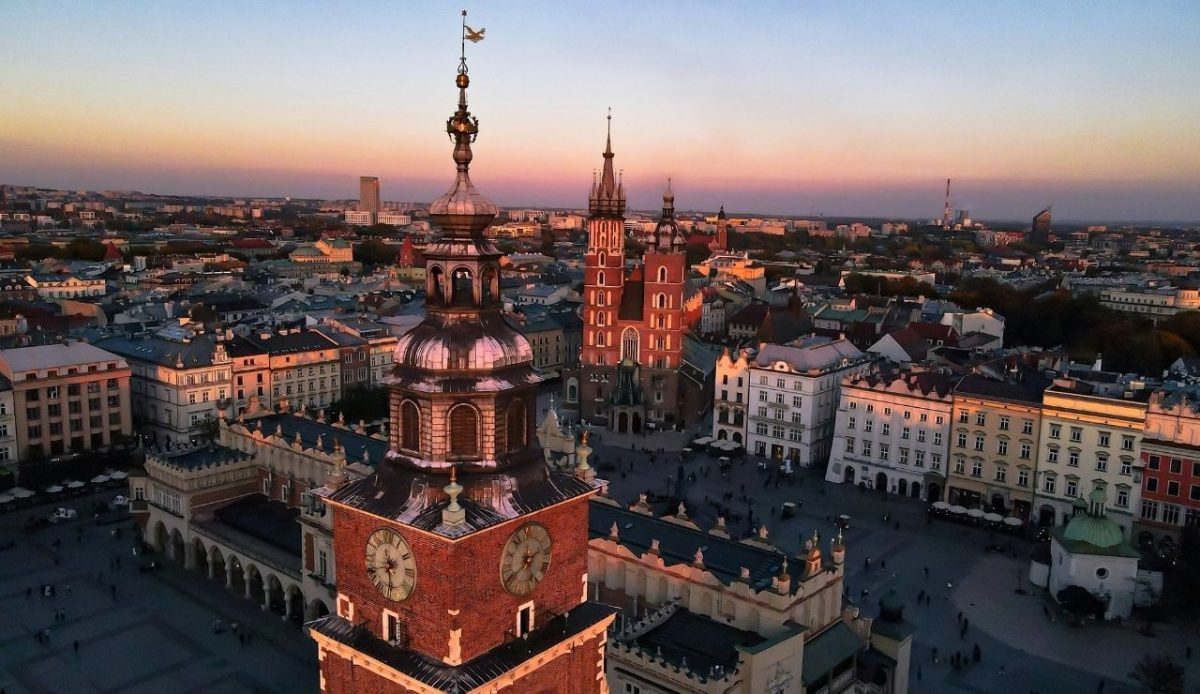
Kraków’s Jewish quarter, Kazimierz, offers a profound journey into European Jewish history. Synagogues, Jewish cemeteries, and museums showcase centuries of life, learning, and resilience. Festivals like the Jewish Culture Festival celebrate music, food, and traditions, keeping heritage vibrant. Travelers can join guided walking tours, explore historic sites, and sample traditional Jewish cuisine. Kazimierz illustrates how communities rebuild, remember, and honor their past, providing an immersive cultural experience where visitors can connect with stories of survival, creativity, and enduring tradition.
3. Prague, Czech Republic
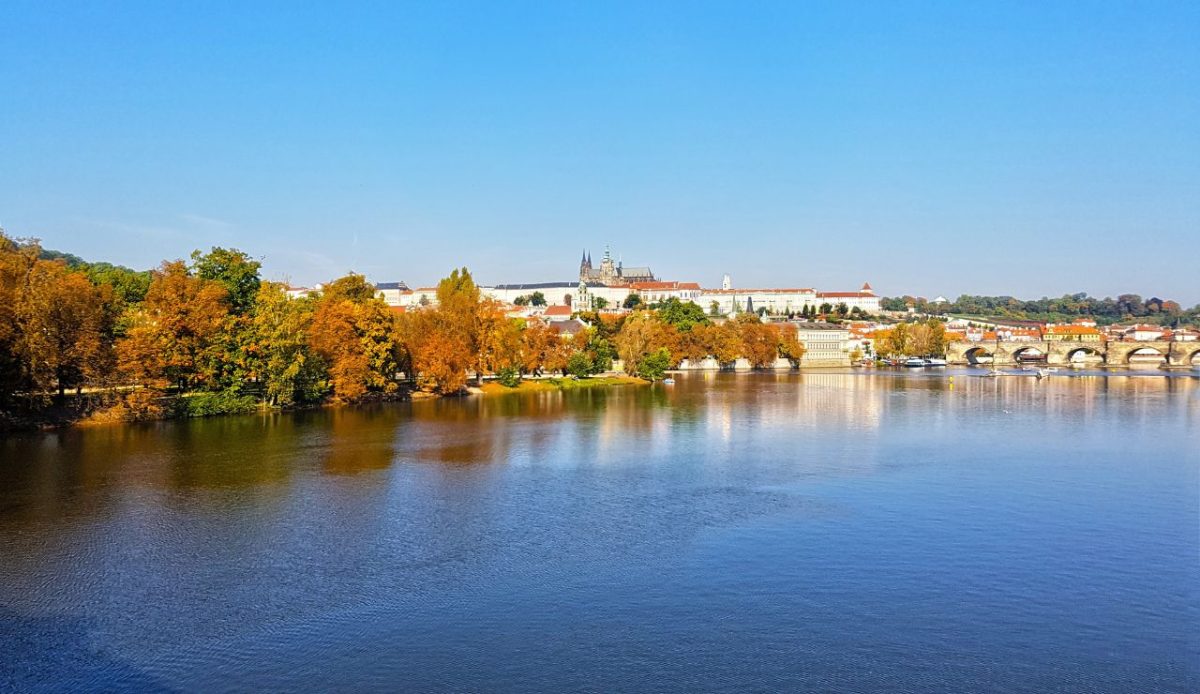
Prague’s Jewish Quarter, Josefov, is a city within a city, preserving synagogues, museums, and the Old Jewish Cemetery. Historic streets and monuments tell stories of centuries-old communities, their achievements, and hardships. Visitors can explore the Spanish Synagogue, the Maisel Synagogue, and the Jewish Museum for a full cultural immersion. Walking through cobbled streets, travelers feel the layers of history, from medieval times to modern preservation efforts. Prague’s Jewish heritage demonstrates resilience and continuity, offering insights into European Jewish life while combining beauty, architecture, and storytelling for visitors.
4. Vilnius, Lithuania
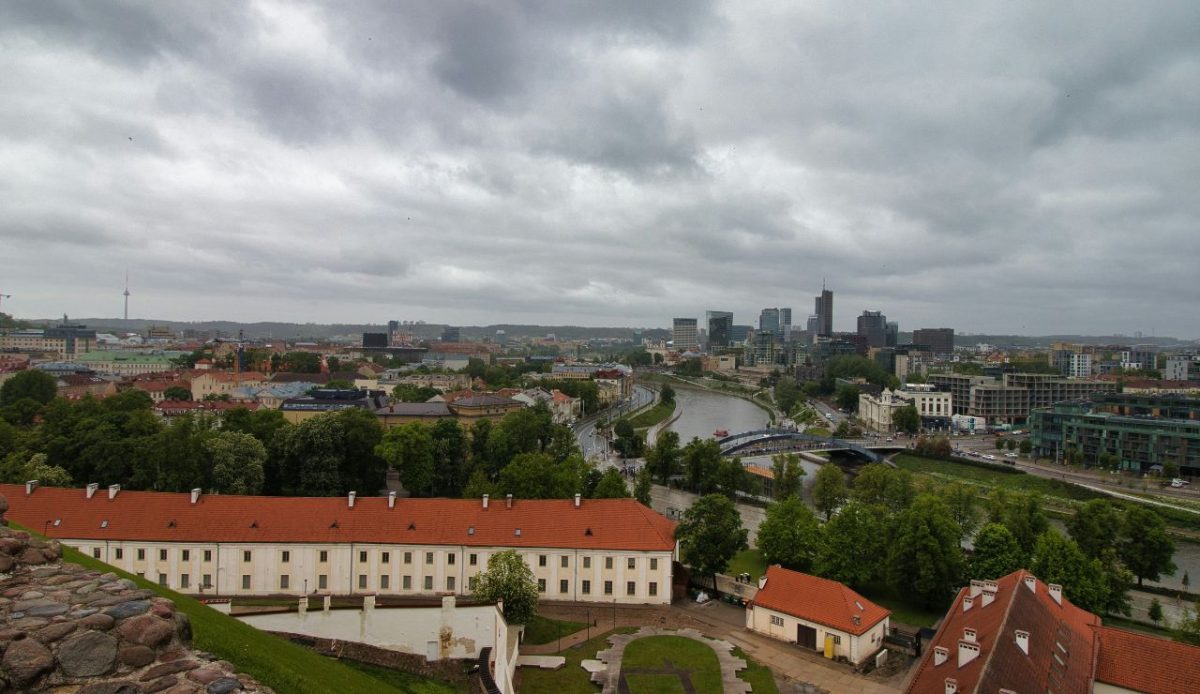
Vilnius, once called the “Jerusalem of the North,” retains a rich Jewish history despite tragic losses during World War II. Synagogues, cemeteries, and preserved neighborhoods showcase centuries of vibrant community life. Museums and memorials provide context for cultural, religious, and intellectual contributions. Visitors can explore the old town, guided by stories of rabbis, scholars, and artists who shaped Jewish life in the region. Vilnius offers a reflective, educational experience, showing how heritage and memory persist after immense challenges, allowing appreciation of Jewish historical influence.
5. Budapest, Hungary
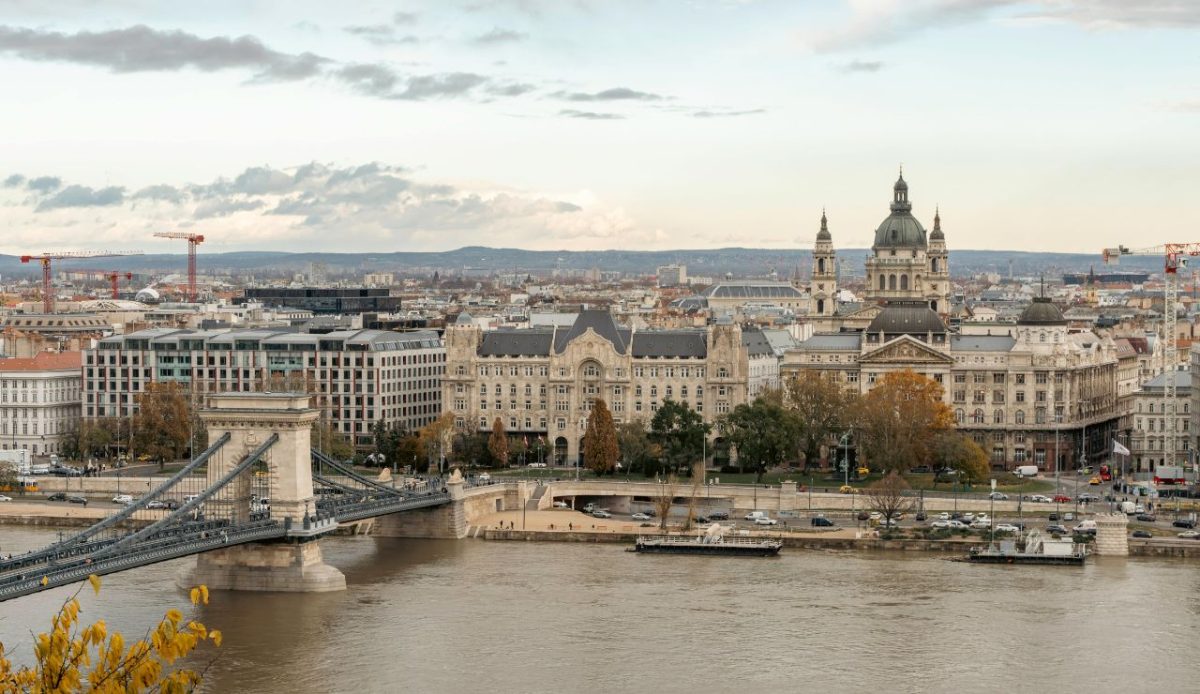
Budapest’s Jewish Quarter is a vibrant area filled with historic synagogues, including the Great Synagogue, and cultural landmarks. Walking tours, museums, and memorials highlight centuries of Jewish life, from religious practices to contributions in business, music, and literature. The quarter blends tradition with modern culture, featuring kosher restaurants, galleries, and festivals. Travelers can engage with heritage firsthand, learning stories of resilience and creativity. Budapest offers a dynamic experience where history, culture, and contemporary life coexist, showing the enduring significance of Jewish communities.
6. Thessaloniki, Greece
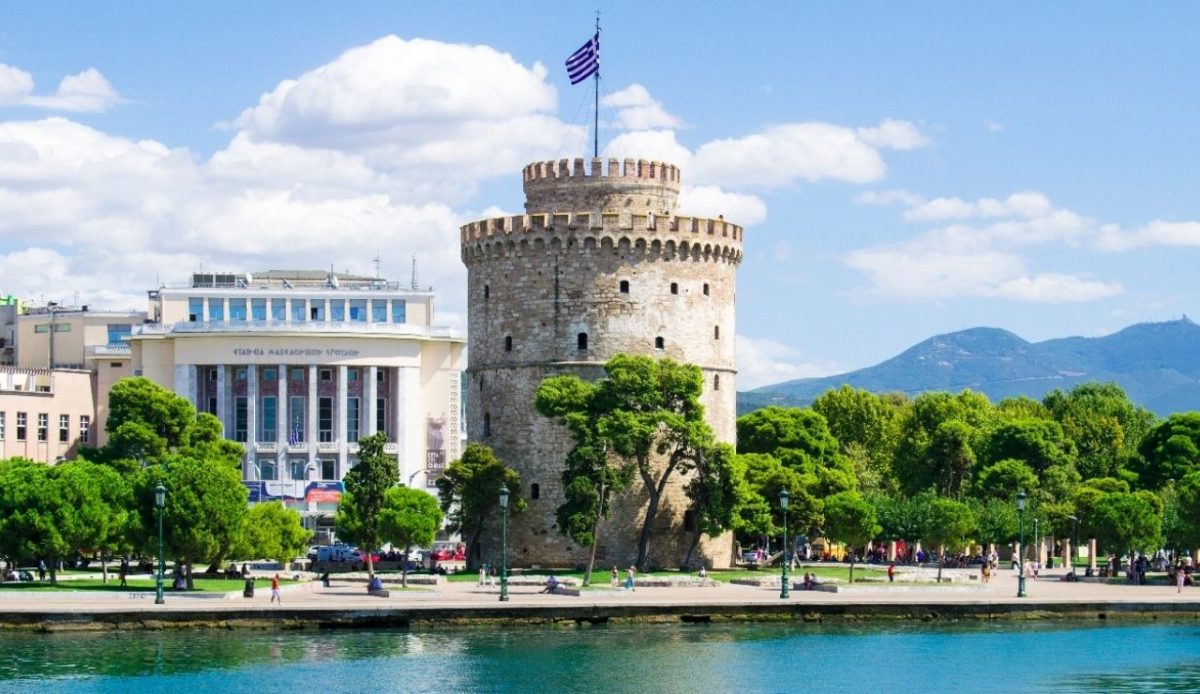
Thessaloniki, historically a hub for Sephardic Jews, retains architectural landmarks, cemeteries, and cultural institutions celebrating centuries of heritage. Museums and tours highlight the city’s contributions to commerce, music, and scholarship. Traditional Jewish neighborhoods and festivals preserve rituals and communal life. Travelers can explore synagogues, sample Sephardic cuisine, and learn about the city’s resilience through change. Thessaloniki shows how Jewish heritage continues to influence local culture, providing visitors an immersive experience where history, community, and everyday life intersect.
7. Marrakech, Morocco
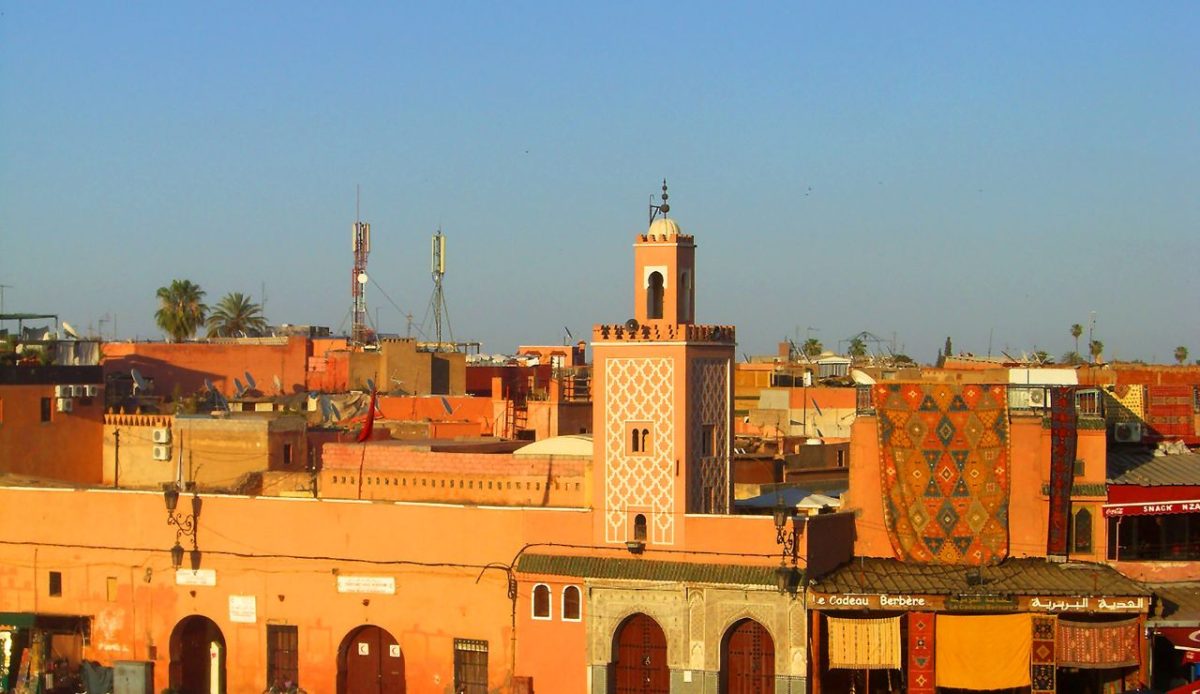
Marrakech’s Mellah, the historic Jewish quarter, offers a glimpse into Morocco’s Jewish community. Synagogues, markets, and preserved homes reflect centuries of life intertwined with local culture. Visitors can tour museums, explore ancient cemeteries, and sample traditional dishes influenced by Jewish culinary traditions. Festivals celebrate music, storytelling, and heritage, connecting modern residents and travelers to the past. Marrakech provides an intimate experience where travelers witness a unique fusion of Jewish tradition and Moroccan culture, illustrating how communities adapt and thrive while preserving identity and history.
8. Odessa, Ukraine
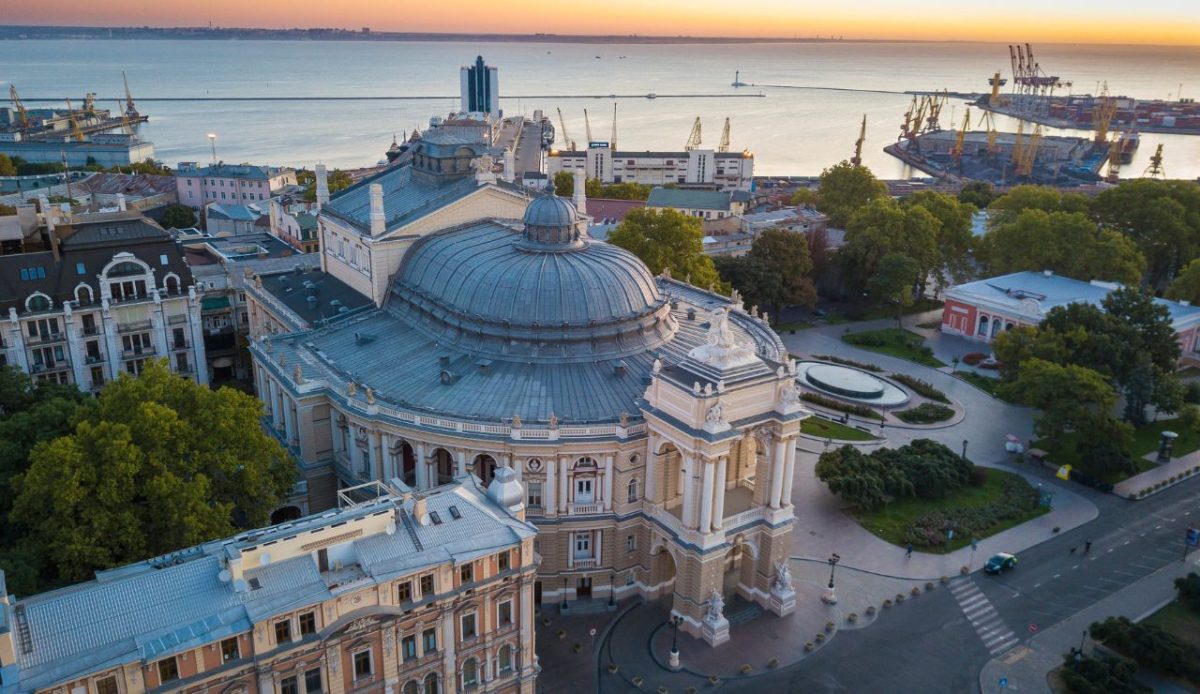
Odessa’s Jewish heritage is celebrated through museums, synagogues, and historic neighborhoods along the Black Sea coast. The city’s literary, cultural, and commercial contributions highlight centuries of vibrant community life. Travelers can visit memorials, attend cultural festivals, and explore streets once bustling with merchants, scholars, and artists. Odessa combines history with contemporary urban life, allowing visitors to experience the persistence and influence of Jewish culture in shaping local identity. The city’s enduring heritage offers insight into resilience, creativity, and the role of Jewish communities in Eastern Europe.
