
Travel can be thrilling, but some destinations carry risks that travelers often underestimate. High crime rates, scams, and unsafe environments can quickly turn a vacation into a legal or safety nightmare. From petty theft and violent crime to stricter local law enforcement, these towns demand vigilance and preparation. Ignoring warnings or local rules can have serious consequences, sometimes landing visitors behind bars. This article highlights eight high-crime towns where travelers frequently encounter trouble, providing insight into the dangers and the importance of informed, cautious exploration.
1. Caracas, Venezuela
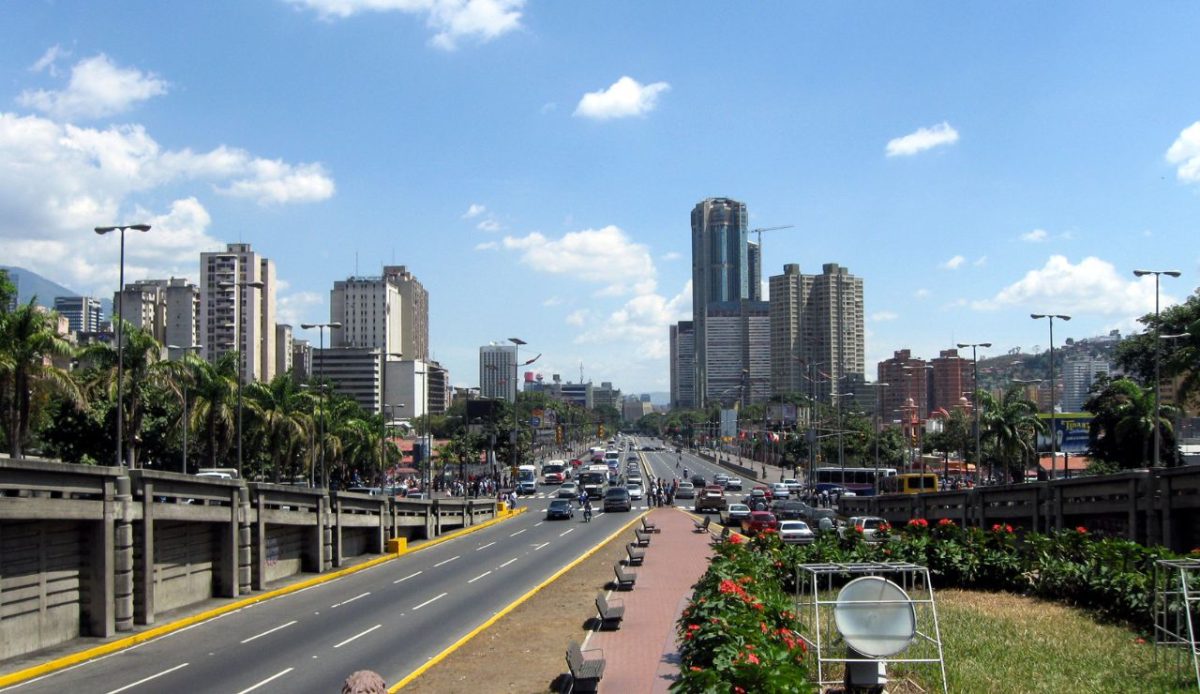
Caracas consistently ranks among the world’s most dangerous cities due to high violent crime and economic instability. Petty theft, armed robbery, and kidnapping are major risks, and visitors are often targeted for valuables or cash. Tourists unaware of local advisories may unknowingly enter unsafe areas. Strict law enforcement and limited emergency resources complicate situations further. Travelers should exercise extreme caution, avoid traveling at night, and rely on trusted local guidance. Understanding Caracas’s reputation is vital before visiting, as complacency can quickly escalate into serious legal or personal danger.
2. Acapulco, Mexico
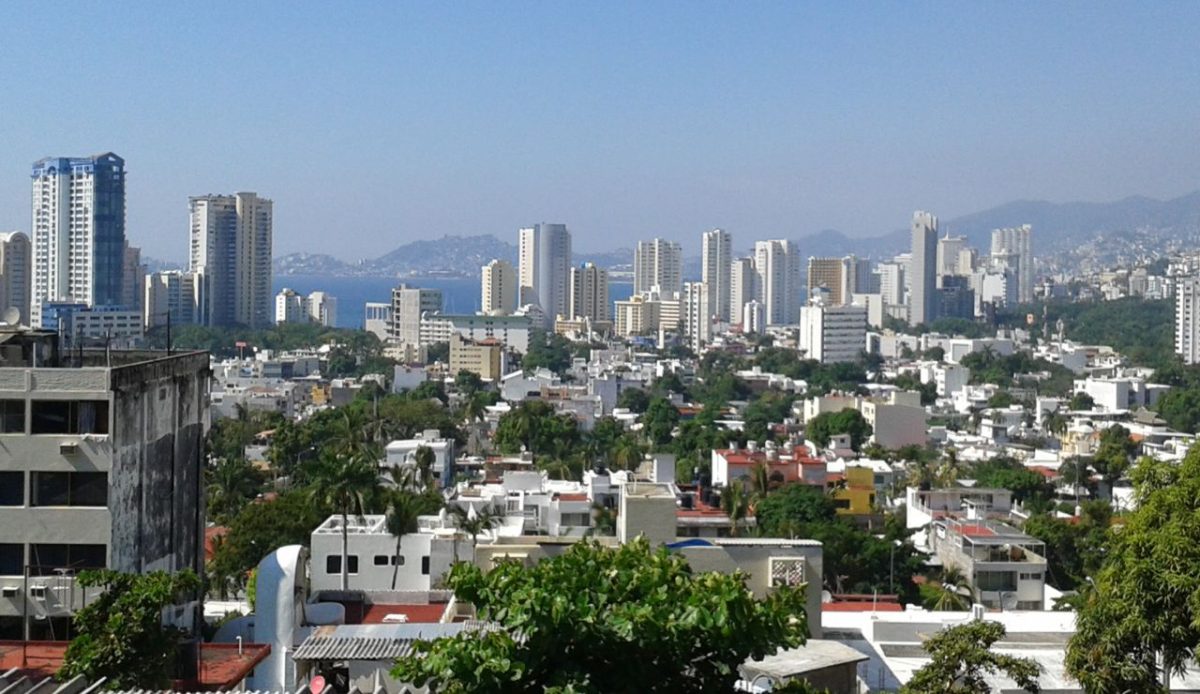
Acapulco, once a glamorous beach resort, has seen surges in violent crime fueled by organized gangs. Shootings, robberies, and muggings are reported frequently, especially in less-touristy areas. Tourists drawn to the scenic beaches or nightlife may unknowingly venture into high-risk neighborhoods. Law enforcement struggles to manage gang-related violence, leaving visitors vulnerable. Travelers are advised to stay within resort zones, avoid flaunting valuables, and remain aware of local advisories. Even routine activities like taxi rides or walking the streets can present unforeseen dangers for the unprepared.
3. Rio de Janeiro, Brazil

Rio de Janeiro’s stunning beaches and carnival atmosphere conceal neighborhoods with high rates of armed robbery, theft, and occasional violent crime. Tourists are often targeted in favelas or crowded public areas. Pickpocketing, scams, and muggings are common, and law enforcement may have limited ability to respond quickly. Visitors unfamiliar with local safety norms can easily find themselves in hazardous situations. Staying in tourist-friendly areas, hiring verified guides, and avoiding high-risk neighborhoods at night are critical. Awareness and caution are key, as even a short lapse can have serious consequences.
4. Johannesburg, South Africa

Johannesburg attracts travelers for business and culture, but high rates of crime make caution essential. Carjacking, armed robbery, and burglaries are common, especially in less-secure areas. Tourists unaware of risk zones may inadvertently venture into unsafe neighborhoods. Even popular attractions can be risky after dark or in poorly lit areas. Relying on trusted local advice, using secure transport, and avoiding displaying valuables can reduce danger. Johannesburg’s vibrant culture is accessible to careful visitors, but ignorance or carelessness can easily lead to crime-related legal or personal incidents.
5. Naples, Italy

Naples is famous for its history and cuisine, yet certain districts experience high petty crime and organized scams. Pickpockets, bag thieves, and street hustlers target distracted tourists, particularly in crowded markets or transport hubs. Some locals may take advantage of visitors, unaware of common schemes. Law enforcement patrols busy areas, but vigilance remains the traveler’s responsibility. Ignoring signage or local advice can result in lost property or, in rare cases, disputes requiring police intervention. For travelers, knowledge of high-risk zones and careful observation are essential for a safe visit.
6. Kingston, Jamaica
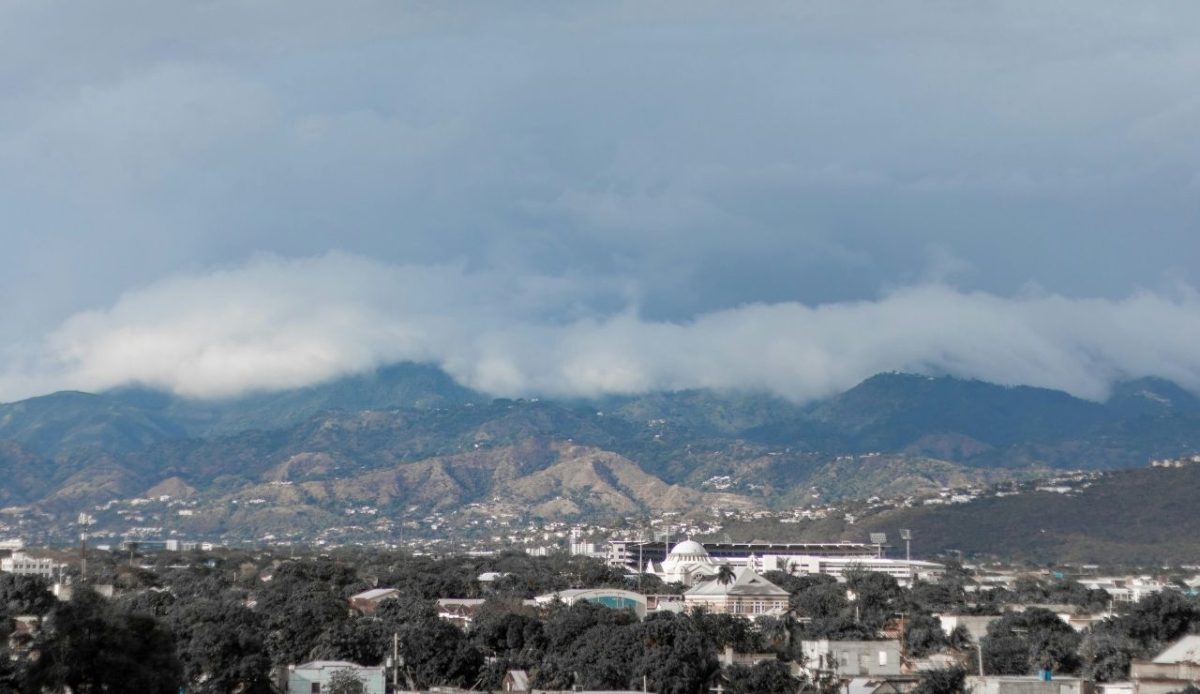
Kingston combines cultural richness with high violent crime rates. Gang activity, armed robbery, and carjacking pose real dangers, and tourists unfamiliar with local norms can inadvertently enter hazardous neighborhoods. Resort areas are comparatively safer, but venturing outside without guidance increases risk. Law enforcement may be slow to respond, and travelers carrying valuables are prime targets. Awareness, local advice, and secure transportation are essential. Ignoring safety precautions can escalate minor incidents into legal troubles or violent confrontations, making careful planning critical for anyone visiting Kingston.
7. Detroit, USA
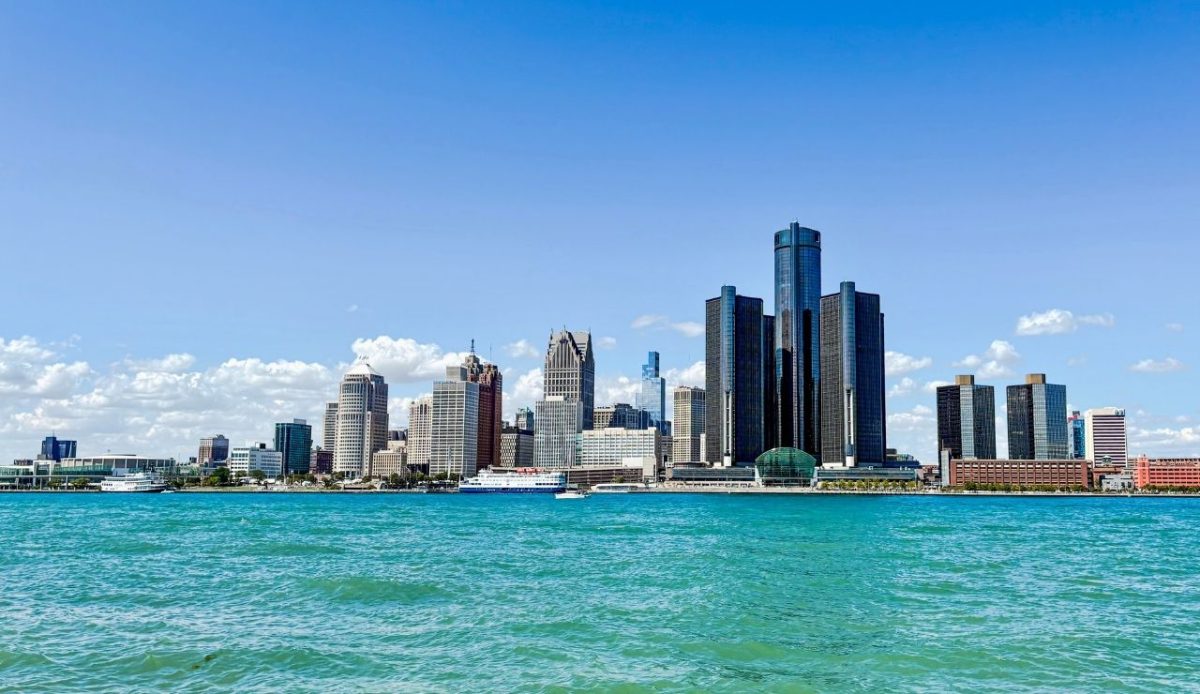
Detroit’s economic challenges have led to high crime rates in certain neighborhoods. Armed robberies, car thefts, and home invasions are reported regularly, especially after dark. Tourists unaware of which areas to avoid may find themselves in unsafe situations quickly. Local law enforcement provides support, but response times vary across districts. Visitors should plan routes, stay within safer zones, and remain vigilant. Detroit’s cultural attractions are accessible to informed travelers, but failure to respect local warnings or safety norms can result in property loss, dangerous encounters, or legal issues.
8. San Pedro Sula, Honduras
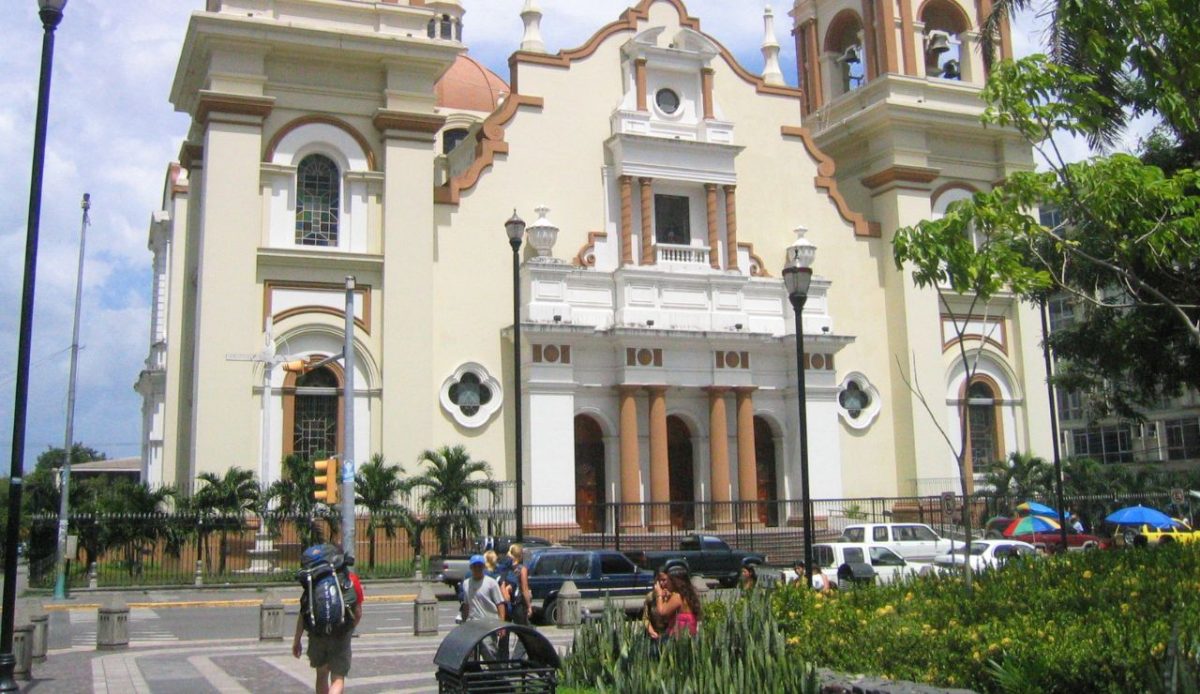
San Pedro Sula has historically been one of the world’s highest-crime cities, with gangs, robbery, and violent offenses posing risks to residents and visitors alike. Tourists unaware of dangerous neighborhoods can easily become targets for theft, extortion, or assault. Law enforcement resources are limited, and some crimes occur in broad daylight. Travelers should rely on secure transport, local advice, and avoid risky areas entirely. While some parts of the city are accessible for business or tourism, ignorance or complacency can lead to legal problems or safety incidents, making preparation essential before visiting.
