
Europe has sites where a specific legend is tied to a place you can still identify on a map, and where parts of the story were shaped by what was hidden, restricted, or rebuilt. The eight destinations below were selected for clear links between folklore and evidence, such as sealed streets, coded symbolism, erased districts, or unanswered archaeological questions. Each section names the location, the core mystery people repeat, and the documented layer of history that keeps the claim alive. Sources include heritage registries, site archives, and summaries, so the list stays focused on places where legend and record can be checked side by side.
1. The Real Mary King’s Close, Edinburgh, Scotland
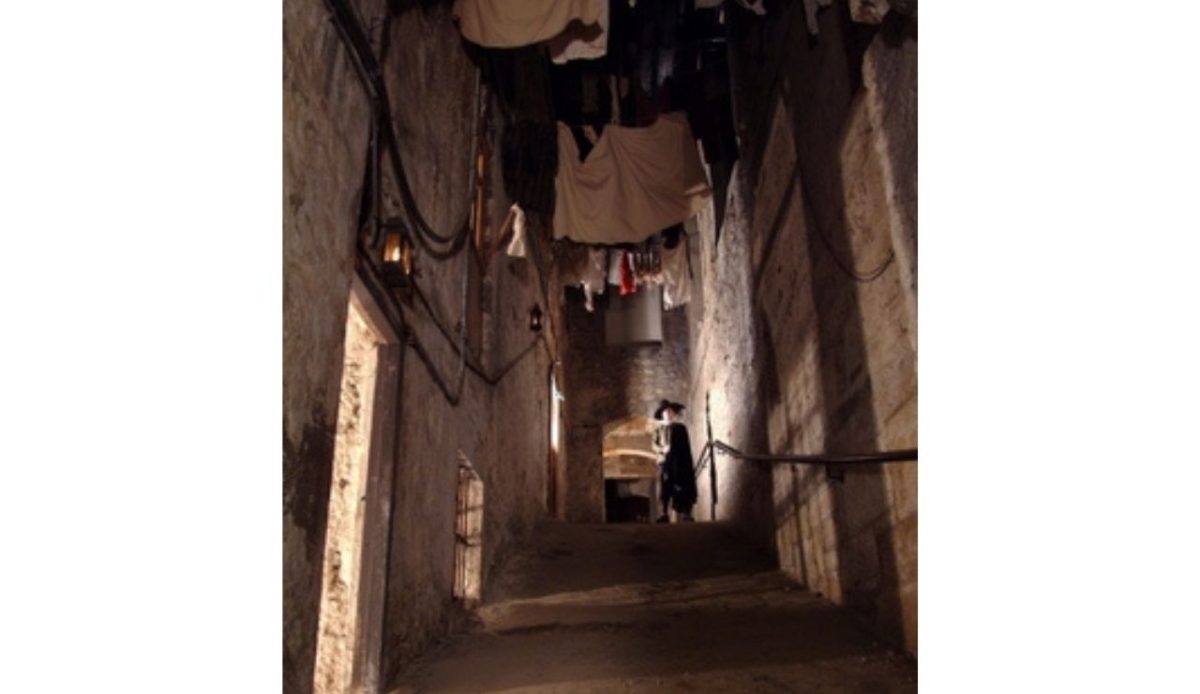
Edinburgh’s Royal Mile covers a buried lane known as The Real Mary King’s Close. Rooms and passageways were sealed when new buildings were added above, so a working neighborhood was preserved underground. Plague-era accounts and later ghost reports are repeated because the setting feels unchanged, yet the draw is not just rumor. Walls, hearths, and ventilation openings can be studied, and records show how residents were pushed out as the city expanded. The legend persists because the hidden street still proves it existed. Controlled access and on-site interpretation keep the storytelling linked to material traces rather than invention.
2. Old New Synagogue and Josefov, Prague, Czechia
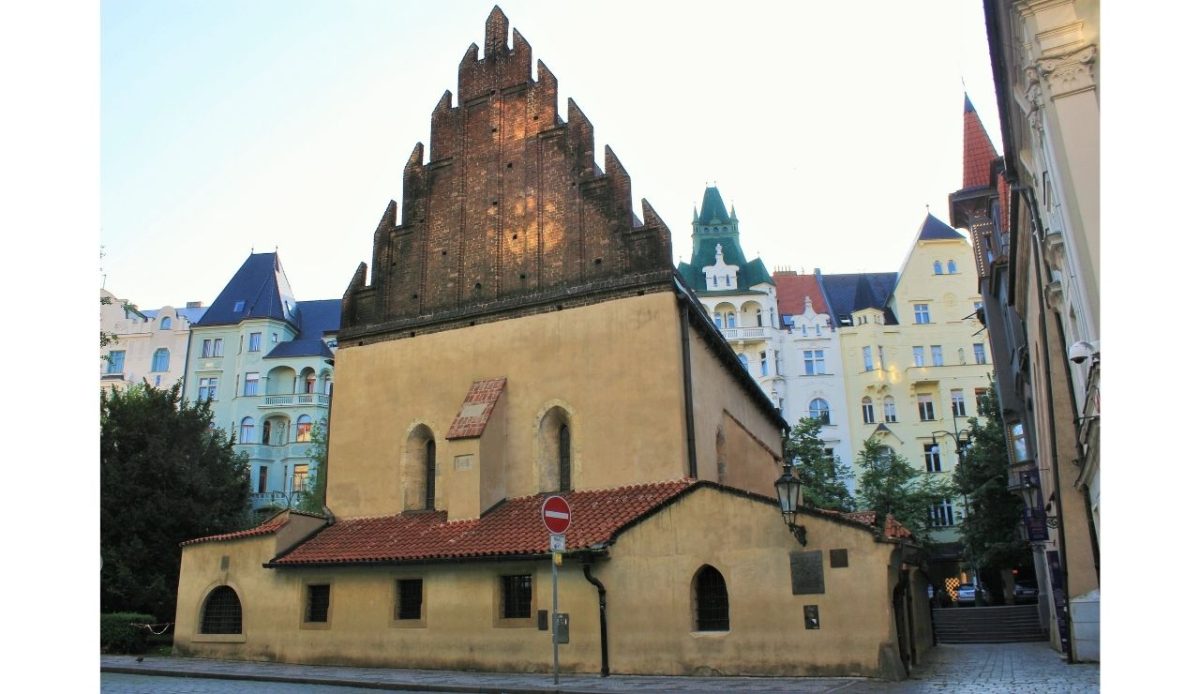
In Prague, the Old New Synagogue anchors the golem tradition, which says a clay guardian was made to protect the community and later hidden above the sanctuary. That attic has been treated as off-limits in the story, so the mystery is reinforced by restriction. A second layer sits outside the walls in Josefov, where older streets were removed during later redevelopment, and only parts survived. What remains can be visited, while what was lost must be reconstructed from maps, archives, and cemetery records. The legend holds because the setting is real, yet incomplete. Visitors see continuity in stone, even as the wider district was reshaped.
3. Quinta da Regaleira, Sintra, Portugal
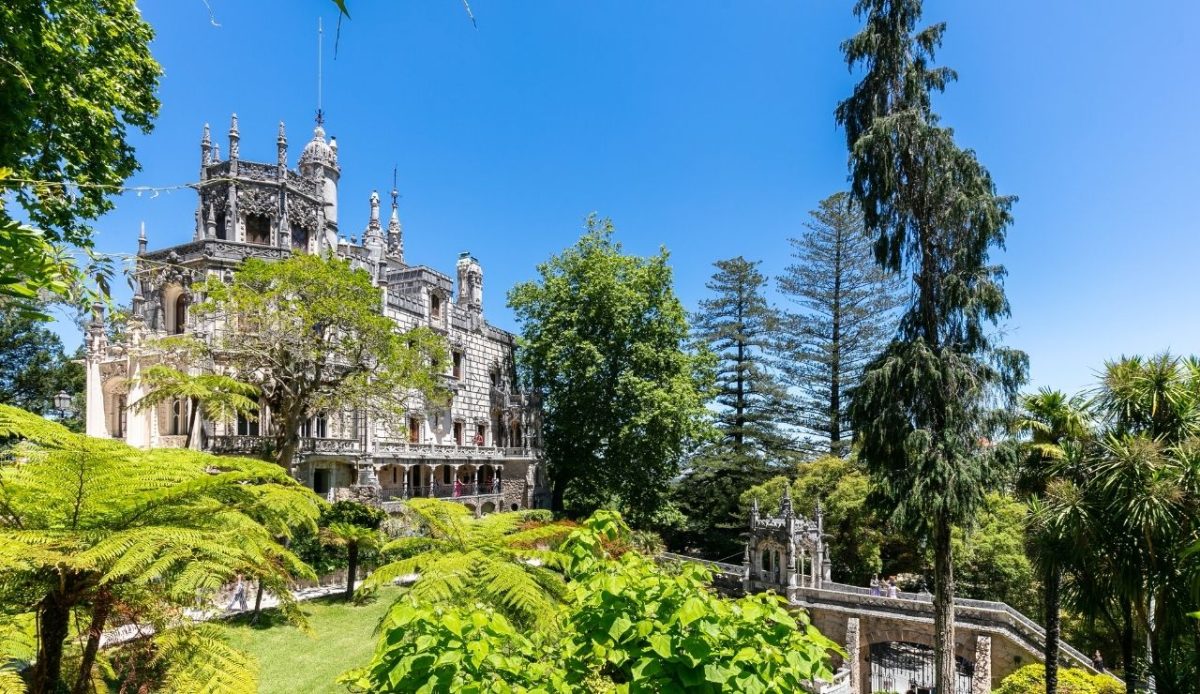
Sintra’s Quinta da Regaleira was built to be read in stages, with symbolism placed in gardens, towers, and underground passages. The Initiation Well is presented as a ritual space in many retellings, and its spiral stairs make the idea believable. Unlike many mystery sites, the hidden elements are structural facts. Tunnels connect grottos and terraces, and movement was choreographed by design rather than by later myth. Meaning was left unstated, so visitors supply their own explanations. That gap keeps the legend active while the architecture stays measurable. Plans and restoration notes document the network, so claims can be checked.
4. Rennes-le-Château, Occitanie, France
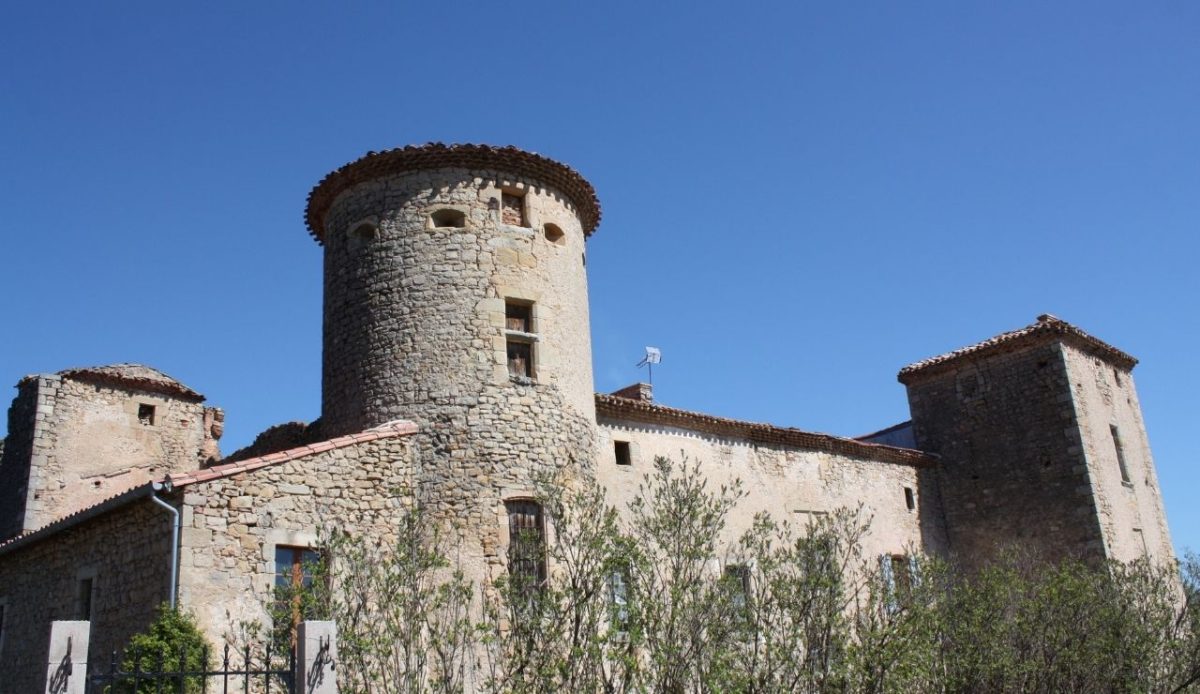
Rennes-le-Château became famous after priest Bérenger Saunière spent far beyond what his income suggested in the late 1800s. A treasure story was attached, then expanded with coded parchments, secret societies, and hidden vault claims. Much of that narrative was added later, but the financial change is documented, which is why the mystery was not dismissed. Receipts, construction work at the church, and local reports show a real anomaly, even if motives remain unclear. The village’s hidden history is the way modern myth was built layer by layer on a thin but stubborn record. It is studied as a case of how folklore can be manufactured.
5. Bran Castle, Transylvania, Romania
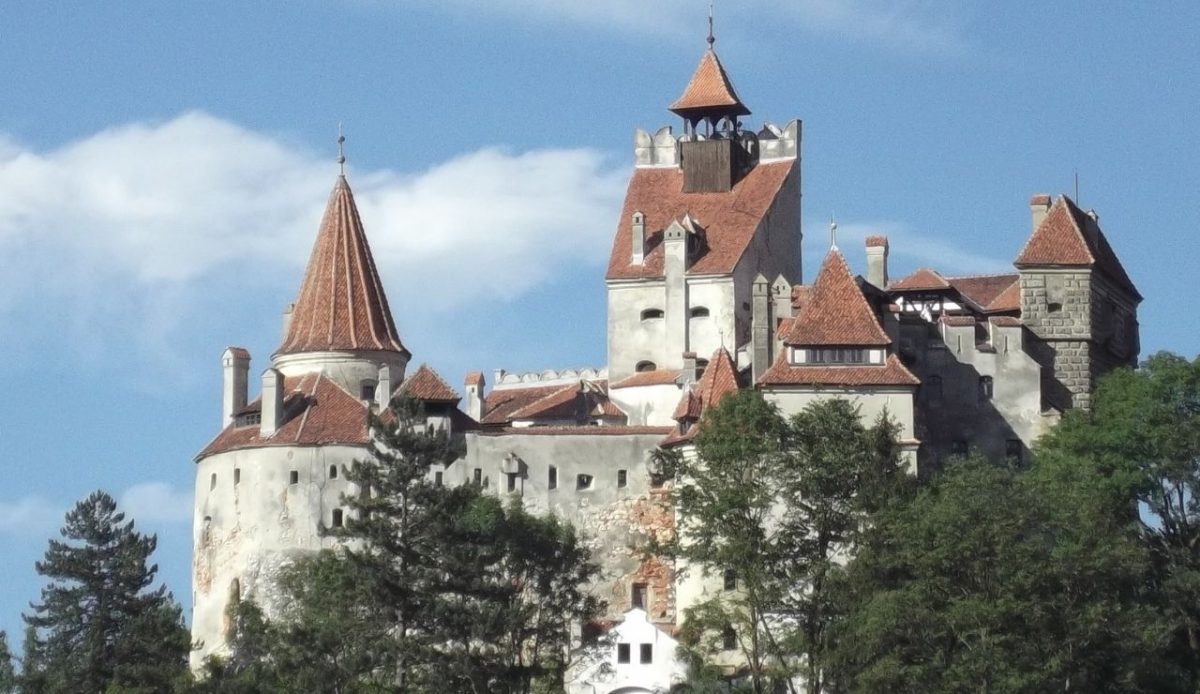
Bran Castle is widely sold as Dracula’s home, so visitors arrive with a fixed narrative before they learn its documented purpose. The link to Bram Stoker’s novel is weak, and the association has been promoted more through tourism than through evidence. What is certain is that the fortress guarded a strategic pass and supported customs control between regions. Orders, repairs, and ownership changes were recorded across centuries, so its role can be traced without relying on legend. The hidden history here is how a military site was rebranded until the earlier function became background noise. That shift still shapes it.
6. Sassi di Matera, Matera, Italy
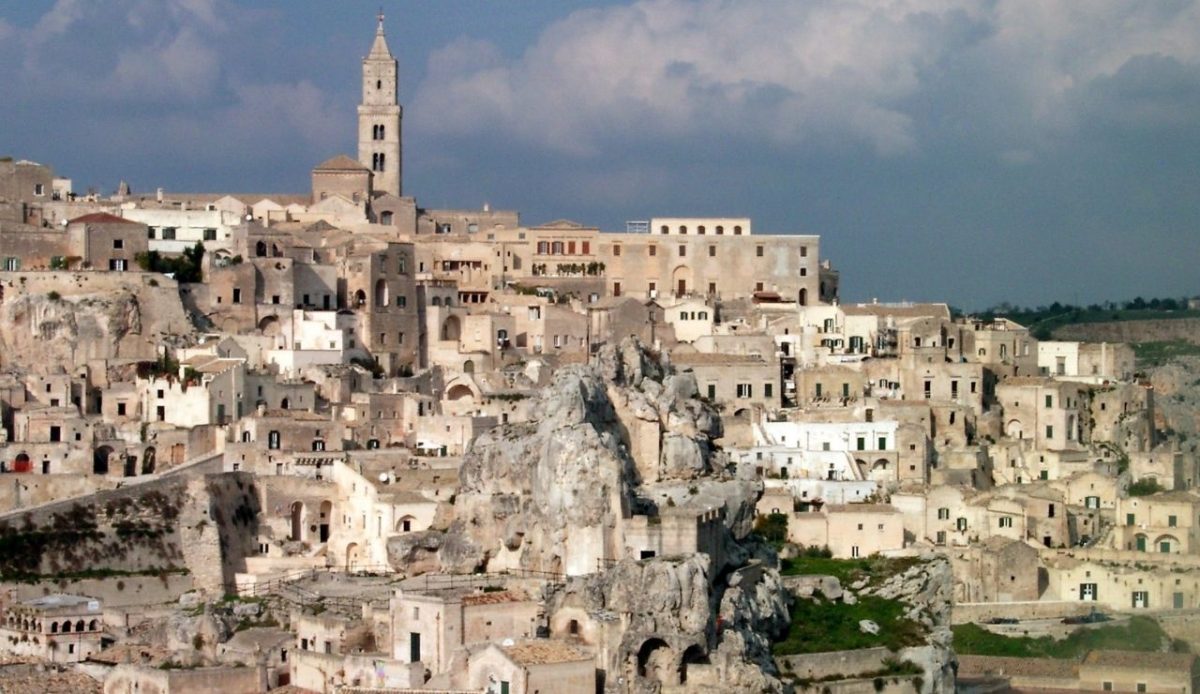
Matera’s Sassi are rock-cut neighborhoods where homes, cisterns, and churches were carved into limestone and used for generations. Because the spaces blend into the cliff, whole streets can be missed from above, which supports the sense of a concealed city. In the 1950s, many families were relocated due to severe living conditions, and large areas were left empty for years. That disruption is part of the record, not a rumor, and later restoration changed how the site was judged. Legends cluster around cave chapels, but the deeper story is how an urban system inside stone was abandoned and then revived.
7. Rosslyn Chapel, Midlothian, Scotland
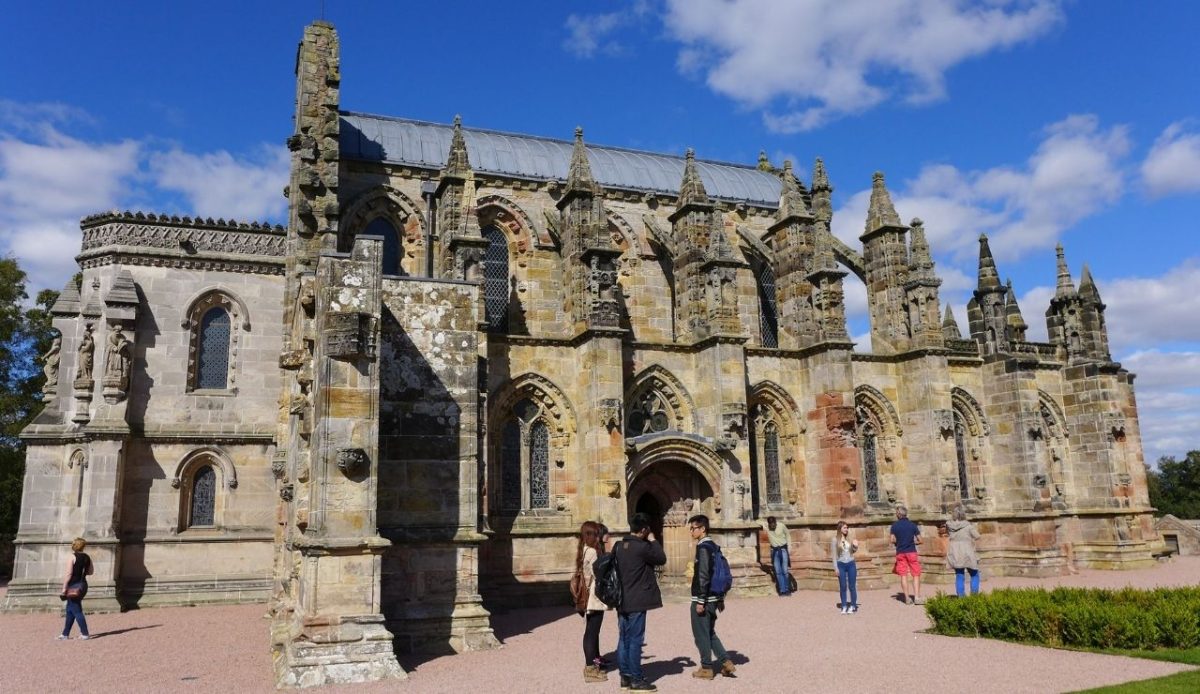
Rosslyn Chapel is linked to the Apprentice Pillar tale, which claims a master killed a younger carver out of jealousy after an outstanding column was completed. The story is repeated because the carvings look distinct, yet proof for the event is absent, so uncertainty is built in. More broadly, the chapel contains dense stone imagery that has not been conclusively explained, and some meanings may have been intended to remain private. Gaps in surviving documentation leave room for interpretation, and later theories were added. A real structure with unclear symbolism keeps legend and history entangled.
8. Carnac Megaliths, Brittany, France
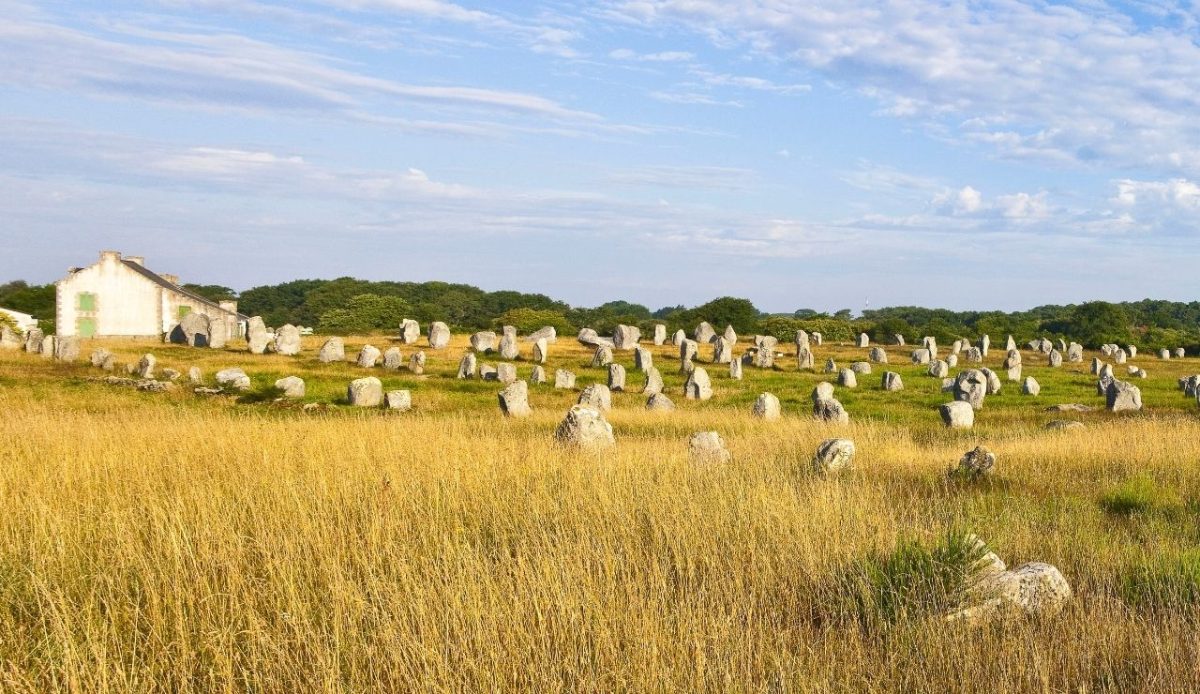
Carnac in Brittany holds vast lines of standing stones whose purpose is still debated, despite clear evidence that the alignments were planned and constructed in the Neolithic period. Local tradition says soldiers were turned to stone, offering an origin story that explains the ranks and repetition. Archaeological work has mapped the scale and sequence across the landscape, yet a single accepted function has not been established. Because intent was never written down, explanation has been supplied by legend, ritual guesses, and competing models. The hidden history is not underground, but in the missing meaning.
