
Colonial power was managed from European cities that handled trade records, shipping, taxation, and political control. These places developed ports, archives, banks, and institutions to run overseas rule and extract wealth. Many of those structures remain active or preserved today, influencing how history is interpreted in public life. This list focuses on cities with specific, accessible markers that document direct involvement in colonial governance, trade, or slavery, not vague influence alone. Each section points to a concrete site that can be verified on location.
1. London, United Kingdom
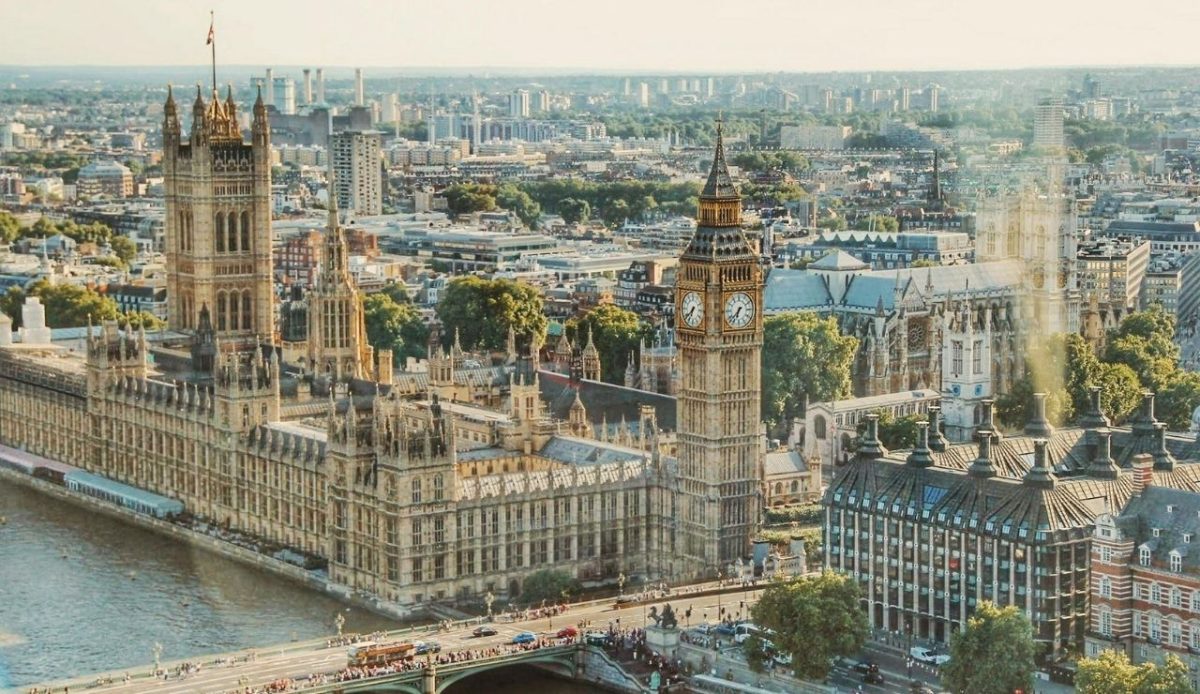
London’s Docklands show how imperial commerce was routed through the capital. The West India Docks were built to handle cargoes such as sugar and rum produced on Caribbean plantations worked by enslaved people. That infrastructure affected customs practice, shipping finance, and warehouse labor across the Thames. Today, the Museum of London Docklands interprets this history inside a former dock warehouse, linking the built environment to slavery, trade, and the city’s growth. Redeveloped blocks keep dock walls and quay lines in place, so the outline of the port system can still be traced during a normal walk.
2. Lisbon, Portugal
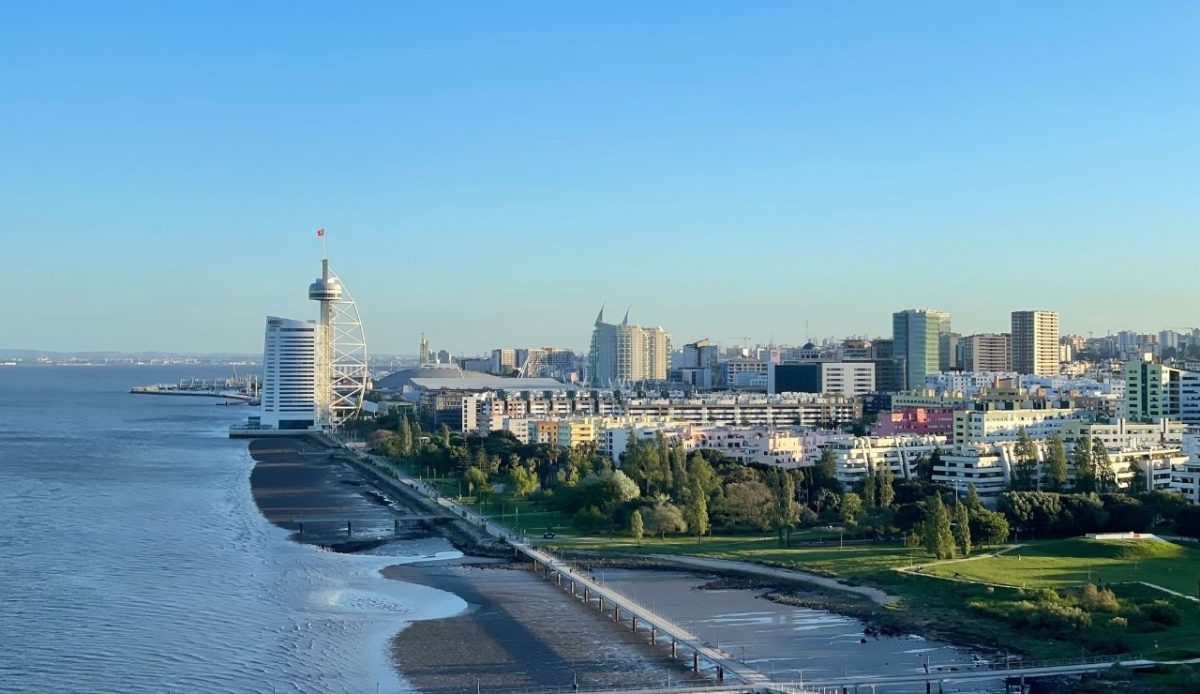
Lisbon is marked by imperial memory concentrated in Belém, where state monuments present Portugal’s era of overseas expansion. The Monument of the Discoveries was erected to commemorate voyages that opened routes to Africa, Asia, and Brazil, and it remains a major civic landmark. Nearby heritage sites in Belém are often framed through the same narrative of maritime reach. The district’s planning keeps the empire’s history visible in public space and tourism messaging. Because it was built in the twentieth century, the monument also shows how later governments curated that past, which is now debated in the media and education.
3. Amsterdam, Netherlands
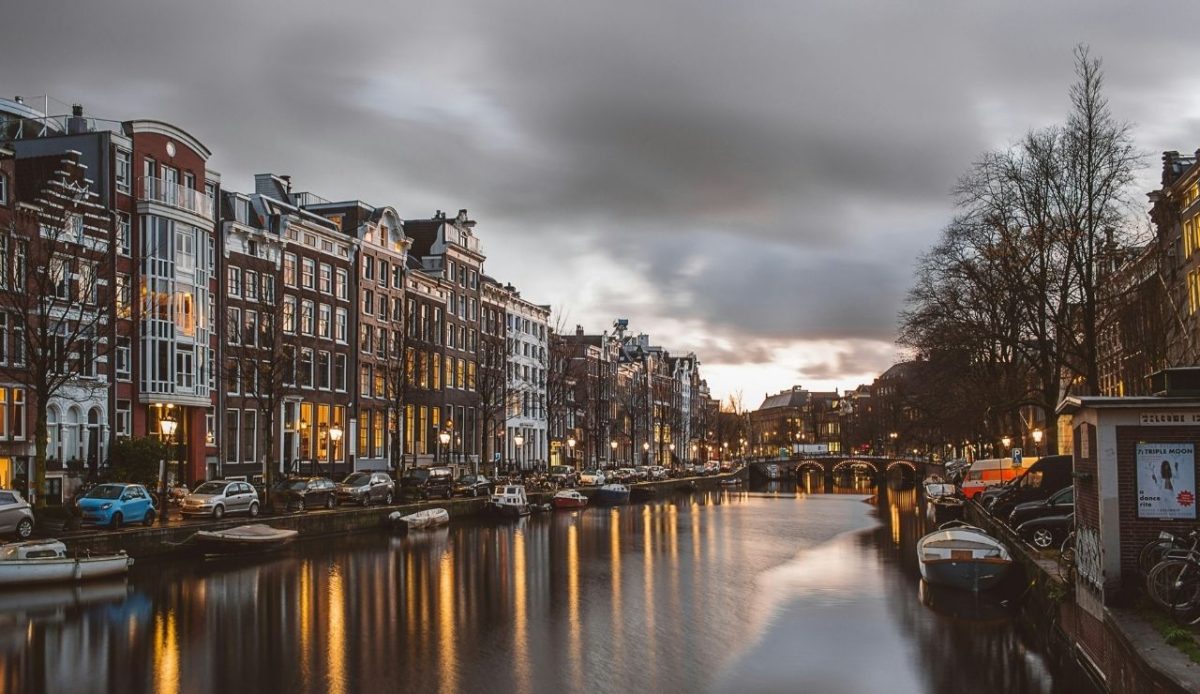
Amsterdam’s canal era prosperity was tied to colonial trade organized by chartered companies. The Dutch East India Company operated as a corporate state in parts of Asia, controlling forts, courts, and shipping while sending profits back to investors in the city. Many merchant houses and warehouses grew from that flow of capital. Het Scheepvaartmuseum presents the VOC story through collections that address expansion, conflict, and commerce. The city’s built heritage and museum interpretation keep this connection in view. Newer exhibits add context on coercion and forced labor behind supply chains, keeping debate active.
4. Brussels, Belgium
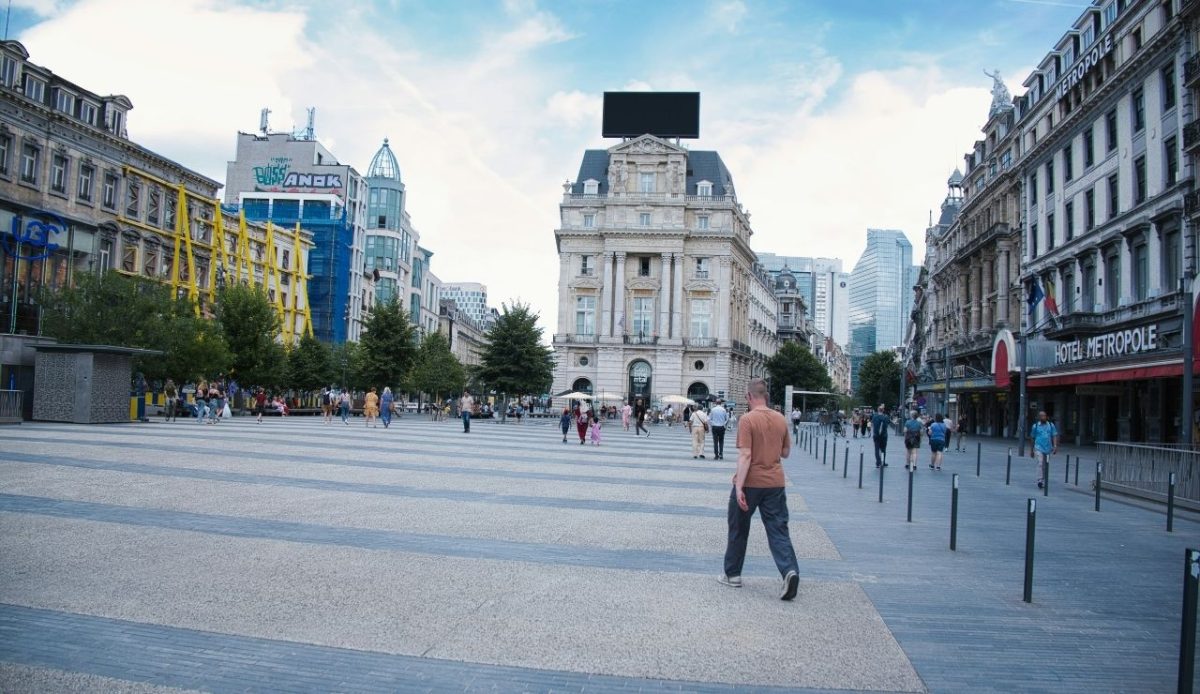
Brussels is linked to Belgium’s colonial rule in Central Africa, most clearly through the AfricaMuseum in nearby Tervuren. The institution grew from displays that promoted the Congo project under King Leopold II and later Belgian administration. Its building, collections, and founding purpose make colonial extraction part of the region’s material record. Contemporary galleries address violence, racism, and looted objects while explaining how the museum itself was used to legitimize the empire. That continuity keeps colonial history present in public life. Debates over Leopold II memorials in the capital reinforce why the Tervuren site matters today.
5. Nantes, France
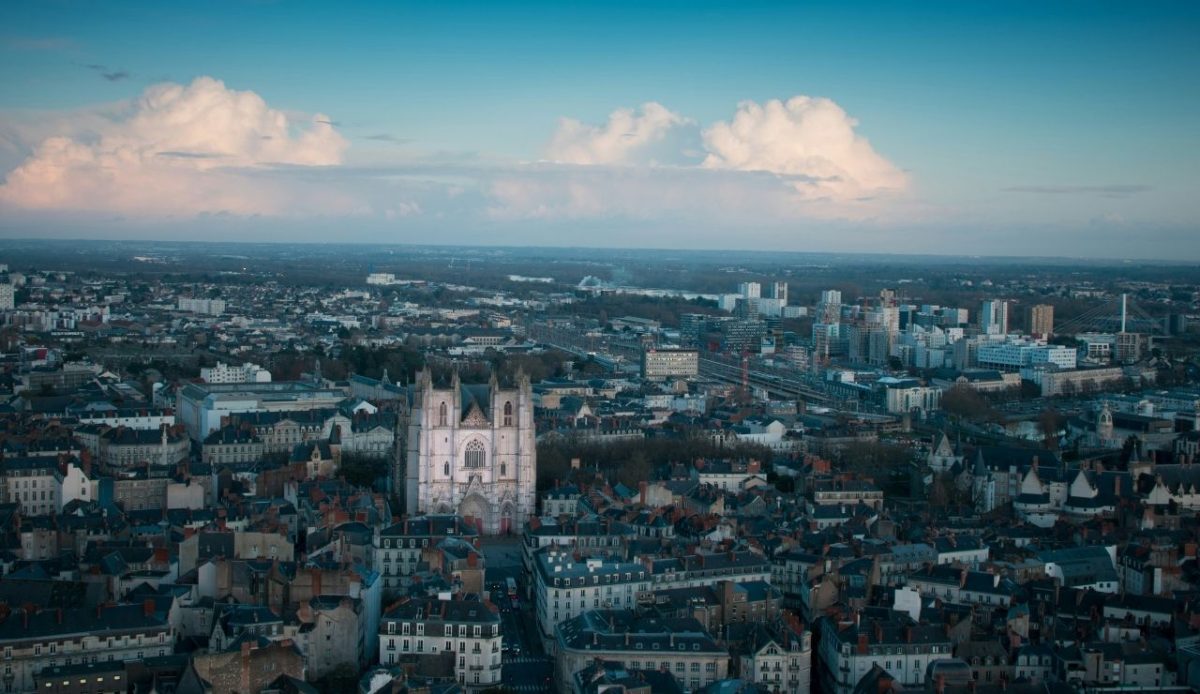
Nantes is one of Europe’s best-documented examples of a city built up through the Atlantic slave trade. In the eighteenth century, local firms financed voyages that carried goods to West Africa and transported enslaved people to French Caribbean colonies. The Memorial to the Abolition of Slavery on the Loire confronts this record through a permanent public installation that names voyages and explains legal milestones. Its location on the riverfront ties commemoration to the working port history that made Nantes wealthy. City museums and archives back the memorial with original documents, making the city’s role hard to dismiss.
6. Bordeaux, France
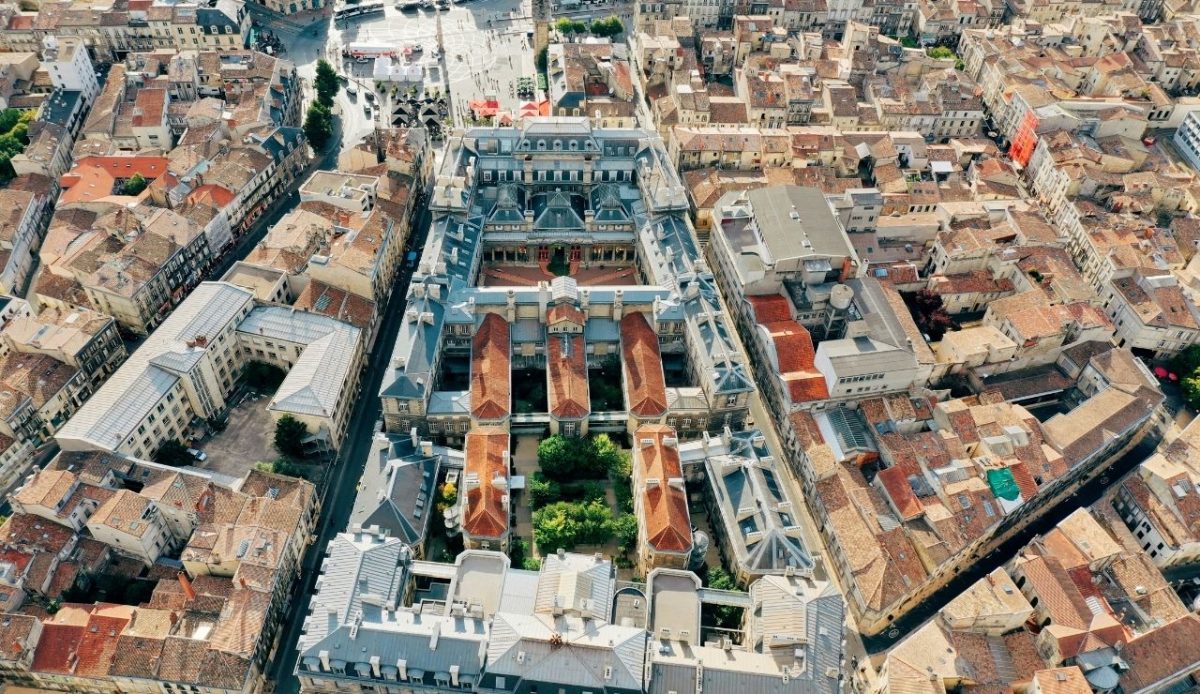
Bordeaux’s eighteenth-century boom depended on Atlantic routes tied to colonial plantations and slavery. Sugar, coffee, and other goods moved through the port, enriching merchants and financing grand construction across the city. The Museum of Aquitaine maintains permanent galleries on the slave trade and Bordeaux’s connections to colonial commerce, using ship records and local biographies to show how profits circulated. By placing this content in the main city history museum, Bordeaux keeps colonial history in a central civic setting rather than a niche display. Walking routes now highlight this past for residents.
7. Copenhagen, Denmark
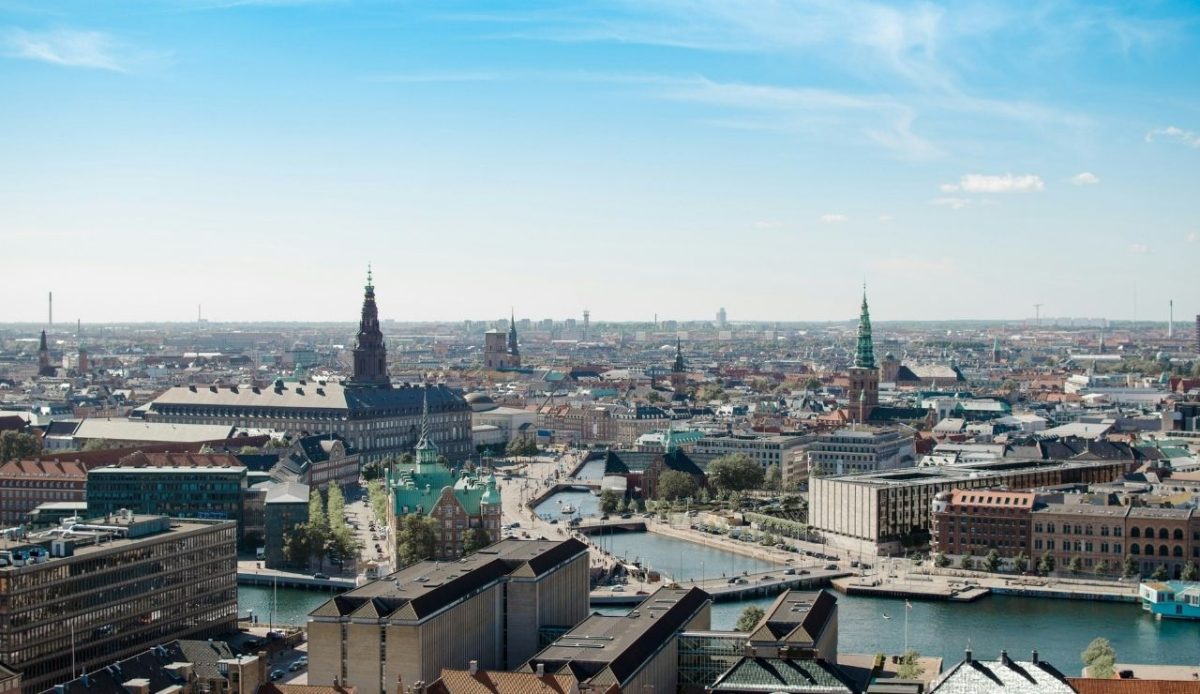
Copenhagen still contains structures tied to Denmark’s overseas colonies and the trade that supported them. The Vestindisk Pakhus warehouse was built for cargo from the Danish West Indies, including sugar produced under slavery. Its survival along the harbor links the city’s waterfront to Caribbean exploitation. The National Museum’s work on colonial history also traces governance and commerce connecting Denmark to the Caribbean, West Africa, India, and Greenland. Together, these sites show that colonial administration was coordinated from the capital. The warehouse’s continued use for culture makes the link visible to modern audiences.
8. Seville, Spain
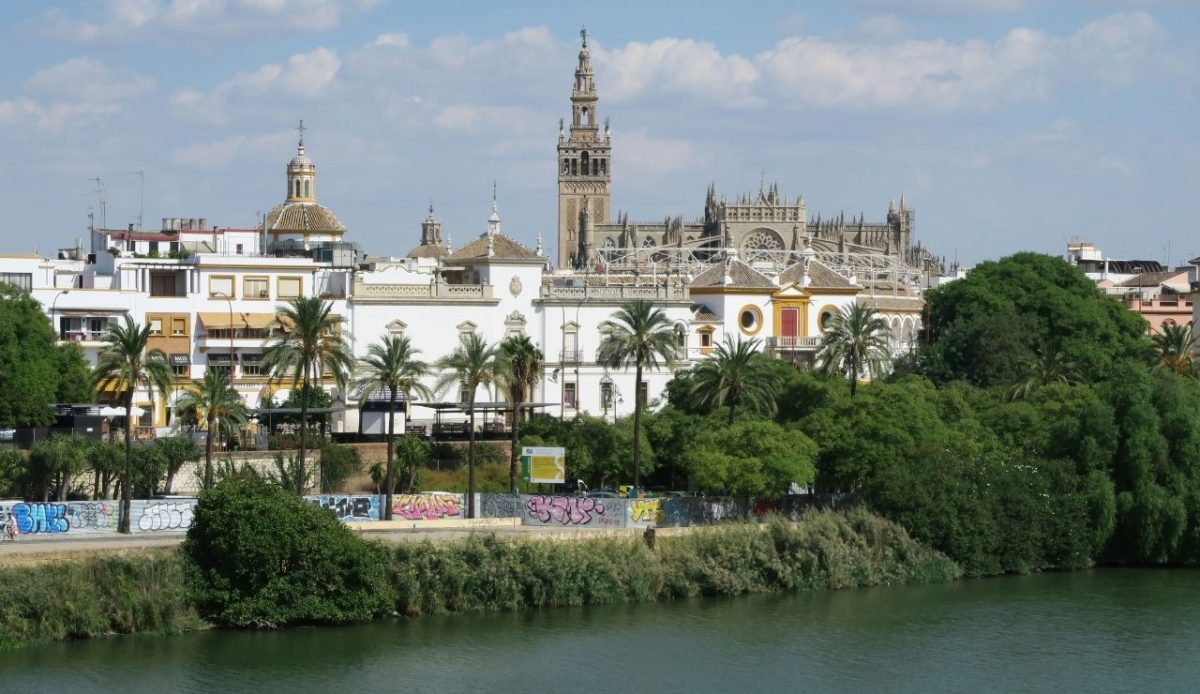
Seville was a core administrative node for Spain’s overseas empire, and that role remains tangible through the Archivo General de Indias. The archive preserves state papers on colonial governance, trade regulation, taxation, and court cases across the Americas and Asia. Because the records were centralized, Seville became a place where imperial decisions were documented and enforced. Researchers still use the collection to trace how colonial systems operated in practice, from shipping permissions to labor disputes. The archive keeps the city connected to colonial history through living documentation.
