
Europe trips in 2026 introduce concrete rule changes that affect entry checks, trip length, and total costs. The biggest shift is that Schengen arrivals will be logged digitally and linked to biometrics, while a separate online authorization is scheduled to start later in the year. Outside Schengen, the United Kingdom tightens its own ETA rule, and some destinations raise taxes that show up on final bills. Planning now means checking requirements early, building extra airport time, and budgeting for fees collected per traveler.
1. Schengen Entry Exit System Fully Enforced in April 2026
From April 10, 2026, the Schengen Entry Exit System moves from phased rollout to full use at external borders. Non-EU short-stay visitors will be checked through the system at airports, seaports, and land crossings, replacing many manual steps. Because lanes and kiosks are still being optimized, the first busy weeks may involve longer queues, especially at large hubs that handle many intercontinental arrivals. Arriving earlier and avoiding tight connections reduces risk. Carriers may also adjust boarding checks as border rules tighten, so keep itinerary details consistent with your passport data.
2. Passport Stamping Replaced by Digital Travel Records

With full EES use, passport stamps stop being the primary proof of when a visitor entered or left Schengen. Instead, each crossing is recorded electronically with time, place, and identity confirmation, creating a searchable travel trail. That matters when an officer reviews how often someone returns or when a traveler needs to show compliance after a lost passport. Keep boarding passes or hotel invoices as backups, since the ink trail that many travelers relied on will no longer appear. It also means fewer blank pages are used, but it becomes harder to spot a date error by eye while planning the next trip.
3. Biometric Collection Required for First EES Entry

After April 2026, many first-time EES users will be enrolled with fingerprints and a facial image at the border. This step links the traveler to the digital file so later crossings can be matched quickly, even if a name is common. Enrollment can take several minutes per person, which adds up for families and tour groups arriving on the same flight. If you travel with kids, check age rules for fingerprinting and bring any required consent paperwork for minors. Expect instructions to use kiosks or staffed desks, depending on the airport. Clean, dry hands and an uncovered face help the capture succeed on the first try.
4. Automated 90 In 180 Day Stay Tracking

The 90 days in any 180-day Schengen limit is not new, but in 2026 it will be enforced with automated counting from EES records. Because entries and exits are logged precisely, overstay detection becomes faster, and disputes become rarer. Travelers who split time between Europe and nearby regions such as the Balkans or North Africa should map dates before booking. A single extra night can trigger refusal at the next border or complications when applying for a longer stay permit later. This also affects cruise itineraries and same-day cross-border excursions, since each movement can be captured and used in the calculation.
5. ETIAS Launch Scheduled for Late 2026
The EU plans to start ETIAS operations in the last quarter of 2026, adding an online travel authorization for many visa-free visitors. Approval is expected to be checked by airlines before departure, so it becomes part of trip preparation, like a boarding pass check. Apply well ahead of travel because applications can be routed for extra screening, and a pending status can block boarding. If you hold dual citizenship, use the same passport for the application and the trip to avoid a mismatch. ETIAS is intended to cover the Schengen area plus a few associated states, so one approval can matter across a multi-country route.
6. ETIAS Fee Set At 20 Euros
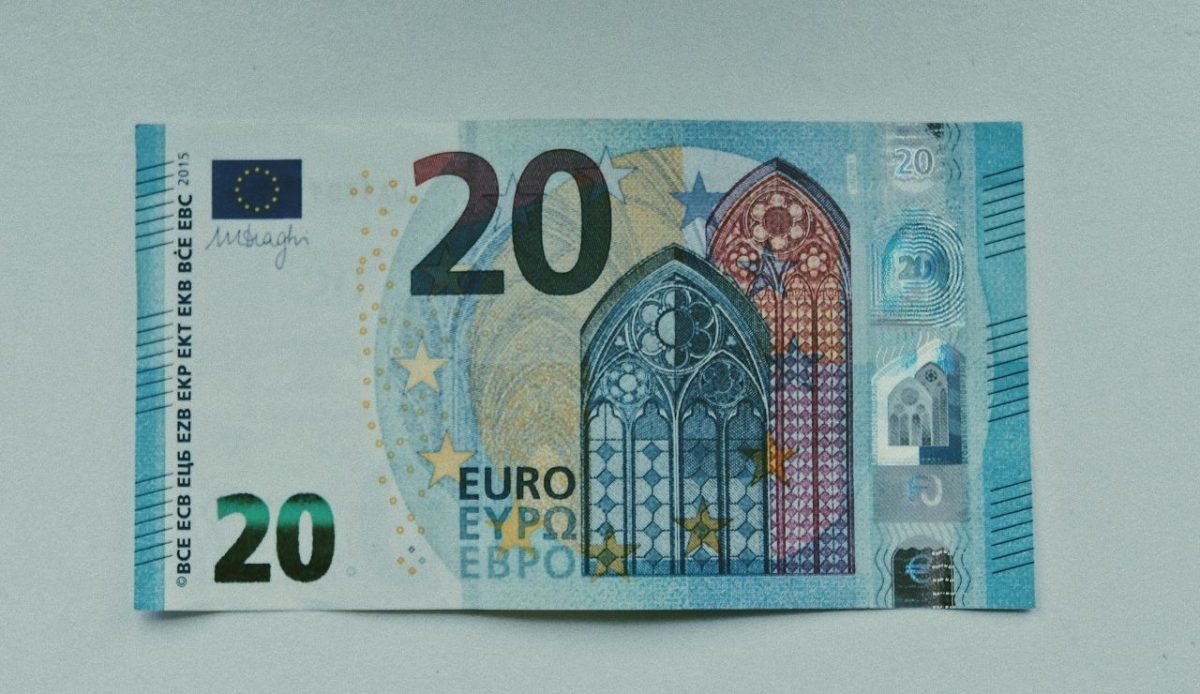
When ETIAS goes live, most adult applicants will pay a 20 euro fee, separate from airline tickets and lodging deposits. Even though the amount is modest, it changes the math for families, school trips, and frequent flyers who rotate weekend breaks. Set reminders to apply early so the payment step is completed before prices are locked for flights. Travelers who qualify for exemptions should still submit the form, since an approved record will be required at check-in. Keep the confirmation number stored offline, and save a screenshot in case a phone has no signal at the airport. A printed copy can help during a disruption.
7. UK ETA Required From February 2026

If your European itinerary includes the United Kingdom, the UK ETA becomes a practical gatekeeper in 2026. From February 25, 2026, many visa-free visitors must hold an approved ETA before they travel, and carriers can deny boarding without it. Because the UK is outside Schengen, this authorization is separate from ETIAS and must be handled on its own timeline. For trips that connect through London, confirm whether a short transit still requires the ETA for your nationality. Use the passport you will present at the border, and do not assume an older approval covers a new passport number after renewal.
8. Netherlands Accommodation Tax Increase Hits 2026 Stays
The Netherlands changes the cost side of travel in 2026 by raising VAT on short-stay accommodation to 21 percent from the reduced rate used before. Hotels, hostels, holiday parks, and many similar stays can end up higher once taxes are applied, even if the base nightly price looks familiar. Some booking sites show taxes later in the checkout path, so compare final totals rather than headline rates. If you travel for events, expect group budgets to stretch in Amsterdam, Rotterdam, and smaller cities alike. Keep itemized receipts, since the higher tax line may be needed for reimbursement or to explain price jumps.
