
Travelers often guess drug rules from headlines, then get surprised on arrival. Some places keep possession illegal, yet route small cases into civil fines or counseling, while others permit limited cannabis use under strict limits. The gap between what is written and what is enforced matters most in public spaces, at borders, and behind the wheel. This overview highlights destinations where the law is commonly perceived as harsher than it is, and explains the practical boundaries visitors must respect. Even where rules feel relaxed, sale, import, export, and impaired driving can bring penalties. Check local guidance before any decision.
1. Portugal
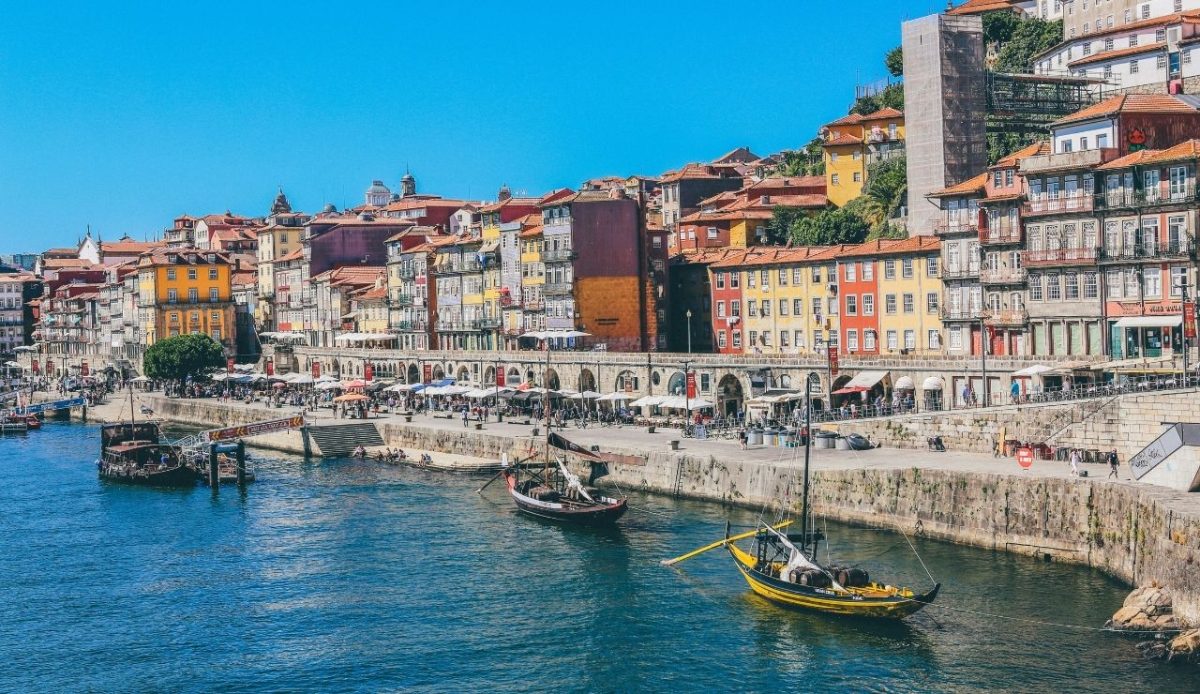
Portugal decriminalized personal possession in 2001, but drugs were not made legal. If a small amount for personal use is found, the case is usually handled outside criminal court and may be sent to a dissuasion commission. Warnings, referrals, or administrative penalties can be used, and jail is not the typical outcome for low-level possession. Tourists can still be detained, and trafficking, repeated problems, or disruptive conduct can trigger prosecution. Quantity limits matter, and larger amounts can be treated as an intent to supply. Public use can still bring police contact. Carrying drugs through airports or across borders is prosecuted.
2. Netherlands
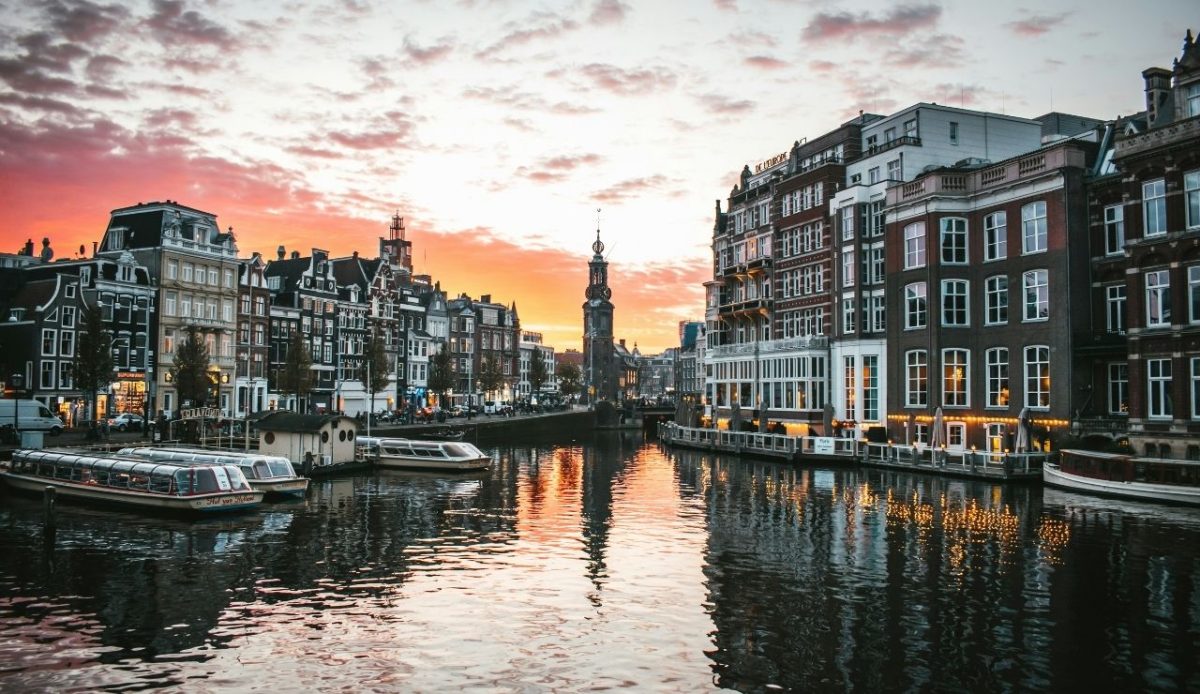
In the Netherlands, cannabis remains illegal in statute, yet retail sale in licensed coffeeshops is tolerated under strict conditions. Visitors are often surprised that small purchases can be made openly, while street dealing is targeted. Rules cover how much can be sold at once and how shops must prevent nuisance, so behavior near schools and neighborhoods is watched closely. Possession beyond local limits, carrying products into other countries, or driving after use can bring rapid penalties. City policies vary, and some towns restrict tourist access. Supply rules differ from shop sales, so enforcement can feel inconsistent.
3. Spain
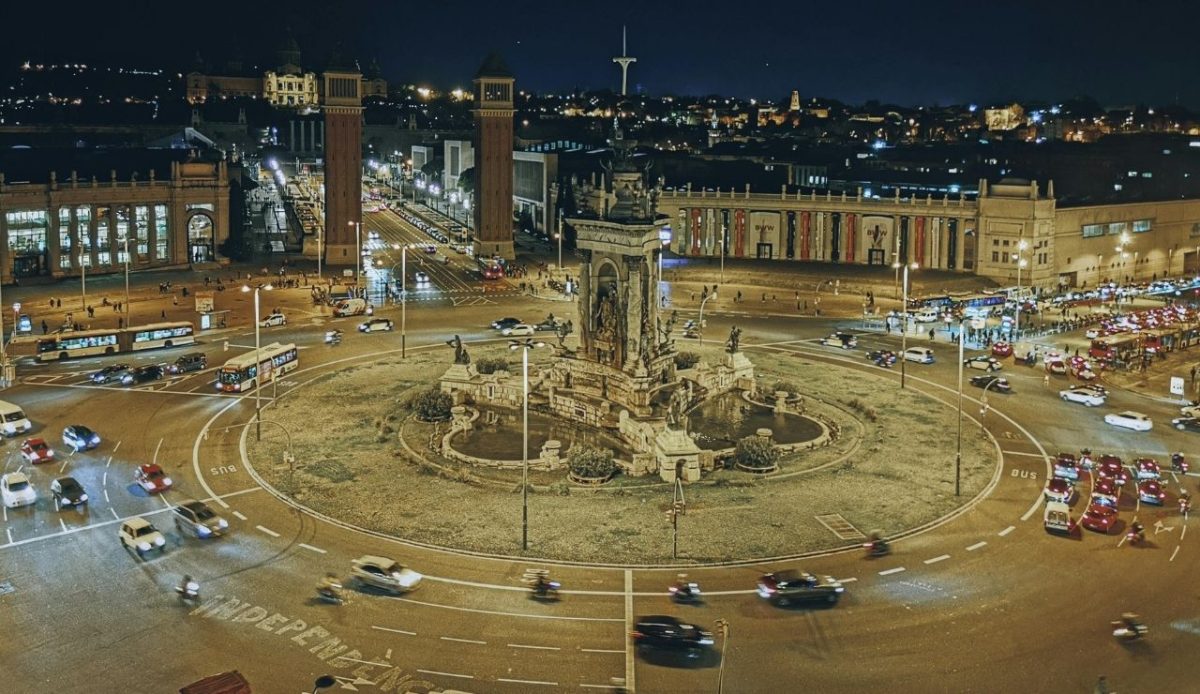
Spain is often perceived as strict, yet a key divide is private versus public conduct. Personal consumption and small-scale cultivation in a private setting have often been treated as non-criminal, while use or possession in public can be fined. That split helped member-based cannabis clubs operate in some areas, though rules and court decisions have shifted by region. Travelers who smoke on streets, beaches, or outside venues may face tickets, and repeated nuisance can escalate outcomes. Police discretion is common, and ID may be requested. Club entry is not assured, and street purchases can trigger scrutiny.
4. Germany
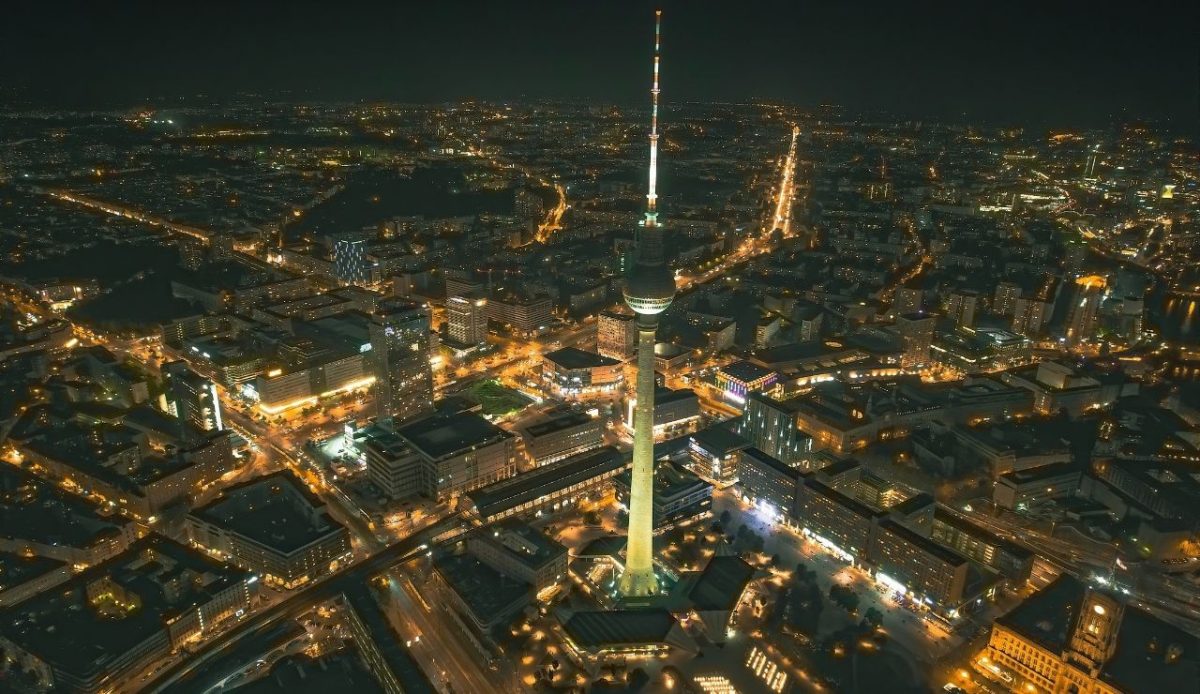
Germany changed expectations in 2024 by allowing adult cannabis possession and home growing within defined limits. For travelers, the surprise is that legalization is paired with detailed rules on quantities and where consumption is allowed. Distance limits near schools and youth facilities may apply, and local rules can add further constraints. Commercial retail is not the default model, and impaired driving remains a major focus, with tests and penalties used aggressively. Nonprofit clubs serve residents, so visitors should not expect access. Taking cannabis across borders is treated as smuggling even if it was obtained legally in Germany.
5. Malta
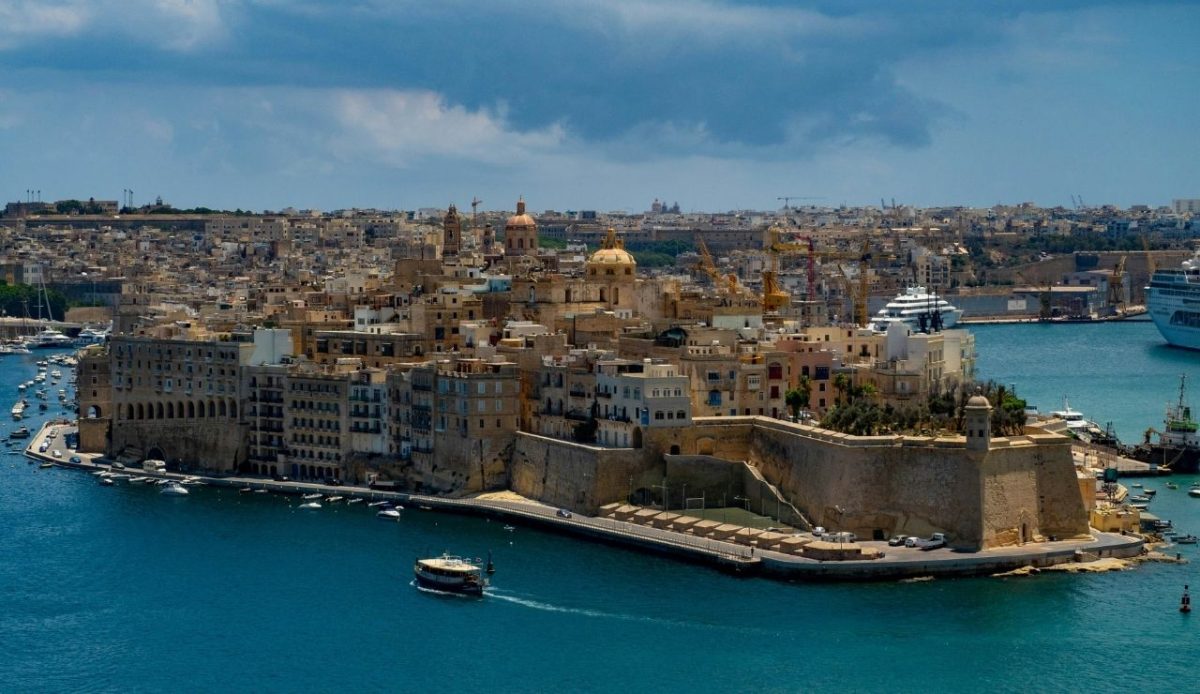
Malta legalized limited personal cannabis possession and home cultivation for adults under a regulated framework. Small amounts can be held for personal use, and nonprofit associations can distribute to members, which surprises travelers who expect blanket bans in the EU. At the same time, public consumption is restricted, and fines can be issued in shared places, so discretion remains important. Tourists should remember that import and export are still criminal matters, and landlords or hotels may enforce their own bans. Enforcement focuses on sales outside the system and minors, so using near schools can bring fast action.
6. Canada
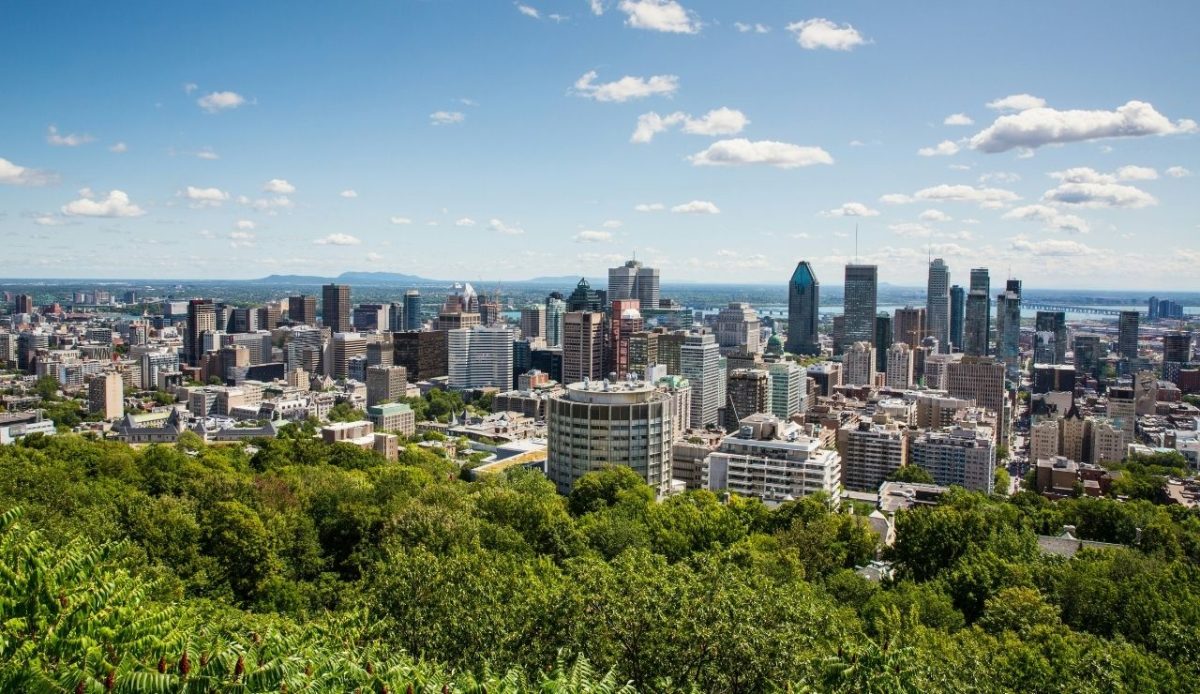
Canada legalized recreational cannabis nationwide in 2018, but rules are set locally and can surprise visitors. Adults may possess limited amounts and buy only from licensed shops, yet provinces control age limits, store access, and where use is permitted. Some cities restrict consumption to private homes, while others allow certain outdoor areas. Hotels and short-term rentals may ban smoking or vaping on site, even on balconies. Driving after use is targeted, and roadside screening is used. Crossing international borders with cannabis is still treated as a serious offense, even if it was purchased legally.
7. Jamaica
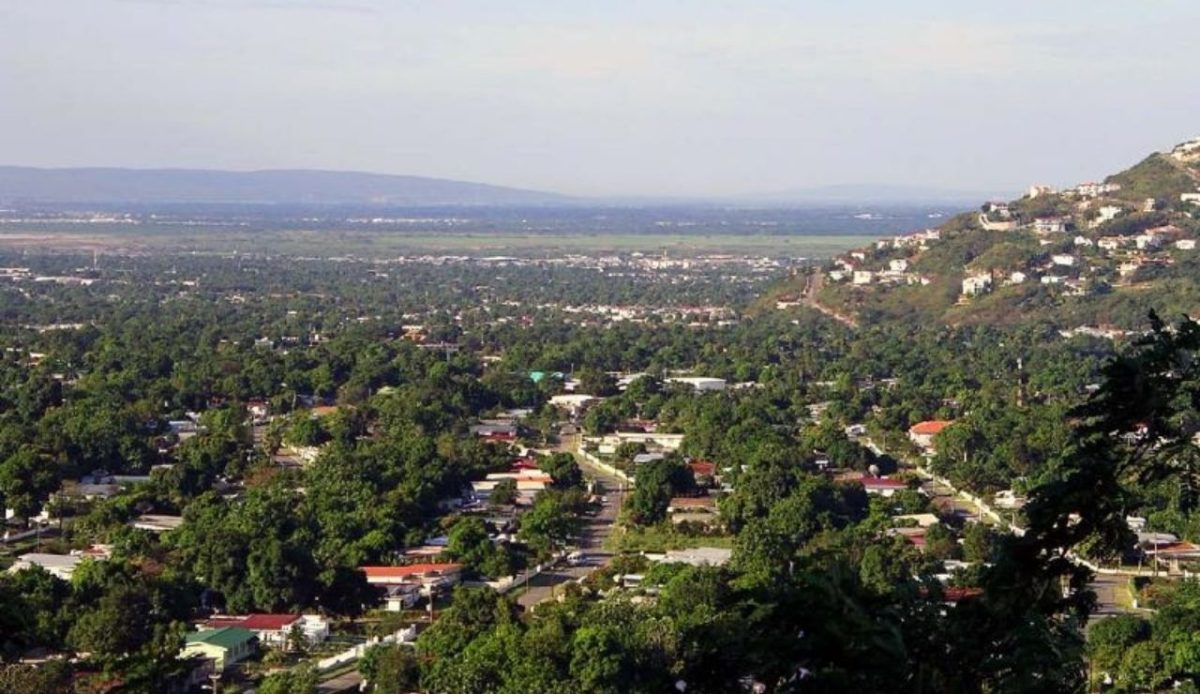
Jamaica is linked to cannabis culture, so the law can feel looser than many travelers expect. Small possession has been decriminalized and is often handled with a ticket rather than an arrest, and a criminal record is usually avoided at that low level. The limit matters, and larger amounts can be prosecuted. Public smoking on streets or beaches can still draw fines or police attention, especially if complaints are made. Private venues may set their own bans, and religious use has specific protections that do not cover tourists. Unlicensed sales remain illegal, and airport possession is treated far more strictly than casual visitors assume.
8. Czech Republic
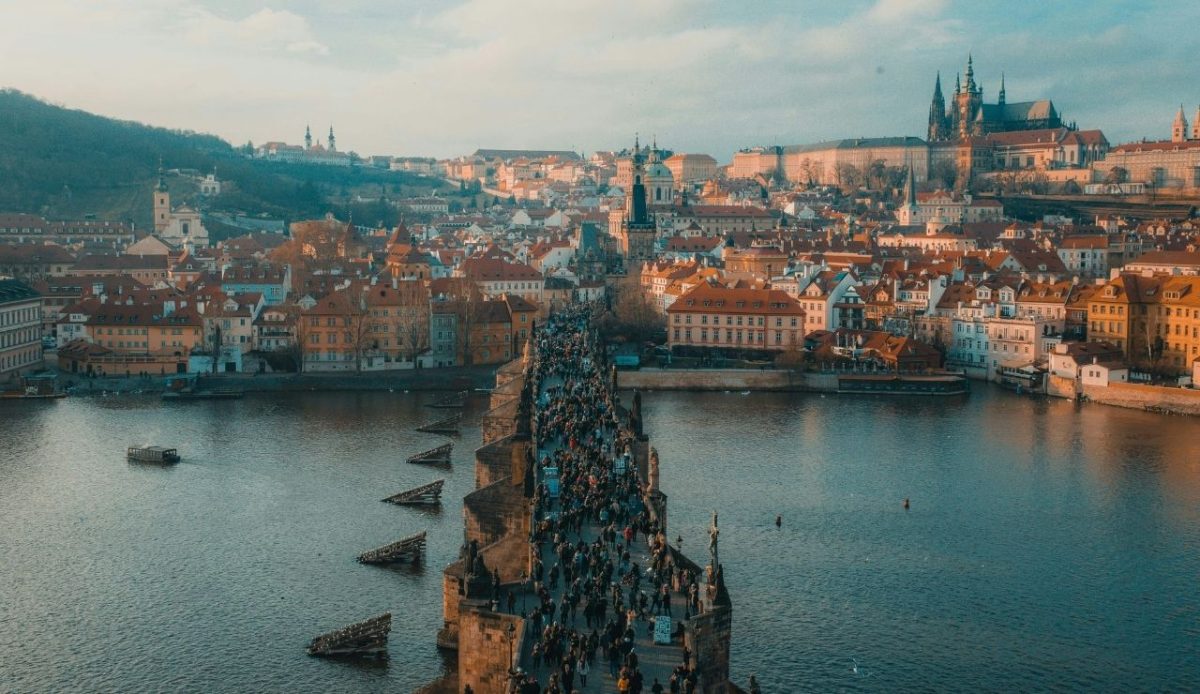
In the Czech Republic, minor drug possession is commonly treated as an administrative matter rather than a criminal case. Defined thresholds guide enforcement, so small amounts for personal use may lead to a fine instead of arrest. That approach surprises visitors who expect tough Central European policing. Police attention is aimed at trafficking, production, and organized distribution, while individual users are less often prioritized. Outcomes can change if disorderly conduct is involved, if use occurs near schools, or if quantities suggest supply. Border crossings are treated harshly, even when local handling seems lenient.
