
Cruise lines sell cabin upgrades like they’re the difference between “fine” and “life-changing.” Frequent cruisers often see them as situational buys, not automatic wins, because ship cabins are mostly for sleeping, showering, and recharging between ports and onboard venues.
A pricey category bump can also stack costs beyond the fare, including higher deposits, gratuities on added perks, and sometimes stricter cancellation terms. That matters if your plan is to spend daylight on deck, in shows, or off the ship.
The smartest approach is matching the cabin to how you actually cruise: sea days versus port days, warm routes versus cold weather, and whether you’ll use private space enough to justify the jump.
1. Extended balcony upgrades
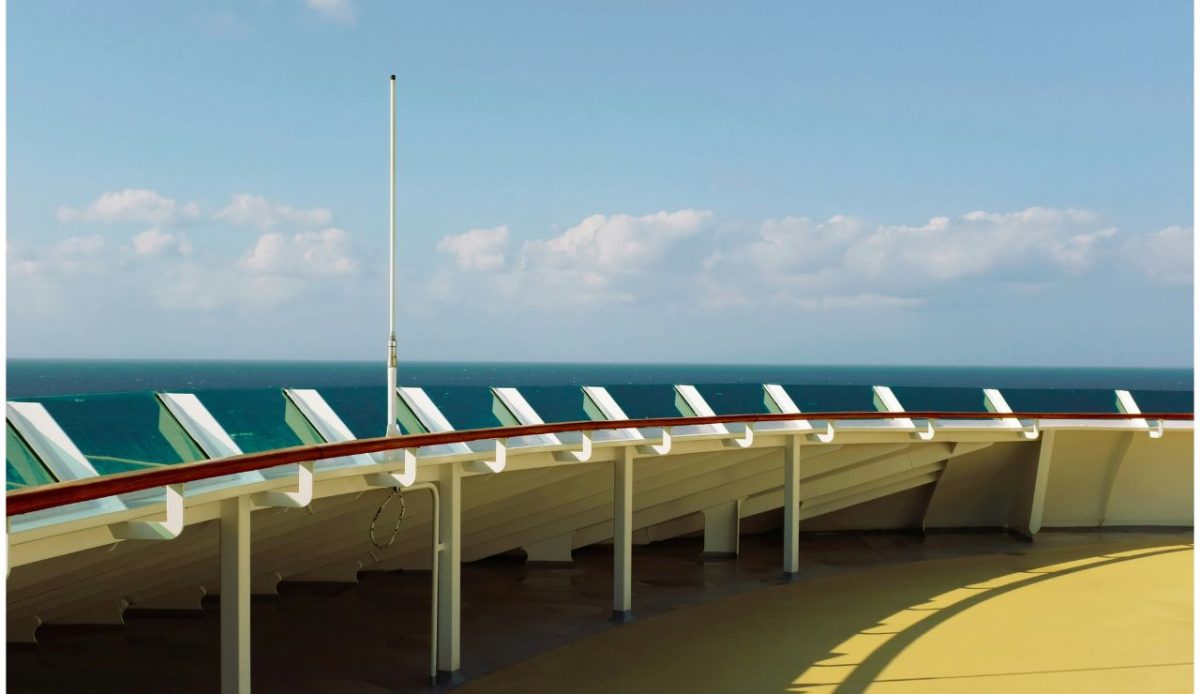
If you’re rarely in the room during the day, an “extended” balcony can be money tossed overboard. Many travelers grab coffee, then head to the promenade, pool deck, or a quiet lounge where seating, shade, and service are already included.
Balconies also change with the weather and speed. On cooler sailings, they stay unused, and on windy days, the door may whistle or the furniture feels like a prop, not a hangout spot. Even in warm climates, privacy can be limited when ships dock side by side.
A standard balcony or even an ocean view can cover the same needs: daylight, a quick breath of air, and a place to reset. If you want outdoor time, public decks deliver it without paying extra for square footage you won’t occupy.
2. Spa-category staterooms
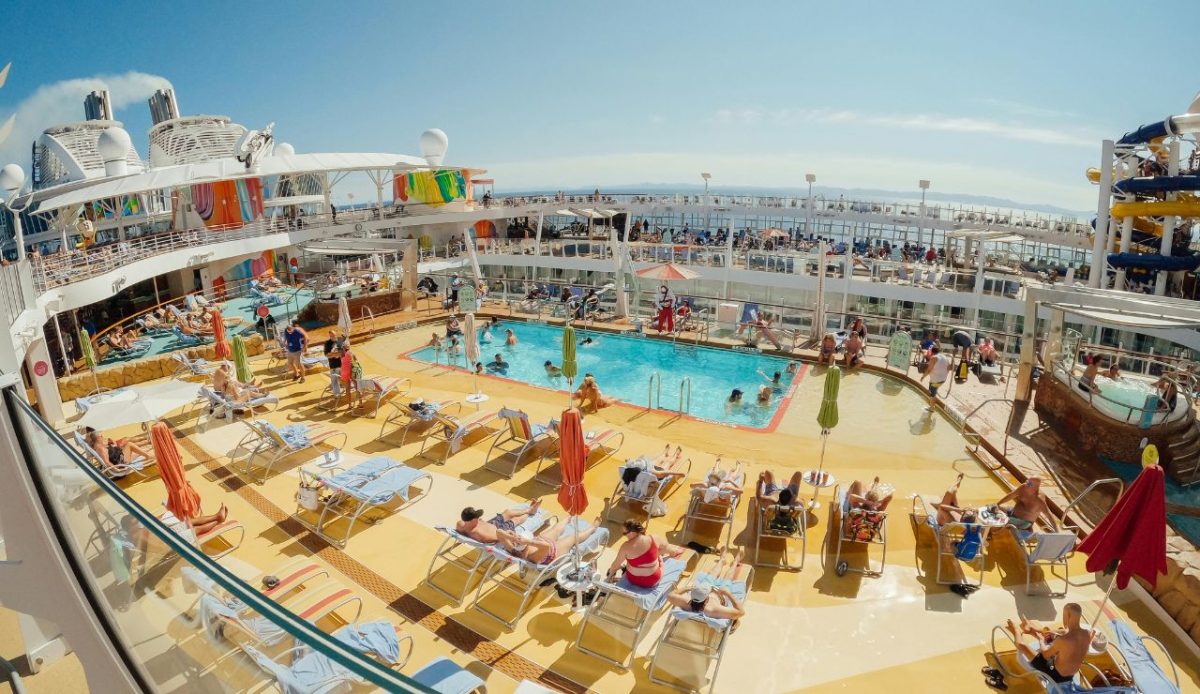
Spa-category cabins sound like a shortcut to relaxation, but the “spa” part is often an add-on you can purchase separately. Thermal suite passes, massages, and fitness classes are usually sold shipwide, so paying extra for the room category may duplicate what you’d buy anyway.
Location matters too. Some spa cabins sit near treatment areas, busy stairwells, or the gym, which can mean more hallway traffic than you expected for a “quiet” wing. On a full ship, that foot traffic can start early and run late.
Unless you plan to use the thermal areas daily, it’s often cheaper to book the cabin you want, then add a week pass only if the spa is truly a priority once you’re onboard and you like the facilities.
3. Mini-suite over a standard balcony
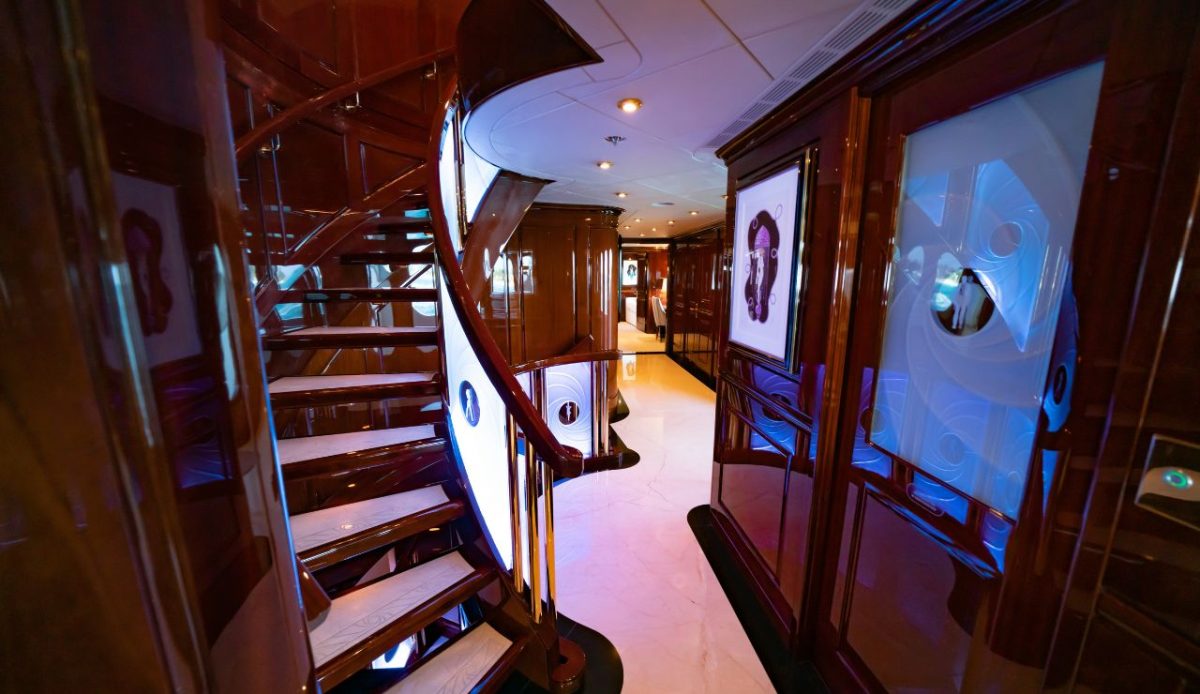
Upgrading from a standard balcony to a mini-suite can look like a clear step up, yet the functional difference is sometimes small. You may get a slightly larger sitting area, a better shower, or a bigger closet, but the bed and core layout can feel familiar.
Mini-suites also don’t always include the perks people assume, like priority dining, free laundry, specialty coffees, or a dedicated lounge. On some ships those benefits start only at full suite levels, and the “upgrade” is mostly décor.
If the price gap is steep, many repeat cruisers would rather spend that money on shore tours, specialty dining, or a nicer hotel pre-cruise. The extra cabin space matters most only on long voyages with multiple sea days.
4. Concierge or club-level cabins
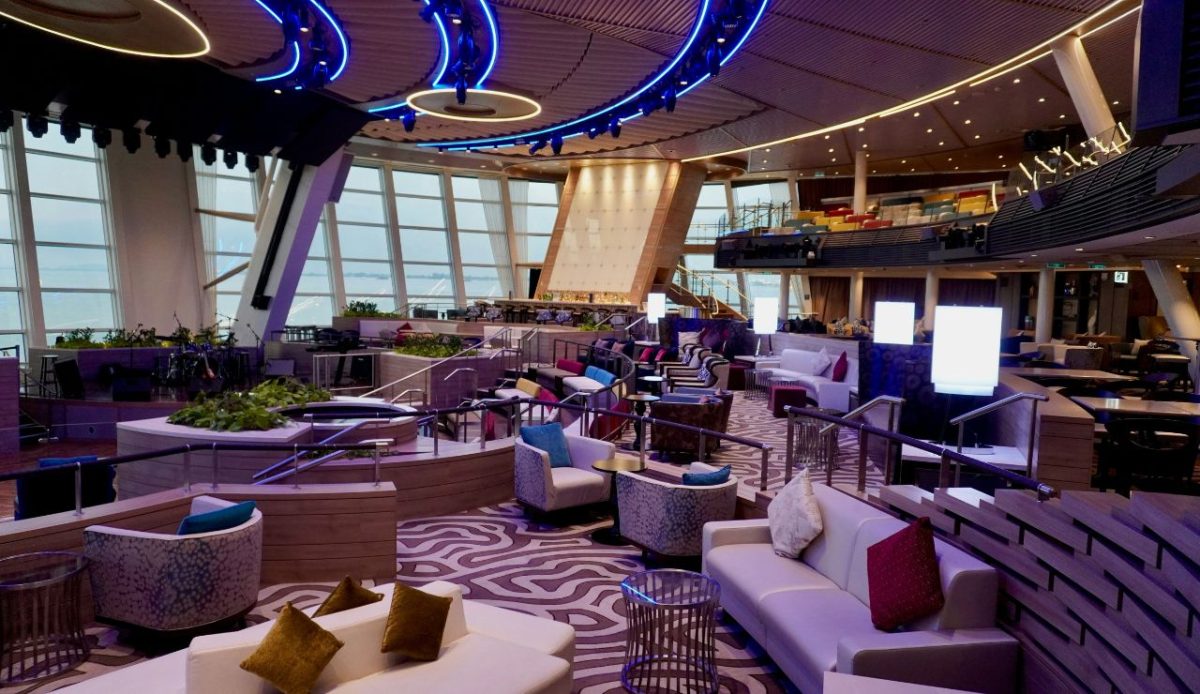
“Concierge” or “club” cabin classes bundle priority check-in, better dining access, and upgraded room service, but frequent travelers skip them when itineraries are port-heavy. If you’re off the ship early and back late, the lounge snacks, reserved seating, and hosted help don’t get much use.
Priority perks can also be diluted by crowd levels. When lots of guests have status tiers or paid packages, the “fast” line becomes a normal line with nicer signage, and the dedicated desk can still have a wait.
For many, a standard cabin plus smart planning, online check-in the minute it opens, early dining reservations, and choosing an embarkation window, delivers most of the same convenience. The savings can cover a solid excursion or two.
5. Aft or corner balcony “view” upgrades
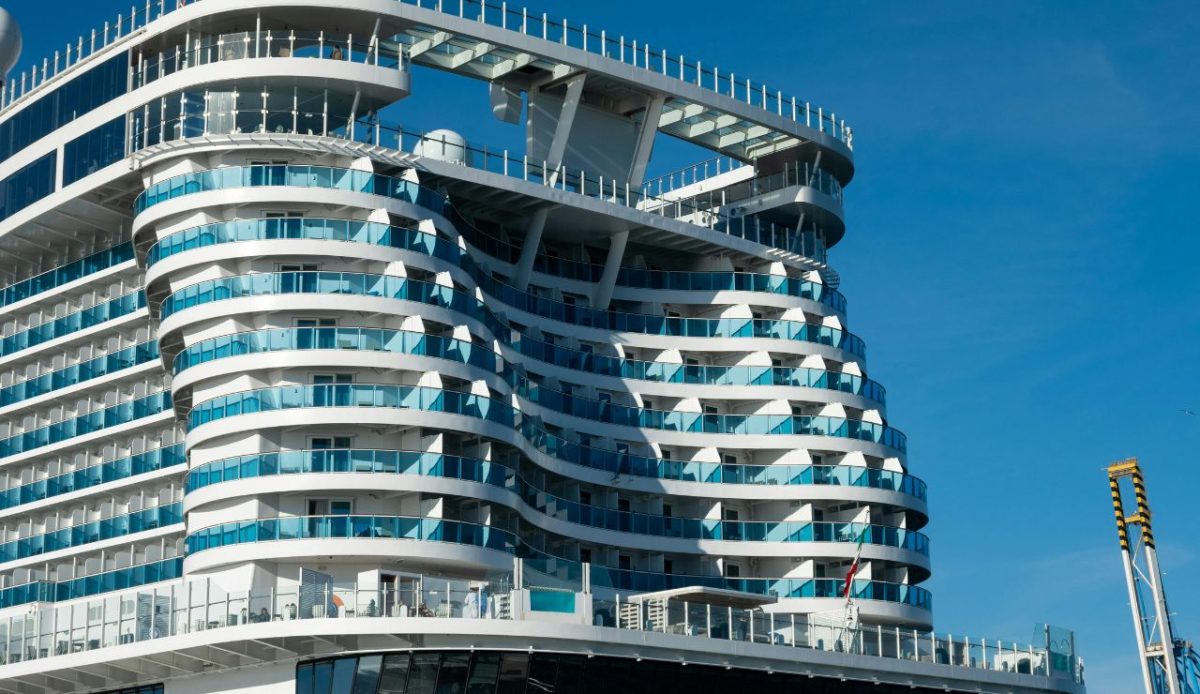
Aft or corner balconies are marketed as the “best view” upgrade, but they come with tradeoffs that seasoned cruisers factor in. Engine vibration, prop wash noise, and the wake’s constant roar can be noticeable, especially on older ships or at higher speeds.
There’s also the practical side: longer walks to elevators, more wind exposure, and sometimes soot that can land on balcony furniture depending on the ship’s design and conditions. If you like sleeping with the door cracked, that wind can be a dealbreaker.
If your goal is photos, you can usually get cleaner, wider angles from public decks. Paying extra makes sense only if you truly plan to sit there for hours and you’ve checked recent ship-specific reviews for noise and soot.
6. Highest-deck “prime level” locations
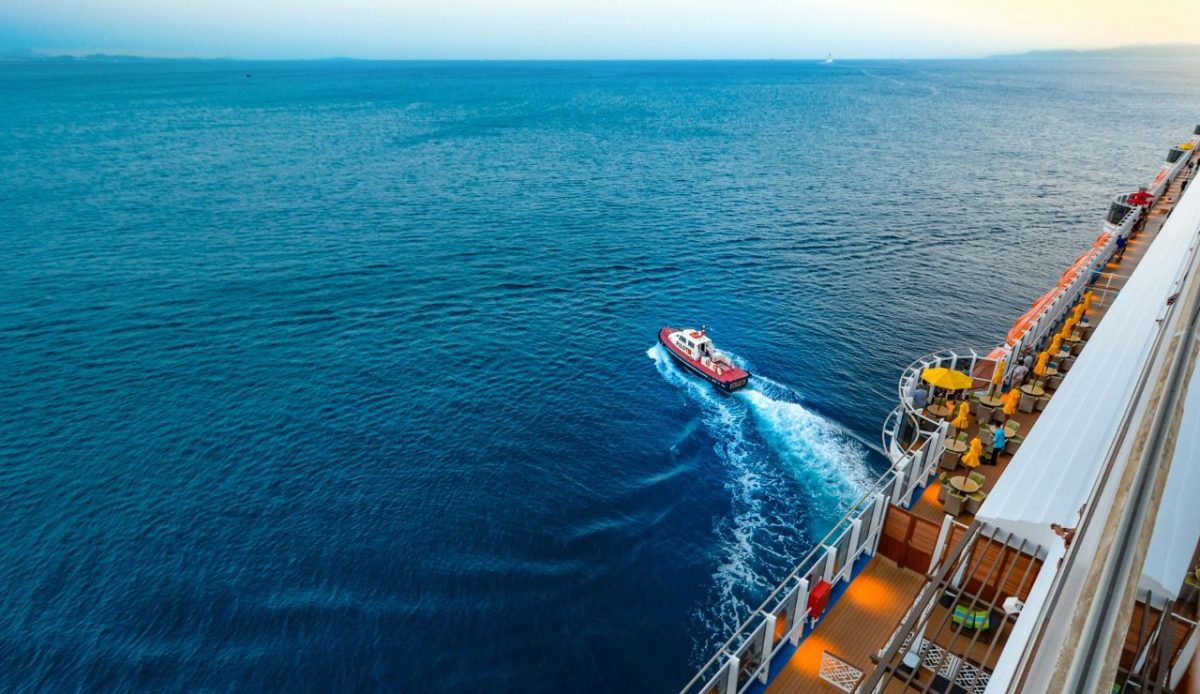
A “prime deck” upgrade to the highest levels can sound like more luxury, but it often means more friction. Upper decks can be hotter in the sun, noisier under pool areas, and packed with foot traffic during peak times, which is not ideal if you value sleep or mid-day naps.
Elevator queues are another surprise. On sea days, moving between dining, shows, and the cabin can take longer when everyone is hopping floors at once, and high decks are the last stops in many elevator patterns.
Mid-level decks near the ship’s core are frequently the easiest for everyday movement and stability. Many repeat cruisers prioritize a calm, convenient spot, away from late-night venues, over being as high as possible for a slightly bigger horizon line.
7. Paid cabin amenity bundles

Cabin “amenity bundles” like premium toiletries, robes, slippers, minibar credits, or a pillow menu are classic add-ons that look fancy in photos. In practice, experienced travelers skip them because the value is hard to feel once you unpack and start living on ship time.
You can bring your own preferred basics for less, and most lines will provide extra hangers, blankets, or ice on request without paying for a package. Minibar markups can be especially brutal.
If you want a comfort upgrade, targeted choices usually win: pack better earplugs, a small nightlight, and a refillable bottle, then spend the saved cash on one experience you’ll actually remember.
8. “Smart cabin” tech and upgraded in-room entertainment
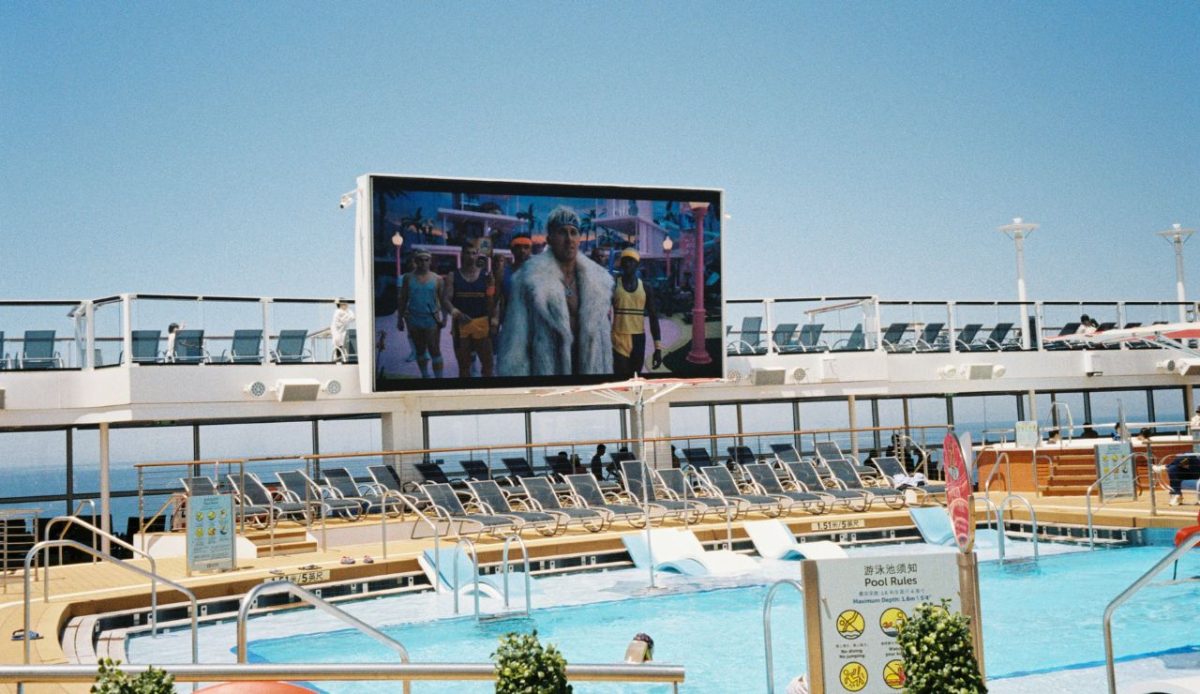
Some lines charge more for cabins with “smart” features or better in-room entertainment, but the experience is often limited by onboard networks and content rules. Streaming can be unreliable, screen mirroring may be blocked, and apps can change from ship to ship after updates.
Even when the tech works, you’re paying for something that competes with what’s already included: live music, shows, trivia, and ocean views you can’t replicate on a TV. A bigger screen doesn’t help if you’re only in the room to shower and sleep.
Frequent cruisers tend to prep instead of upgrading. Download movies, playlists, and maps before sailing, bring a compact power strip if allowed by the line, and treat the cabin as a quiet base, not a media room.
