
Several countries plan to update entry rules for U.S. passport holders in 2026, with most changes linked to Europe’s new border systems. These updates focus on improved screening, faster processing, and clearer travel records. The European Entry/Exit System will replace manual stamping with biometric checks, while ETIAS will introduce a quick digital authorization for short stays later in the year. Uzbekistan will bring a separate change by offering visa-free entry for Americans. These adjustments help travelers prepare for smoother and more transparent border procedures in 2026.
1. France

France will update how U.S. passport holders enter the country through new European border systems scheduled for 2026. Travelers will pass through the Entry/Exit System, which collects fingerprints and a facial image instead of relying on manual passport stamping. This process records each arrival and departure to improve tracking across the Schengen region. Later in 2026, France will require ETIAS approval for short stays. Travelers must submit basic details online before boarding, and the approval will link to the traveler’s passport. These changes improve security while keeping entry simple.
2. Italy
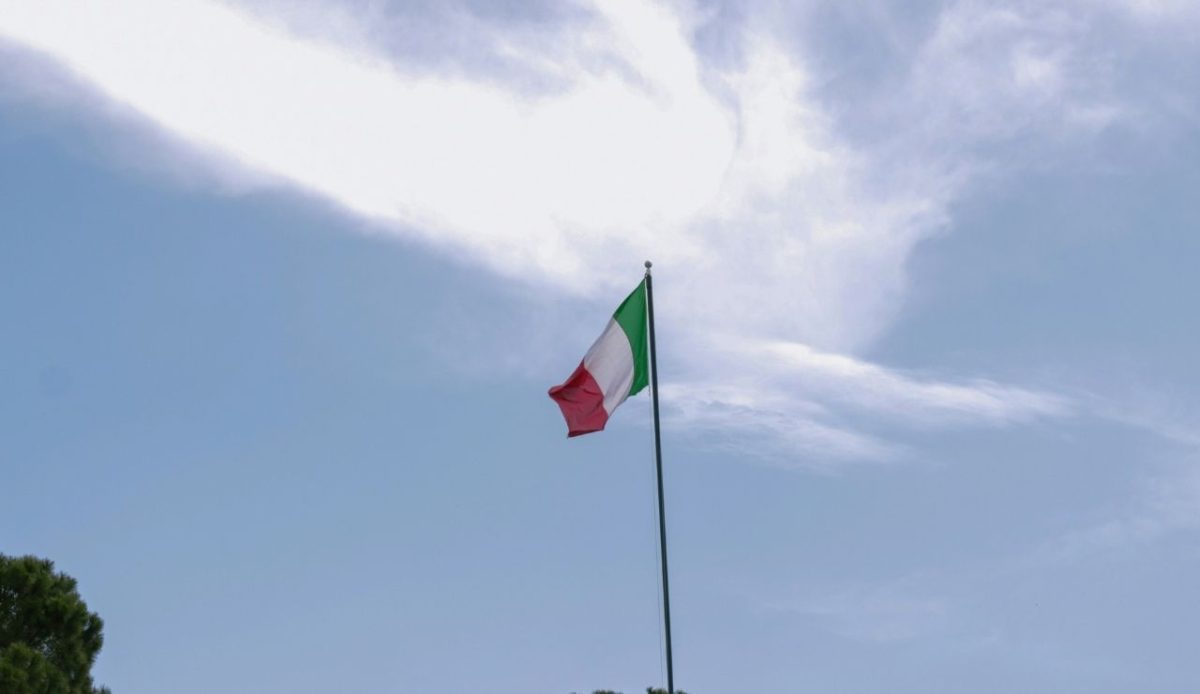
Italy will follow the same Europe-wide shift toward digital border screening in 2026. U.S. visitors will go through the Entry/Exit System when arriving at major airports or land borders. This system stores biometric details to confirm identity and verify legal stay limits within the Schengen area. By late 2026, Italy will also require an approved ETIAS form that travelers complete online. The form checks basic security information and remains valid for multiple short trips. Italy aims to speed up airport lines and improve monitoring without making the entry process complicated for American tourists.
3. Spain

Spain plans to introduce new procedures that affect U.S. travelers during 2026 as the Schengen region updates overall border controls. Airports and land crossings will begin using the Entry/Exit System to register travelers with fingerprints and a facial scan. This automated process replaces manual checks and helps confirm that visitors stay within the permitted travel period. Later in the year, travelers must also hold an ETIAS authorization before boarding a flight. Once approved, ETIAS stays connected to the passport for repeated short visits. These updates aim to strengthen efficiency across busy Spanish arrival points.
4. Germany

Germany will implement the full set of Schengen border updates in 2026, creating a new entry experience for U.S. visitors. Border officers will rely on the Entry/Exit System, which verifies identity through biometric tools rather than manual stamping. The system also keeps track of each visit to help ensure compliance with the region’s travel rules. In late 2026, Germany will join other European countries in requiring ETIAS clearance. Travelers complete the form online and receive digital approval before departure. Germany expects these changes to streamline airport operations while improving security and processing accuracy.
5. Greece

Greece will adjust its entry procedures for Americans in 2026 as part of the region’s coordinated border modernization. Travelers will undergo biometric checks through the Entry/Exit System during arrival, allowing border officers to confirm identity and record travel dates. This update replaces routine stamping and reduces the risk of errors. Later in the year, Greece will require ETIAS authorization for short stays. The form asks travelers for basic personal details and travel intentions, and approval links directly to the passport. Greece plans to keep the process easy while supporting the broader system improvements across Europe.
6. Portugal

Portugal will update its entry procedures for U.S. travelers in 2026 as part of the wider Schengen modernization plan. Airports and land borders will use the Entry/Exit System, which relies on fingerprint and facial checks instead of traditional passport stamping. This allows authorities to confirm identity and verify permitted travel days within the region. By late 2026, ETIAS authorization will also become a requirement for short visits. Travelers complete the form online, and approval attaches to the passport for multiple trips. These updates aim to keep entry clear and predictable while improving overall border accuracy.
7. Iceland

Iceland, although not part of the European Union, will follow the same Schengen entry updates that affect U.S. travelers in 2026. Visitors will go through the Entry/Exit System at airports, where biometric tools record identity and document each arrival and departure. This change replaces manual stamping and helps track travel limits across the region. ETIAS approval will join these requirements in late 2026, and travelers must secure it online before boarding their flight. Once approved, the authorization remains valid for repeated short stays. Iceland expects the new process to reduce bottlenecks and support more consistent screening.
8. Uzbekistan

Uzbekistan will introduce one of the most notable 2026 changes for U.S. passport holders by offering visa-free entry for stays up to 30 days. This update begins on January 1, 2026, following a national decision to make tourism more accessible for international visitors. Americans will enter with a standard passport check rather than applying for an e-visa or completing additional paperwork. Border officers will review travel details as usual, but the removal of visa requirements simplifies planning and reduces processing time. The change makes Uzbekistan more convenient for short trips and highlights its effort to attract more foreign travelers.
