
Solo travel can be blocked by entry laws, passport limits, or mandatory supervision. A traveler may have funds and flights but still fail the first check if the paperwork is invalid or a visa path is closed. In those cases, going alone is not a choice.
In this article, a ban means independent travel cannot legally proceed under the active rule set for U.S. citizens or for all foreign tourists in that country. Advisories and personal risk are excluded. The focus stays on enforceable mechanisms.
Each section describes one country and the gate that stops solo travel, such as a passport restriction, a required escort, or an itinerary tied to an approved sponsor. Details focus on how the rule works in practice at the border and in the country.
1. North Korea

U.S. passports cannot be used for travel to, in, or through North Korea unless the State Department grants a special validation. Without that endorsement, travel on a normal passport is treated as invalid documentation.
Because carriers and transit points verify passport status before boarding, the restriction stops a solo trip at the departure stage. The control is documentary, so itinerary changes do not fix the problem once the passport is restricted.
Even when a validation is issued, visitors are typically confined to preapproved programs with escorts and controlled routing. That removes independent movement and keeps travel dependent on prior authorization and supervision.
2. Iran
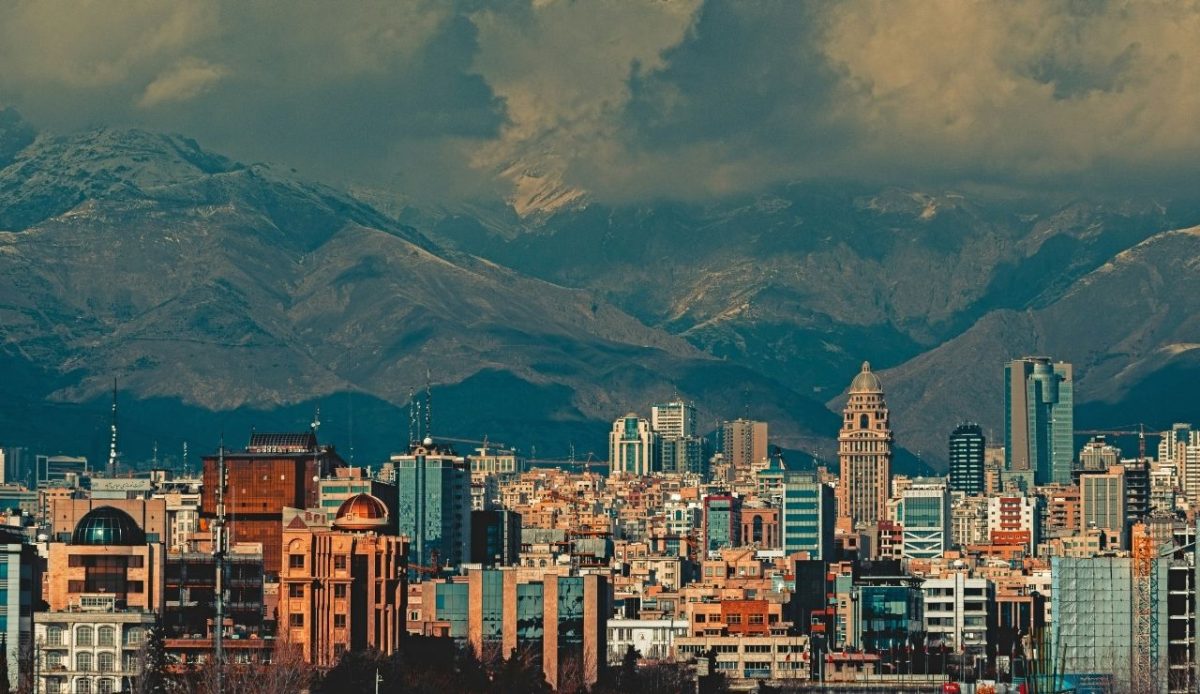
Iran treats U.S. passport holders as a special category for tourism processing. Entry is usually linked to a cleared itinerary set up by a permitted operator, with a registered guide responsible for the traveler during the stay.
The constraint is enforced through visa authorization and in-country compliance. If the trip is not attached to an approved program, the visa path does not function as a normal solo application, and routing freedom is limited by the filed schedule.
This means a traveler cannot arrive, rent a car, and improvise stops across provinces. Travel is expected to match the declared plan, and the guide requirement turns the journey into supervised travel rather than independent solo travel.
3. Turkmenistan
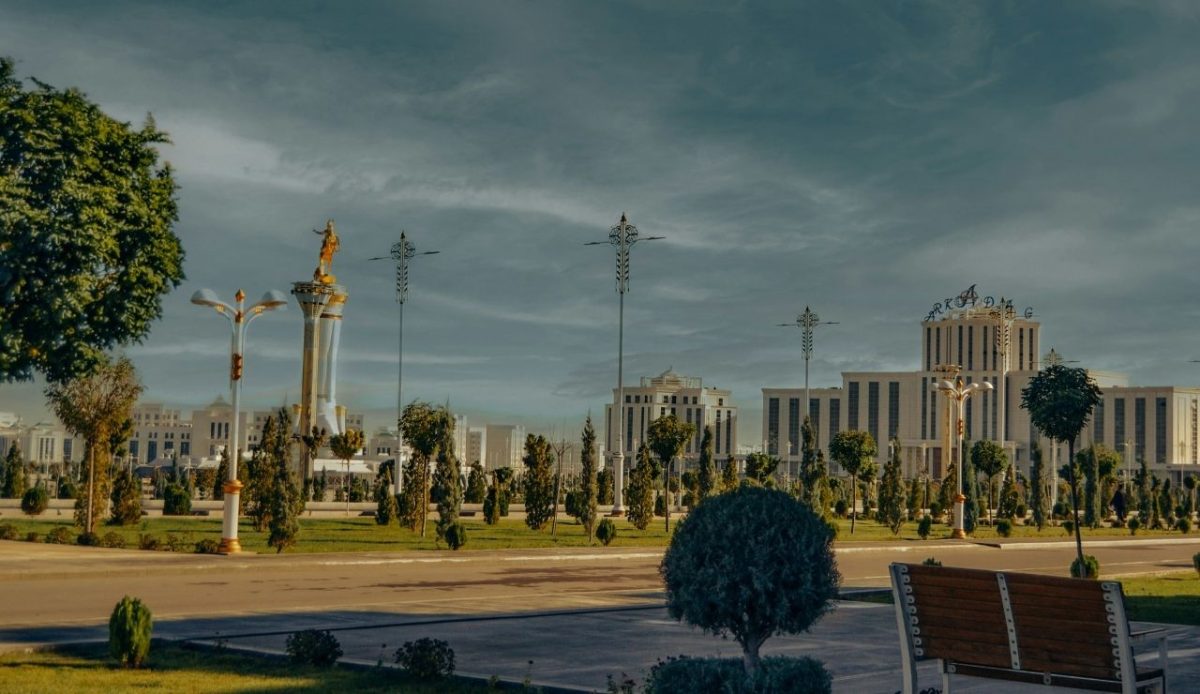
Turkmenistan requires a letter of invitation approved through the State Migration Service for entry. For tourists, the invitation is commonly generated via a local sponsor or travel company and is linked with a submitted travel plan.
The LOI functions as a gate because it is checked during visa issuance and can be verified at arrival. Without it, the visa cannot be issued in the standard way, so an individual traveler cannot simply book flights and apply independently.
Once admitted, excursions outside Ashgabat are often handled with an assigned guide and transport. The combination of LOI control and escorted routing reduces spontaneous, self-directed travel and makes true solo travel impractical.
4. Libya
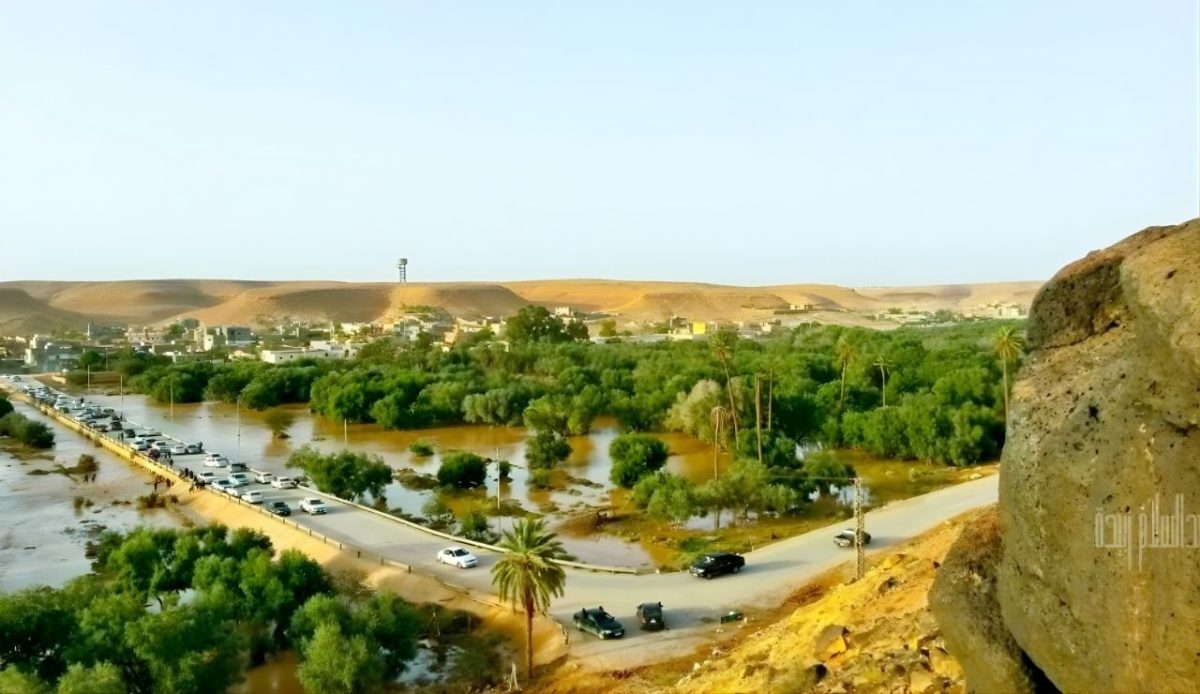
Libya entry commonly depends on prior approval that is obtained through a host, sponsor, or organized tour. Tourist processing is not set up like a walk-in visa, where an individual can apply and then travel freely on arrival.
Because approval letters and itinerary details are required before issuance, independent solo travel cannot start from a simple personal booking. The traveler is routed through a fixed program that supplies lodging, transport, and an in-country contact.
That structure functions as a practical block on solo travel. Even if a visa is issued, authorities expect travel to follow arranged logistics, and spontaneous movement without a responsible local organizer is not treated as a valid pathway.
5. Eritrea
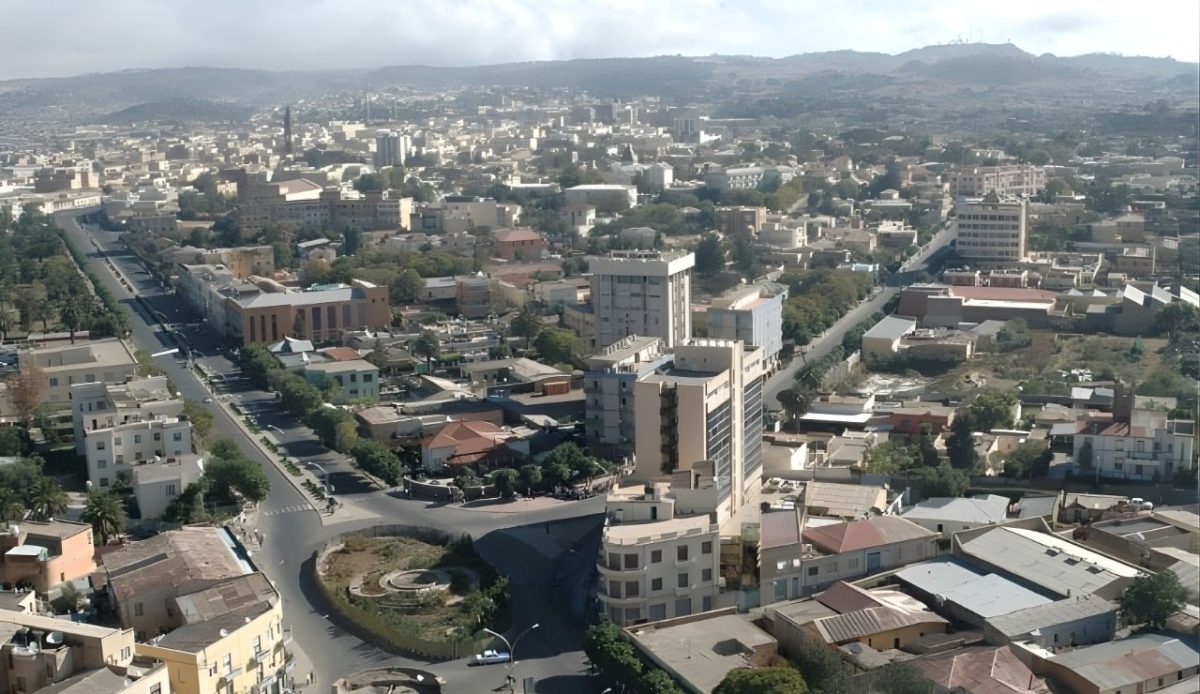
Eritrea requires foreign nationals to obtain travel permits for movement beyond a limited radius outside Asmara. The permit is an administrative control that can be obtained through government offices rather than a routine tourism check in each town.
The effect on solo travel is geographic. A visitor may enter the country, but independent routing to coastal areas, border regions, or many historic sites can be blocked until a permit is issued for the specific route and time window.
Because permits can be denied, delayed, or restricted to certain corridors, a solo visitor cannot rely on flexible plans. Transport choices and overnight stops must match what the permit covers, limiting independent travel behavior.
6. China

In China, foreign travelers face a separate entry control for the Tibet Autonomous Region. A Tibet Travel Permit is required to board flights or trains to Lhasa, and the permit is obtained via a licensed Tibet operator.
The permit requirement blocks solo travel because independent applicants cannot submit for it directly. The application depends on a tour booking, and the issued document is checked at airports, rail stations, and checkpoints within the region.
As a result, a U.S. traveler can move independently in many parts of China, yet cannot enter Tibet alone. Access relies on a fixed itinerary and a guide, which makes the trip supervised travel by rule.
7. Saudi Arabia
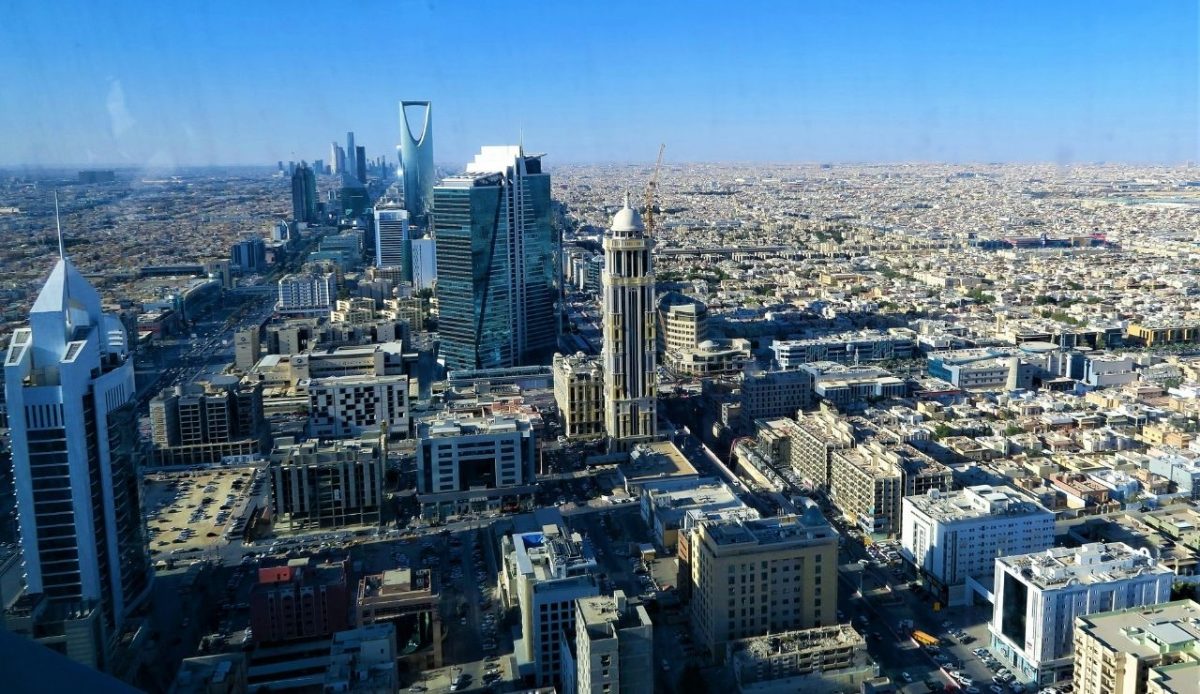
For Hajj, Saudi Arabia requires pilgrims from the United States to obtain a Hajj visa and permit through the Nusuk platform. Pilgrimage entry is linked to a booked package, and performing Hajj without a permit can trigger detention or deportation.
This creates a narrow but strict ban on solo travel for Hajj. A traveler cannot independently arrive on another visa type and then join the rites, because access to the holy sites is screened using permit checks and crowd controls.
Outside the pilgrimage window, tourism rules differ. During Hajj operations, though, the permit system is the governing mechanism. It converts travel into controlled group logistics and prevents independent participation by design.
8. Sudan

Sudan requires a travel permit to leave the greater Khartoum area. The permit is issued through the Ministry of Tourism and is often arranged by a hotel or travel agent rather than at border entry points.
The control matters for solo travel because checkpoints can ask for the document during road travel. Without it, a traveler may be turned back or detained, so independent routing to towns, deserts, or archaeological sites is not a normal free move.
This system does not always block entry into Sudan, but it blocks independent circulation. A solo visitor must secure an intermediary to obtain the permit and then keep plans aligned with what the authorization covers.
