
Central Europe has towns where belief and place are tightly linked, so stories about luck, danger, and punishment became local rules. These traditions were repeated in churches, guilds, and family life, and they still guide how visitors behave today. The destinations below were chosen because each one is anchored to a named legend or ritual that is publicly documented and widely recognized locally, not because it merely feels eerie. Each section points to a specific site and the superstition that keeps it culturally active today.
1. Prague Jewish Quarter, Czechia
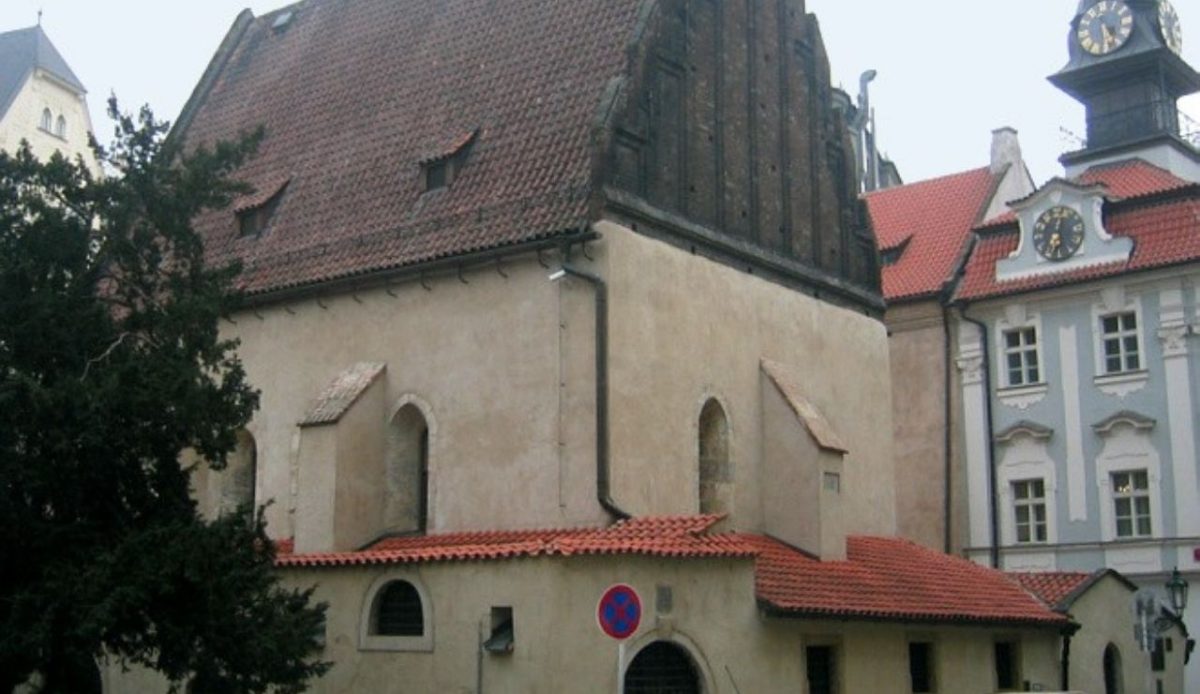
In Prague’s Jewish Quarter, the Golem story is tied to Rabbi Judah Loew and the Old New Synagogue, where the creature is said to have been stored after it was deactivated. Because the legend warns that misuse brings harm, the attic became a place that was treated as off-limits in community memory. Visitors still hear why entry was discouraged, and the tale functions as a caution about protection that can turn destructive. It is folklore with a clear address, not a free-floating myth. The narrative is repeated in local guides and museum-style materials, which keeps the superstition connected to the neighborhood’s past pressure and resilience.
2. Wawel Hill, Kraków, Poland
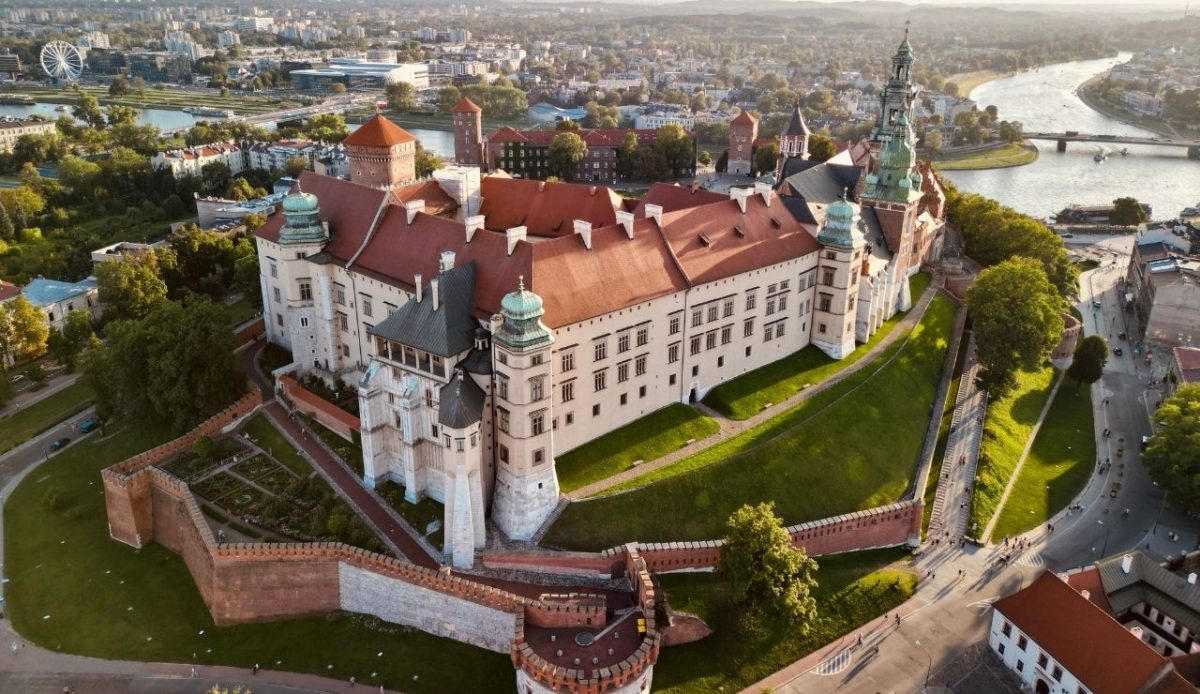
Wawel Hill in Kraków is known for the Smok Wawelski dragon legend, centered on the cave below the castle complex. The story explains why the city needed clever leadership, since the beast was defeated through a trick rather than brute strength. That lesson is reinforced by the site itself, where the cave route and dragon symbolism keep the tale in public view. Even when treated playfully today, it still reflects an older belief that threats could be managed by wit and communal action. The legend has been carried in city storytelling for centuries, so it acts as a shared origin point rather than a one-off ghost story.
3. Mohács, Hungary
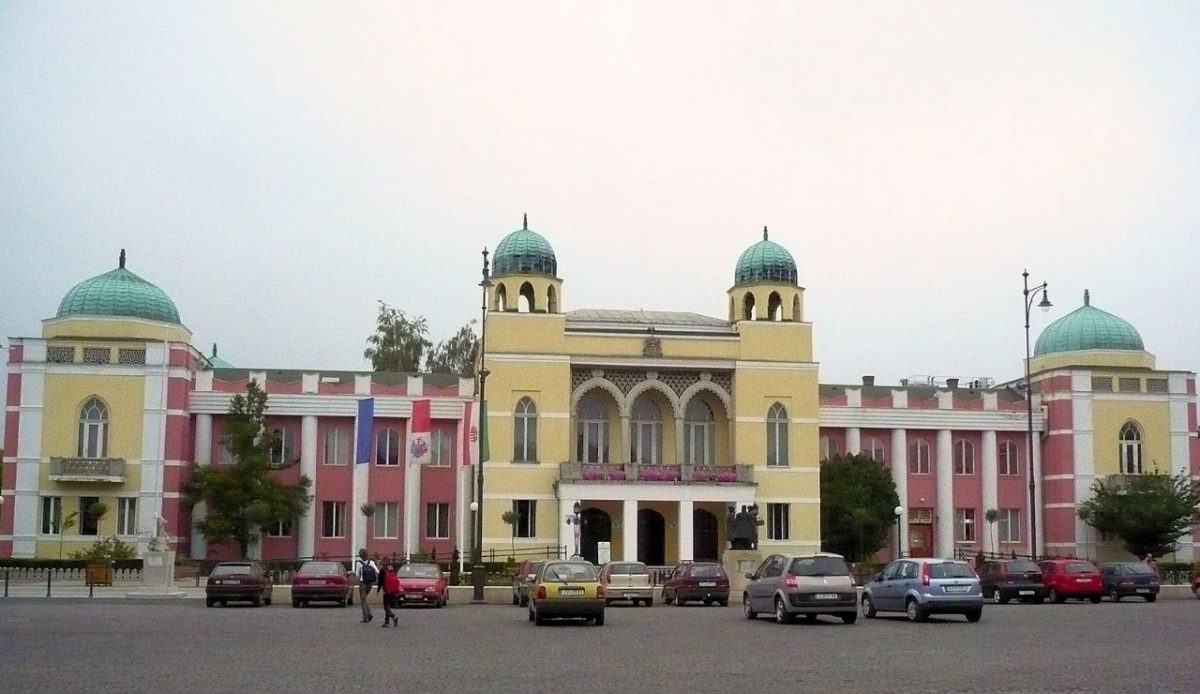
Mohács is famous for the Busó carnival, where masked groups move through town to push winter away and block bad luck. Wooden masks, loud bells, and staged scares are used because protective power is believed to come from noise and fear. The ritual is not just a parade, since roles are assigned and actions follow a set seasonal script that is taught within families. Its recognition as cultural heritage reflects that a superstition-based practice is still being maintained in public life. Many participants keep masks for years, and the belief in their protective role is repeated each season to newcomers and children.
4. Salzburg, Austria
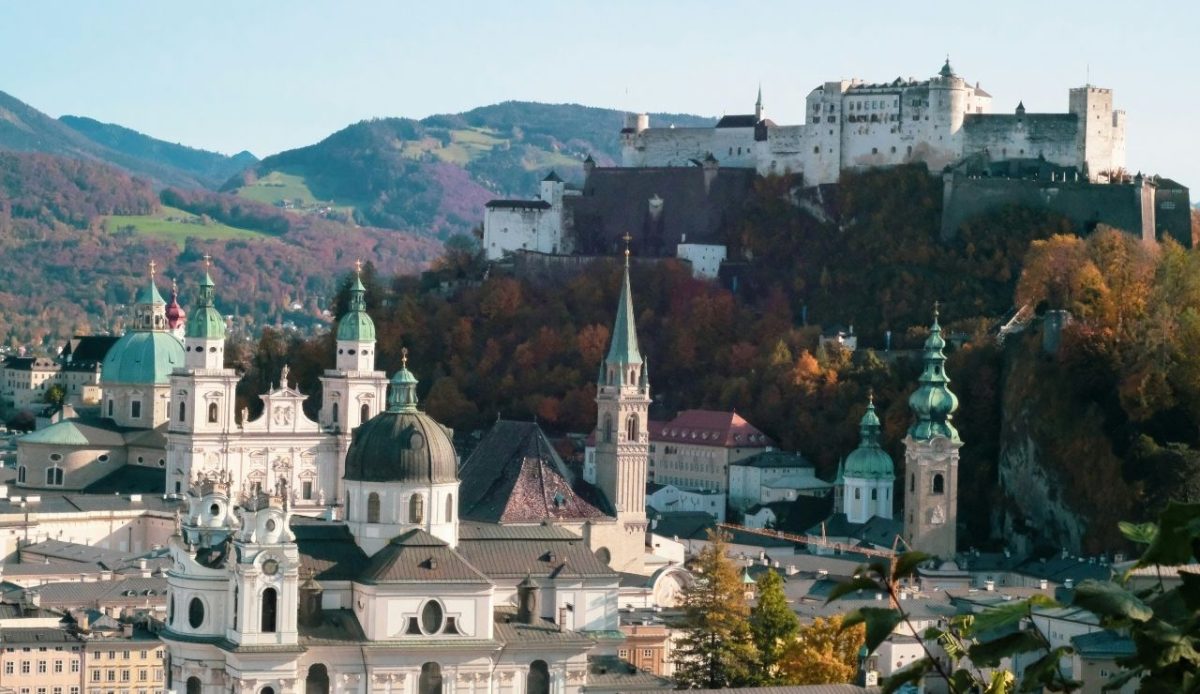
Salzburg’s winter season is linked to Krampus and Perchten runs, where frightening masks are worn to chase harmful forces from the community. These figures were treated as more than costumes, since misbehavior was believed to attract punishment and disorder. Processions are organized with clear boundaries about where performers go and how they interact with onlookers, which keeps the custom controlled. Modern events can look festive, yet the underlying idea remains that fear can be used as a tool to restore order during the darkest weeks. Bells and fur suits are still used because the belief says sound and disguise can drive trouble away.
5. Český Krumlov Castle, Czechia
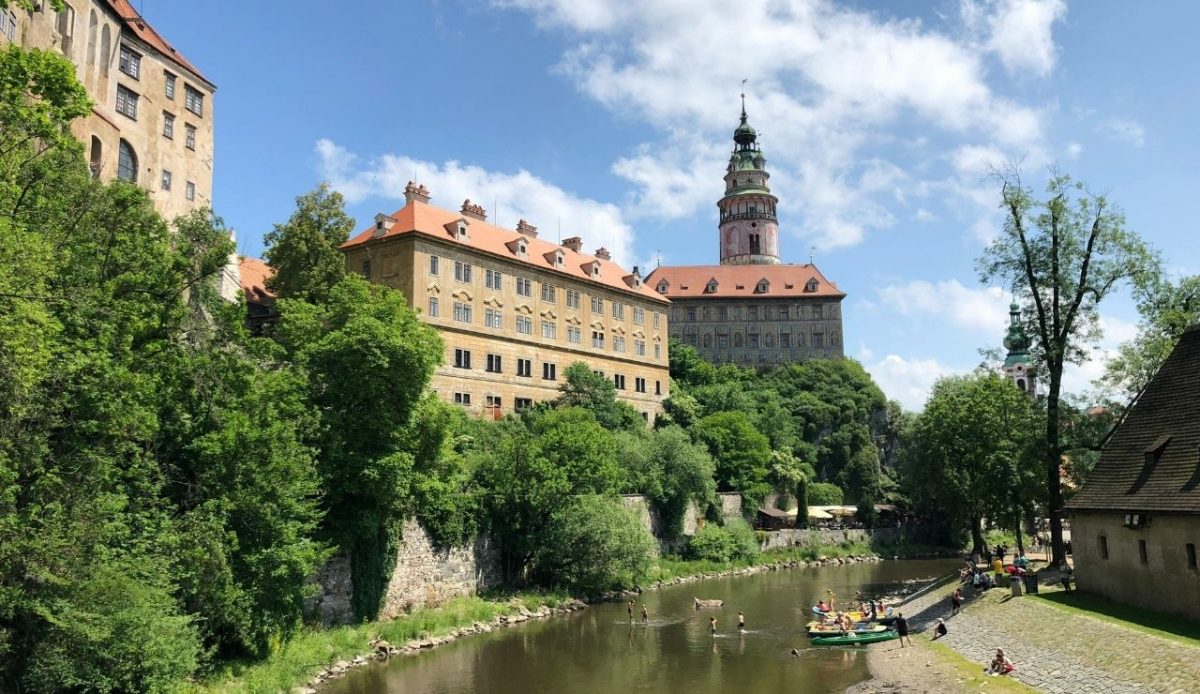
Český Krumlov Castle is closely tied to the White Lady tradition linked to Perchta of Rosenberg, whose appearances were treated as signs of coming change. Reports about her were passed through staff, nobles, and residents, and the story gained force because it was said to repeat in specific corridors and rooms. That specificity turned it into an omen system, not just a ghost yarn, and behavior was adjusted when sightings were claimed. Today, the legend remains central to how the castle is presented and remembered. It also feeds local superstitions about warnings before illness or conflict, so it is repeated with seriousness.
6. Bled Island, Slovenia
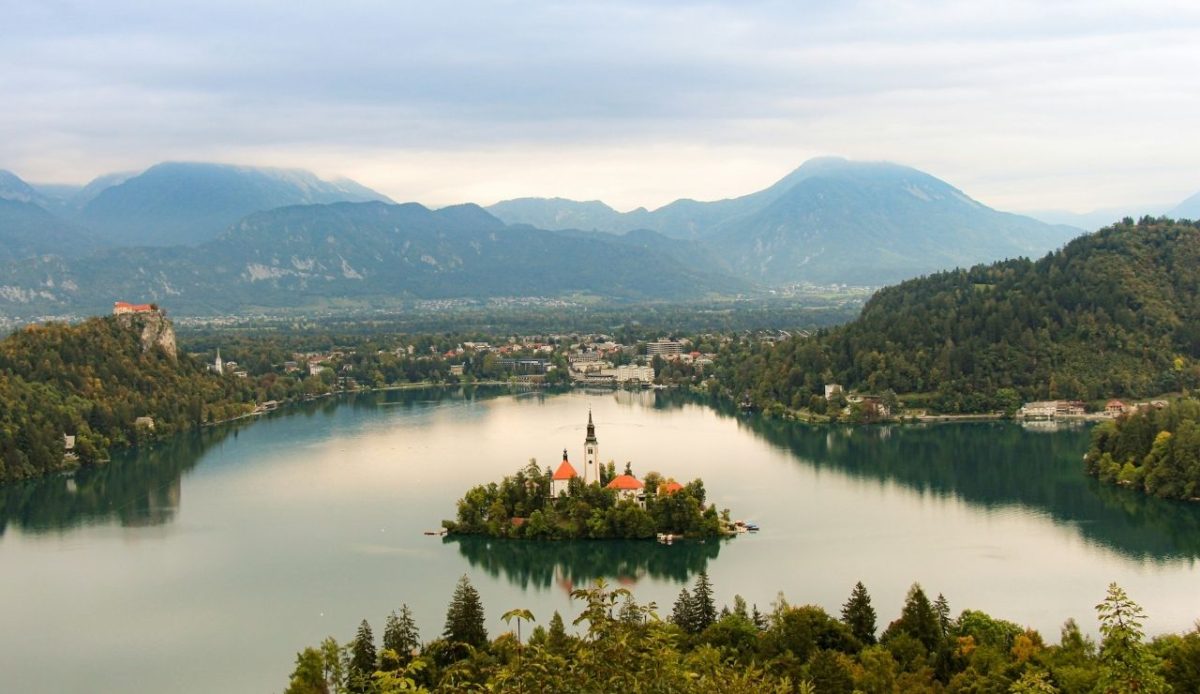
Bled Island in Lake Bled is known for the wishing bell in the Church of the Assumption and the legend that explains why the bell matters. Ringing it is treated as more than a photo moment, since a wish is expected to be made with care and respect. Local storytelling links the practice to grief, fairness, and answered pleas, which keeps the ritual tied to moral behavior rather than luck alone. Because the bell is in a functioning church, the superstition is reinforced by rules about quiet conduct and intent. Many visitors still follow the custom even without religious ties, showing how a simple action can carry a long-lived belief.
7. Čachtice Castle, Slovakia
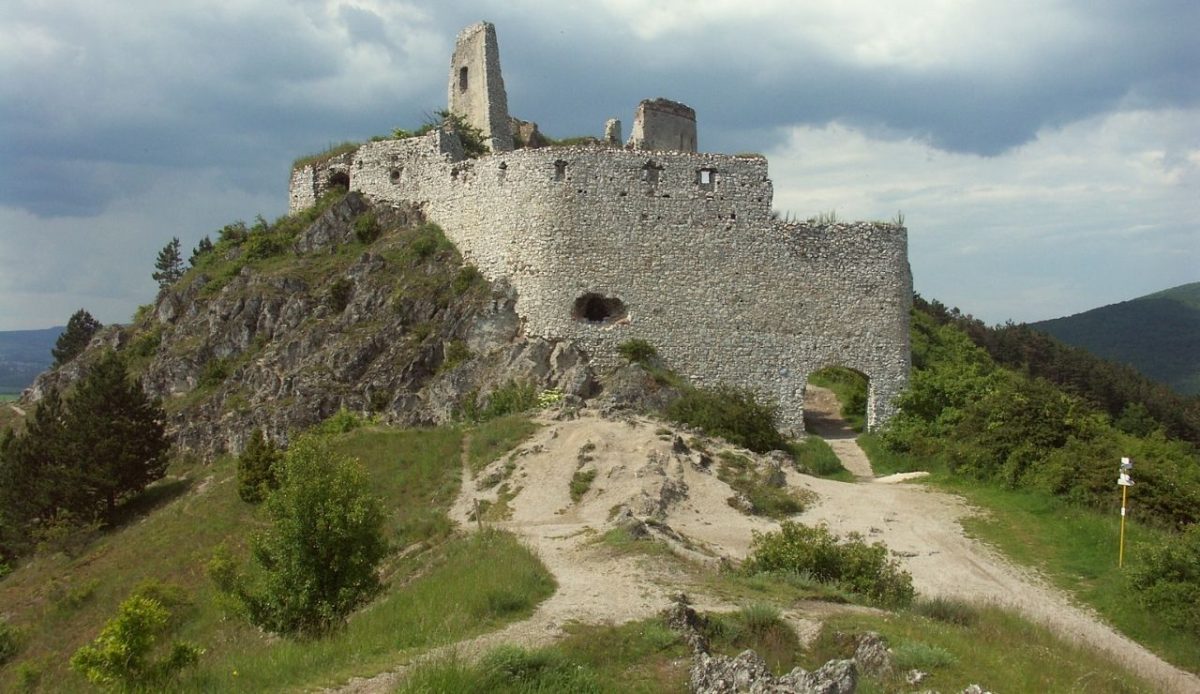
Čachtice Castle in Slovakia is associated with the Elizabeth Báthory legend, which has generated enduring beliefs about curses, punishment, and moral consequence. Even when the historical record is debated, the folklore has had real effects, since the ruins were treated with caution and the name carried social warning value. Stories about hidden chambers and dark deeds were repeated to set boundaries on acceptable power and cruelty. That is why the destination fits the title; it is famous because superstition and reputation remained attached to the place for centuries. Visitors still arrive expecting the legend to explain the site.
8. Wieliczka Salt Mine, Poland
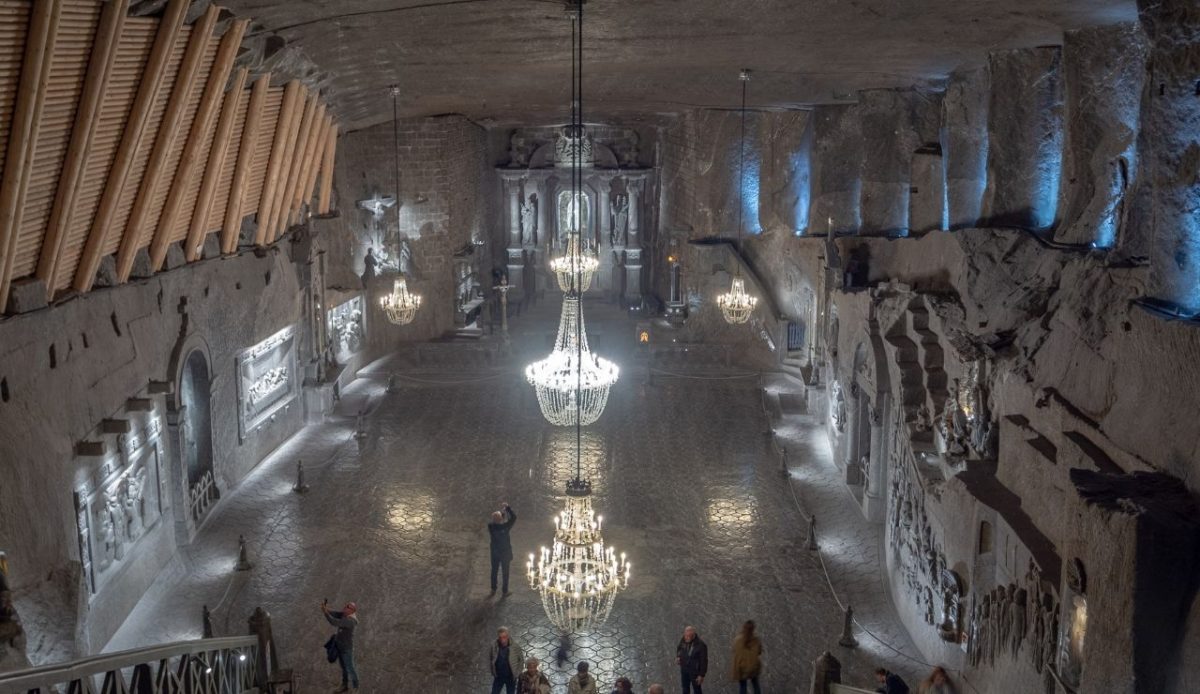
Wieliczka Salt Mine near Kraków carries underground folklore that grew from real workplace risk, where collapse, darkness, and injury had to be faced daily. The Princess Kinga ring legend frames the salt as a blessed discovery, turning extraction into a story about providence and reward. Miners’ prayers and protective habits were reinforced by these beliefs, and chapels carved in salt made the idea of spiritual shelter concrete. Because the tradition is tied to a major heritage site, it remains widely known as Central European folklore rooted in superstition. Guided tours keep the narrative active, so it is taught to new audiences each day.
