
Cambodia offers a rich tapestry of history, culture, and natural beauty that often surprises first-time visitors. Travelers frequently return home debating what they loved most, from the grandeur of Angkor temples to local culinary quirks and unique traditions. Some experiences challenge expectations, while others reveal the warmth and resilience of the Cambodian people. For those exploring this Southeast Asian gem, these eight facts highlight why Cambodia is both captivating and thought-provoking. Each destination, dish, or cultural encounter invites conversation, reflection, and sometimes, a little friendly debate.
1. Angkor Wat Isn’t the Only Temple Worth Visiting
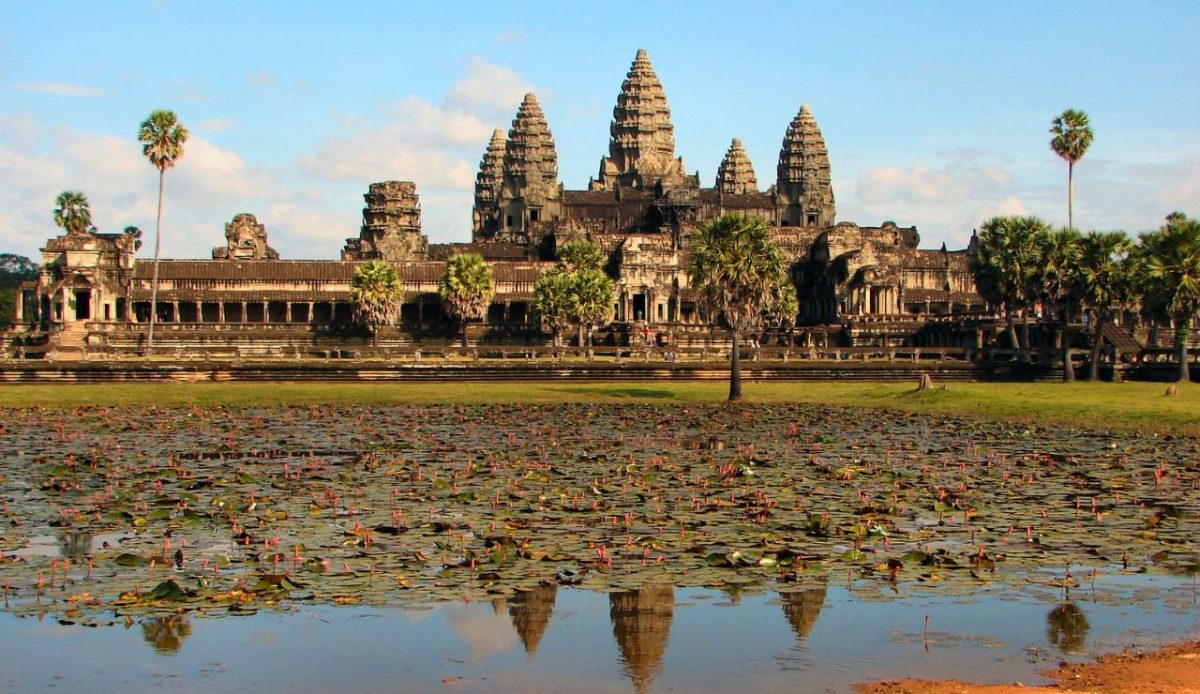
While Angkor Wat dominates Cambodia’s tourist map, the region is filled with lesser-known temples that offer equally stunning experiences. Ta Prohm’s tree-covered ruins, Banteay Srei’s intricate carvings, and Preah Khan’s serene pathways showcase different aspects of Khmer architecture. Travelers often debate which temple is most impressive, as each has its unique charm, atmosphere, and history. Visiting these lesser-known sites provides a quieter, more immersive experience, allowing travelers to explore Cambodia’s spiritual heritage beyond the crowds while connecting with the artistry and ingenuity of the Khmer Empire.
2. Phnom Penh Is Both Chaotic and Charming
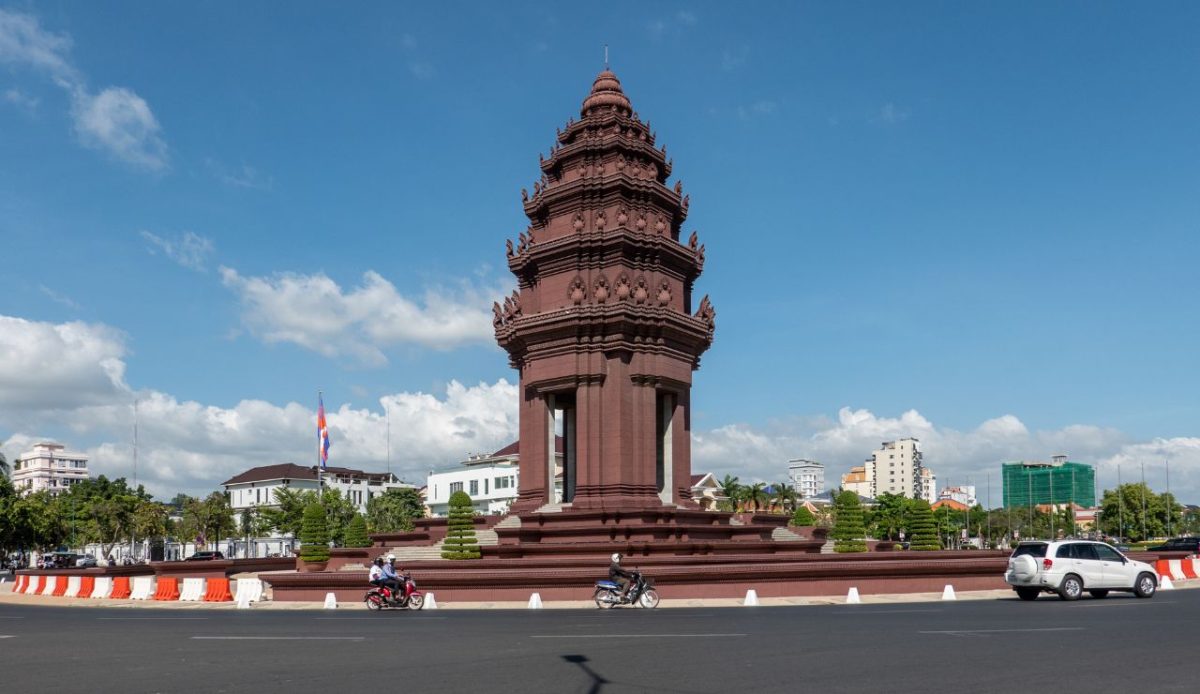
Cambodia’s capital, Phnom Penh, often sparks debate due to its dynamic contrasts. Bustling markets, heavy traffic, and street vendors coexist with grand colonial buildings, peaceful riverside walks, and cultural institutions. Travelers are fascinated by the city’s history, from the Royal Palace to the poignant Killing Fields memorials. The juxtaposition of chaos and charm can be both overwhelming and captivating. Visitors frequently share differing opinions on whether Phnom Penh feels lively and inspiring or hectic and exhausting, making it a city that invites discussion and diverse interpretations.
3. Cambodian Cuisine Is Full of Surprises
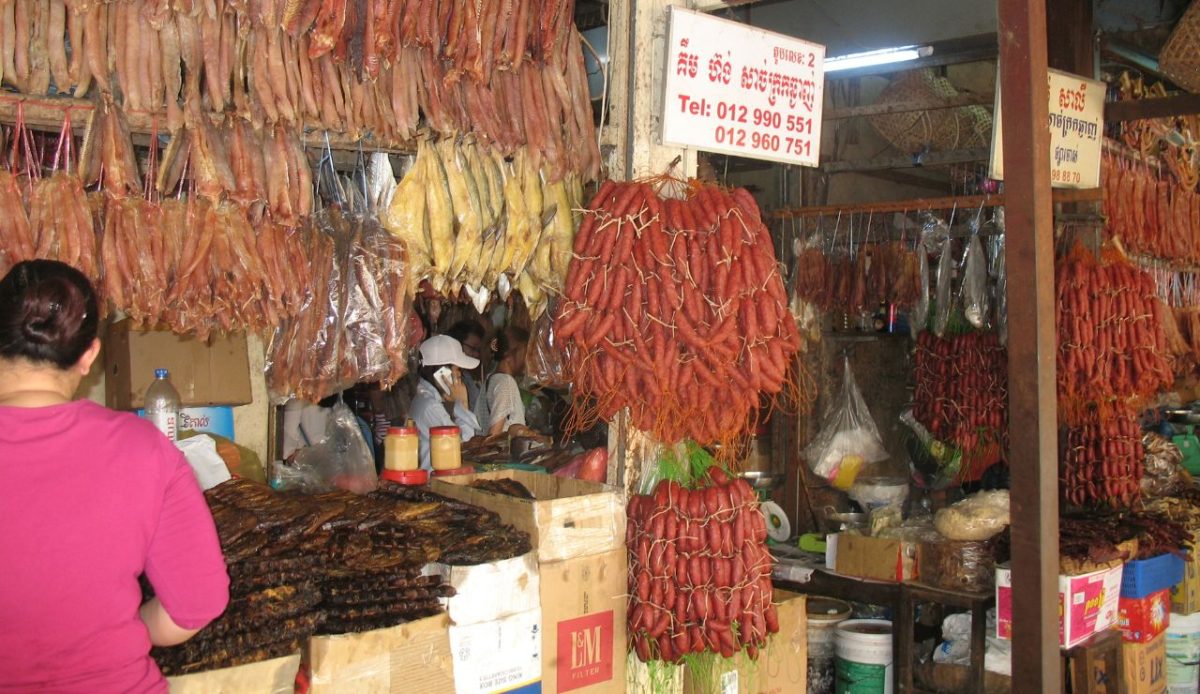
Cambodian cuisine delights and surprises travelers, often sparking debate over unusual dishes and flavors. From the classic fish amok to the adventurous fried tarantulas, Cambodia’s culinary offerings reflect its history and local ingredients. Street food, night markets, and traditional family-run restaurants provide authentic tastes that differ widely from region to region. Many visitors discuss which dishes are must-tries and which are acquired tastes. The combination of fresh herbs, spices, and unique preparations ensures that every meal becomes a conversation starter, making cuisine one of Cambodia’s most talked-about experiences.
4. The Warmth of the People Leaves a Mark
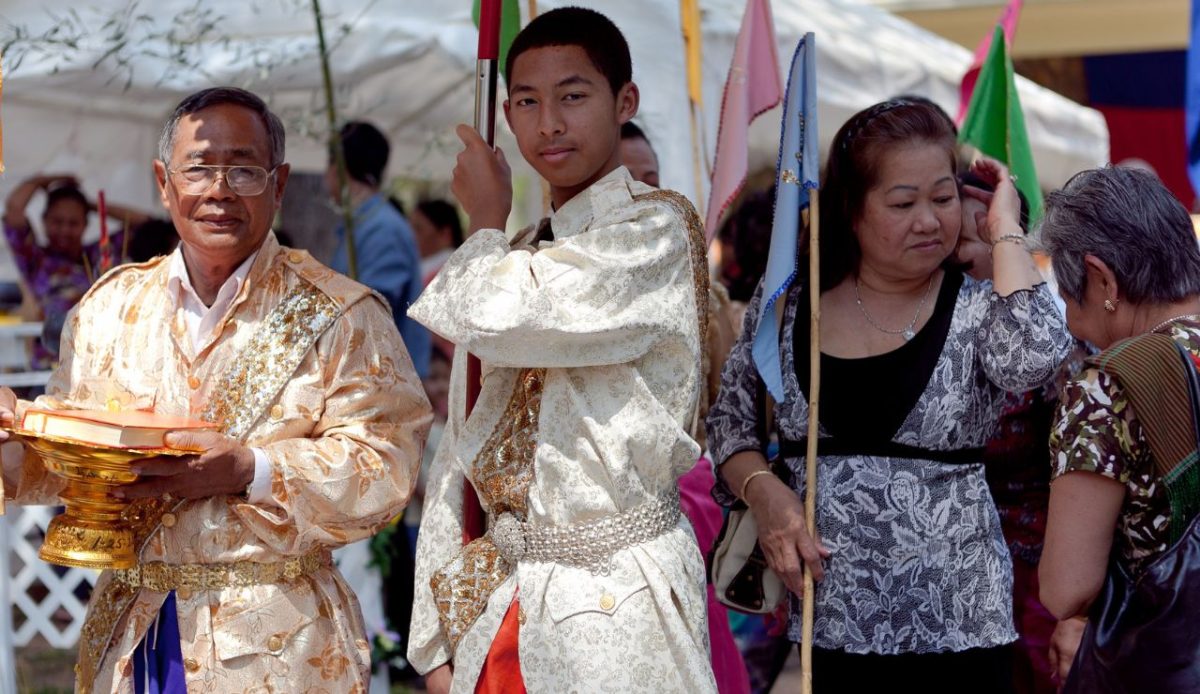
Cambodians are known for their hospitality, friendliness, and resilience, often leaving a lasting impression on visitors. From helpful locals in markets to guides sharing historical insights, travelers frequently remark on the warmth of human connections. Experiences vary across rural villages and urban centers, but the consistent kindness sparks discussion among visitors about how it contrasts with neighboring countries. Whether assisting with directions, offering cultural explanations, or simply smiling, the people of Cambodia make interactions memorable, highlighting the nation’s heart alongside its historical and natural attractions.
5. The Country’s Dark History Is Unforgettable
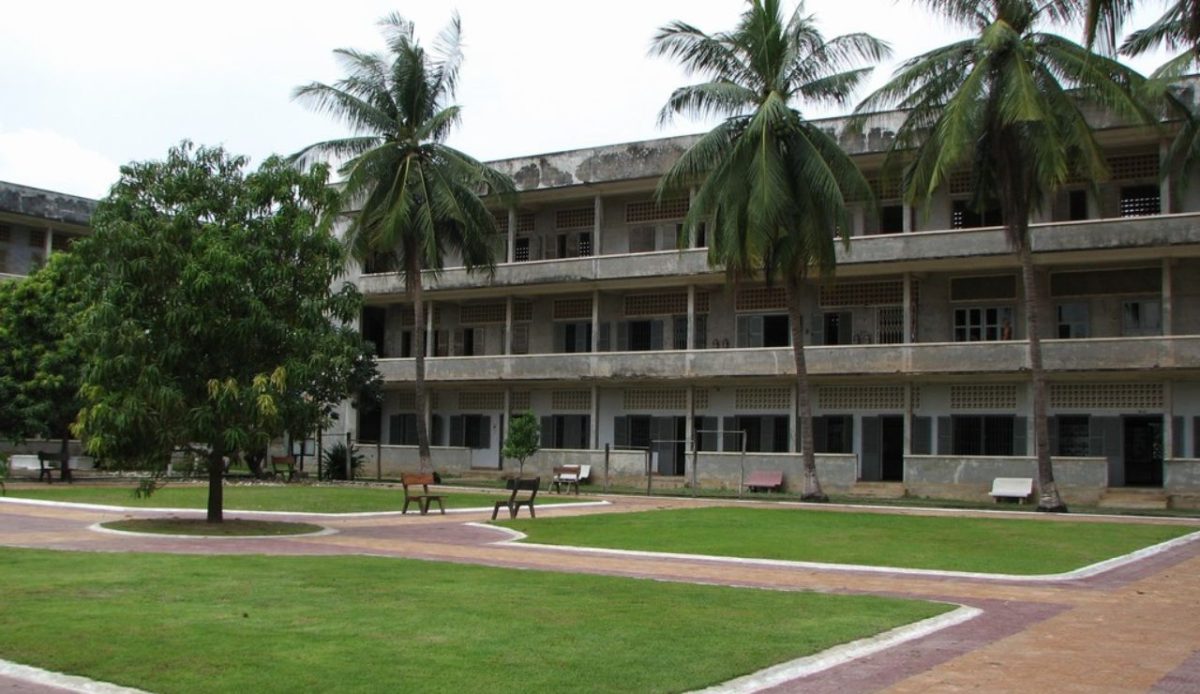
Cambodia’s history, particularly the Khmer Rouge era, leaves a lasting impact on travelers. Sites like the Killing Fields and S21 prison museum provoke reflection, empathy, and sometimes debate about how history is remembered. While difficult to confront, understanding this period provides context for the resilience and culture of modern Cambodia. Travelers often share contrasting experiences of visiting these somber locations, discussing emotional impact and historical insights. Acknowledging Cambodia’s past is an essential part of any visit, enriching the journey with a deeper understanding of its people and society.
6. Floating Villages Offer a Unique Perspective
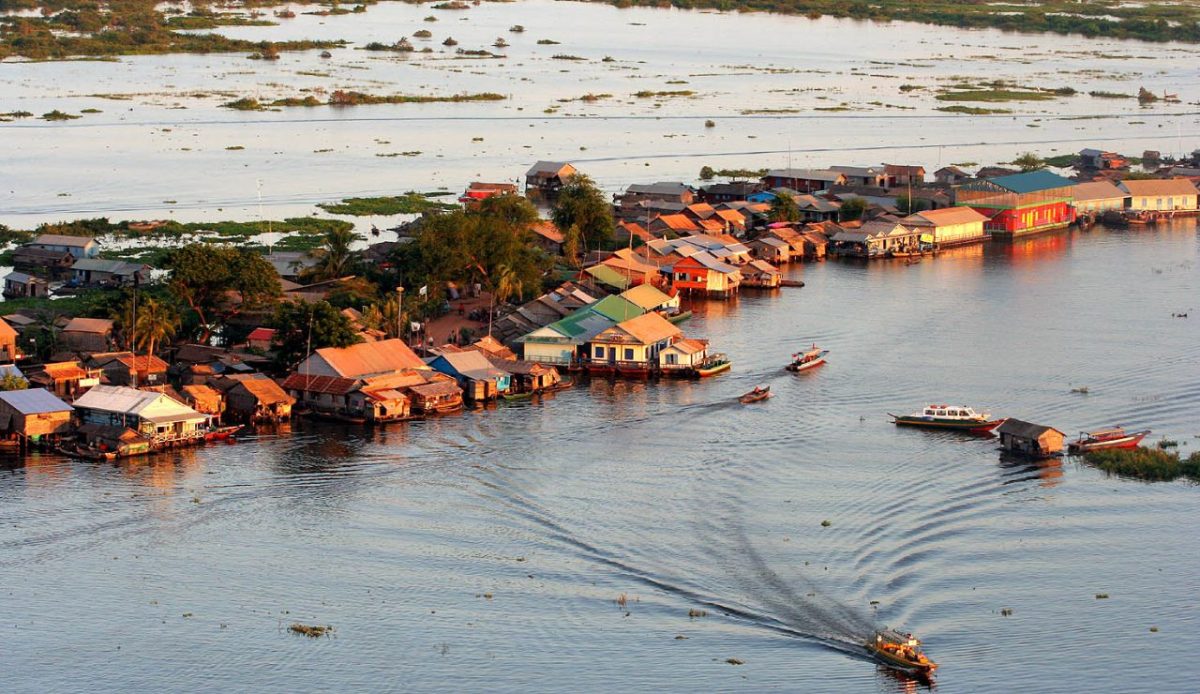
Cambodia’s floating villages on Tonle Sap Lake provide a glimpse into a unique way of life shaped by water. Homes, schools, and markets sit atop stilts, moving with seasonal floods, creating a dynamic and adaptive community. Travelers often debate which village offers the most authentic experience and the best views, as each has its own charm and cultural insights. Visiting these villages reveals how the Cambodian people live harmoniously with nature, blending tradition and daily life seamlessly, offering an educational and photogenic experience that contrasts sharply with urban centers and traditional inland communities.
7. Siem Reap Is More Than Just Angkor
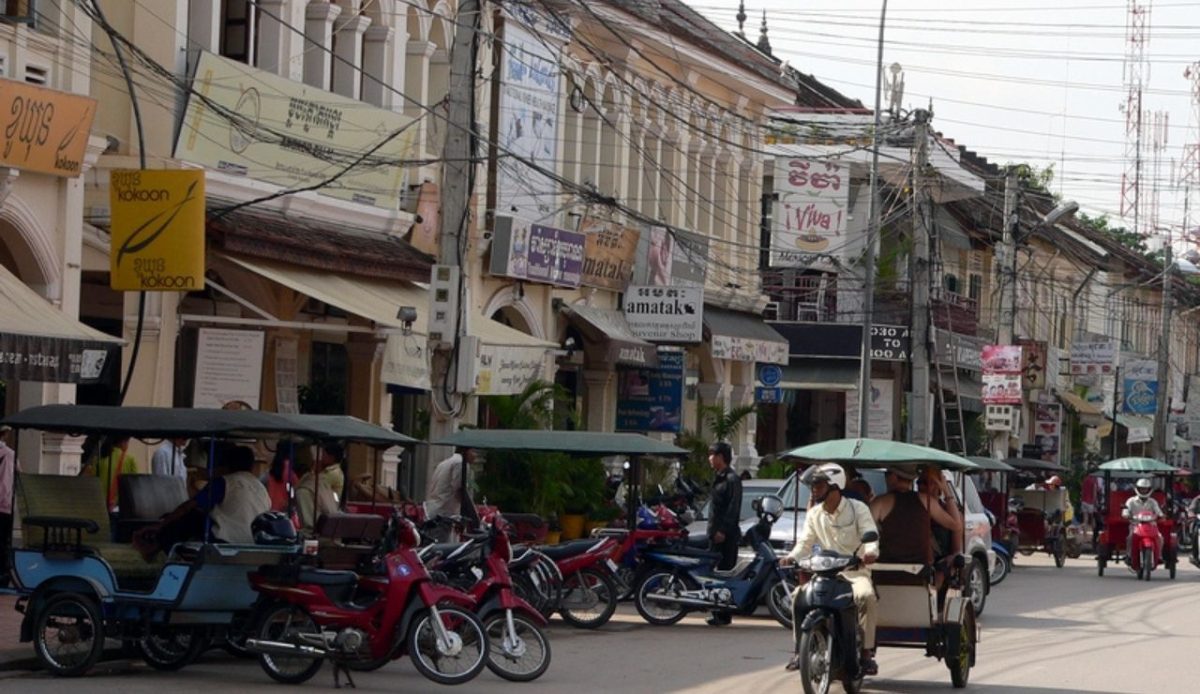
Siem Reap often draws visitors for Angkor Wat, but the city offers so much more, from lively markets to culinary experiences and art galleries. Travelers enjoy boutique hotels, cultural performances, and countryside excursions nearby. Debates often arise about how much time to spend in the city versus exploring temples, or whether modern attractions overshadow historical ones. Siem Reap’s mix of tradition, modernity, and tourism infrastructure provides a rich and layered experience. Its balance of history, leisure, and local culture ensures every visitor has a unique perspective to share and discuss after their trip.
8. Cambodia’s Nature Surprises Many Visitors
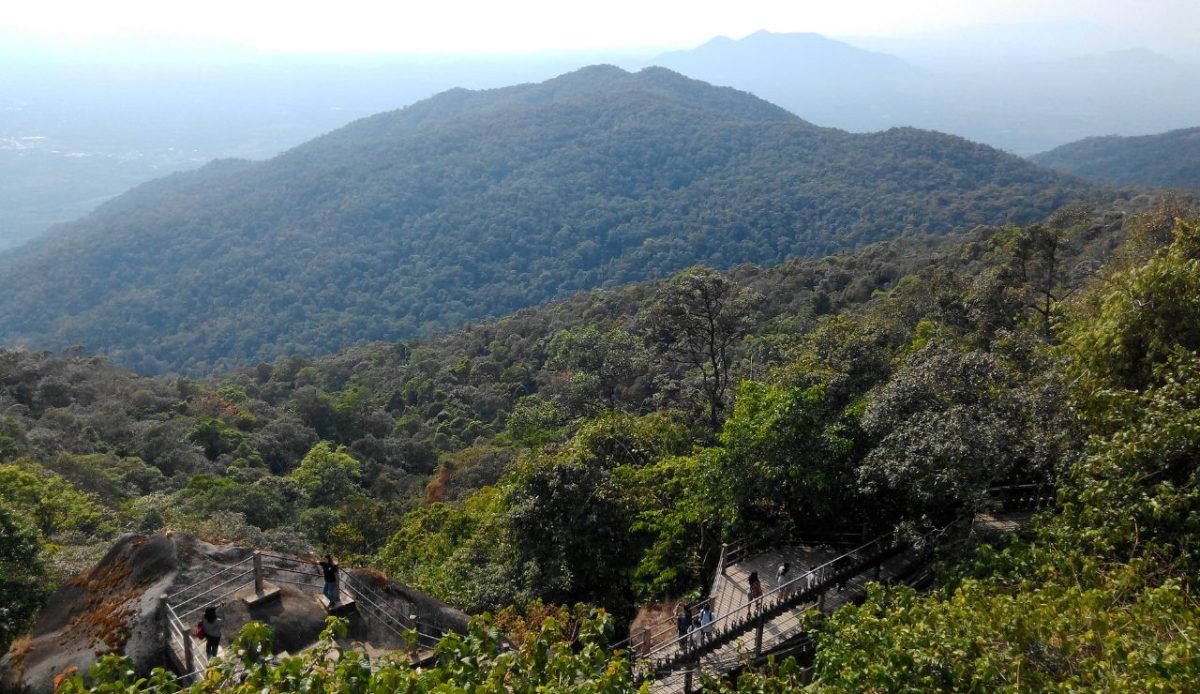
Beyond its temples and cities, Cambodia’s natural landscapes often surprise travelers. From the Cardamom Mountains and lush jungles to pristine beaches along the Gulf of Thailand, the country offers adventure and tranquility. Visitors frequently debate which region provides the most breathtaking scenery or memorable wildlife encounters. Exploring rivers, waterfalls, and forested trails provides opportunities for hiking, kayaking, and eco-tourism, showing that Cambodia’s beauty extends far beyond cultural landmarks. Nature in Cambodia enriches travel experiences and sparks conversations about conservation, exploration, and hidden gems.
