
Some airports challenge even the most skilled pilots. They combine high terrain, short runways, and unpredictable weather that leave no space for mistakes. Pilots spend hours studying these approaches and earning special approvals before flying there. Instrument systems help, yet skill still guides every move in places where mountains rise close, winds change fast, or descent paths turn tight. These 8 airports remain among the most demanding landing spots reported by working pilots across commercial and charter aviation.
1. Paro Airport, Bhutan
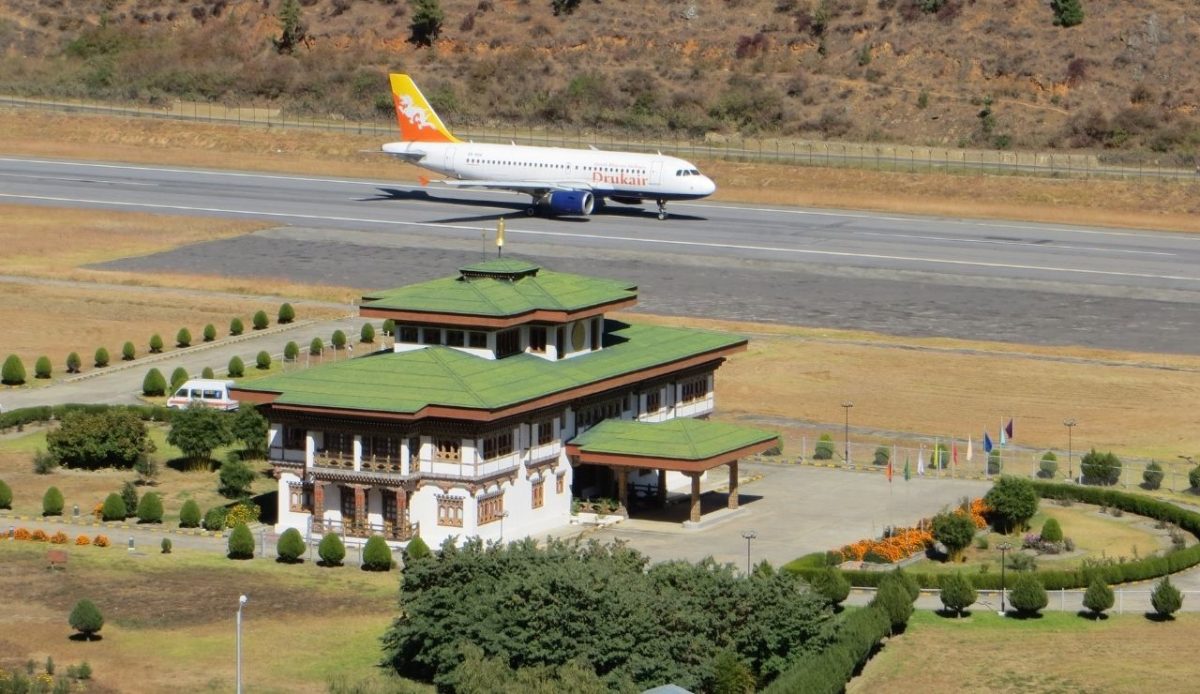
Paro forces pilots to steer through a narrow valley surrounded by Himalayan peaks. Crews align the aircraft manually during the final seconds of descent with terrain on both sides. The airport bans night operations because steep mountains block clear visual cues. Pilots train in simulators for months before earning approval to land here. Sudden wind shifts through the valley can throw a jet off course, so crews react instantly using small, precise inputs. Even with instruments, success depends on judgment, timing, and awareness through the final turn and flare.
2. Lukla Airport, Nepal
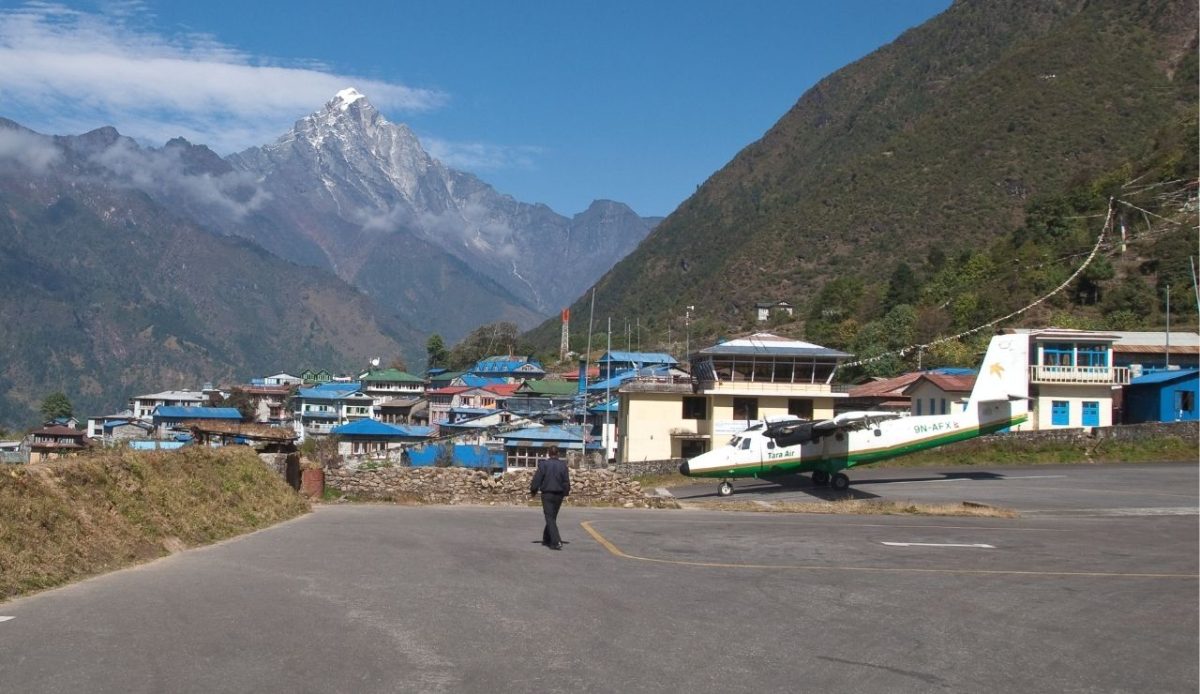
Lukla lies high in the Himalayas and serves trekkers heading to Everest. Its short, sloped runway tilts upward, leaving no chance for go-arounds. Pilots commit once they pass a certain point, trusting careful planning for speed and descent rate. Thin air reduces lift, so aircraft approach faster than normal to stay stable. Clouds can hide peaks within minutes. Only experienced mountain pilots receive clearance here, and every arrival demands control over throttle, pitch, and landing point as crowds watch from close range, proving how narrow the margin stays.
3. Toncontin Airport, Honduras
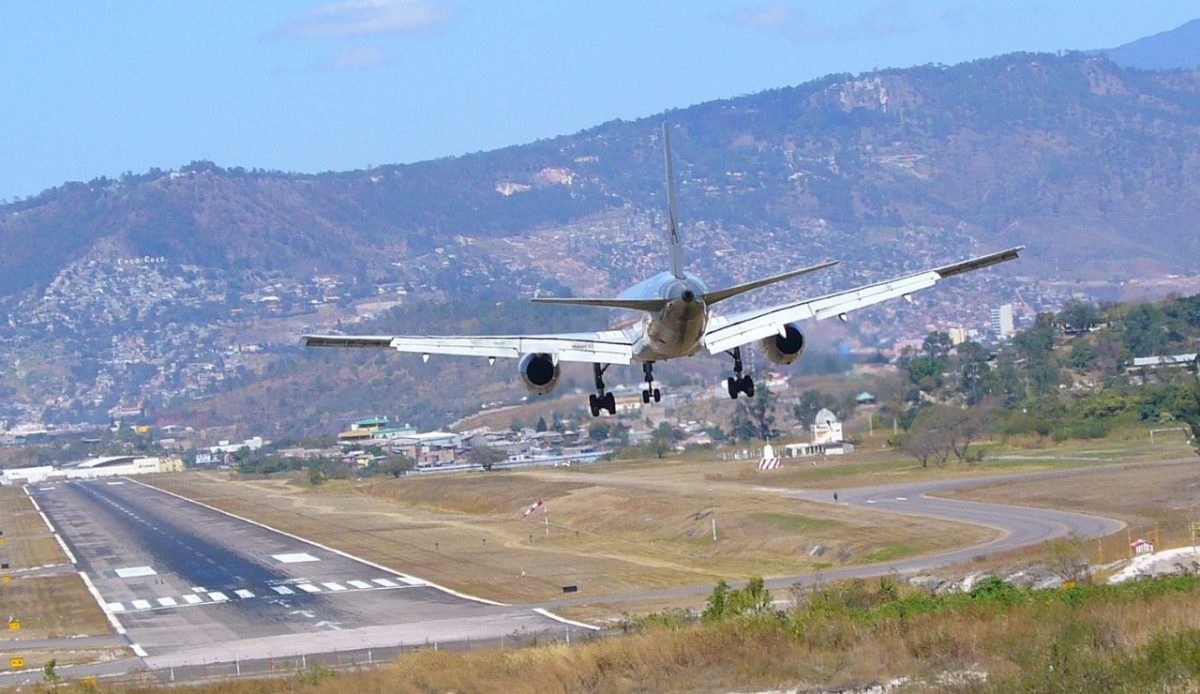
Toncontin challenges crews with sharp terrain and a curved approach path into a small valley. Pilots bank tightly to line up just before touchdown. The runway stays short for jets, so braking plans matter during every arrival. Warm weather lowers engine performance, which affects any go-around attempt. Crews coordinate flaps, thrust, and altitude checks together through each step. Hills near the city bring crosswinds and turbulence that can shift the aircraft on short final. Pilots review notes before arrival and maintain a strong focus from descent through rollout.
4. Princess Juliana Airport, Sint Maarten
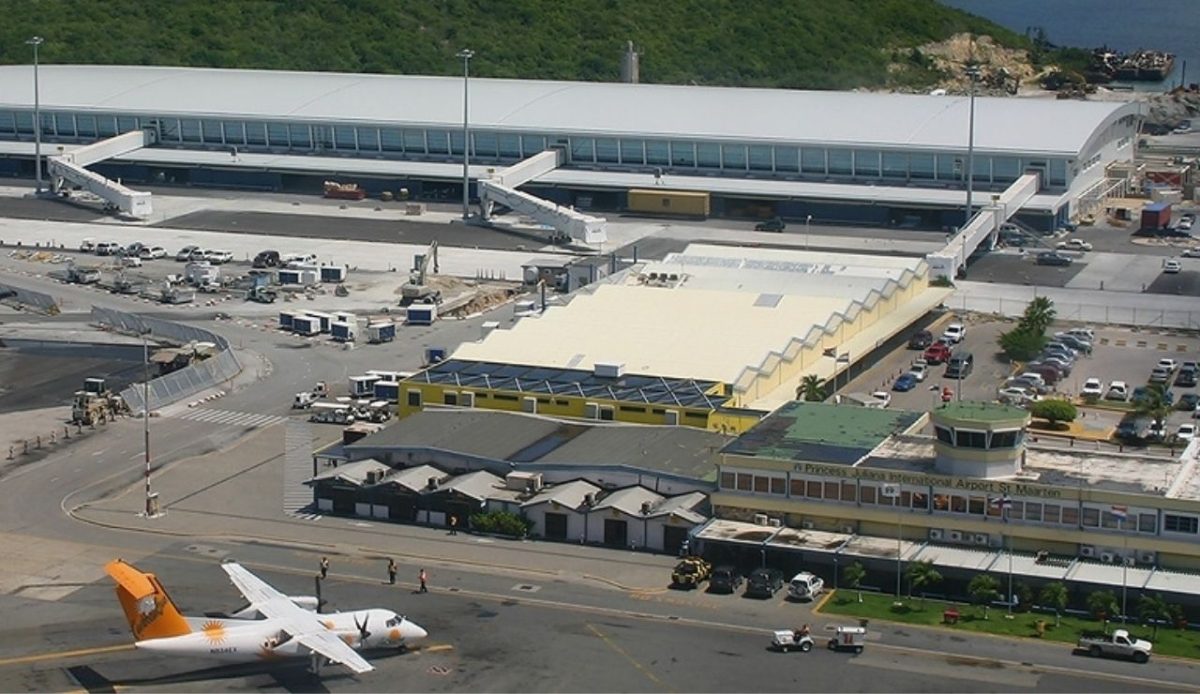
Princess Juliana is famous for low passes over a public beach, yet pilots care more about the short runway and shifting ocean winds. Captains prepare for gusts that push aircraft sideways near touchdown and rehearse speeds and braking settings. Large jets operate here, so weight and flap choices matter for every landing. Tourists gather at the beach for photos, but crews stay focused on centerline, speed control, and smooth correction. Traffic builds at peak travel hours, pushing pilots to manage timing and spacing without losing precision in the final seconds.
5. Gibraltar International Airport, UK Territory
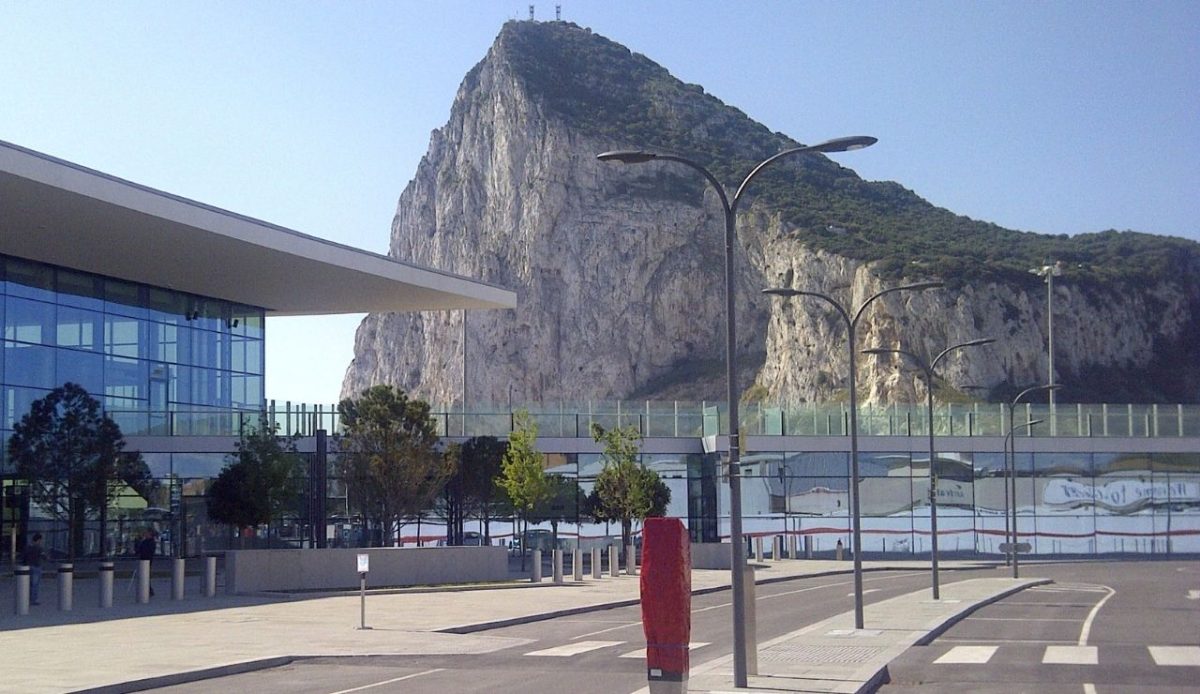
Gibraltar’s runway borders water and sits beside a tall limestone ridge that disrupts air flow. Pilots prepare for crosswinds and sudden bumps while approaching a tight strip. A public roadway crosses the runway, so teams stop traffic before each arrival or takeoff. Crews adjust power and pitch quickly when air shifts near the ridge. Limited space demands accurate touchdowns and planned braking. Airlines assign extra training here because one mistake can mean an immediate go-around or diversion. Pilots call this airport stressful yet manageable with practice and calm control.
6. Innsbruck Airport, Austria

Innsbruck requires pilots to fly through a deep Alpine valley with steep walls close to the flight path. Crews follow strict visual and instrument cues since straight-in paths are not possible. Weather often brings low clouds along the mountains, forcing extra altitude checks. Only qualified pilots enter this airport, and many train in simulators for curved descents. Winter adds snow that changes runway grip and affects stopping distance. Winds sweep through the valley and shift quickly, so pilots monitor airspeed and angle closely while holding a ready plan for escape turns.
7. Queenstown Airport, New Zealand
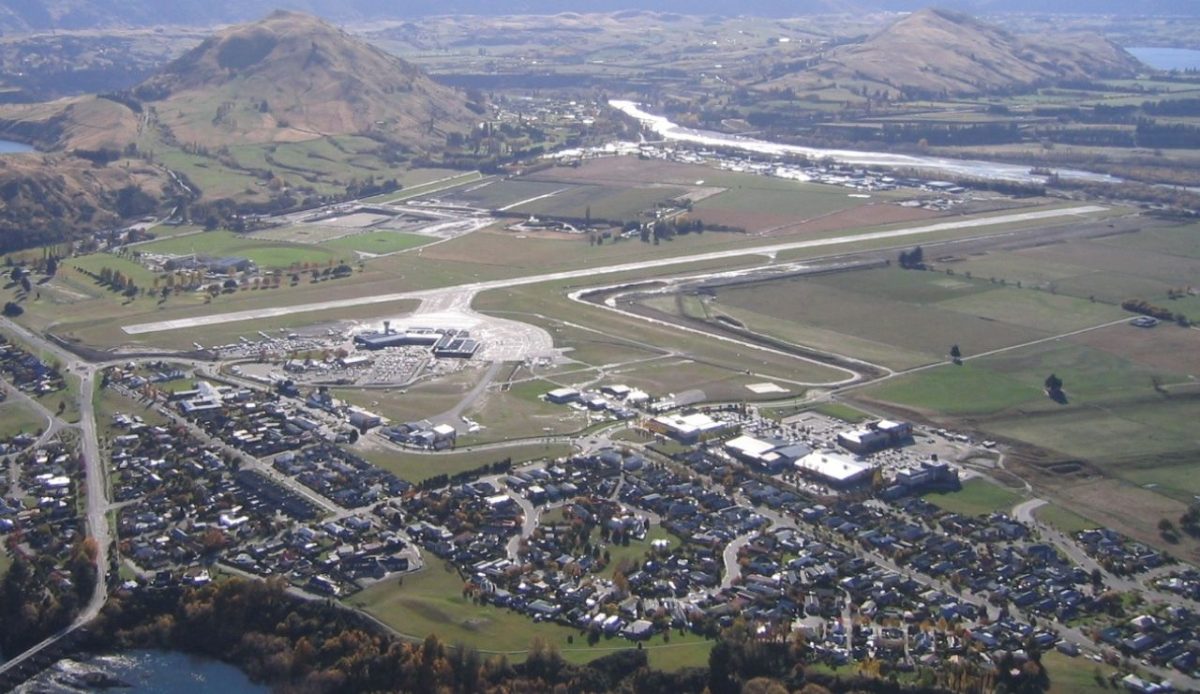
Queenstown lies near tall peaks and a winding lake that forces a controlled, curved arrival. Pilots swing through a valley while holding exact speeds, then roll wings level just before landing. The airport allows only certified crews, and many carriers require simulator runs for practice. Winds bend over the lake and create uneven lift, so pilots adjust power constantly. Winter clouds and icy runway spots add challenge. Safety teams watch conditions closely, and pilots plan alternates because sudden fog can block the final approach even when the weather seemed clear minutes earlier.
8. Madeira Airport, Portugal
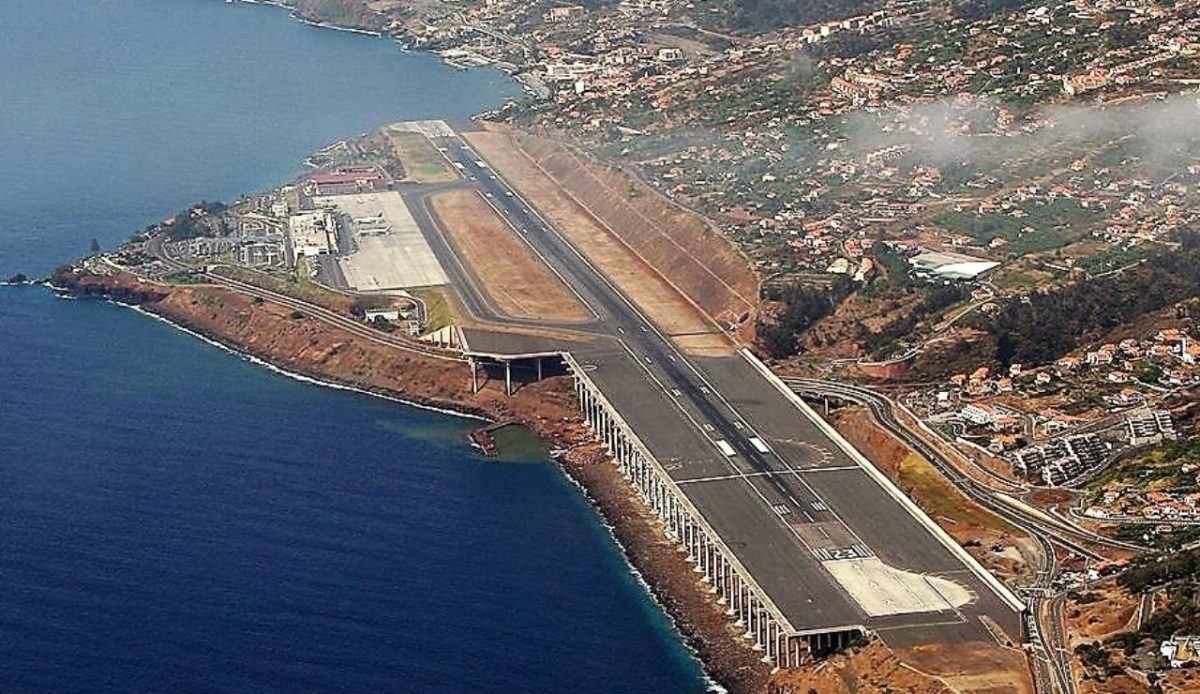
Madeira challenges pilots with strong gusts off the Atlantic and a runway partly supported by pillars above the sea. Crews track wind readings down to the last moment because gusts shift along the shore. The curved approach lines up late, and many pilots hand-fly to keep stable control. Wet runways from ocean spray or showers require strong brake plans and precise touchdown. Airlines brief terrain, wind behavior, and go-around points in detail. Captains say the landing feels intense yet satisfying when timing, speed, and drift corrections match the narrow safety window.
