
Airline loyalty programs used to feel like a cheat code: fly a bit, stack miles, and cash them in for a solid trip. Many travelers now say that the math is harder, the awards cost more, and the “free” perks come with extra hoops. Devaluations, dynamic award pricing, and crowded elite tiers are common complaints.
This doesn’t mean points are useless. It means value is increasingly situational: best for flexible dates, specific routes, and people who can consistently earn bonus points through cards or partners.
Below are eight major programs travelers often cite as offering less bang for the effort, and the specific friction points they run into.
1. Delta SkyMiles
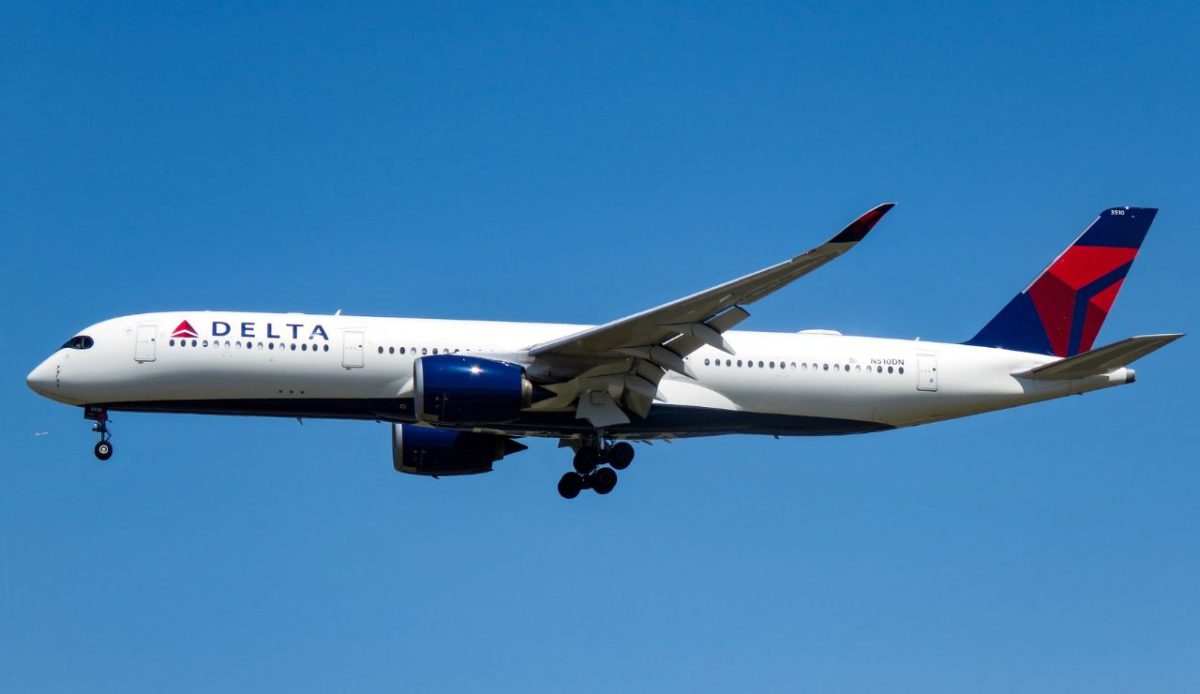
Travelers often complain that SkyMiles can feel like “SkyPesos” when award prices jump with demand. With dynamic pricing, the same route may cost wildly different miles week to week, making it tougher to plan and compare value.
Another pain point is that good deals can require flexibility and constant searching, which favors people who track fares like a hobby. If you need fixed dates, the miles-to-cash value may slide fast, especially on peak days.
The program still works for occasional flash sales and some partner redemptions, but many flyers say the predictability and “saver” level seats they relied on are harder to spot.
2. United MileagePlus
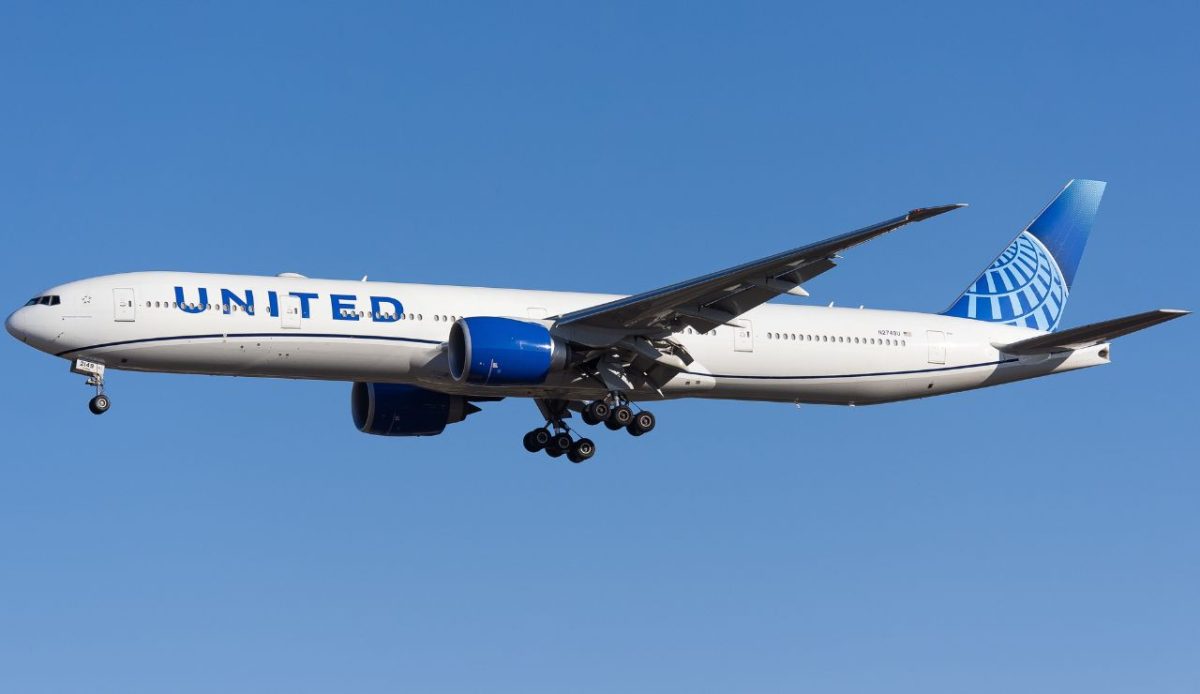
MileagePlus remains popular, but travelers say the value can shrink when award rates float upward during busy periods. Dynamic pricing makes it harder to know what a “fair” redemption looks like, especially for last-minute trips.
Some flyers also point to the growing gap between basic awards and the truly good deals that appear only on specific days or less convenient connections. That can turn a simple points trip into a puzzle, and upgrades can feel tougher as more people hold status through credit cards or promotions.
United’s partners and route network still help, yet many members feel they’re paying more miles for the same seat than they did a few years ago.
3. American AAdvantage
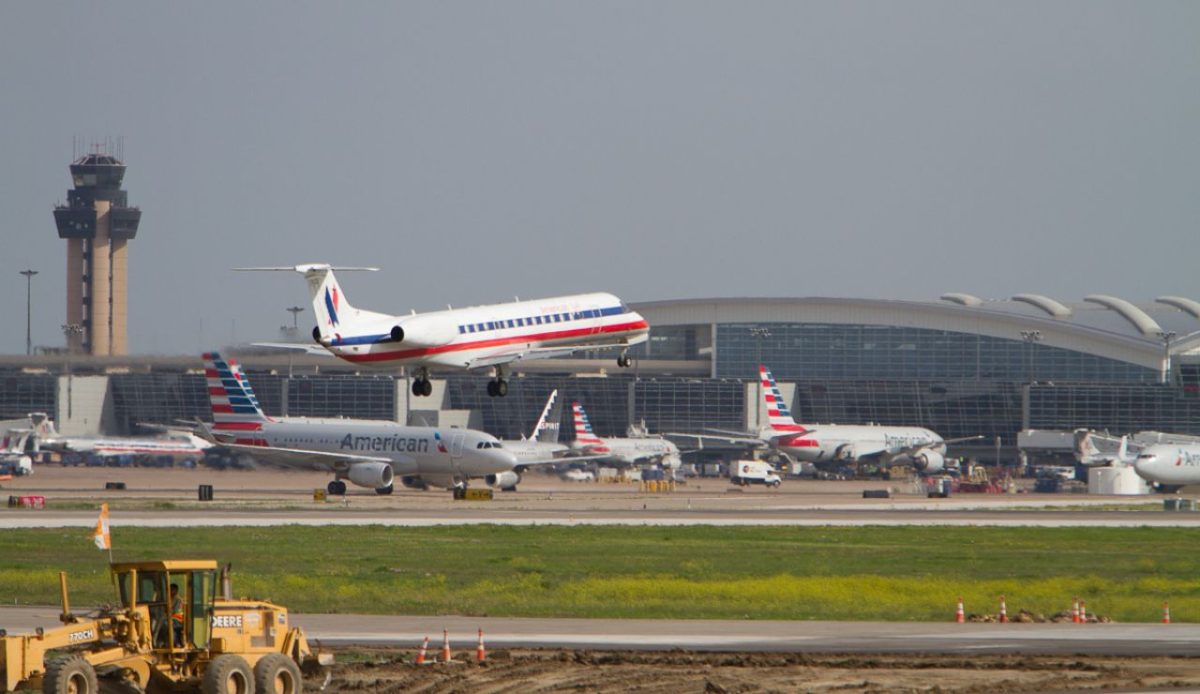
AAdvantage members often say the headline problem is higher mileage prices on many routes, especially when demand spikes and the lowest-level awards disappear quickly. When the cheapest awards aren’t available, the program can push you toward redemptions that look more like “pay with points” than a true deal.
Travelers also mention that earning can feel slower unless you’re using co-branded cards or shopping partners, which shifts the program away from “fly to earn.” That makes casual flyers feel left behind.
There are still sweet spots with certain partner flights, but many people say the easy, everyday value isn’t as obvious anymore.
4. Southwest Rapid Rewards
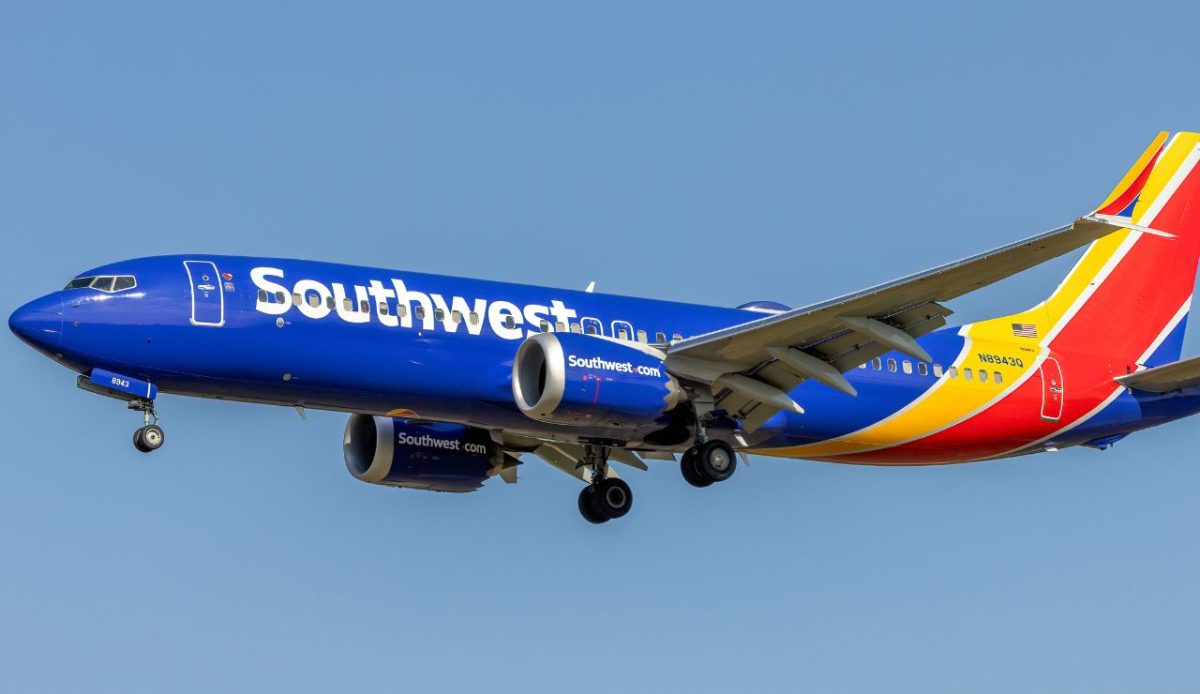
Rapid Rewards is straightforward, but travelers say “simple” can also mean less opportunity to outperform the cash price. Because points are tied closely to the fare, redemptions don’t always feel like a big win, especially when ticket prices rise.
Another frustration is that perks like early boarding and seat selection matter more now, yet the points program doesn’t directly solve that experience. If you end up paying extra for add-ons, the overall value can feel diluted.
Southwest still shines for domestic flexibility, and no change fees on many fares, but people who loved outsized awards say those moments are rarer.
5. JetBlue TrueBlue
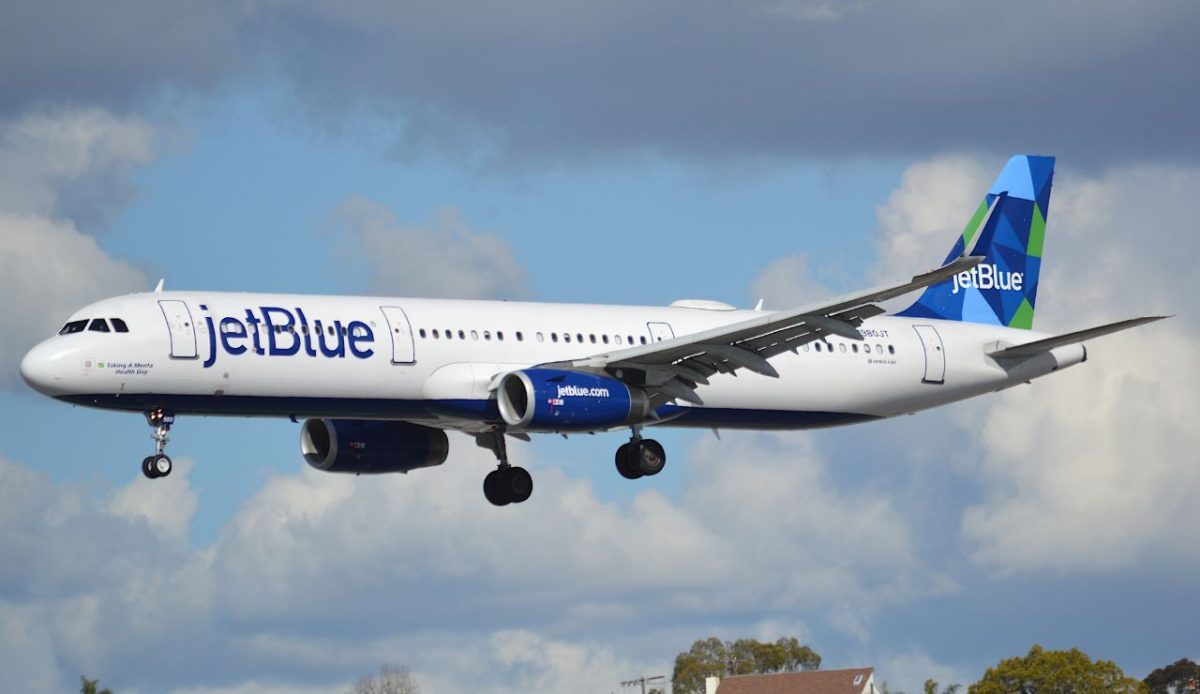
TrueBlue points are easy to use, but travelers often say the program has become more like a cash-back system than a “miles jackpot.” Since prices track the ticket cost, you may not find dramatic redemption bargains unless JetBlue runs a sale, and partner options can feel narrower than with the biggest global carriers.
Some members also feel squeezed by tighter availability on the most popular flights and times, which pushes point costs up when you actually want to travel. That can make the program feel less rewarding for families locked into school calendars.
JetBlue’s onboard experience keeps fans loyal, yet many say the loyalty math is less exciting than it used to be.
6. Air Canada Aeroplan
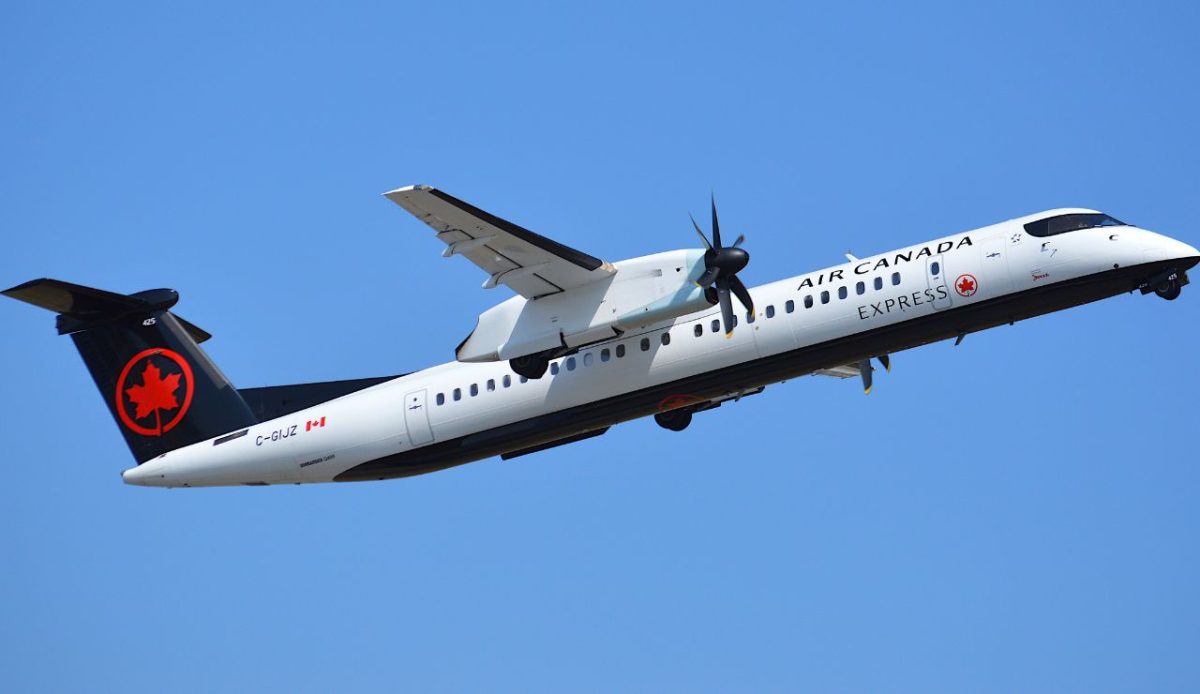
Aeroplan is praised for its partners, but travelers say value can slip when point requirements climb on high-demand dates and popular long-haul routes. When pricing varies by flight, you may need to hunt for the “right” departure time to avoid a steep points bill, which isn’t ideal if your schedule is fixed.
Members also note that surcharges, taxes, and add-on fees can change the real cost of an award ticket, especially on international itineraries. Even when the points look reasonable, the cash portion can sting.
Aeroplan still offers strong routing options, yet many flyers say the best deals take more strategy than they expected.
7. British Airways Executive Club (Avios)
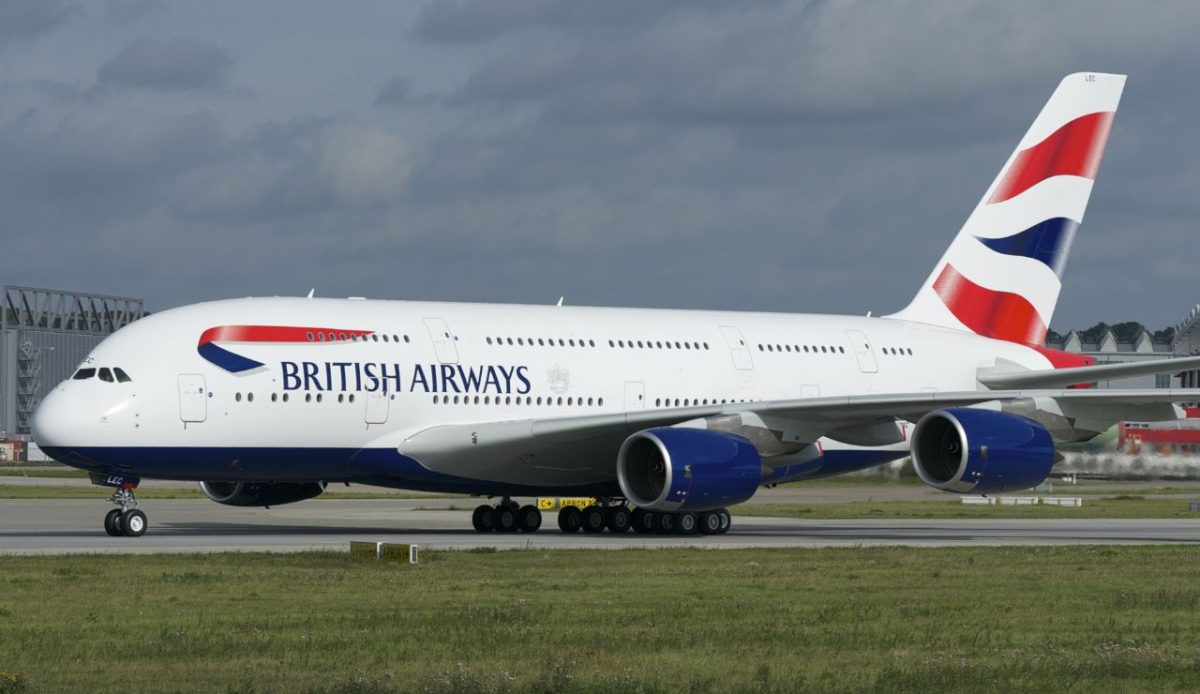
Avios can still be useful for short hops, but travelers often say the catch is the cash: taxes, fees, and carrier surcharges can be high on many long-haul awards. That can turn a “free flight” into a ticket that still costs hundreds of dollars, especially in premium cabins, where people expect the biggest payoff.
Another complaint is that peak pricing and limited reward seats can narrow your options on popular routes. If you’re not flexible, you may see Avios prices that feel closer to paying cash anyway.
The program remains handy for certain partner redemptions, but many members say the fee burden is what erodes the value.
8. Air France–KLM Flying Blue

Flying Blue fans like Promo Rewards, but travelers say regular award pricing can feel unpredictable, with point costs shifting as flights fill up. If you miss a promo window, the same itinerary may require far more miles than you budgeted.
Some members also report that availability on the most convenient nonstop flights can be tight, nudging you toward connections or off-hour departures to keep mileage costs reasonable. That trade-off matters if you’re traveling with kids or on a work schedule.
Flying Blue can still deliver value with the right timing, yet many flyers say it now demands more monitoring than loyalty used to.
