
For many U.S. fans, traveling for a World Cup is supposed to be the payoff. The flights, the tickets, the planning all lead to the promise of shared joy, easy logistics, and a sense that the host city actually wants you there. But that expectation doesn’t always survive contact with reality. In some cities, high costs, strict rules, confusing transportation, or a lack of fan-friendly culture turned what should have been a once-in-a-lifetime experience into a lesson in frustration. These destinations delivered world-class football, but the surrounding experience often felt closed off, overpriced, or indifferent to visiting supporters. The result was a growing sense among American fans that the city hosting the matches wasn’t built for them, or worse, didn’t care if they struggled.
1. Doha
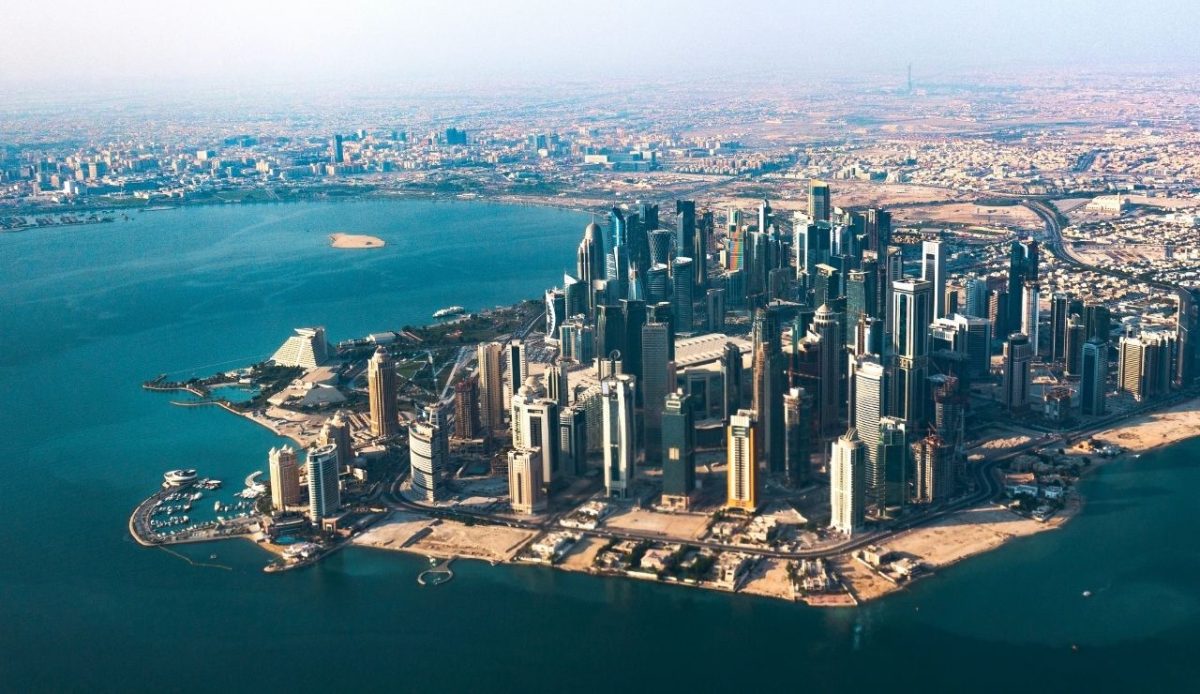
The disappointment for many U.S. fans in Doha came less from the football and more from the reality on the ground. The city delivered gleaming stadiums and flawless transportation on paper, but the experience often felt tightly controlled and unexpectedly expensive. Alcohol access was limited and frequently restricted to specific zones or hotels, which caught many traveling fans off guard. Prices for lodging surged far beyond early estimates, forcing late planners into long commutes or last-minute compromises. Cultural expectations around dress, behavior, and public celebrations were not always clearly communicated, leading to confusion and discomfort. Even simple fan rituals like post-match bar hopping or spontaneous street celebrations felt constrained. What this really means is that many U.S. supporters arrived expecting a global party and instead encountered an environment where spontaneity was limited, and rules were enforced unevenly. The football was elite, but the fan experience felt filtered through layers of regulation that never fully relaxed.
2. Mexico City
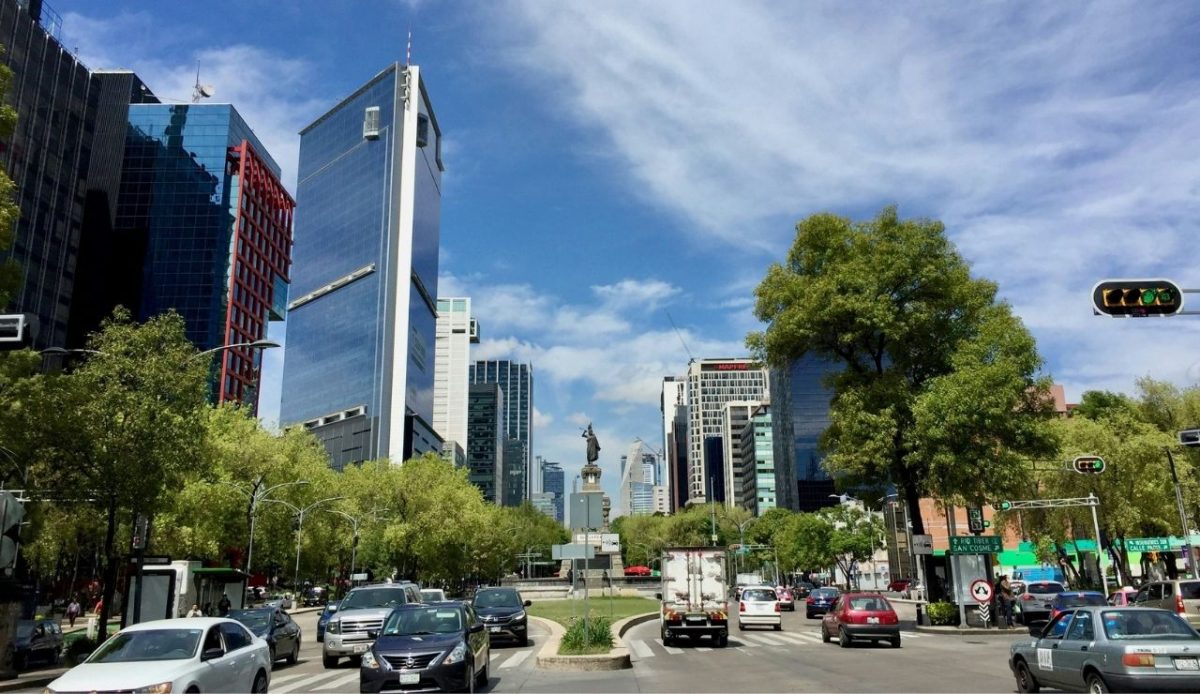
Mexico City has legendary football energy, but U.S. fans often find that the intensity cuts both ways. The altitude alone is a shock, affecting not just players but visitors who underestimate how quickly it can drain energy. Add traffic congestion that turns short distances into hour-long journeys, and match day logistics can unravel fast. Ticket availability has historically favored local buyers, leaving visiting fans scrambling on resale markets at inflated prices. Security concerns also surface regularly, with warnings about pickpocketing and scams increasing around major tournaments. While the atmosphere inside the stadium is electric, the surrounding infrastructure struggles under the weight of massive crowds. For American fans used to predictable transit and clear signage, navigating the city during peak match windows can feel overwhelming. The passion is real, but the experience demands more endurance and preparation than many expect going in.
3. Buenos Aires
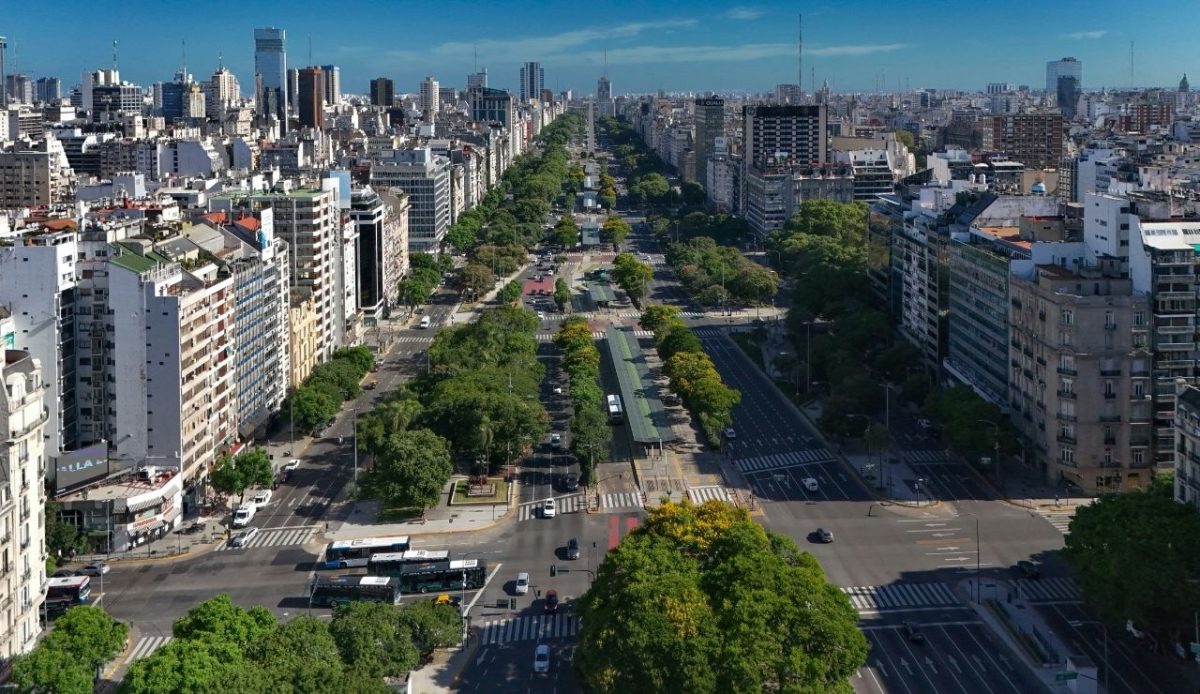
Buenos Aires offers one of the most intense football cultures on the planet, and that intensity can quickly alienate visiting supporters. Local loyalty runs deep, and neutral or opposing fans often feel invisible at best and unwelcome at worst. Stadium access has historically been complex, with restrictions on away supporters and confusing ticket distribution systems. Inflation and currency controls add another layer of stress, as prices fluctuate rapidly and card payments do not always work as expected. Even finding reliable transportation after late matches can be challenging, especially outside central neighborhoods. U.S. fans expecting hospitality similar to North American sporting events may be surprised by how little the city adjusts for outsiders during major tournaments. The football culture is authentic and powerful, but it prioritizes local identity over visitor comfort, which can feel like a cold shoulder rather than a celebration.
4. Moscow
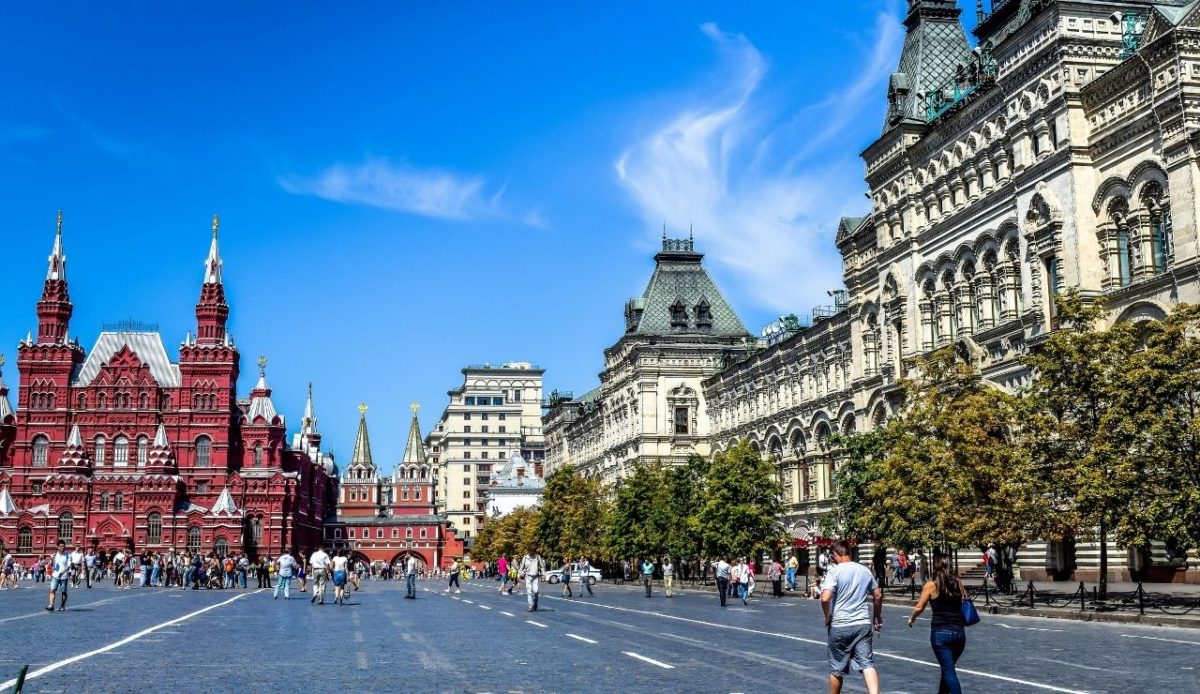
Moscow’s World Cup reputation was shaped by a sharp contrast between promise and reality. While the city invested heavily in infrastructure for the tournament, visa requirements and geopolitical tensions created barriers long before fans even arrived. Language gaps were significant, with limited English signage outside official zones making navigation stressful. Security was visible everywhere, which reassured some travelers but unsettled others who felt constantly monitored. Payment systems were inconsistent, especially for foreign cards, and sudden policy changes added to the uncertainty. U.S. fans often reported that interactions outside tourist areas felt guarded rather than welcoming. The matches themselves were well organized, but the surrounding experience lacked warmth and accessibility. For many American supporters, Moscow felt efficient but emotionally distant, delivering a functional tournament without the sense of shared celebration that defines a great World Cup city.
5. Rio de Janeiro
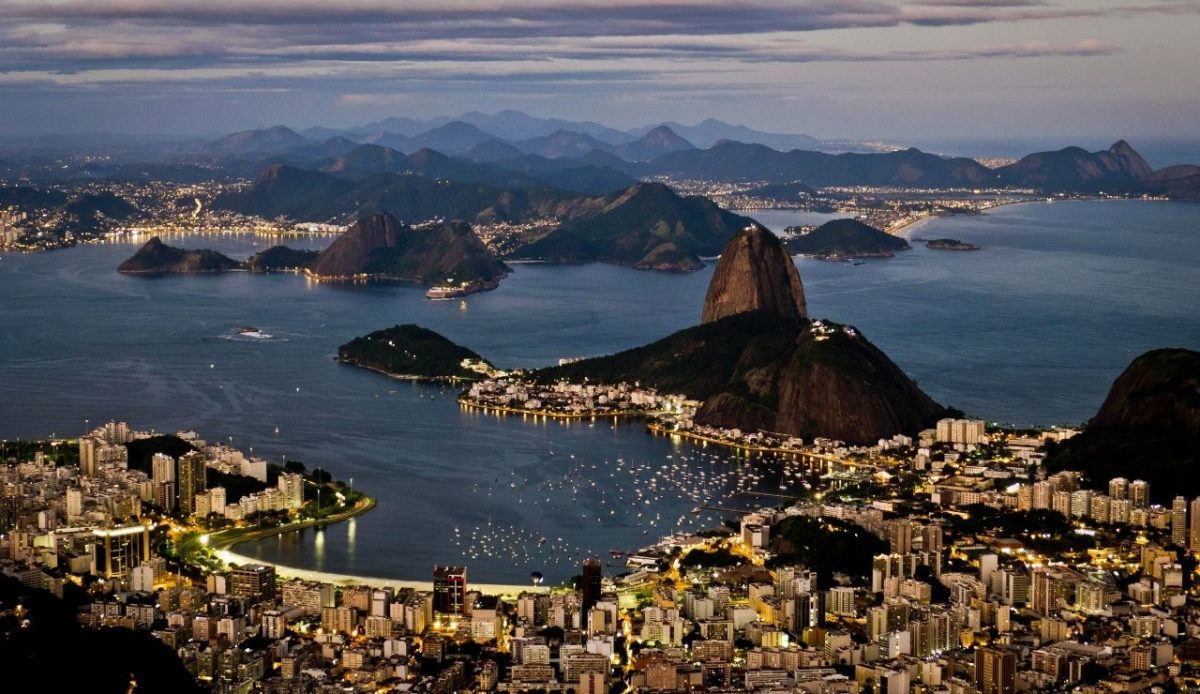
Rio de Janeiro promised a carnival atmosphere and delivered unforgettable visuals, but the fan experience came with trade-offs that many U.S. visitors were not prepared for. Stadium locations often required long travel times through crowded transit systems, especially for those staying outside premium zones. Safety concerns were not abstract, with frequent warnings about theft shaping how fans moved and dressed. Prices for food, accommodations, and transportation spiked dramatically during tournament periods, erasing any perception of affordability. Even iconic areas became difficult to enjoy amid heavy policing and restricted access. While Brazilian fans brought unmatched energy and joy, visiting supporters sometimes felt like spectators rather than participants. The city’s beauty and football culture were undeniable, but the logistical and financial strain left many U.S. fans feeling exhausted rather than exhilarated by the end.
6. Paris
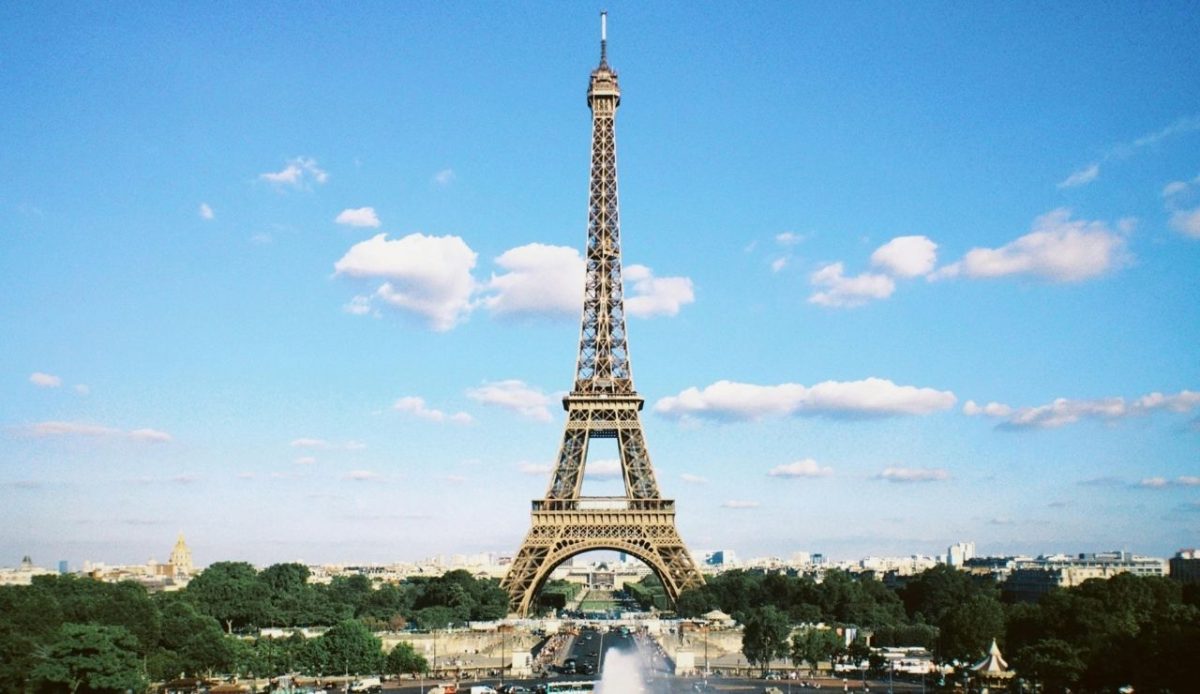
Paris carries global prestige, but that polish does not always translate into a smooth World Cup experience for American fans. High costs are the most immediate shock, with hotels, meals, and tickets often priced well above expectations. Stadium access can involve complex transit routes that become crowded and confusing on match days. Language barriers are subtle but real, especially when issues arise, and quick problem-solving is needed. Security measures, while necessary, can slow entry and dampen the festive mood around venues. Many U.S. supporters report feeling like just another tourist rather than a welcomed guest in a football celebration. The city offers culture and history in abundance, but during major tournaments, it can feel stretched thin and less accommodating to the needs of traveling fans.
7. London
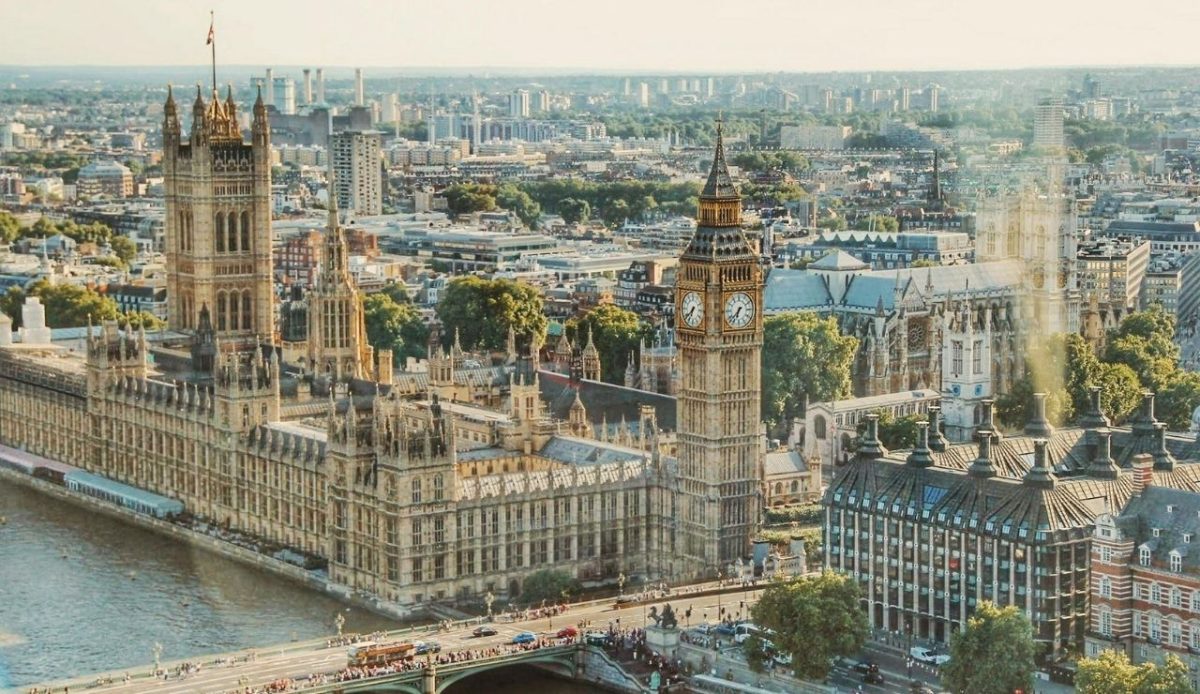
London’s football heritage sets expectations sky high, which is exactly why some U.S. fans leave disappointed. Ticket access has long favored locals and season holders, making it difficult for international visitors to secure seats without paying steep premiums. Accommodations fill quickly, pushing fans far from stadiums and increasing travel time and costs. Strict crowd control and alcohol regulations around matches limit the spontaneous fan culture many Americans expect. Even pub traditions can feel exclusive, with unspoken rules that newcomers struggle to navigate. While the matches themselves are steeped in history, the surrounding experience often feels more procedural than celebratory. London knows football better than almost anywhere, but it does not always bend to accommodate visiting fans, leaving some Americans feeling like outsiders at a party they traveled far to attend.
