
In a few corners of the United States, daily plans still hinge on tides, snowpack, river flow, and animal movement. Jobs start earlier when the wind is calm, routes change when the water rises, and food harvests depend on short seasonal windows. These communities are wildlife-rich for real, not as a slogan, because migratory birds, large mammals, and marine species remain close to homes and work sites. Living well requires attention to forecasts, closures, and safe storage, since nature sets limits that cannot be ignored. People adjust errands, school pickups, and weekend trips to match what the season allows, day by day.
1. Everglades and Florida Bay, Florida
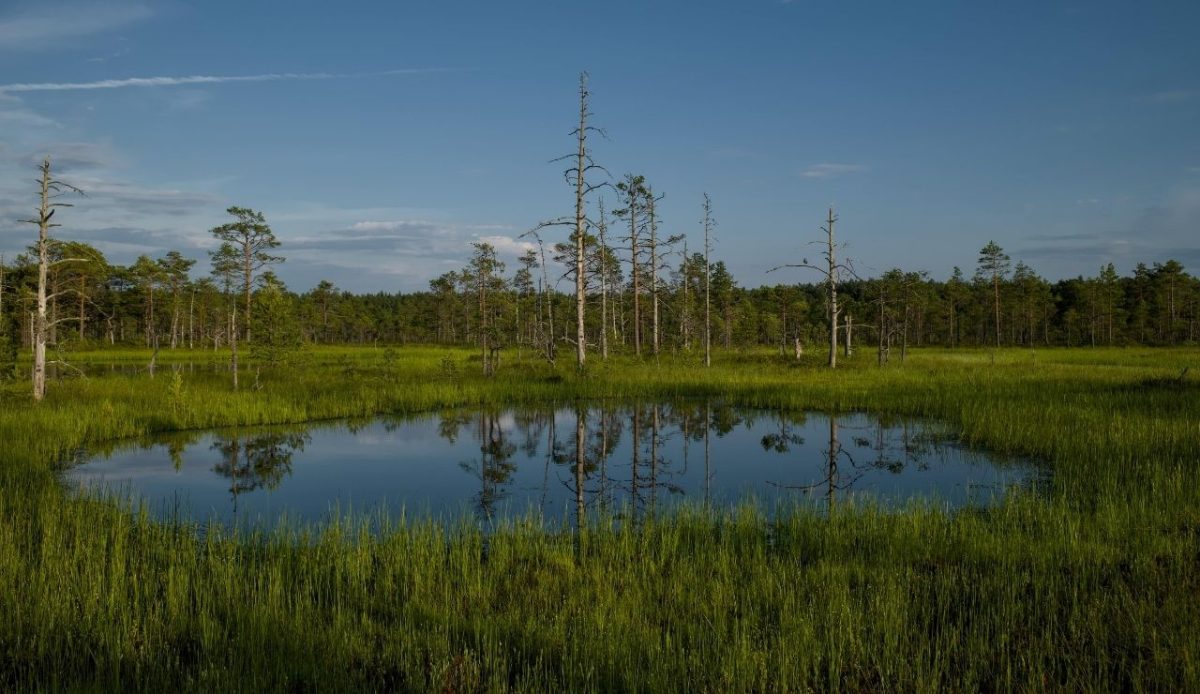
In the Everglades and Florida Bay, the wet and dry seasons decide what is reachable and when. Flooded roads, lightning storms, and sawgrass fires can shift travel plans in hours. Airboats, skiffs, and raised walkways are used because water levels change fast. Alligators and wading birds keep people alert near canals and docks, while restoration releases and storms affect fishing days. Neighborhood routines often follow tide charts and rainfall totals more than a calendar. Water managers move flow through gates and pumps, and local crews watch salinity and algae advisories that can close ramps.
2. Greater Yellowstone Ecosystem, Wyoming, Montana, Idaho
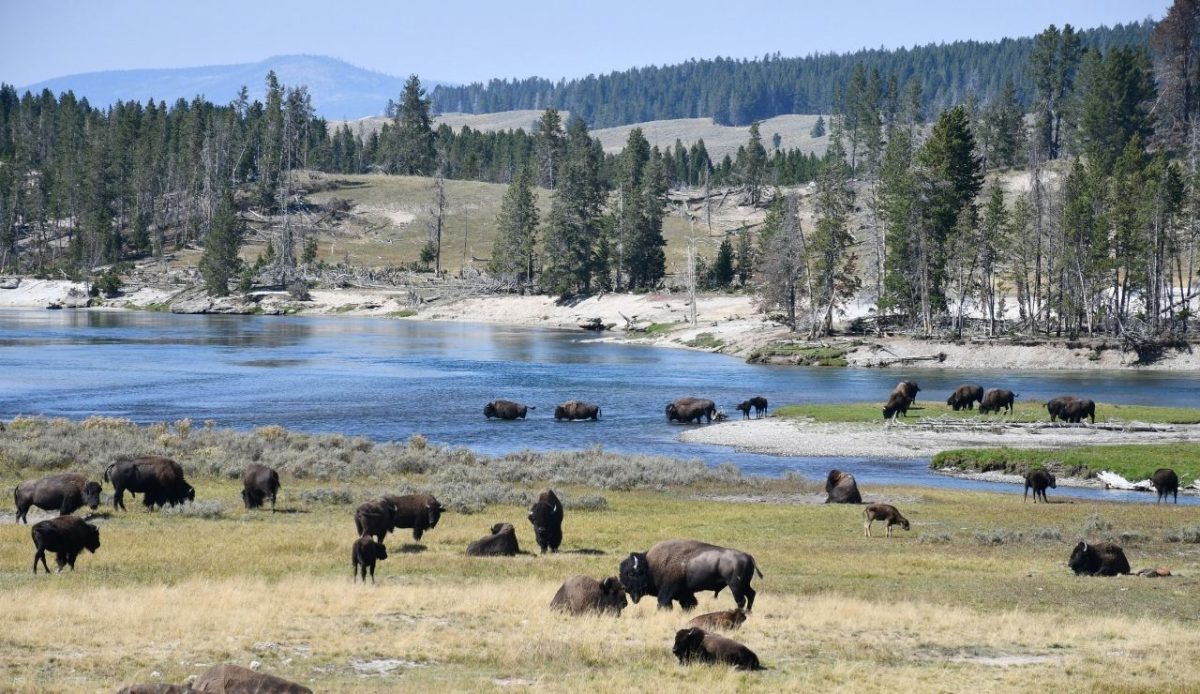
In the Greater Yellowstone Ecosystem, living near bison, elk, wolves, and grizzlies shapes ordinary choices. Bear spray is carried on short walks, garbage is locked up, and carcass reports can change where kids wait for a bus. Ranch work is adjusted with range riders and guard animals, and some pastures are avoided during peak conflict weeks. Road trips are planned around storm passes and wildlife jams, since closures and slow zones are common when herds move. In spring, calving areas and trail restrictions steer hikers away, and public alerts are shared when bears enter town limits. Even mailboxes may be reinforced.
3. Kodiak Island and Kodiak National Wildlife Refuge, Alaska
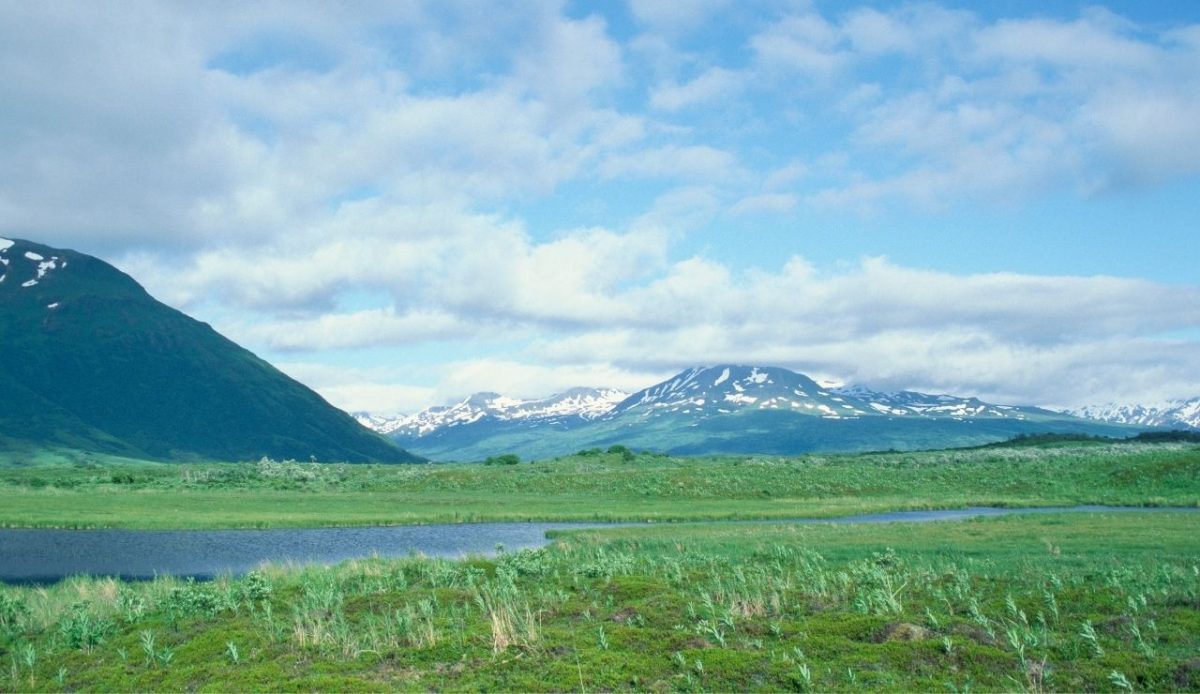
On Kodiak Island, weather and brown bears influence daily timing more than fixed schedules. Fog can ground flights, swell can halt ferries, and supplies are stocked with delays in mind. Fish camps and berry picking require strict food storage, since bears move through trails and shorelines. Subsistence hunting and fishing seasons guide freezer space, fuel use, and family travel between villages. People plan hikes in groups and read fresh tracks before stepping off the road. Much of the island lies within a national wildlife refuge, so river access and camping rules can change to protect salmon streams.
4. Monterey Bay, California
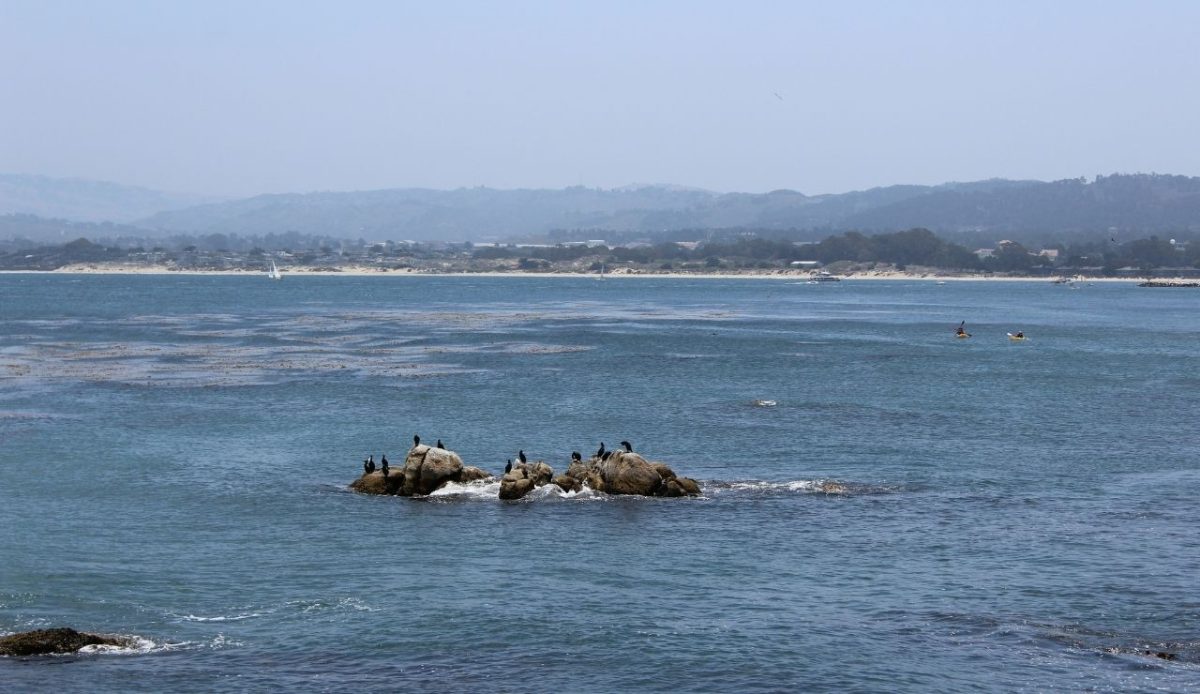
Around Monterey Bay, the ocean sets the workday. Upwelling brings krill and schooling fish that attract whales, sea otters, seals, and seabirds close to harbors. Boat tours and research trips start when the wind is low, and fog can cancel launches with little notice. Kelp forests shape diving routes and fishing access, while sanctuary rules guide distances and speeds near wildlife. Harbor traffic patterns often follow migration timing and sea state reports. During algal blooms, warnings may be posted for shellfish and beaches, and stranding teams can draw volunteers at dawn. Local schools even plan field days around tide cycles.
5. Atchafalaya Basin, Louisiana
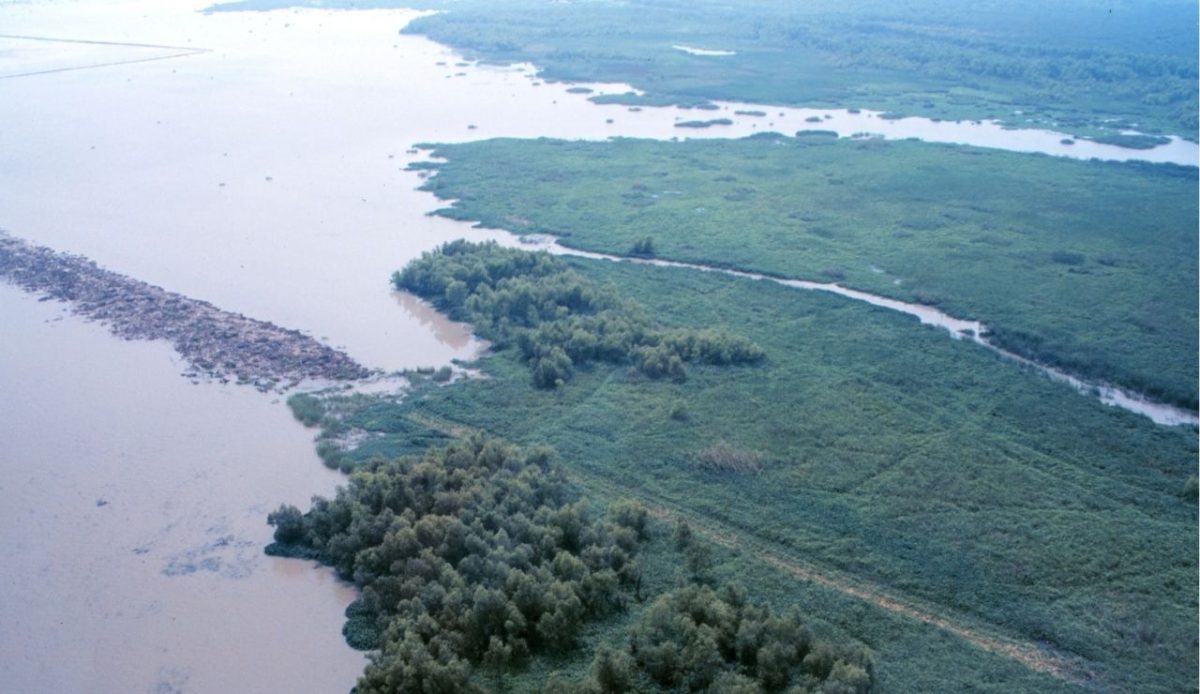
In Louisiana’s Atchafalaya Basin, the river’s rise and fall governs movement and work. When water spreads into the swamp, boat lanes open through cypress and tupelo, and when levels drop, routes close or shift. Crawfish harvesting, catfish lines, and duck hunting seasons depend on flooding patterns and cold snaps. Residents track rainfall upriver because it can change local conditions days later. Home repairs, commutes, and even school pickups are planned with high water and storm surge in mind. Alligators, snakes, and nesting birds affect where gear is stored and where kids play, and docks are built to float with the current.
6. Chincoteague and Assateague Islands, Virginia, Maryland
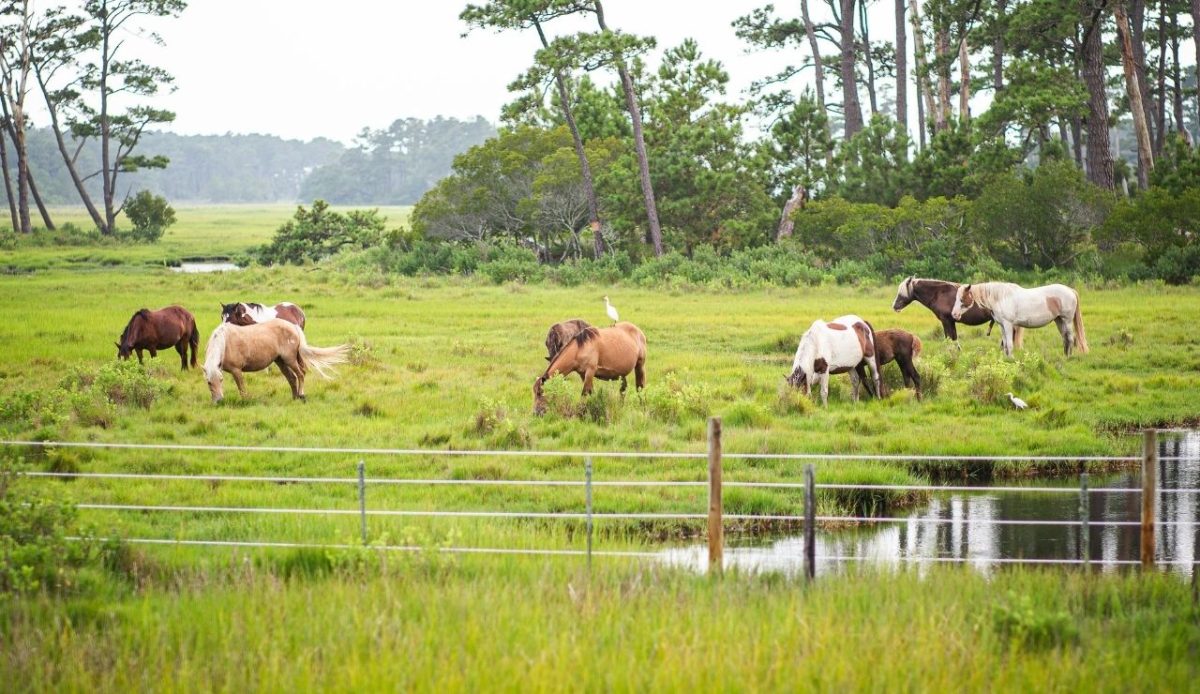
On Chincoteague and Assateague, the change on the barrier islands is felt from week to week. Storm tides and shifting sand can close beach roads, reroute footpaths, and limit driving permits. Wild ponies cross streets and graze near yards, so traffic slows and fencing is maintained with animals in mind. Nesting seasons for shorebirds affect where people walk, fish, and fly kites. The annual pony swim draws crowds and requires local planning for safety, parking, and public services. Wind-driven salt spray and mosquitoes shape outdoor hours, and evacuation decisions are guided by surge forecasts more than rainfall totals.
7. Stellwagen Bank and Coastal Ports, Massachusetts
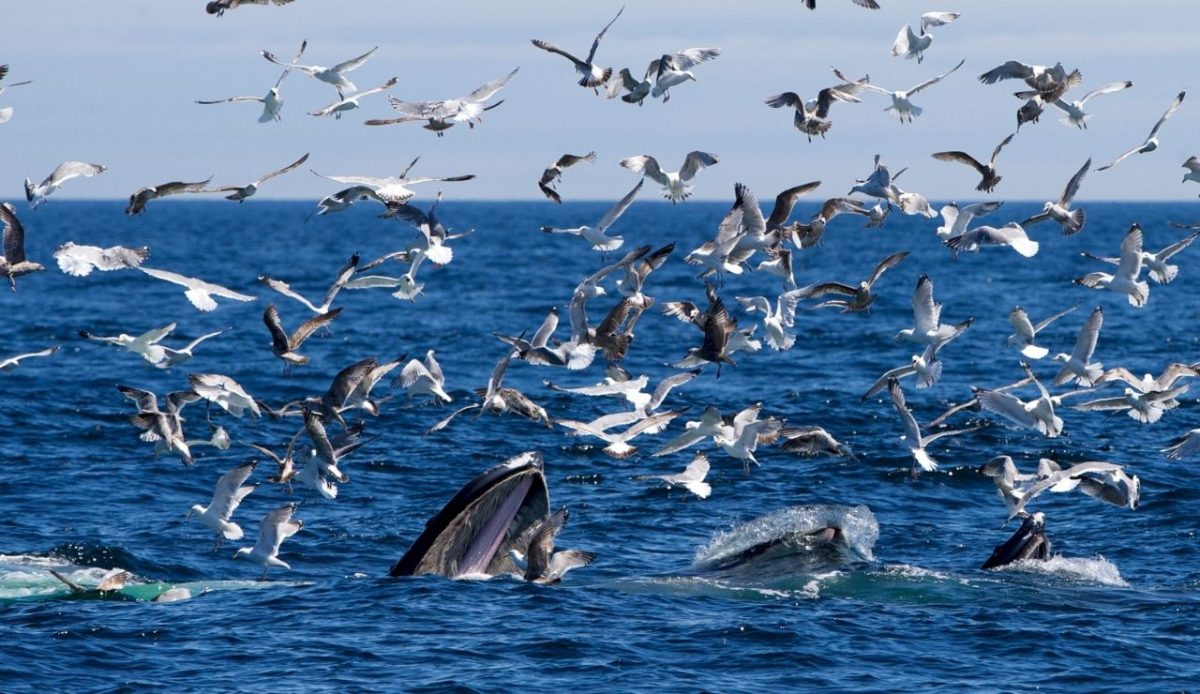
Along Massachusetts’ ports tied to Stellwagen Bank, the presence of whales influences how boats operate. Humpbacks and fins feed near the surface, so captains adjust speeds, routes, and lookout practices to reduce strike risk. Trip departures depend on wind, swell, and visibility, which can change revenue and staffing on short notice. Commercial fishing plans also respond to closures and gear rules meant to protect marine life. Many households read marine forecasts daily because safety and income are linked to the same sea conditions. When a whale is reported entangled, radios light up, and volunteers may monitor until responders arrive.
