
Japan is often associated with Tokyo’s neon lights, Kyoto’s temples, and Mount Fuji’s iconic peak, but beyond these well-trodden spots lies a treasure trove of hidden destinations. These underrated places offer breathtaking scenery, rich traditions, and a more authentic experience away from tourist crowds. From serene coastal towns to ancient mountain villages, they reveal a quieter, deeper side of Japan. For travelers seeking something unique, these overlooked gems provide an opportunity to connect with the country in unexpected ways.
1. Kanazawa
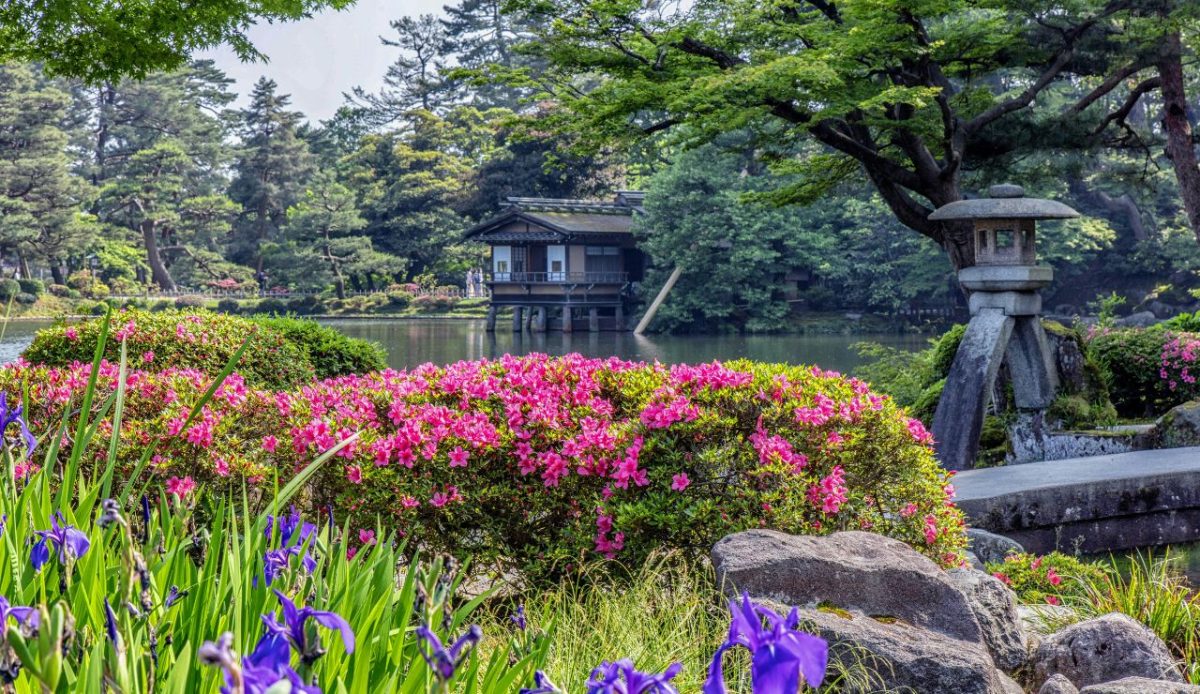
Kanazawa blends history and artistry in a way that feels timeless yet accessible. Known for Kenrokuen Garden, one of Japan’s most beautiful landscapes, the city also boasts a well-preserved samurai district and elegant teahouses. Its thriving art scene includes contemporary museums and gold leaf workshops. Despite its cultural depth, Kanazawa sees far fewer visitors than Kyoto, making it a perfect alternative for travelers craving tradition without the heavy crowds. With its mix of history, gardens, and creativity, Kanazawa is a true hidden gem.
2. Takayama
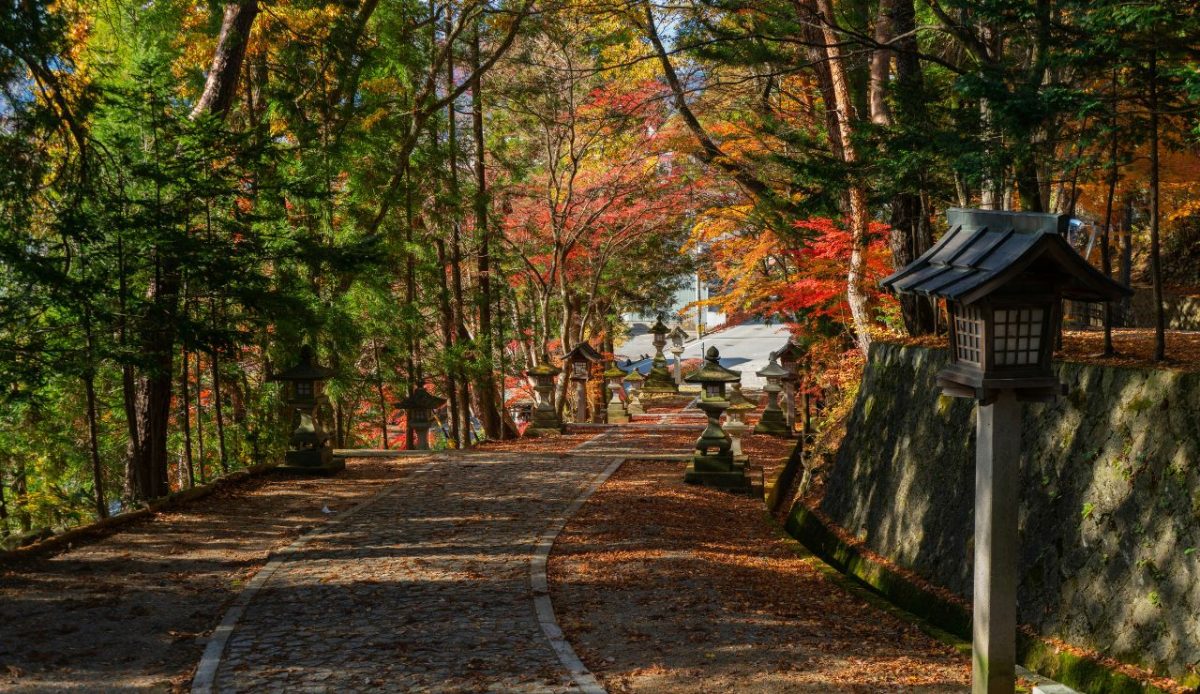
Tucked in the Japanese Alps, Takayama charms visitors with its Edo-period streets, wooden merchant houses, and morning markets brimming with local produce. The town offers a step back in time, where travelers can stroll past sake breweries and centuries-old architecture. Seasonal festivals bring color and tradition to life, while nearby Hida villages showcase Japan’s rural heritage. With fewer tourists than Kyoto or Tokyo, Takayama is ideal for those seeking history, mountain air, and authentic Japanese hospitality.
3. Shodoshima
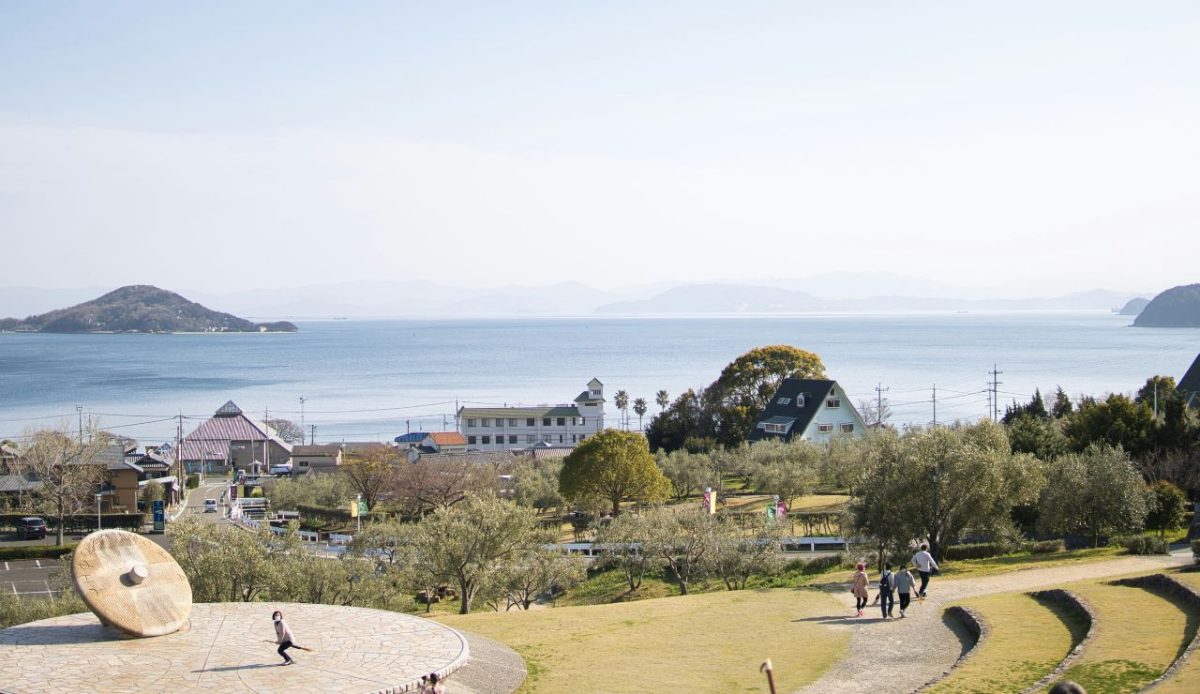
Shodoshima, or “Small Bean Island,” is famous for its olive groves, Mediterranean climate, and artistic flair. Located in the Seto Inland Sea, the island blends Japanese culture with a touch of Europe. Visitors can explore olive parks, stunning coastlines, and creative installations from the Setouchi Triennale art festival. Traditional soy sauce breweries add a distinctly local flavor to the experience. Shodoshima remains off the radar for many tourists, offering a refreshing and unique escape with a slower pace of life.
4. Matsue
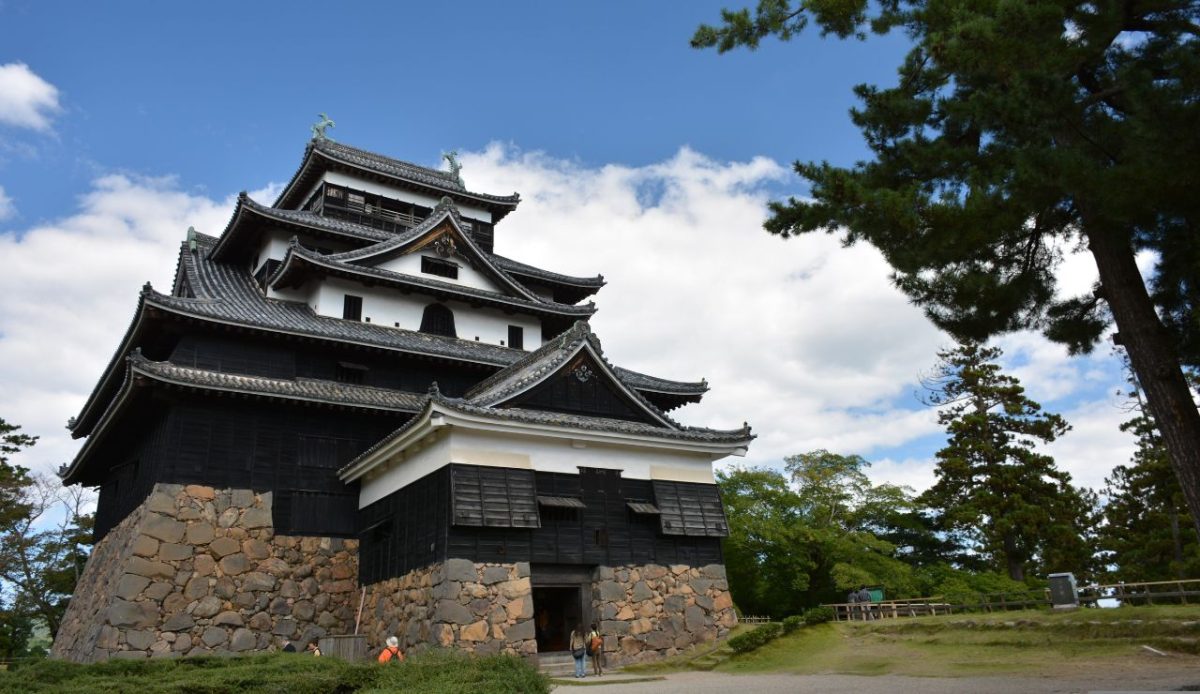
Matsue, the “City of Water,” sits along Lake Shinji and is one of the few cities in Japan with an original feudal castle. Its samurai past still lingers in quiet streets and historic residences. Visitors can take boat rides along its scenic canals or explore nearby Izumo Taisha, one of Japan’s most important Shinto shrines. With its blend of folklore, history, and natural beauty, Matsue captures a side of Japan that feels both traditional and deeply spiritual, yet rarely crowded.
5. Hagi
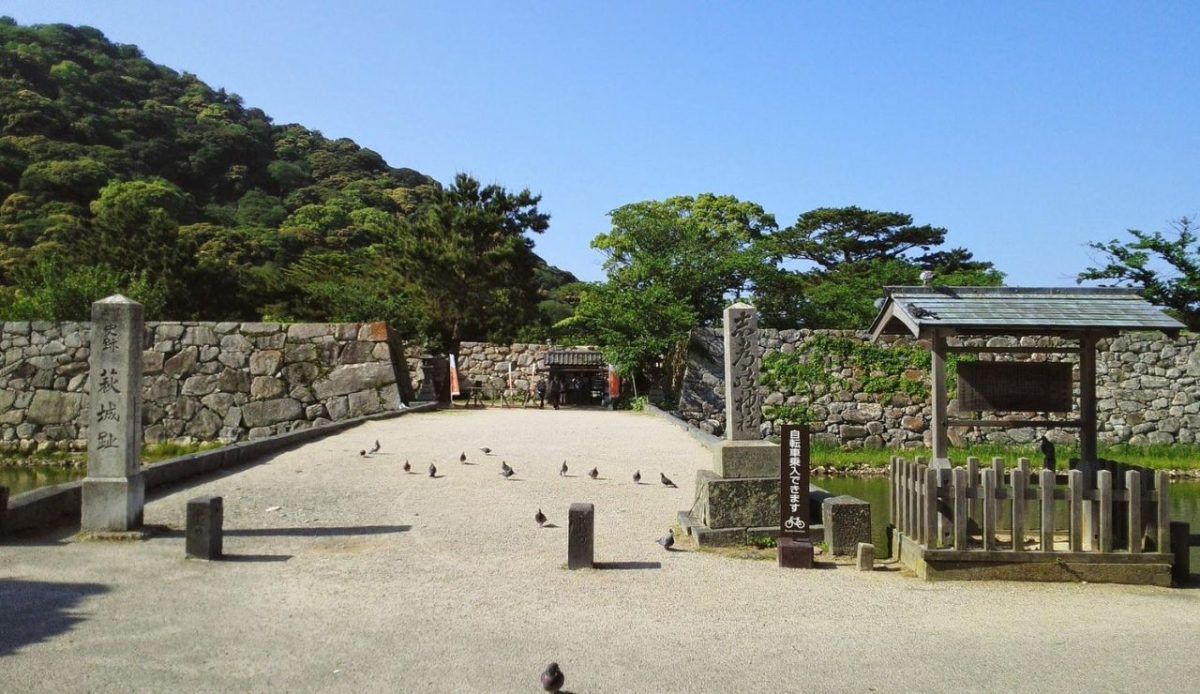
Hagi is a coastal town rich in samurai heritage, once a powerful castle city. Its preserved streets, white-walled residences, and pottery traditions make it a cultural gem. The town played a key role in Japan’s Meiji Restoration, and its history can be explored in well-preserved districts and museums. Hagi is also famous for its high-quality ceramics, a tradition carried on for centuries. Overlooking the Sea of Japan, it offers a quiet yet deeply historic atmosphere that remains overlooked by most travelers.
6. Yakushima
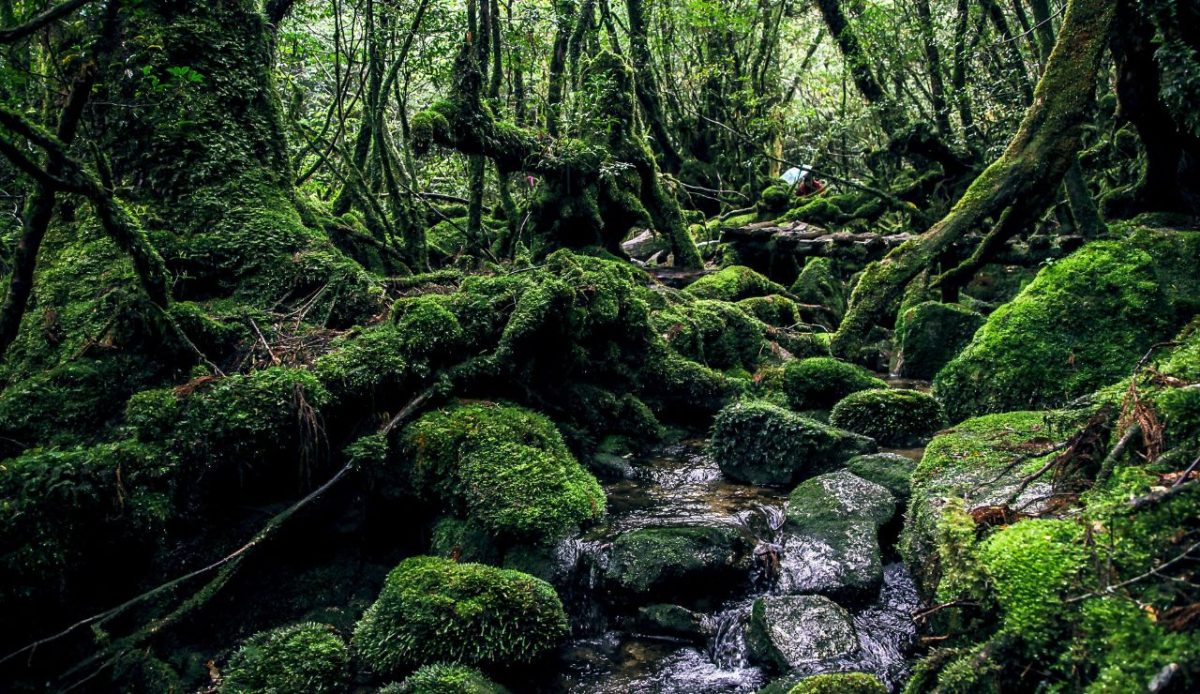
Yakushima is a subtropical island south of Kyushu, famed for its ancient cedar forests that inspired Studio Ghibli’s Princess Mononoke. Hiking trails lead through moss-covered valleys, towering trees, and misty peaks that feel almost otherworldly. The island’s natural diversity also includes beaches where sea turtles nest. Recognized as a UNESCO World Heritage site, Yakushima offers unmatched outdoor adventures. Despite its beauty, it remains less visited than Japan’s main attractions, making it a paradise for hikers and nature lovers alike.
7. Kurashiki
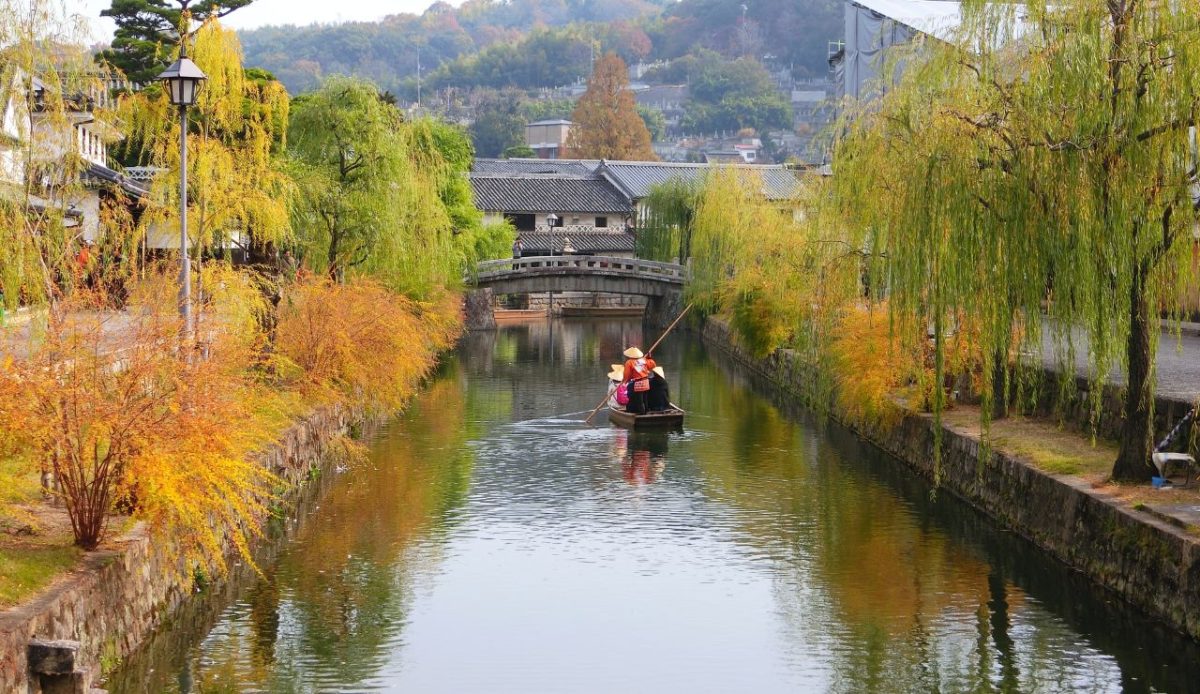
Kurashiki enchants visitors with its preserved Edo-era canal district, where white-walled storehouses and willow trees line the waterways. Once a hub for rice trade, the town has transformed into a center for art and culture, housing the Ohara Museum of Art, Japan’s first Western art museum. Boat rides through the canals and charming backstreets add to its romantic appeal. Often overshadowed by larger cities, Kurashiki offers a peaceful yet culturally rich experience that reveals Japan’s elegance in a slower rhythm.
