
America’s interstate system revolutionized travel, but not all areas were connected equally. While major cities enjoy wide, modern highways, some rural and fast-growing regions are still stuck with outdated or incomplete road networks. These gaps hurt local economies, slow down emergency response, and limit access to jobs, schools, and healthcare. Here are seven U.S. regions where a new or extended interstate could dramatically improve life for residents and visitors alike.
1. Appalachian Region
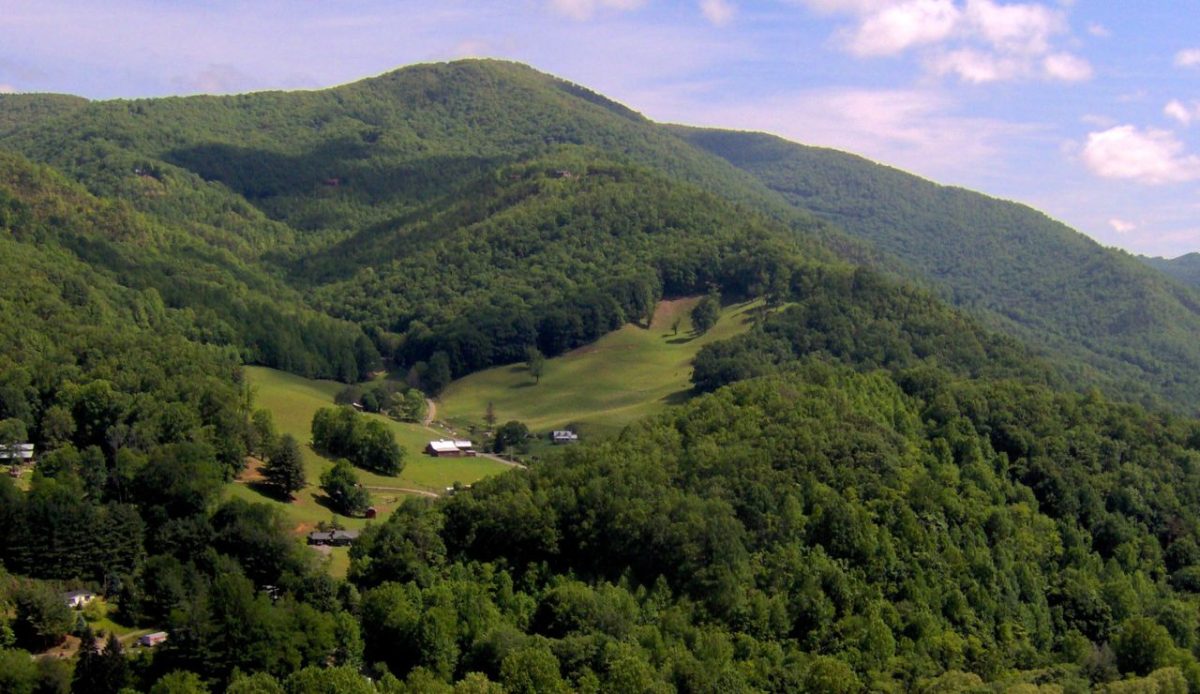
The Appalachian areas of eastern Kentucky, southern West Virginia, and western Virginia are filled with natural beauty, but their winding roads are outdated and often unsafe. Long travel times and limited access to larger markets hold back economic growth. New interstate routes could improve job opportunities, boost tourism, and make medical and educational access easier for residents. These communities have been overlooked for too long and deserve better infrastructure.
2. Northern New England
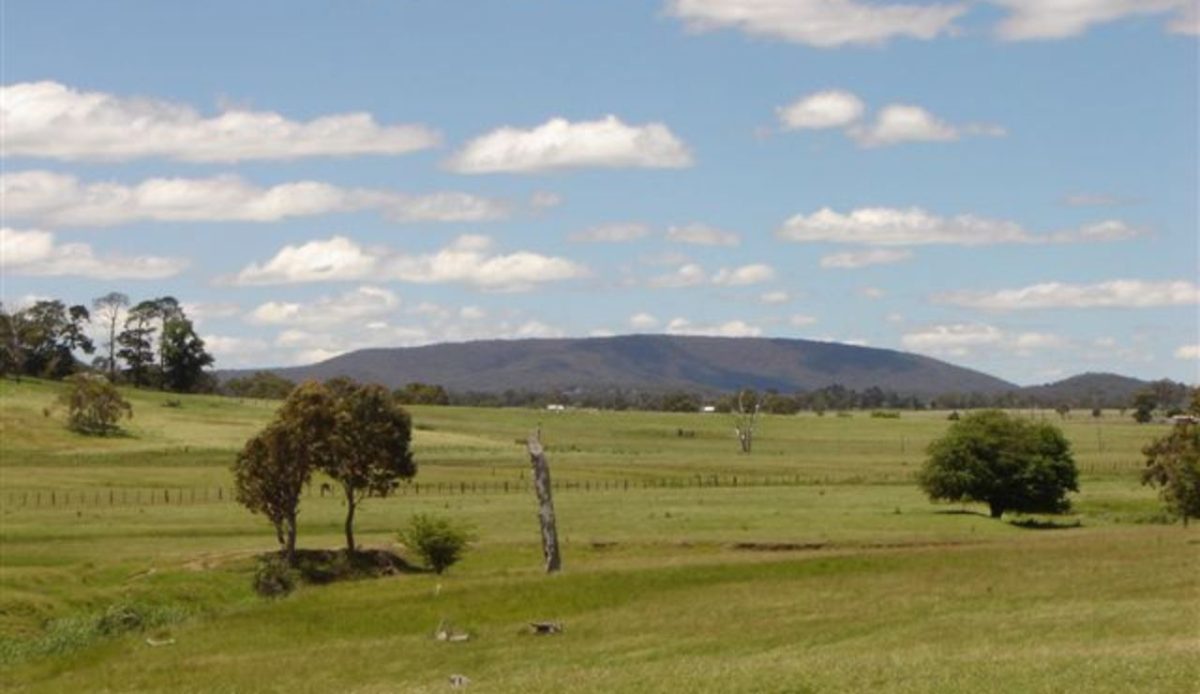
Maine, northern New Hampshire, and parts of Vermont feel cut off from the interstate grid. While southern New England has fast, direct routes, the northern part relies on slow, two-lane roads. In winter, travel becomes even more difficult. Adding an interstate or expanding expressways would make it easier for tourists and locals to move around safely. It would also strengthen local economies that depend on seasonal visitors and trade with nearby states.
3. Four Corners Area
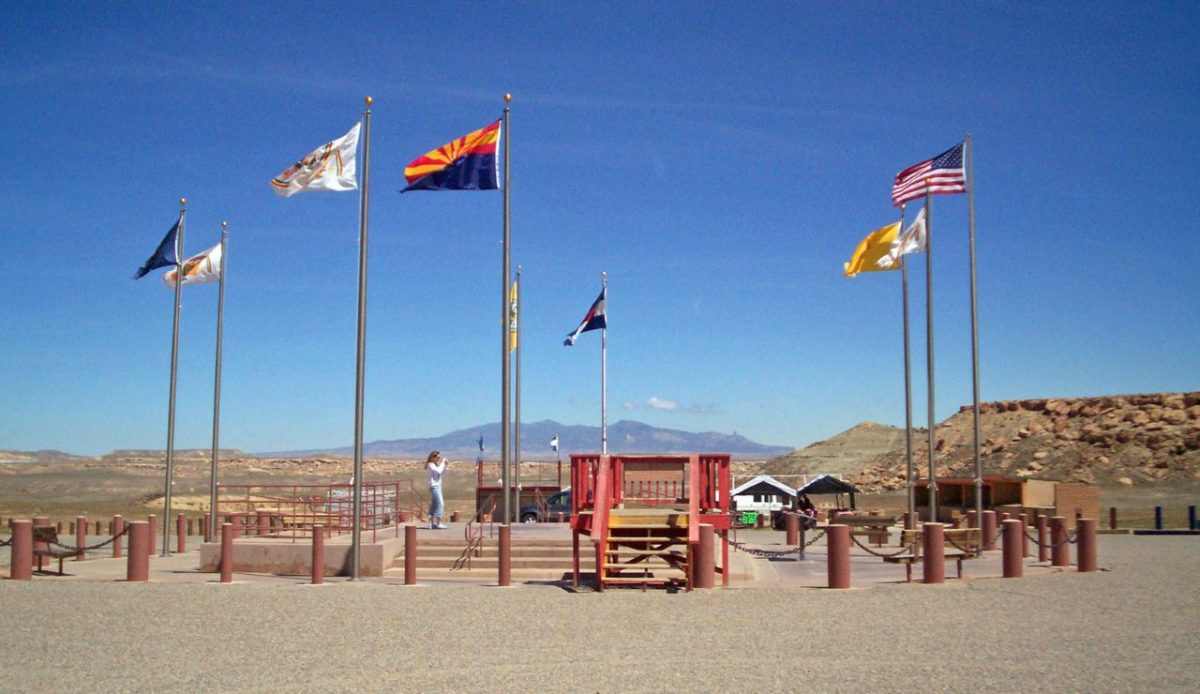
The intersection of Utah, Arizona, Colorado, and New Mexico is one of the most remote and scenic parts of the country, home to national parks, tribal lands, and iconic landscapes. Yet, major highways are few and far between. Travelers must rely on narrow desert roads with limited services. A new interstate could improve tourism, give tribal communities better access to resources, and support local economies that depend on visitors and deliveries.
4. Inland Northwest
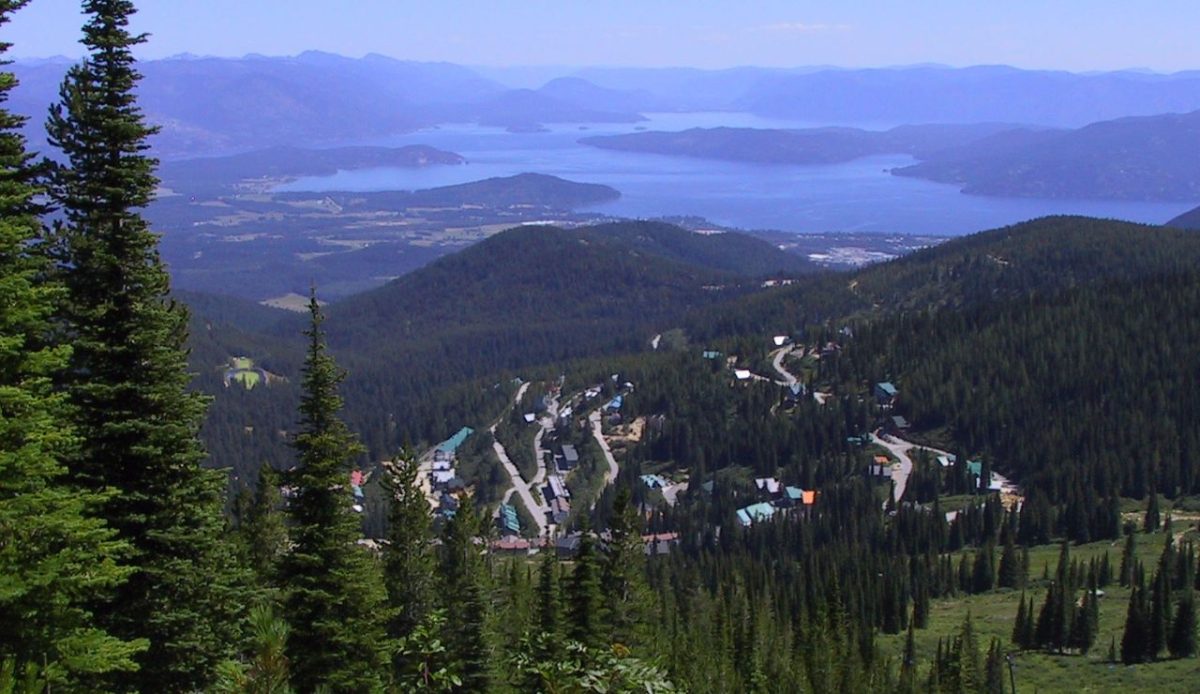
Eastern Washington, northern Idaho, and western Montana are growing but still lack strong highway access beyond I‑90. Harsh winters make travel on rural roads risky, and long distances between towns add strain for both residents and businesses. An expanded interstate system would support farming, shipping, and tourism across the region. It would also give people safer and faster travel options through this mountainous, weather-prone part of the Pacific Northwest.
5. South Texas Border
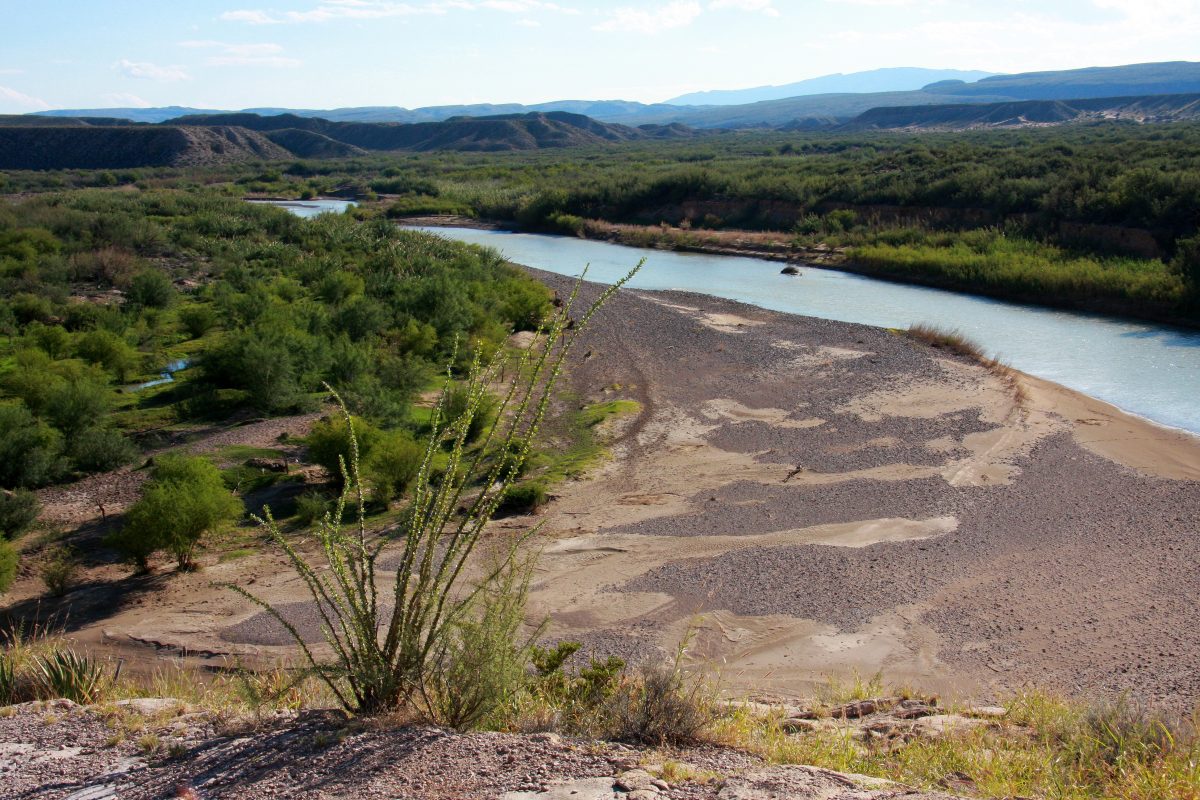
Cities like Laredo, McAllen, and Brownsville are vital for international trade, yet road infrastructure in the area is lacking. I‑35 only reaches Laredo, leaving other cities with limited interstate coverage. With fast population growth and heavy truck traffic, this region needs more routes to ease congestion and improve efficiency. A new east–west interstate could boost the economy, improve emergency response, and make everyday travel easier for millions of people.
6. Western Kansas and Oklahoma Panhandle
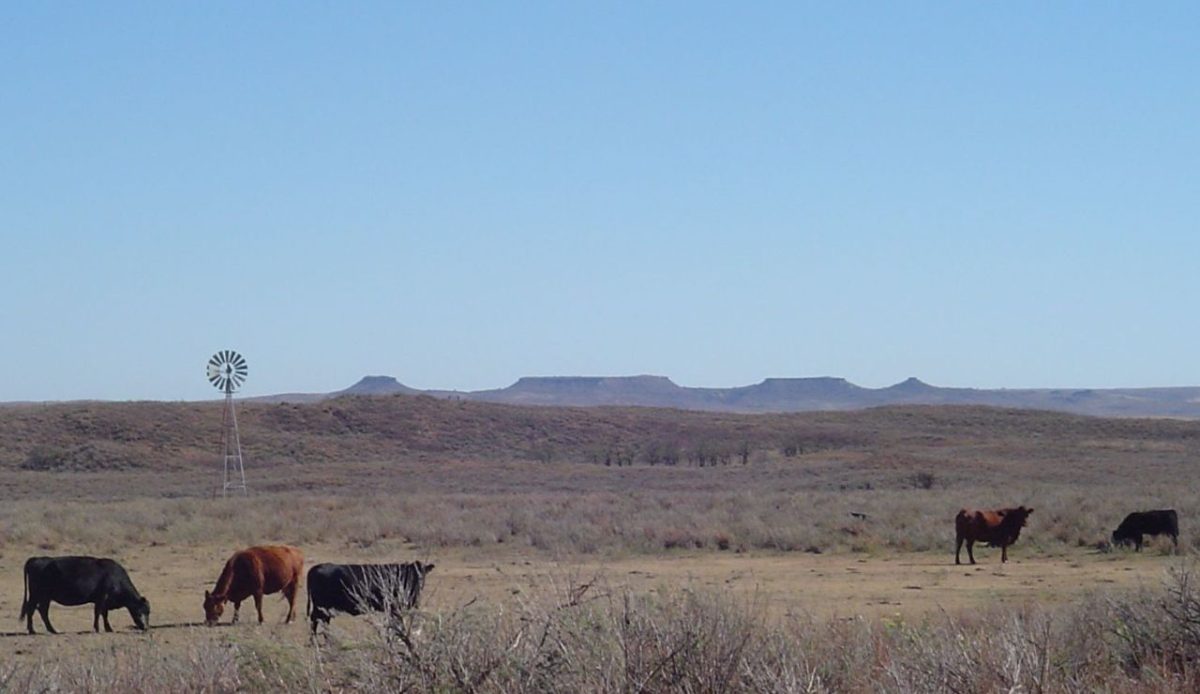
This rural stretch of land plays a big role in farming and wind energy, but it’s underserved by modern highways. Transporting goods over long distances is tough on narrow, outdated roads. Adding a major east–west interstate could help move crops, equipment, and energy more efficiently. It would also support small-town businesses, improve access to services, and offer safer travel for residents who drive long distances daily for work or healthcare.
7. North Country, New York
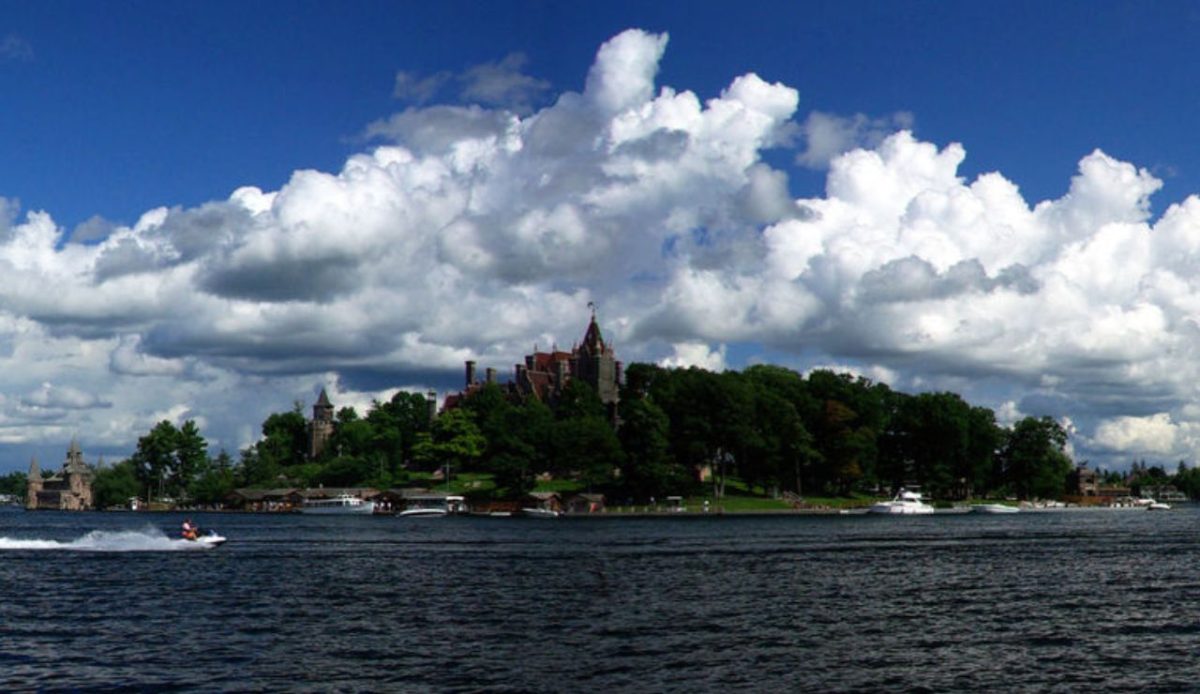
Beyond the Adirondack Mountains, upstate New York becomes remote and hard to reach. Towns near the Canadian border lack reliable interstate access, relying on narrow roads through forested areas. This limits trade, tourism, and emergency services. Extending highway coverage north of I‑87 would connect rural communities, support economic development, and make travel faster and safer year-round. It would also give tourists easier access to scenic spots in the region.
