
Traveling abroad should be exciting, but confusion about passport rules can turn dreams into delays and frustration. Despite easy access, many U.S. passport holders rely on outdated beliefs or incomplete advice from friends, social media, or travel forums. These myths can cause denied boarding, last-minute renewals, and extra expenses. From how long a passport must be valid to whether a passport card is enough, travelers continue to believe persistent misconceptions. This article debunks seven common myths so you can travel confidently, avoiding unnecessary stress and ensuring smooth international journeys.
1. You Can Use Your Passport Right Up to Its Expiration Date
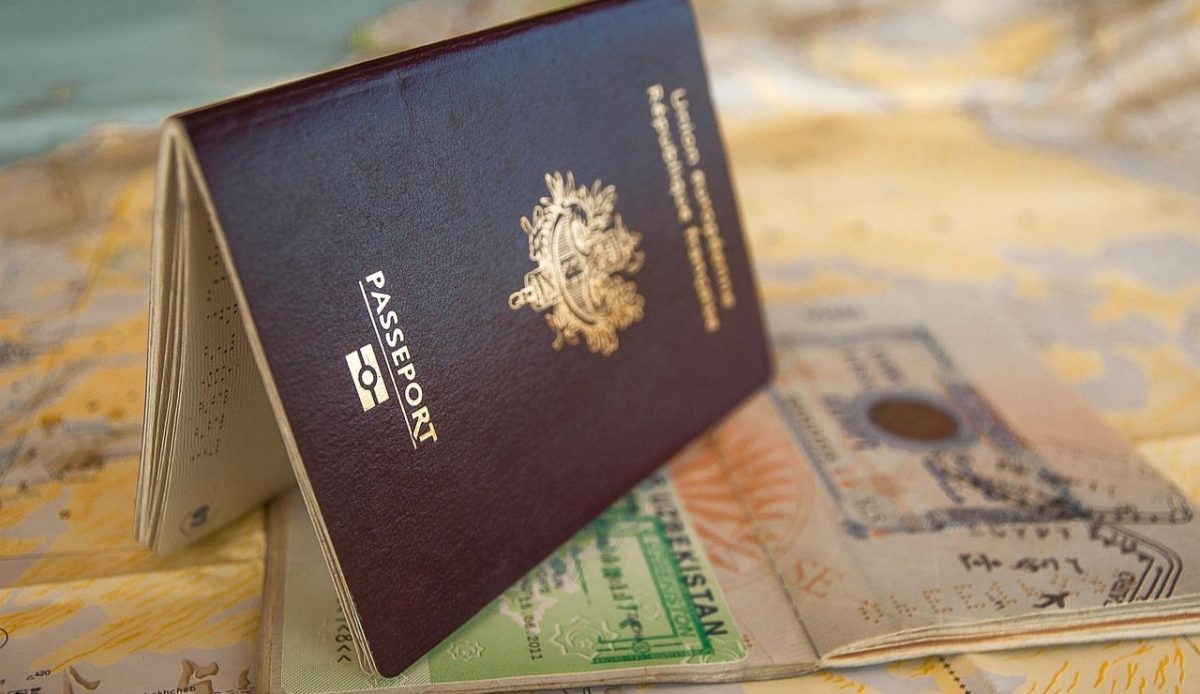
Many travelers think a U.S. passport is valid for travel as long as it hasn’t expired, but this is misleading. Some countries enforce a “six-month rule,” meaning passports must be valid for six months beyond your planned return. Others, like most European Schengen countries, require at least three months of validity past departure. Even if your passport hasn’t expired, airlines or border officials can deny boarding if it doesn’t meet the destination’s rules. Always check specific requirements before booking to avoid surprises and ensure smooth international travel at every checkpoint, especially during peak seasons or long-haul flights.
2. The Passport Card Works for All International Travel
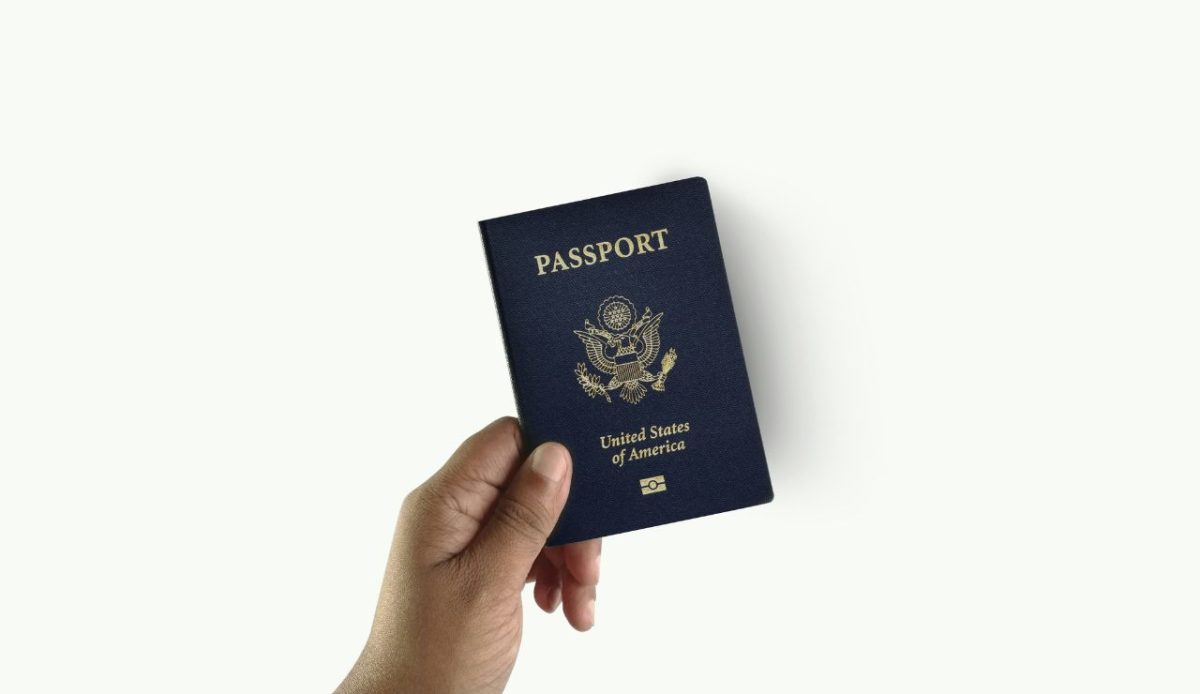
The U.S. passport card is often mistaken for a substitute for the passport book, but it has limits. It can be used only for land and sea travel to Canada, Mexico, the Caribbean, and Bermuda; it is not valid for international air travel. Trying to board a flight without a passport book can result in being denied, creating stressful and costly delays. While the card is convenient for nearby travel, those seeking full global mobility still need the passport book. First-time travelers are often surprised by this distinction, highlighting the importance of understanding which document applies to their trip.
3. A Passport Guarantees You Can Enter Any Country
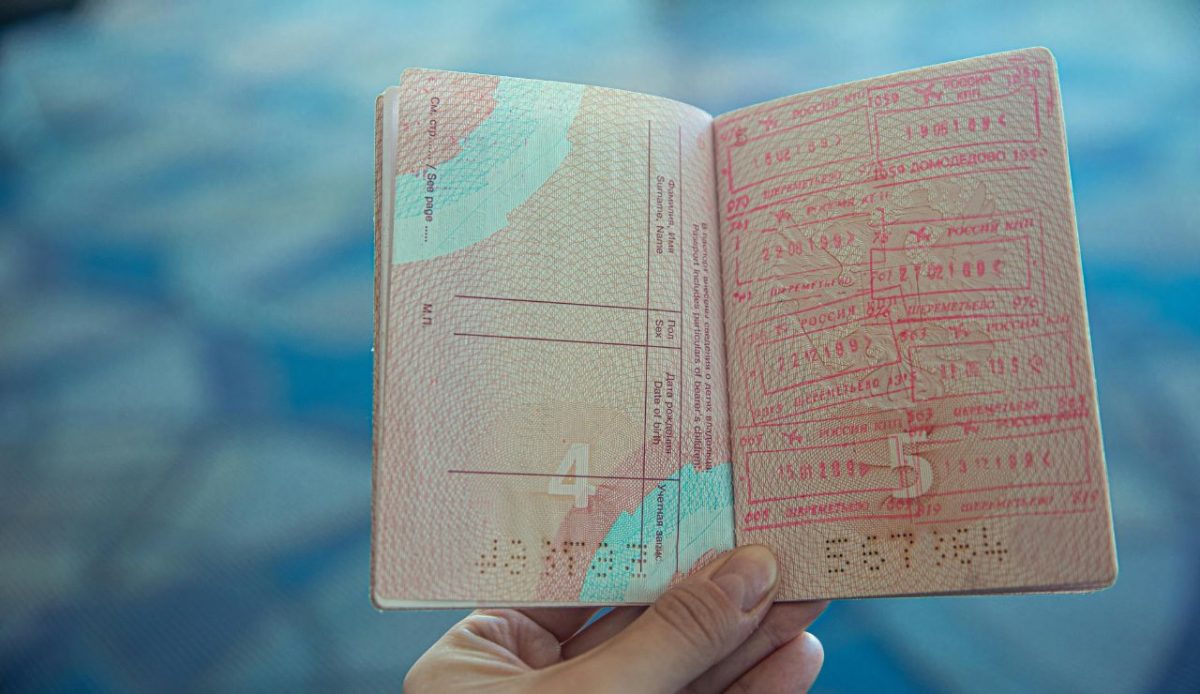
Owning a U.S. passport does not automatically grant entry to every country. While it allows visa-free travel to many nations, countries like China, India, and Russia require visas or special approvals. Even in visa-free regions, entry may depend on having blank pages, proof of onward travel, or minimum passport validity. Border officials have final authority to admit or deny travelers, regardless of citizenship. Failing to verify entry rules can result in denied boarding or unexpected complications. Researching destination-specific requirements in advance ensures that international travel is smooth, predictable, and hassle-free.
4. Children Don’t Need Their Own Passports

Some parents assume children can travel on a parent’s passport, but that’s false. Every U.S. citizen, including infants, must have an individual passport for international flights. Adding a child to a parent’s document is not allowed and can lead to denied boarding. Children’s passports are valid for five years instead of ten, accounting for rapid changes in appearance. This requirement ensures proper identification at every border checkpoint. Families planning international travel must secure passports for all children well in advance, preventing stress, delays, and potential last-minute issues that could ruin vacation plans.
5. You Can Travel to Canada Without a Passport

Many travelers believe a U.S. passport is unnecessary for trips to Canada, but that’s incorrect. A valid passport or approved travel document is mandatory for entry by air, land, or sea. The only exception is entering by private boat at designated reporting points, but identification is still required. While Canadian entry rules may not always demand six months of validity, travelers must carry accepted documentation. Ignoring this requirement can result in denied boarding or border complications. Planning, securing valid documents, and understanding Canada’s rules ensures stress-free entry and protects travelers from unexpected issues.
6. Blank Pages Don’t Matter in Your Passport
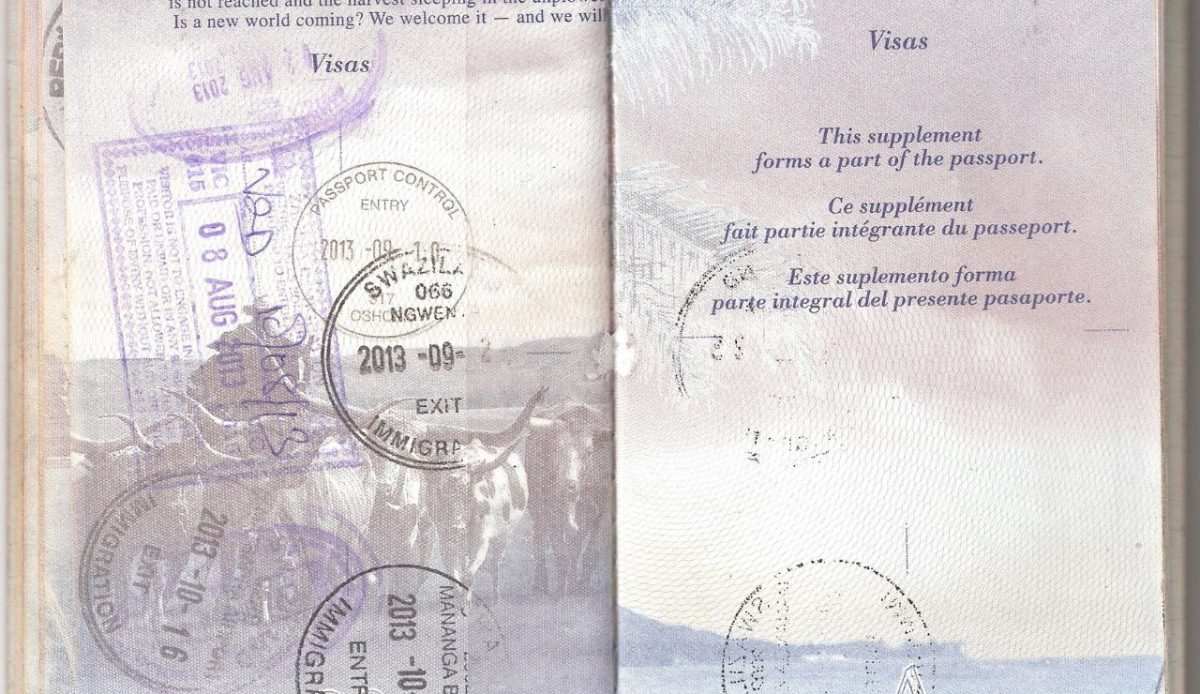
Blank pages are crucial for international travel, yet many travelers overlook them. Some countries require at least two blank pages for entry and exit stamps or visa stickers. Without enough pages, airlines or border officials can refuse boarding even if the passport is valid and visas are secured. This requirement is common in Europe, Asia, and Africa. Passport layout and available space directly affect travel plans, and last-minute denials can be stressful and expensive. Always verify the number of blank pages before leaving home. Ensuring sufficient space keeps your travels smooth and prevents avoidable complications abroad.
7. Real ID Can Replace a Passport for International Travel
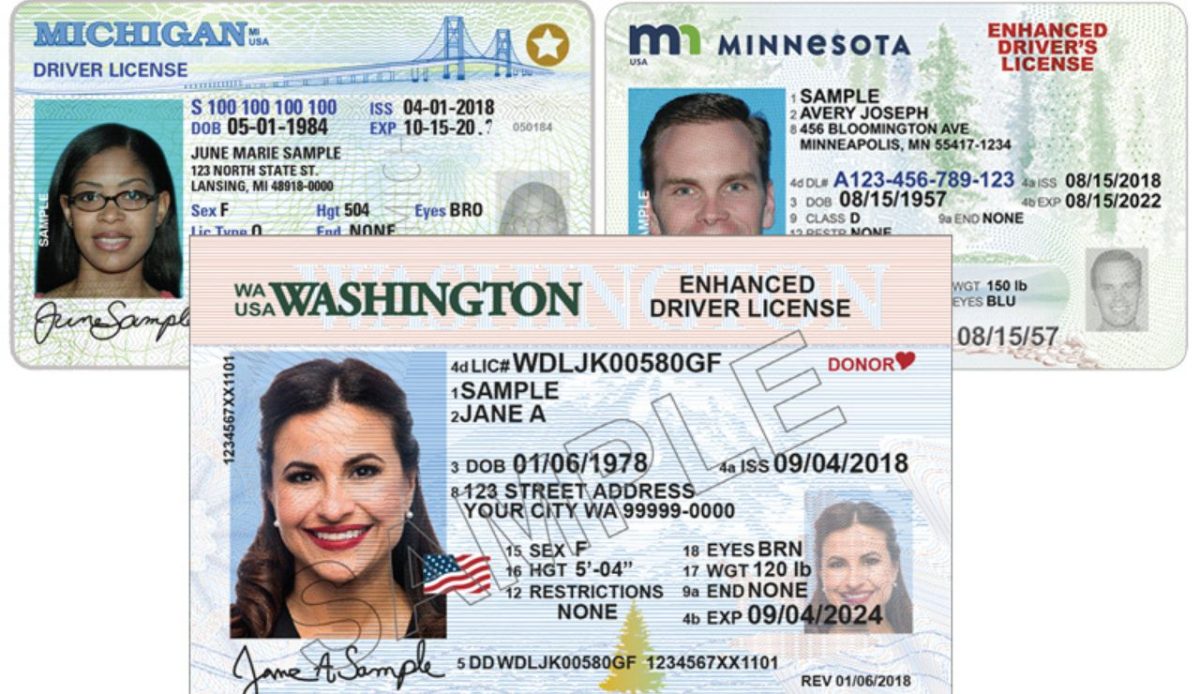
Real ID will be accepted for domestic U.S. flights starting in 2025, but it cannot replace a passport for international travel. While it allows access to domestic airports and federal facilities, travelers still need a valid passport book to fly overseas. Confusing these documents can result in denied boarding, last-minute costs, or rescheduling. Carrying a passport ensures global mobility and compliance with international regulations. Travelers should understand that Real ID simplifies U.S. travel but does not substitute for official international identification. Always check the requirements for your destination to avoid disruptions.
