
Tourist numbers keep rising in many U.S. cities, and the bottleneck is often getting people from airports, stations, and hotel districts to the places they actually came to see. Instead of adding endless curbside lanes and more parking, a growing list of destinations is upgrading transit for capacity, frequency, and easier wayfinding.
These projects aren’t just for locals commuting at 8 a.m. They’re designed to absorb visitor spikes for festivals, conventions, cruise days, and big sports weekends, while reducing traffic in the areas tourists overwhelm first.
Below are seven cities where rail, streetcars, people movers, and bus rapid transit are being expanded or modernized to keep tourism growth from turning into gridlock.
1. Honolulu, Hawaiʻi
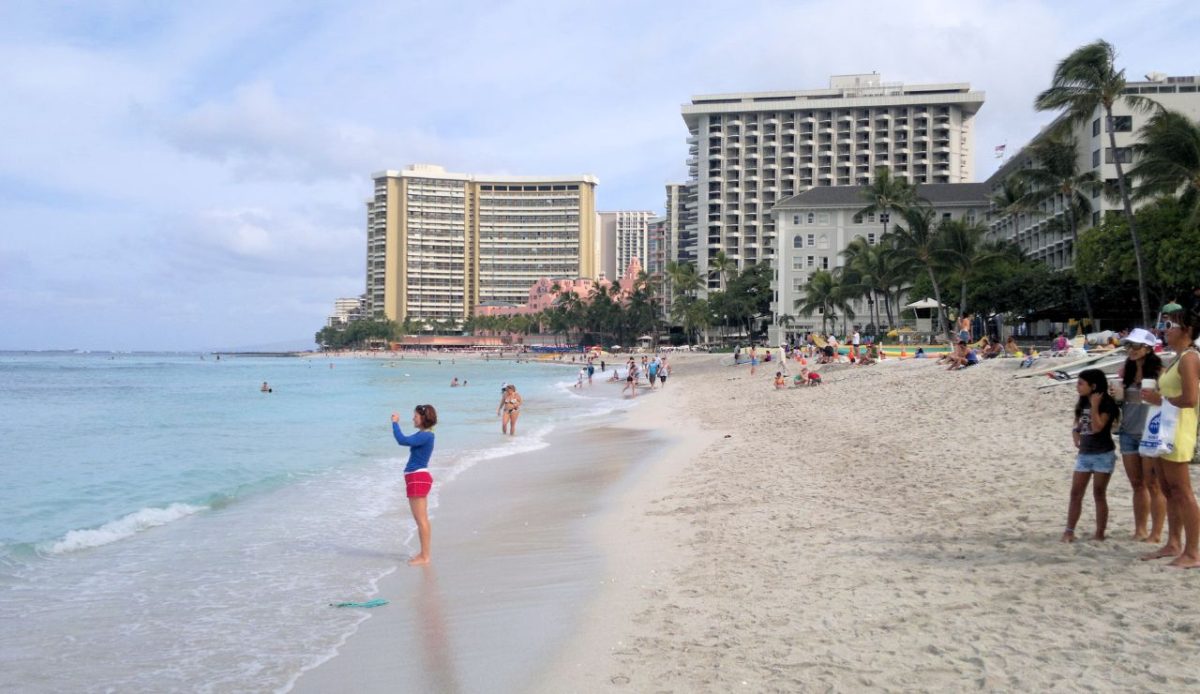
Honolulu’s Skyline rail has been opening in segments, aiming to give visitors a predictable alternative to highway traffic between key Oʻahu destinations. Segment 2 began passenger service on October 16, 2025, extending service hours and adding stations that improve access toward Pearl Harbor and the airport area.
For travelers, that matters because rental-car pickup zones and terminal roads are some of the island’s worst choke points. A rail connection shifts part of that demand onto a fixed guideway that doesn’t stall when H-1 backs up.
City transit planners have positioned Skyline as a spine that can connect with buses for Waikīkī, Downtown, and other visitor-heavy districts as future segments are built out.
2. Las Vegas, Nevada
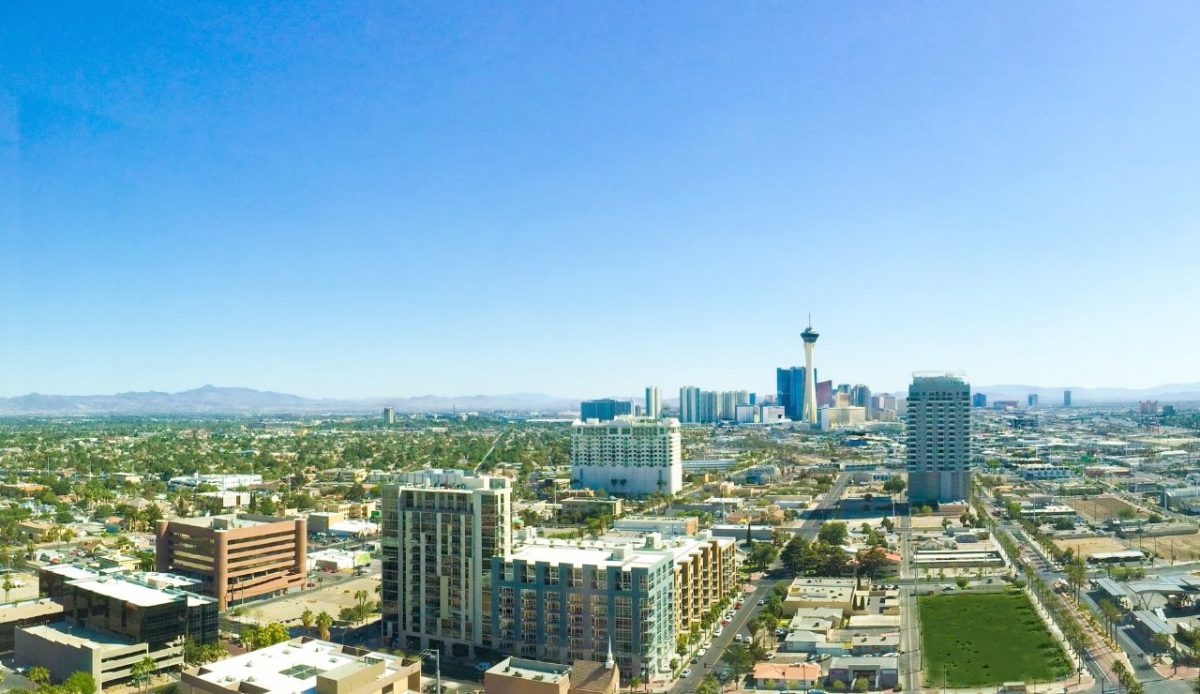
Las Vegas is betting big on rail to reduce the crush of I-15 weekend traffic that feeds casino and event tourism. Brightline West broke ground in April 2024 on an all-electric high-speed line planned in the median of I-15, linking Las Vegas with Southern California and a transfer point to local rail.
That’s a tourism play as much as a commuter project: fewer cars means less congestion around resorts, stadium events, and convention peaks, plus more predictable arrival times for short stays.
Recent reporting indicates the project’s completion target has shifted from the 2028 Olympics window to late 2029, but the premise stays the same, move large visitor volumes without adding more highway lanes.
3. Orlando, Florida
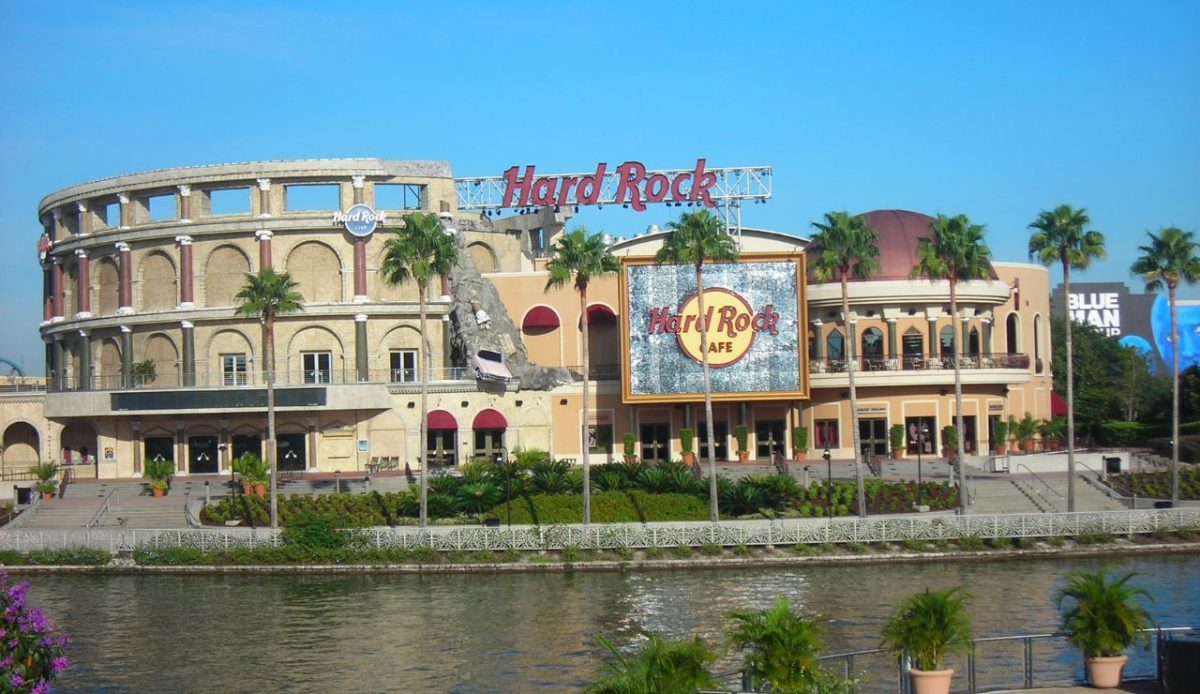
Orlando’s visitor economy is basically a year-round surge, so planners are pushing rail links that reach both the airport and the attractions corridor. The Sunshine Corridor concept would extend SunRail toward Orlando International Airport and the tourism zone, improving connections to the convention center area and major entertainment districts.
For tourists, the win is simpler: fewer transfers, fewer rideshare lines, and a clearer path from flights to hotels without depending on rental cars. For the region, it spreads demand away from the most congested highway ramps.
The Sunshine Corridor is planned as a multi-phase passenger-rail program, with ongoing study work intended to move the corridor from planning into buildable phases.
4. Los Angeles, California
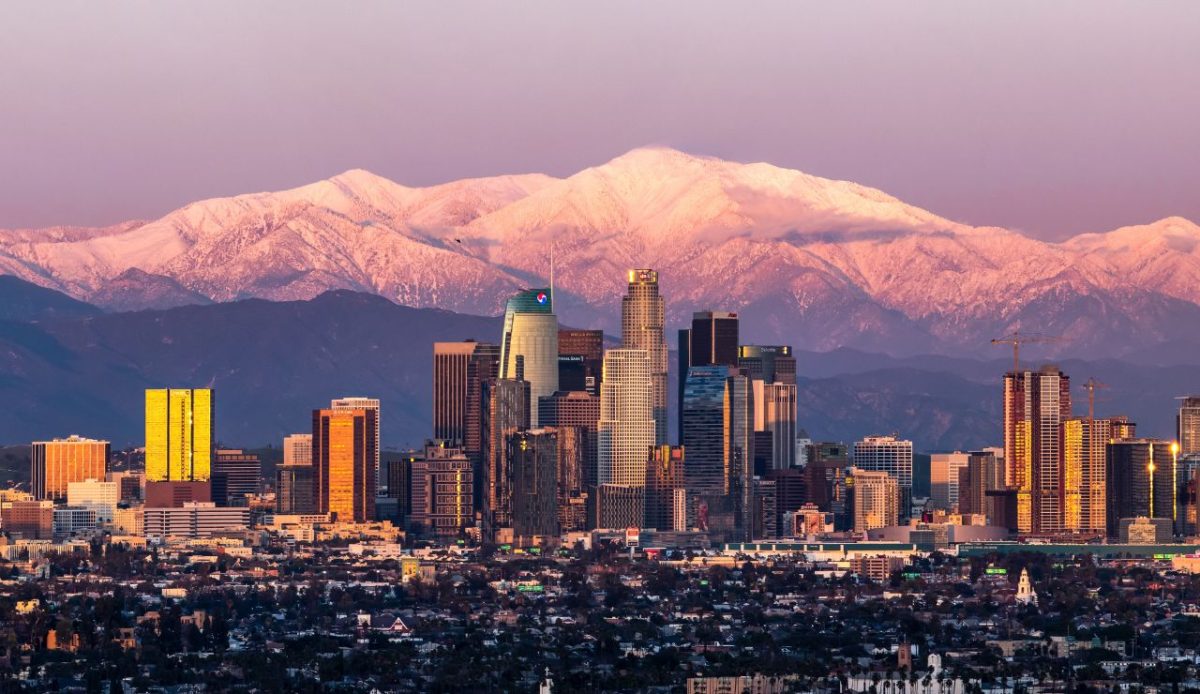
Los Angeles is upgrading the traveler experience where it hurts most: the airport loop. LAX’s Automated People Mover is designed to provide a fixed, frequent train connection between terminals, consolidated parking and pickup areas, the rental-car center, and LA Metro’s rail network.
In July 2024, LAWA said the system’s full operations were expected to begin in January 2026, with the goal of carrying tens of millions of riders annually and cutting vehicle miles around the airport.
Even with delays reported since, the people mover plus the rail transfer hub is built for mega-event crowds and steady tourism, moving luggage-heavy passengers without dumping more rideshares into the same curb lanes.
5. Chicago, Illinois
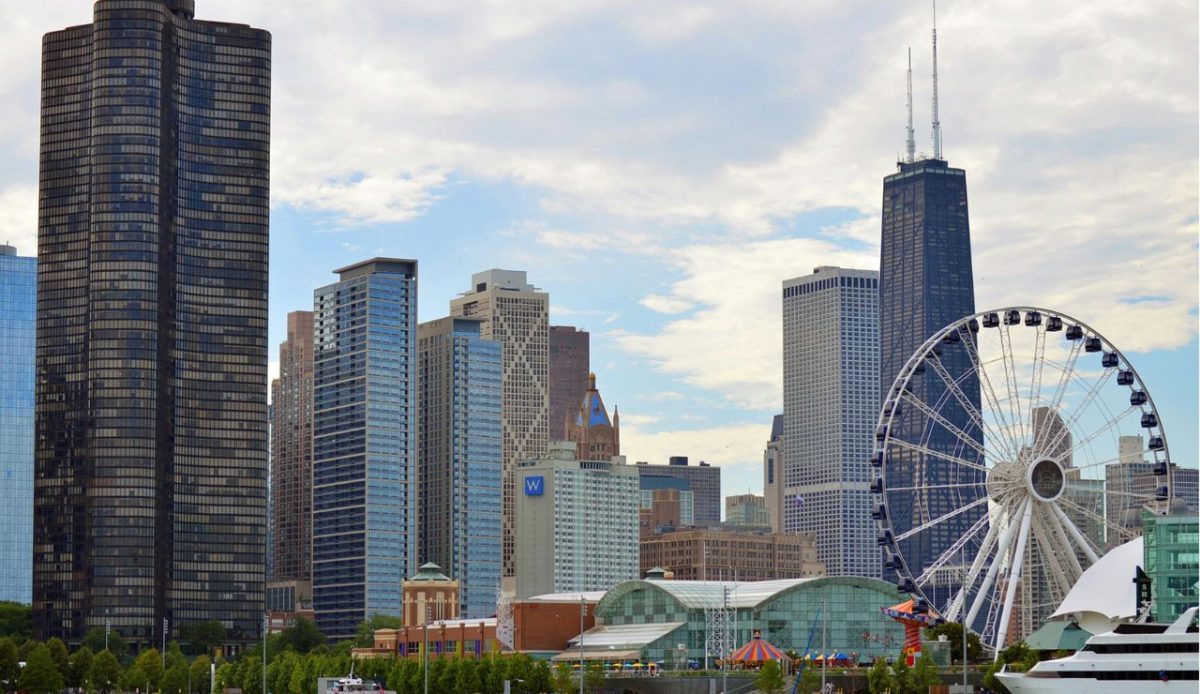
Chicago’s CTA is extending the Red Line 5.5 miles from 95th/Dan Ryan to 130th Street, adding four fully accessible stations and multimodal links like buses, bikes, and park-and-ride. CTA materials and local reporting put the start of major construction in 2026, with completion targeted around 2030.
While it’s a South Side investment first, the ripple hits visitors too: a more reliable Red Line reduces crowding and improves end-to-end consistency on the system’s busiest rail trunk.
For tourists staying downtown, that kind of reliability matters during peak weekends and major events, fewer service gaps, better transfers, and less pressure on rideshares when the city is packed.
6. Kansas City, Missouri
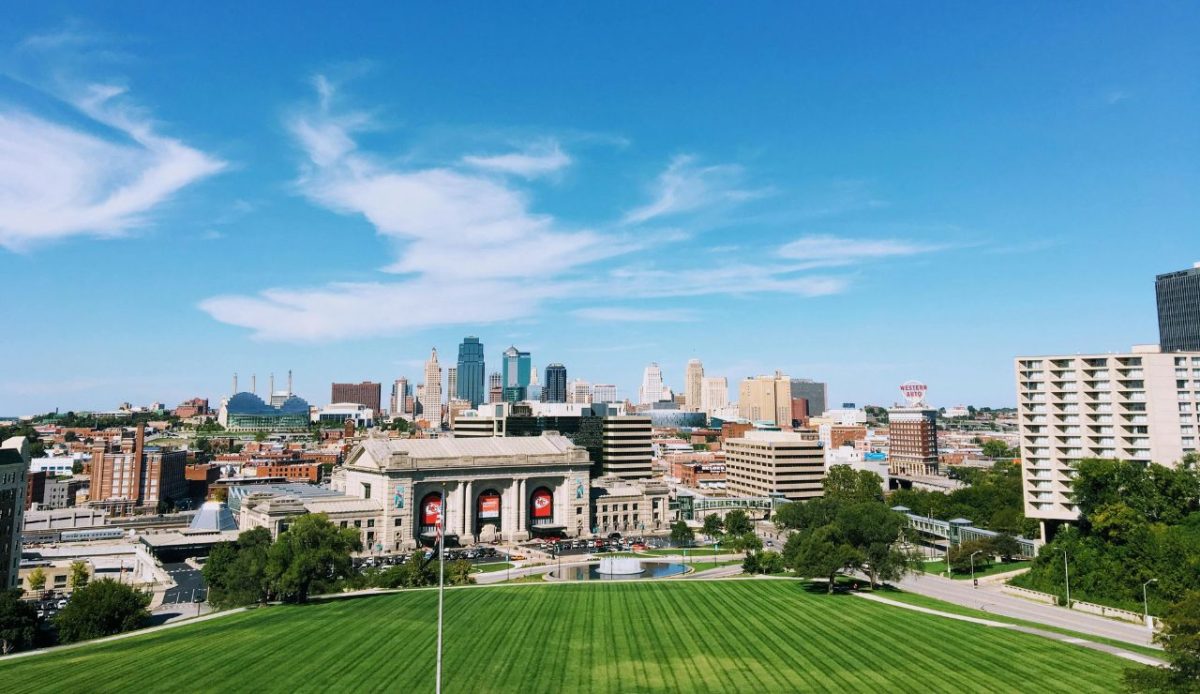
Kansas City has leaned into streetcar expansion as a way to connect entertainment districts without the hassle of parking hunts. The KC Streetcar Riverfront Extension is slated to open in early 2026, adding track from the River Market area to Berkley Riverfront Park and new attractions along the Missouri River.
That matters for visitors because the streetcar’s free, frequent service is built for short trips between hotels, dining, museums, and game-day venues, exactly the pattern tourists create.
Project updates in late 2025 highlighted energized track testing and final stop work, signaling the line is moving from construction into the kind of operational readiness that can absorb seasonal spikes.
7. Atlanta, Georgia
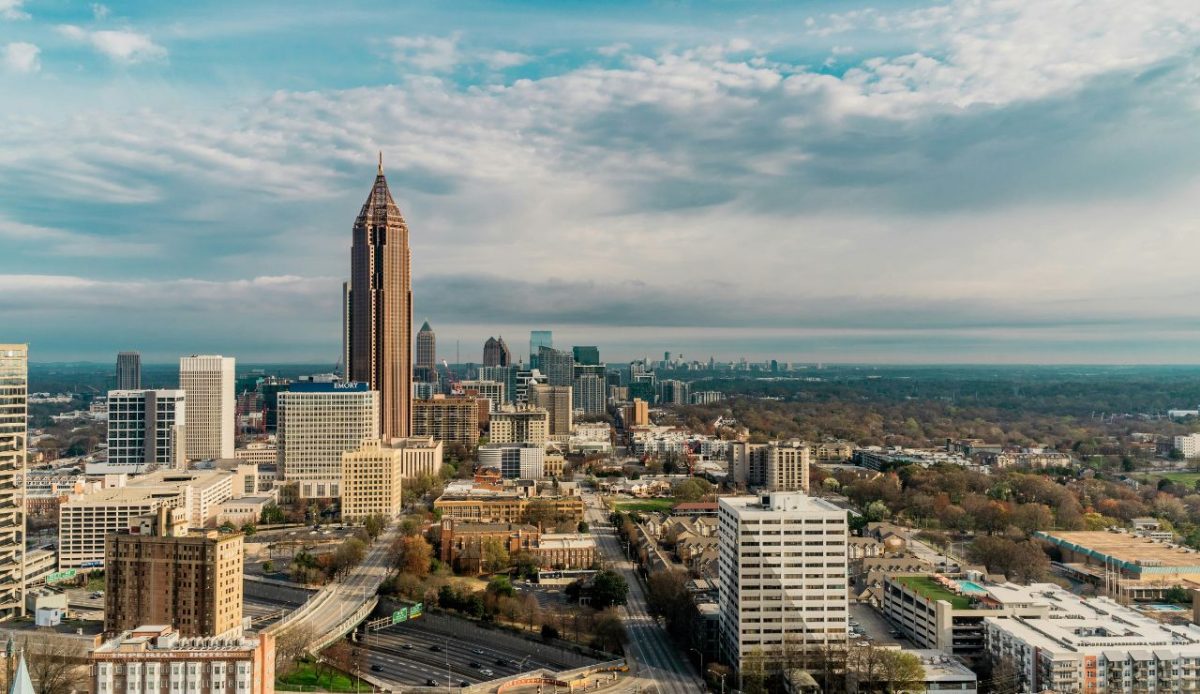
Atlanta is adding higher-capacity bus service where tourists and locals mix the most: Downtown, major event venues, and the BeltLine. Industry tracking of 2026 openings lists a 3.1-mile bus rapid transit line connecting downtown Atlanta to the Atlanta BeltLine, aiming to provide faster trips than regular local buses.
BRT works well for visitor growth because it can add frequency and priority at intersections without waiting a decade for new rail tunneling. Stations also make wayfinding easier for first-timers.
As the BeltLine continues to pull in out-of-town foot traffic for parks, trails, and festivals, a reliable rapid-bus spine helps keep those trips from turning into rideshare gridlock.
