
As domestic air travel rebounds and airlines search for new growth opportunities, several U.S. airports are emerging as strong contenders to become future legacy hubs. These rising airports are expanding terminals, adding long-haul routes, improving amenities, and seeing fast-growing demand that appeals to major carriers. While they aren’t yet on the level of giants like Atlanta or Dallas–Fort Worth, their geographic advantages, infrastructure upgrades, and airline interest are accelerating their rise. For travelers, these airports often mean smoother connections, shorter security lines, and more nonstop flights as service scales.
1. Nashville International Airport
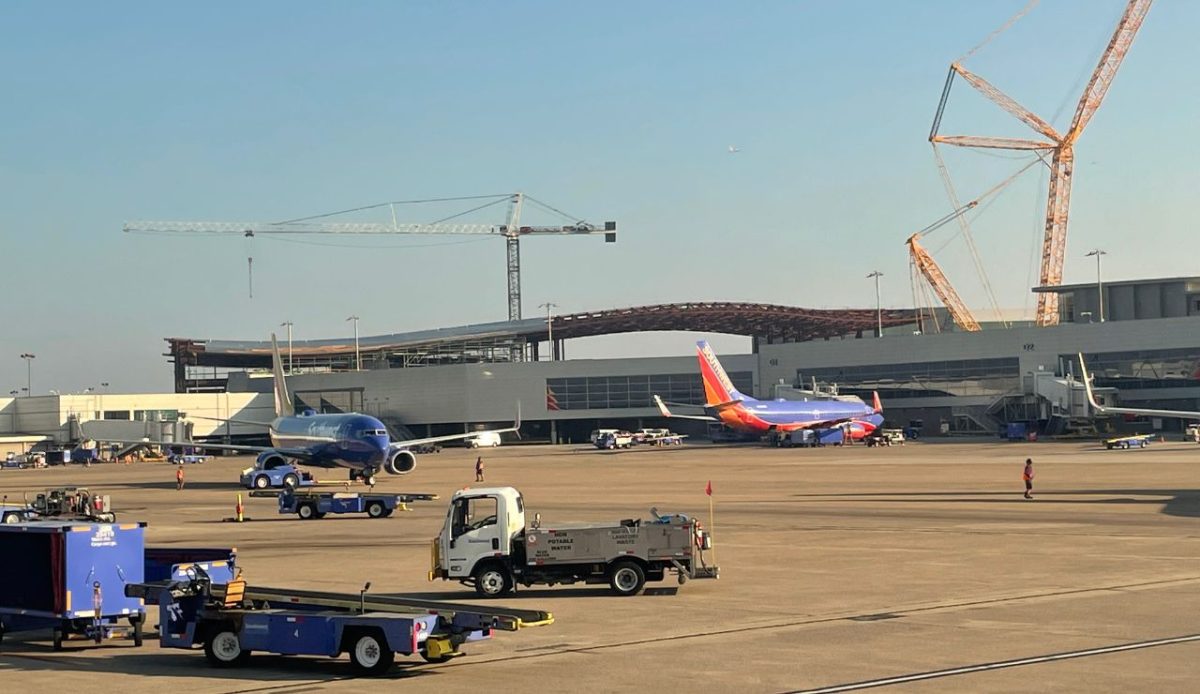
Nashville has evolved from a regional facility into one of the nation’s fastest-growing aviation centers, driven by Tennessee’s population boom and strong tourism appeal. Major terminal expansions, new gates, and improved international capability are drawing interest from carriers seeking a stronger Southeast presence. Southwest remains dominant, but rising service from American, Delta, and United shows a shifting competitive landscape. With stable business travel, a central location, and planned runway enhancements, Nashville is positioning itself as a cost-efficient future hub where legacy airlines can scale operations.
2. San Antonio International Airport
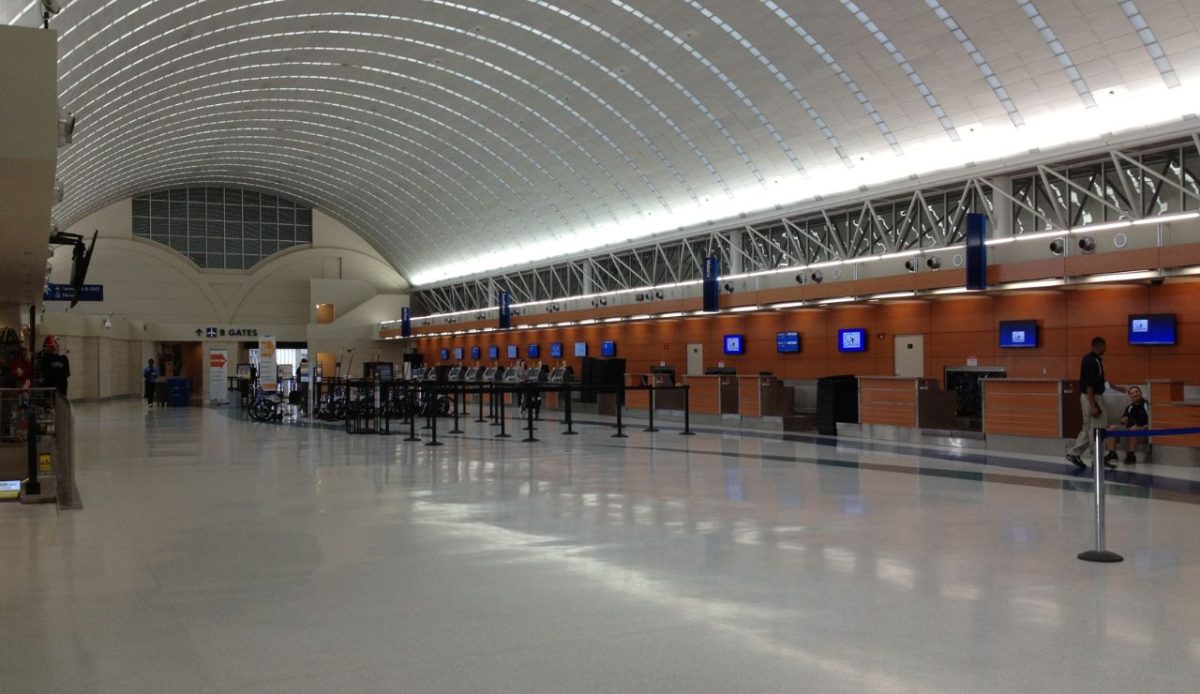
San Antonio has long been overshadowed by nearby Austin, but rapid regional growth is fueling renewed airline interest at SAT. The airport is undergoing billions in modernization upgrades, including new gates, expanded security checkpoints, and a planned third terminal designed specifically to support long-term airline expansion. Its strategic position in South Texas makes it ideal for north–south and east–west connectivity, while military and business travel provide steady demand. As legacy airlines reevaluate Texas route networks beyond congested Dallas and Houston, San Antonio stands out as a strong candidate for future hub development.
3. Raleigh–Durham International Airport

RDU is thriving thanks to its tech-powered economy, supported by the Research Triangle’s universities, startups, and major corporate offices. This economic strength has attracted long-haul and business-focused routes from legacy carriers, especially Delta and American. Ongoing terminal upgrades, gate expansions, and runway improvements help the airport handle more traffic without major congestion. A wealthy local demographic and steady year-round demand make RDU an appealing hub choice for airlines strengthening East Coast connectivity. As more international capacity arrives, RDU’s regional influence will continue to grow.
4. Indianapolis International Airport
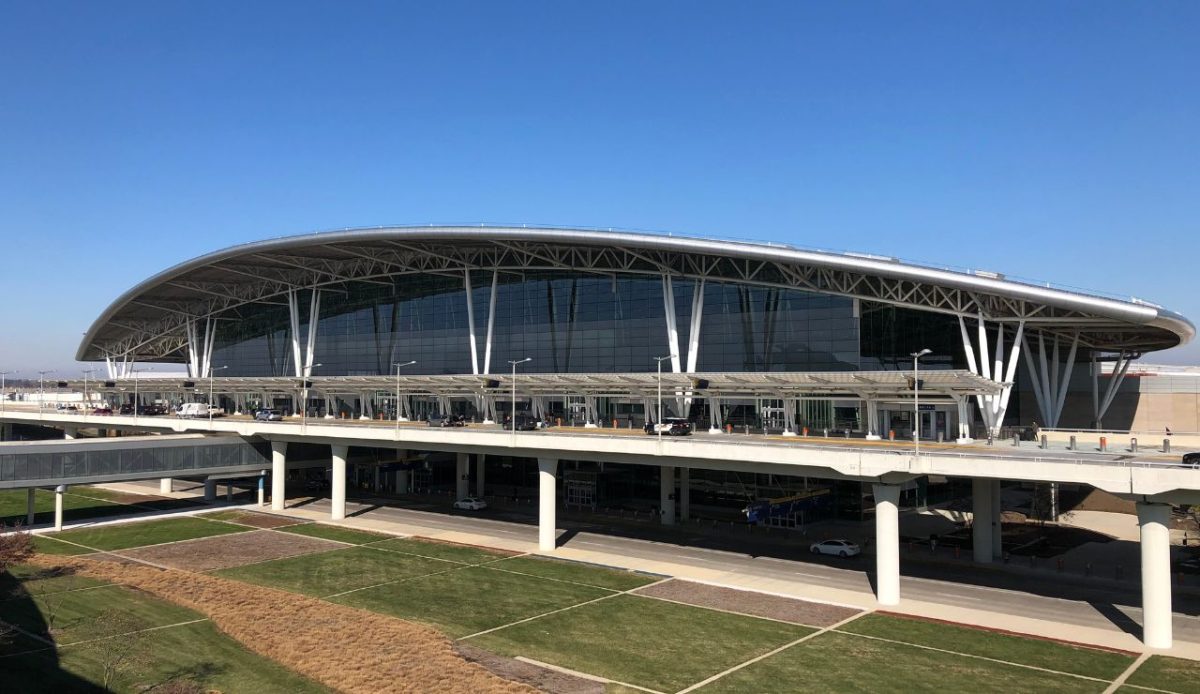
Praised for its modern design and easy passenger flow, IND stands out as one of the nation’s most efficient mid-sized airports. High satisfaction scores, low congestion, and open gate availability make it appealing to airlines searching for new connecting hubs outside overcrowded major cities. Its central geographic position supports strong domestic routing potential, while demand continues rising with Indiana’s expanding tech, manufacturing, and biotech sectors. With growing cargo operations and increasing legacy airline service, Indianapolis is gaining strategic relevance as carriers look for cost-effective alternatives to Chicago O’Hare.
5. Kansas City International Airport
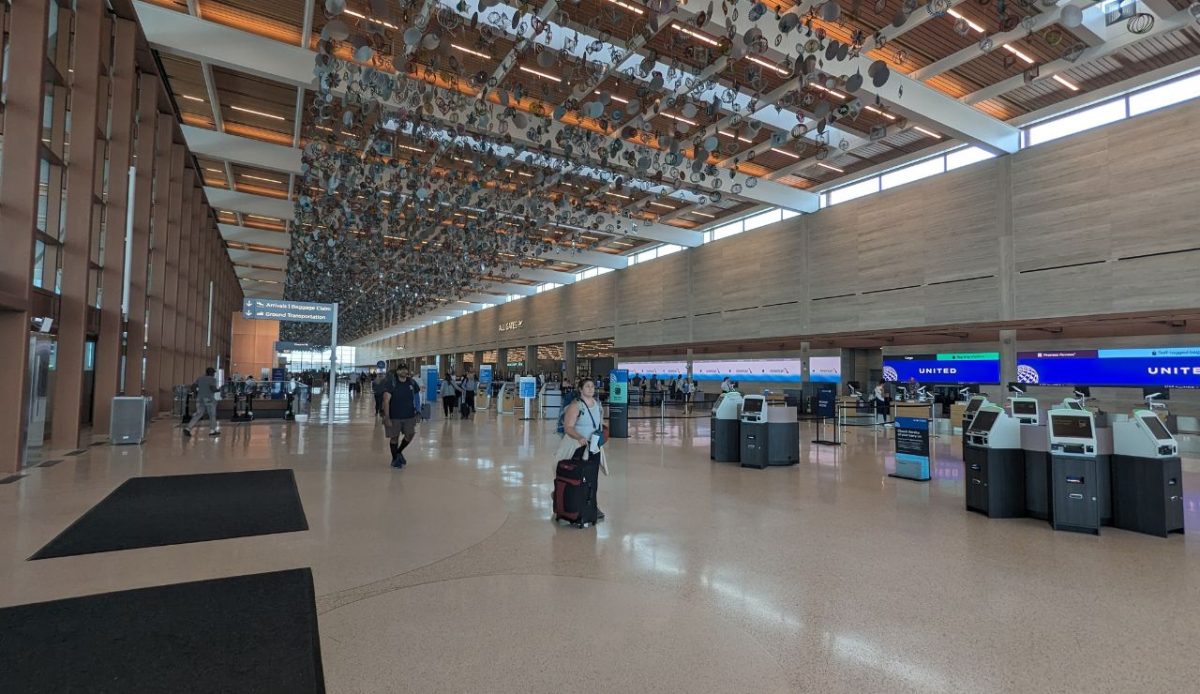
Kansas City’s completely rebuilt single-terminal design has redefined the airport with state-of-the-art amenities, efficient layouts, and room for significant airline expansion. The new MCI greatly improves passenger flow and positions the airport as a practical hub option for legacy carriers seeking a central U.S. base. The region’s rising population, strong corporate presence, and improved transit access further support this potential. With new long-haul and international service gradually increasing, Kansas City is evolving from a quiet Midwest airport into one with real national connectivity opportunities.
6. Fort Lauderdale–Hollywood International Airport
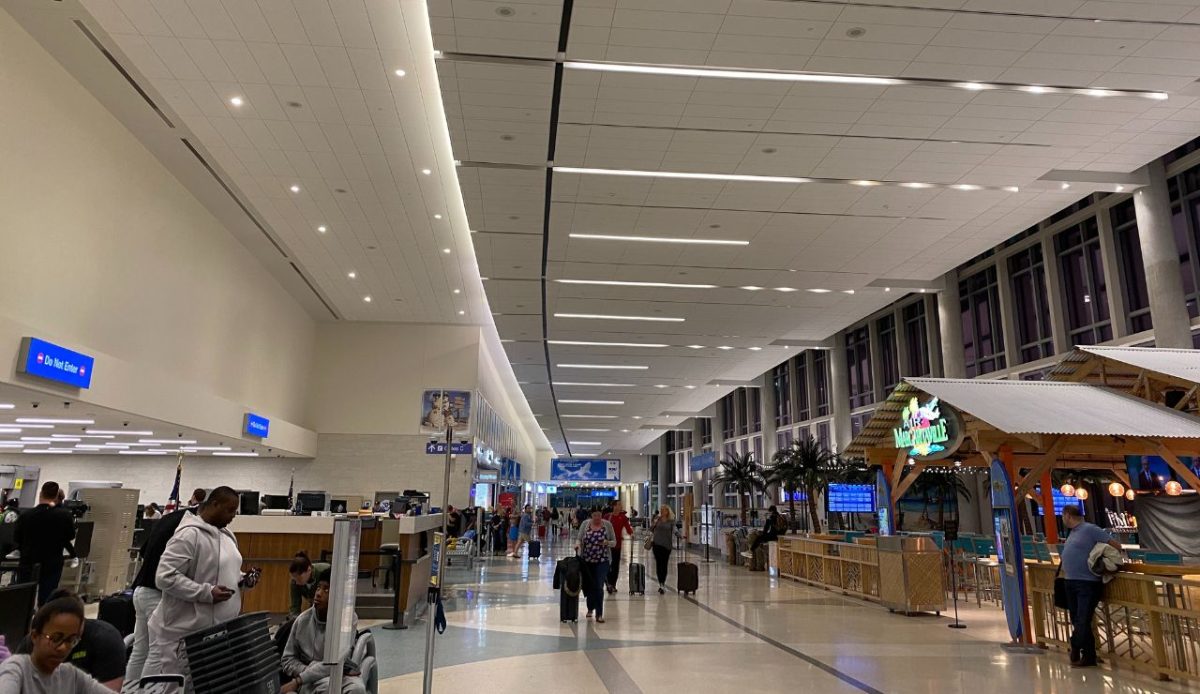
While traditionally known as a low-cost carrier stronghold, FLL is rapidly modernizing and attracting more legacy airline attention. Its proximity to Miami creates opportunities for overflow traffic and additional connecting options, especially as South Florida continues to experience massive population growth. Upgraded terminals, expanded runway capacity, and rising international service make FLL a surprising but realistic candidate for future hub development. For legacy carriers looking to complement operations at congested Miami International, Fort Lauderdale offers flexibility, strong tourism demand, and significant growth potential.
7. Salt Lake City International Airport
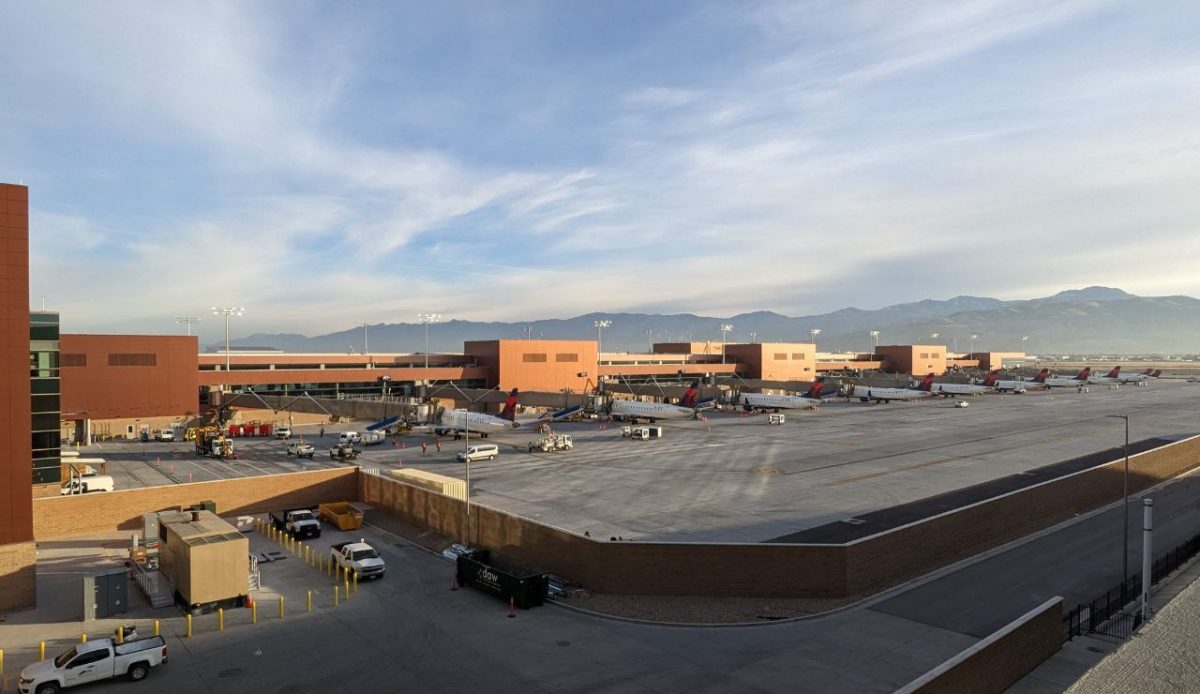
Salt Lake City’s entirely rebuilt airport has created one of the most modern and efficient aviation facilities in the U.S., designed specifically with hub operations in mind. While already a major Delta hub, its rapid infrastructure growth and strategic location position it for even greater prominence in national airline networks. The airport’s spacious new concourses, smooth connection pathways, and expanded international capabilities give it room to handle increasing legacy airline demand. With Utah’s booming population and rising tourism, SLC stands out as a western hub with long-term scalability and strong airline partnership potential.
