
Flying internationally comes with its own set of security protocols, and even seasoned travelers can be caught off guard by TSA rules that differ from domestic flights. From liquids and electronics to identification and carry-on allowances, understanding these changes can save time, avoid stress, and prevent delays at the airport. International travel often involves stricter security checks, additional documentation, and new rules depending on your destination. Knowing what to expect ensures a smoother passage through TSA checkpoints while helping travelers navigate international airports confidently and efficiently.
1. Liquids and Gels
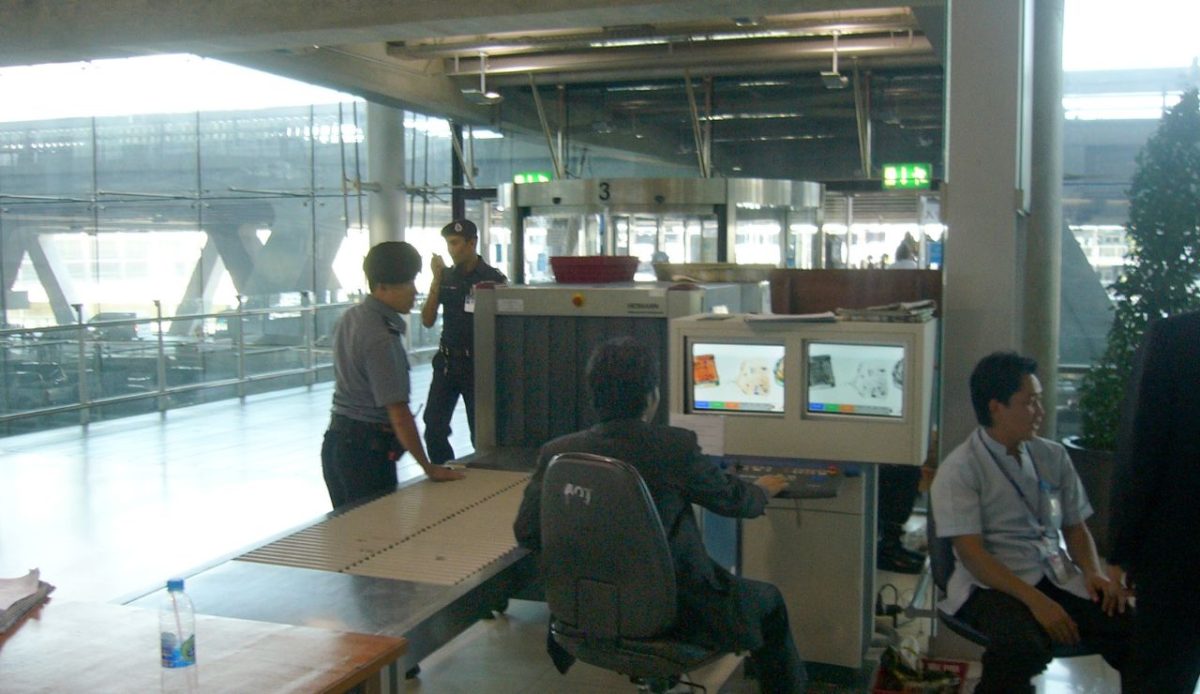
While the TSA 3-1-1 liquids rule applies to both domestic and international flights, international travel can involve extra scrutiny. Security officers may ask passengers to remove liquids from carry-ons multiple times, especially when transferring through foreign airports. Some countries have stricter restrictions or require sealed containers. Medications, baby formula, and duty-free liquids often need documentation or separate screening. Travelers should pack liquids carefully, know destination-specific rules, and be ready for inspections to avoid delays or confiscation during international journeys.
2. Electronics Screening
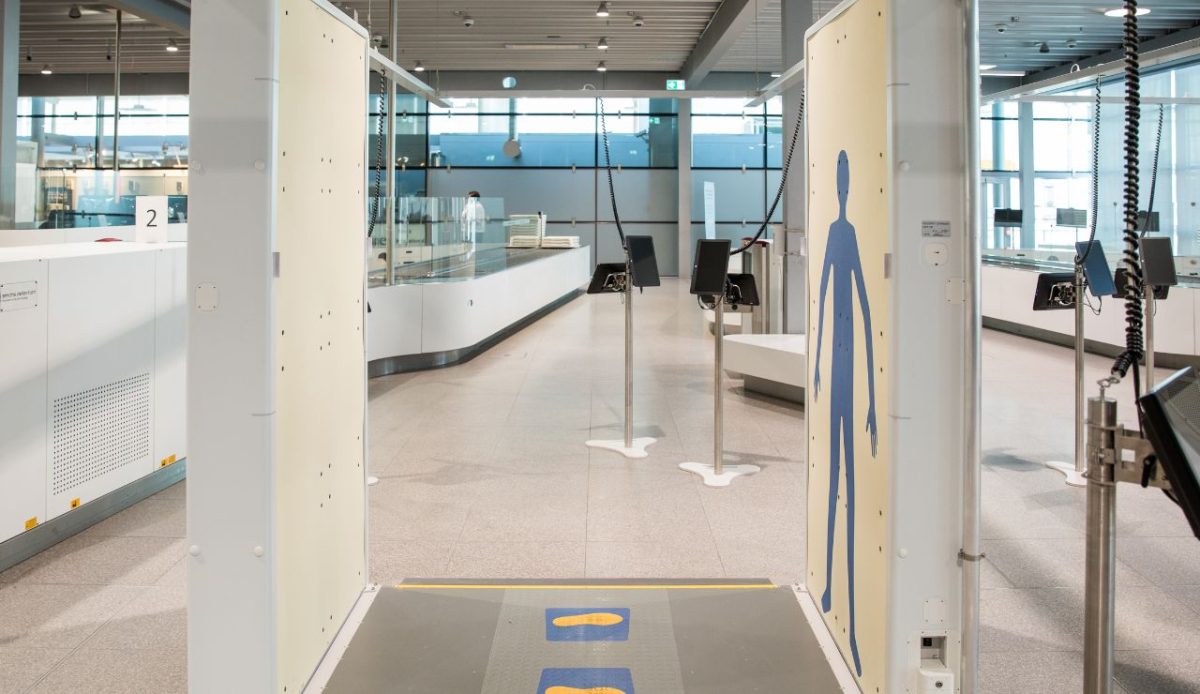
International flights often require passengers to remove electronics like laptops, tablets, and cameras from carry-on bags. Some foreign airports have stricter rules, demanding additional scans or separate trays for devices. Larger electronics are checked for security threats, and TSA officers may conduct secondary inspections. To avoid delays, keep electronics accessible and fully charged, as some countries may require powered-on verification. Understanding that international flights often have more rigorous electronic screening ensures smoother checks and avoids last-minute repacking stress.
3. Identification Requirements
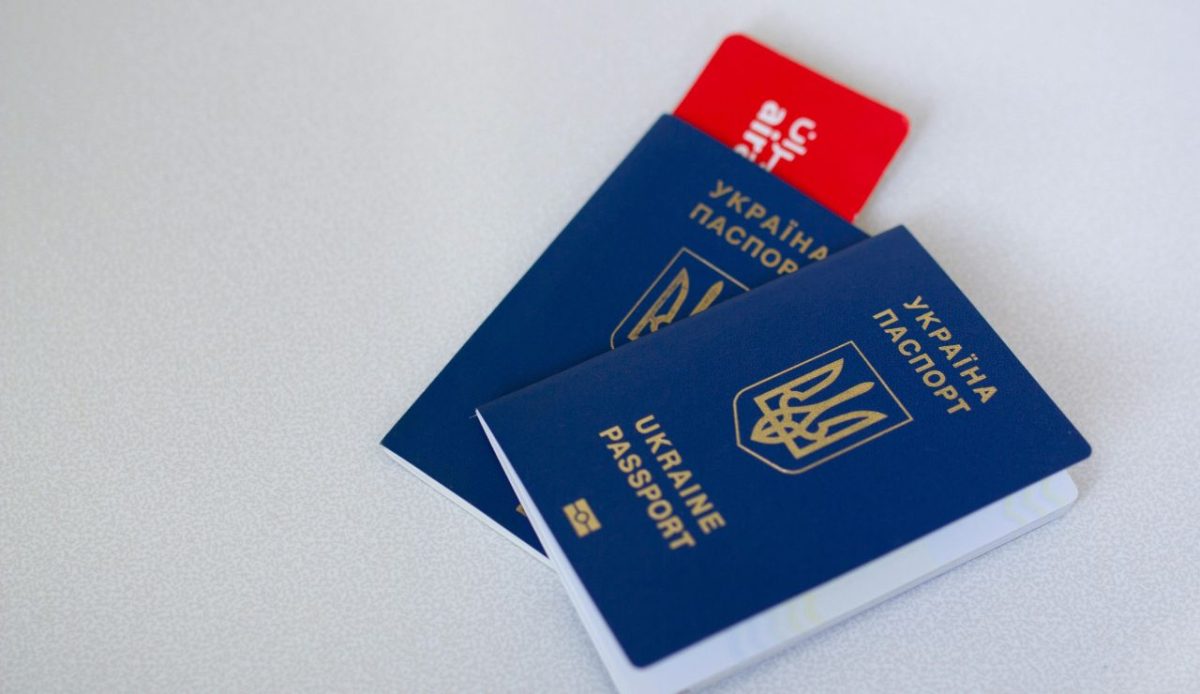
While a government-issued ID suffices for domestic flights, international travelers must carry a valid passport, often with visas for certain destinations. TSA officers verify identity along with entry requirements for the destination country. Some travelers also need documents such as an ESTA approval for the U.S., vaccination records, or customs forms. Presenting accurate paperwork is crucial for smooth processing. Failing to provide the correct documentation can result in denied boarding or delays. Awareness prevents unnecessary stress and ensures compliance with international travel regulations.
4. Carry-On Restrictions
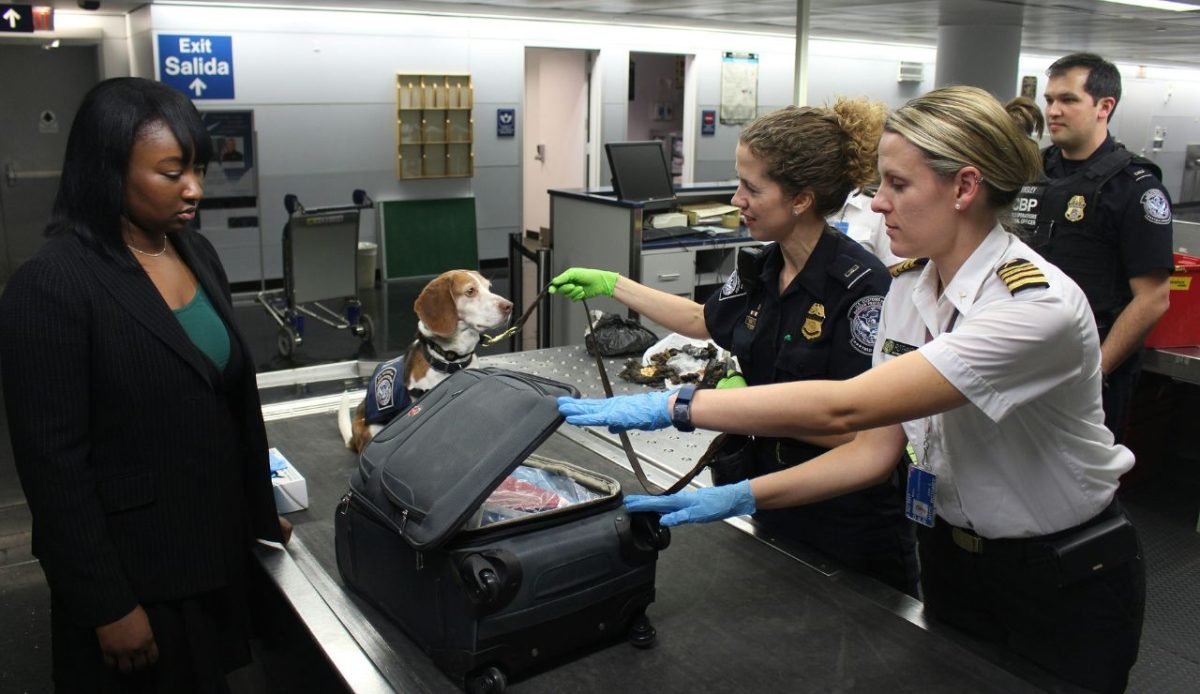
International flights can enforce stricter carry-on rules than domestic travel. Size limits, prohibited items, and weight restrictions may vary depending on airlines and destination countries. Certain items allowed domestically may be confiscated abroad, such as sharp objects, liquids over the limit, or sports equipment. Passengers should review TSA and airline regulations before packing. Strategic packing, including separating prohibited items and checking airline guidelines, ensures compliance and avoids confiscation. Preparing carry-ons for international rules speeds up security and reduces frustration.
5. Duty-Free Items

International travelers purchasing duty-free items must follow TSA and customs rules when carrying them onboard. Liquids, alcohol, and perfumes are often sealed in tamper-evident bags with receipts. If connecting through another country, additional screening may require these items to be rescreened or repacked. Travelers should keep duty-free items accessible and ensure packaging remains intact to comply with security regulations. Knowing how duty-free products are treated during international travel prevents confiscation and makes boarding smoother, allowing passengers to enjoy purchases without added stress.
6. TSA PreCheck and Global Entry
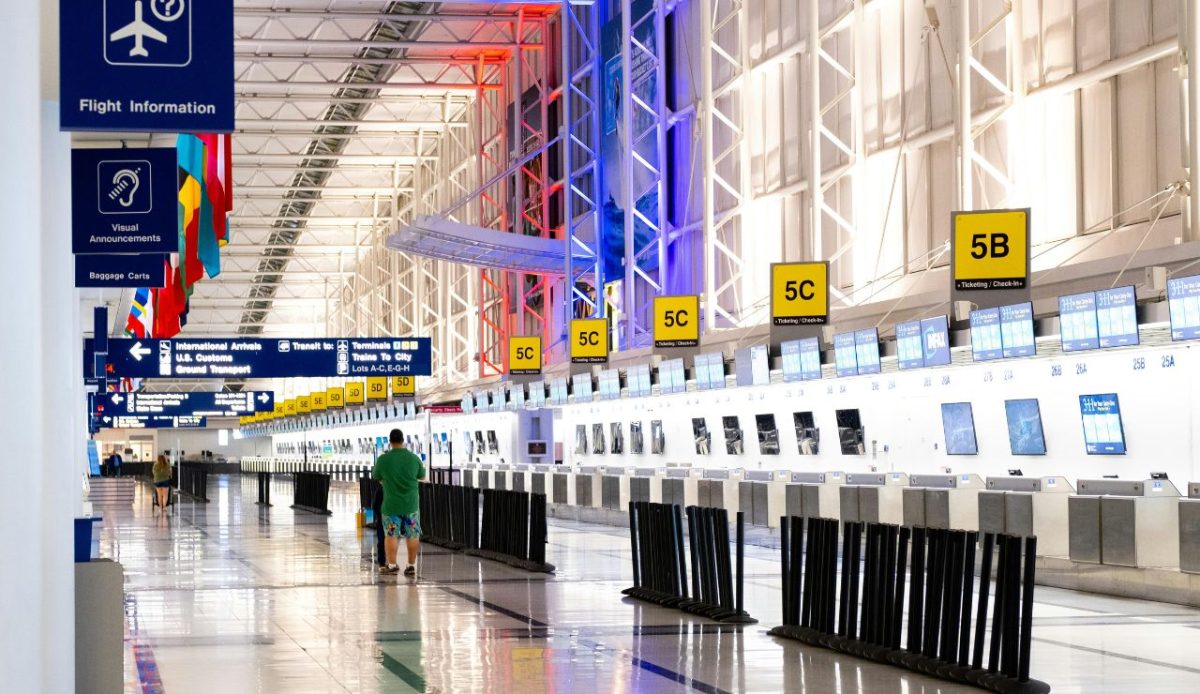
Programs like TSA PreCheck and Global Entry can expedite security clearance, but benefits differ internationally. PreCheck is limited to U.S. airports and does not always apply when departing foreign airports. Global Entry helps with U.S. re-entry but does not guarantee expedited screening abroad. International travelers should understand which programs are accepted at their departure and connecting airports. Preparing travel documents and timing security checks accordingly ensures smoother passage through checkpoints. Awareness of program limitations lets travelers maximize efficiency and avoid surprises when flying internationally.
7. Screening for International Connections
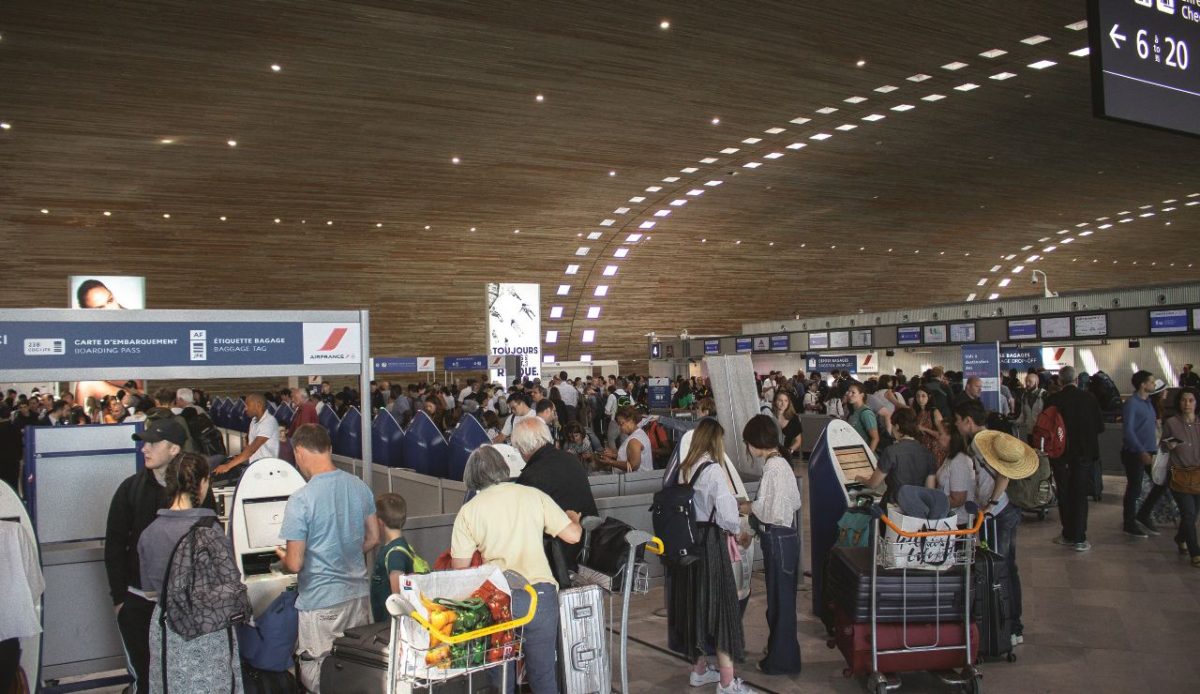
Travelers with connecting flights may face repeated TSA or foreign security screenings. Even after passing TSA, luggage and carry-ons may be rescanned during transfers at international hubs. Some countries enforce additional checks for liquids, electronics, and personal items. Passengers should allow extra time between connections and remain organized, keeping documentation and electronics accessible. Understanding that international travel often requires multiple security interactions prevents missed flights and reduces stress. Being prepared for repeated screening ensures a smoother, more confident journey through global airports.
