
The world’s landscapes are changing at an unprecedented pace, and some iconic travel destinations are physically disappearing. Rising sea levels, erosion, and climate change threaten coasts, islands, and glacial regions, while desertification and human activity alter familiar environments. For travelers, visiting these destinations is increasingly urgent if they wish to witness them before they vanish or transform dramatically. In this article, we explore seven destinations experts highlight as disappearing, emphasizing both their extraordinary beauty and the environmental pressures that put them at risk.
1. Venice, Italy
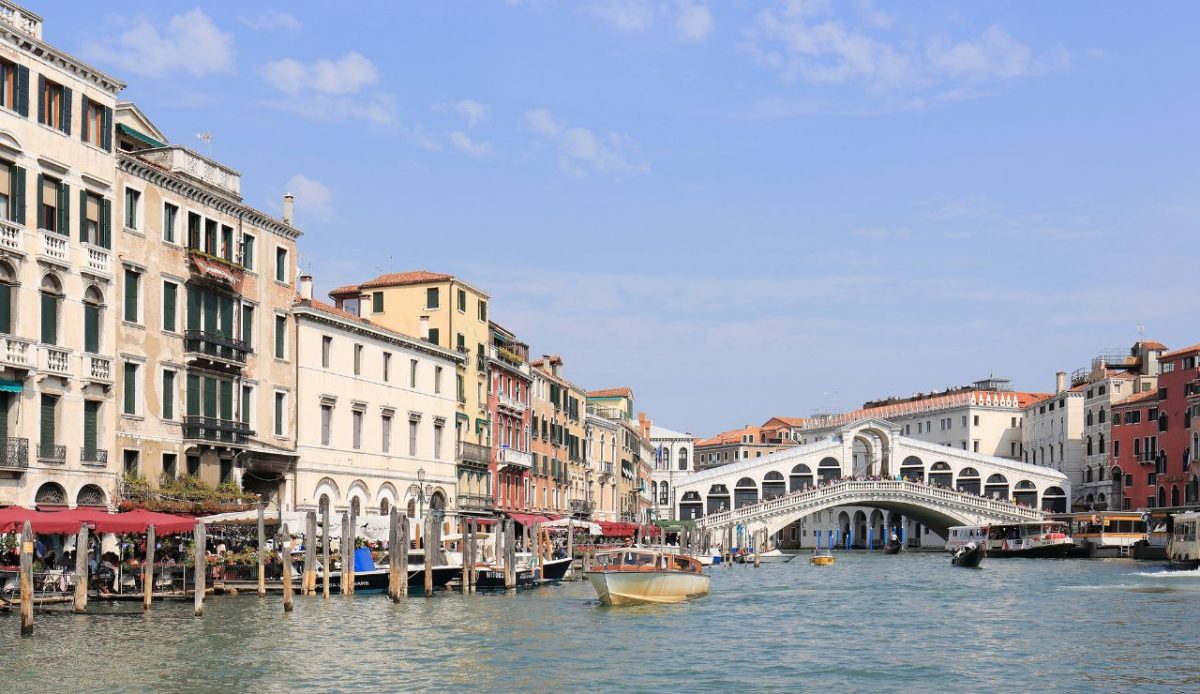
Venice is renowned for its canals, Renaissance architecture, and romantic ambiance, yet rising sea levels threaten the city’s existence. Frequent flooding damages historic buildings, while subsidence and erosion gradually lower the city’s foundations. Authorities have installed barriers like MOSE to mitigate flooding, but challenges continue. Tourism contributes to local wear, with boats and foot traffic affecting infrastructure. Visitors may witness Venice’s beauty, but experts warn that the city’s iconic canals and piazzas are slowly disappearing, making timely visits essential for those eager to experience its historic charm.
2. Maldives
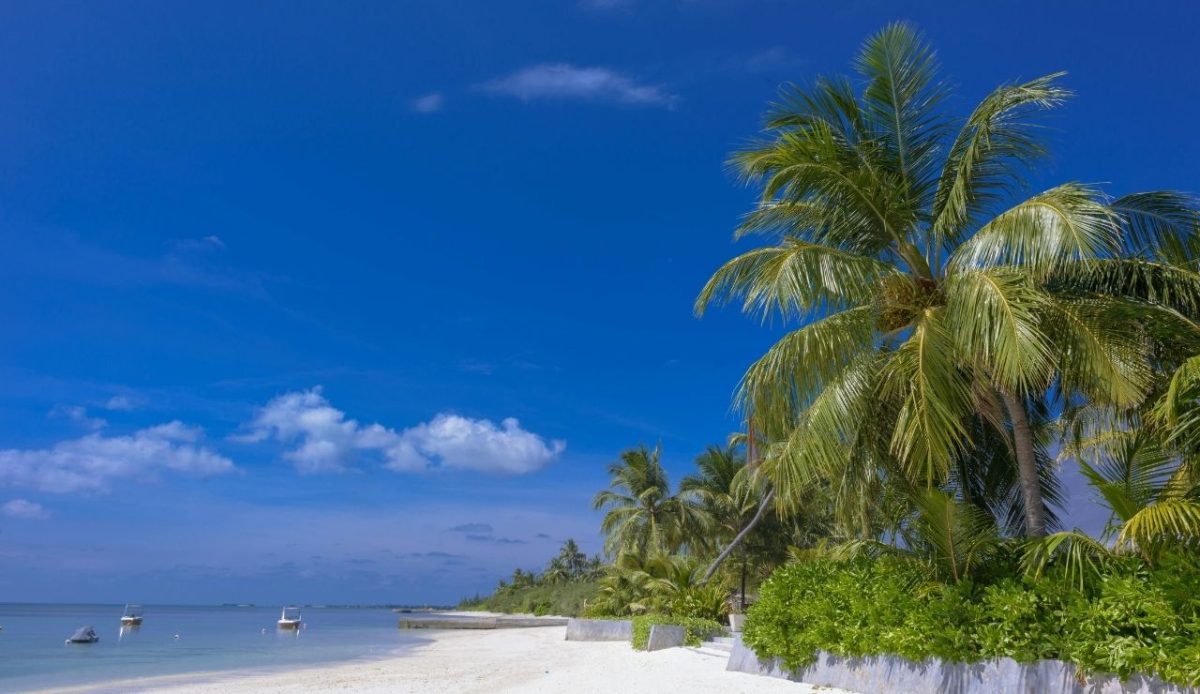
The Maldives, a tropical paradise of over 1,000 islands, faces existential threats from rising sea levels. Many low-lying atolls are only a few feet above the ocean, making them highly vulnerable to flooding and erosion. Climate change also impacts coral reefs, which protect the islands and sustain marine biodiversity. Resorts and tourism infrastructure are constantly adapting, yet some islands may eventually vanish. Travelers seeking pristine beaches and turquoise waters must act sooner rather than later. The Maldives exemplifies how climate change can transform travel experiences and highlight the fragility of seemingly timeless paradises.
3. Great Barrier Reef, Australia
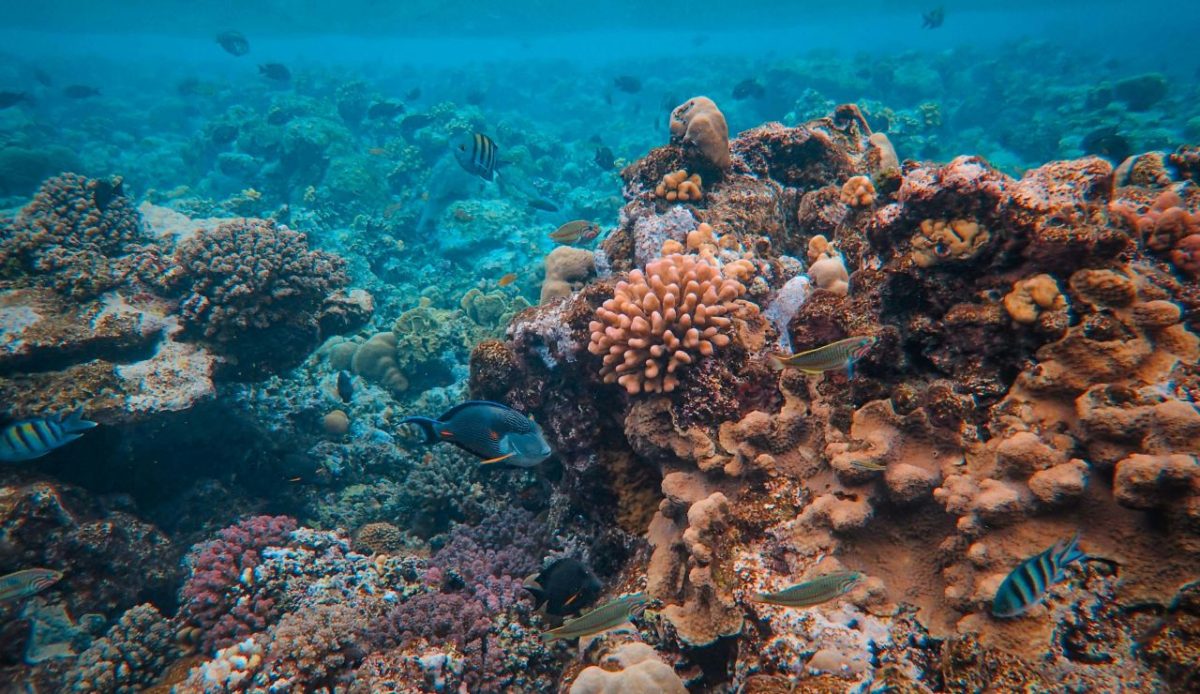
The Great Barrier Reef, a UNESCO World Heritage site, is shrinking due to coral bleaching caused by rising sea temperatures and ocean acidification. Repeated bleaching events have damaged large swaths of the reef, affecting marine biodiversity and ecosystem balance. Snorkeling and diving often reveal bleached or diminished coral formations. Scientists warn that portions of the reef could disappear entirely if warming trends continue. Travelers may still witness its beauty, but the reef’s deterioration underscores the urgent need to see this natural wonder before climate change permanently alters its colorful underwater landscape.
4. Greenland’s Ice Sheets
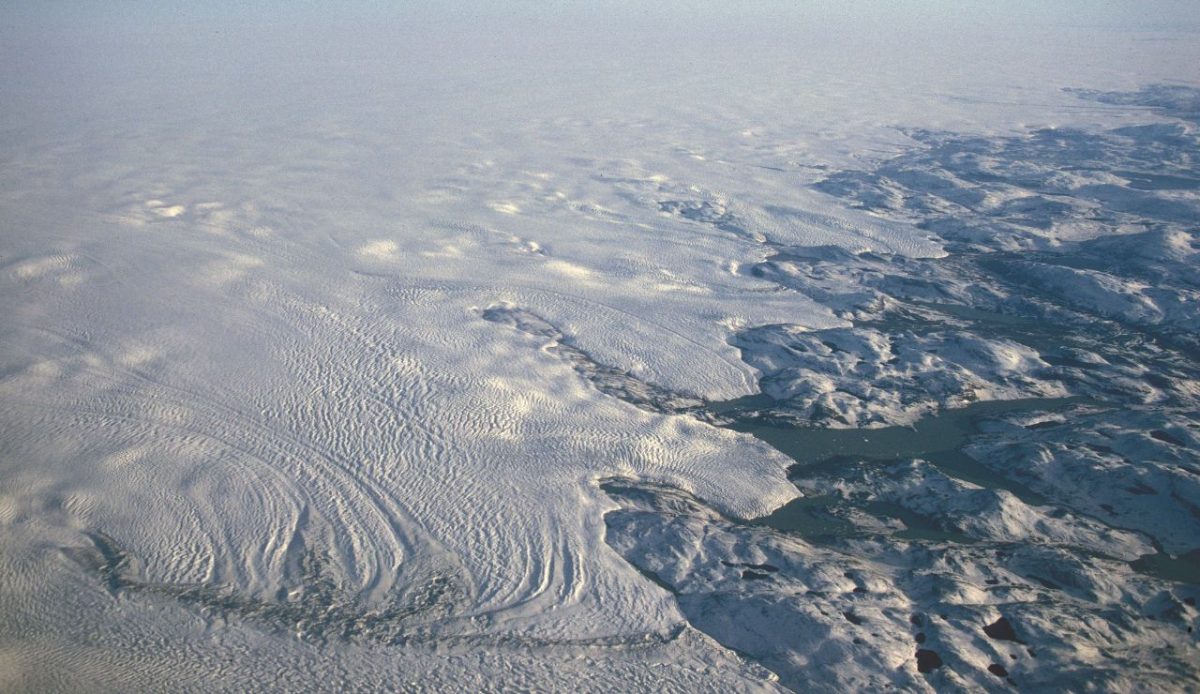
Greenland’s massive ice sheets are melting at an accelerating rate due to global warming, reshaping coastlines and contributing to rising sea levels worldwide. Glaciers retreat each year, altering fjords, rivers, and local habitats. Cruise tourism allows travelers to witness these dramatic landscapes, yet experts warn that the ice’s retreat is largely irreversible. Melting glaciers threaten communities and disrupt ecosystems. Visiting Greenland today offers a rare opportunity to see massive ice formations before they shrink further, making it one of the most urgent destinations for environmentally aware travelers.
5. Galápagos Islands, Ecuador
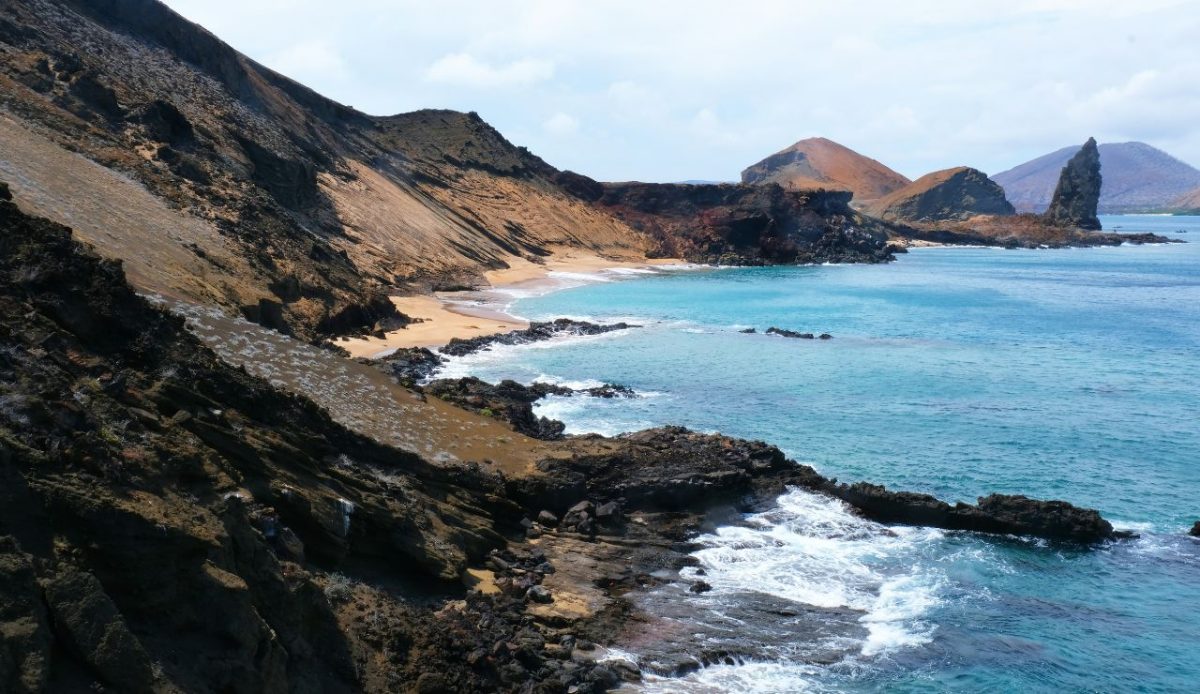
The Galápagos Islands are famous for unique wildlife and volcanic landscapes, but rising sea levels, invasive species, and erosion pose significant risks. Coastal habitats and nesting grounds for marine birds and turtles are threatened, while human activity and tourism place additional pressure on delicate ecosystems. Conservation efforts are in place, yet some areas may change dramatically in the coming decades. Travelers can still explore its extraordinary biodiversity, but experts stress the islands’ fragile nature. Visiting now allows appreciation of species and landscapes that may not exist in the same form in the future.
6. Isle of Eigg, Scotland
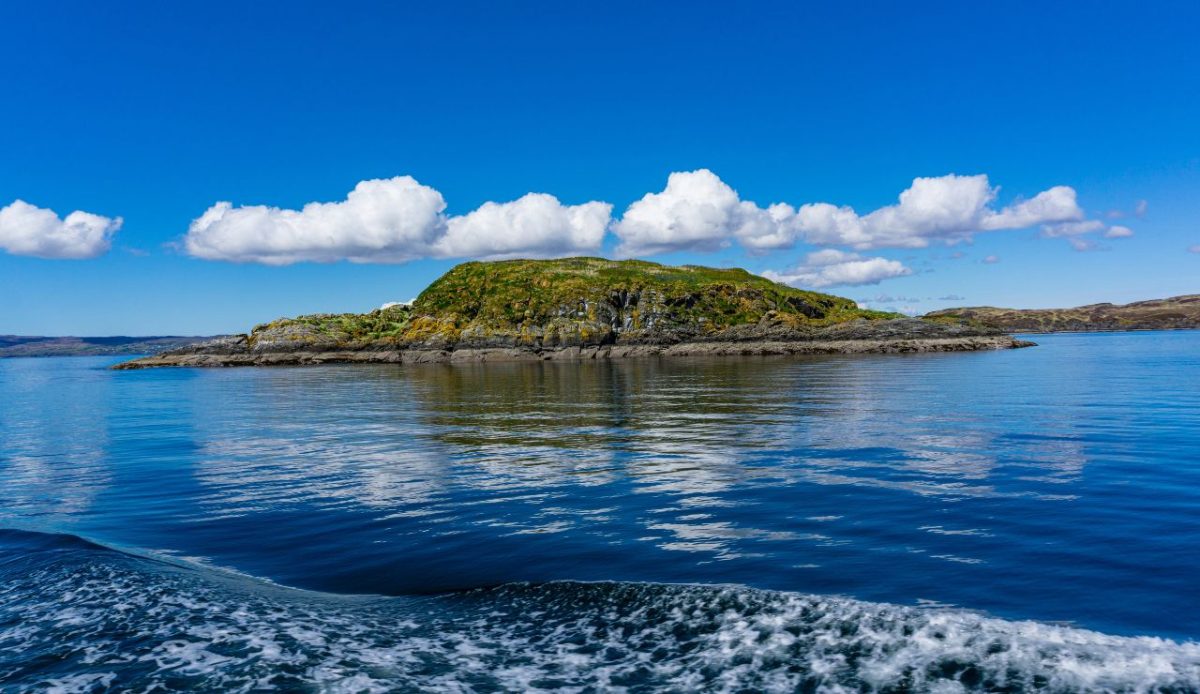
The Isle of Eigg, part of Scotland’s Inner Hebrides, faces erosion and environmental shifts that threaten its coastal landscapes. Rising tides, storm surges, and climate-driven changes in vegetation gradually reshape the island’s terrain. Historic sites and beaches may diminish, affecting both natural and cultural heritage. Small communities work to maintain infrastructure, but physical changes are inevitable. Travelers seeking pristine landscapes, birdwatching, and hiking trails can witness Eigg’s charm now, yet experts highlight the urgency, as some areas may become inaccessible or altered significantly in the decades ahead.
7. Salar de Uyuni, Bolivia
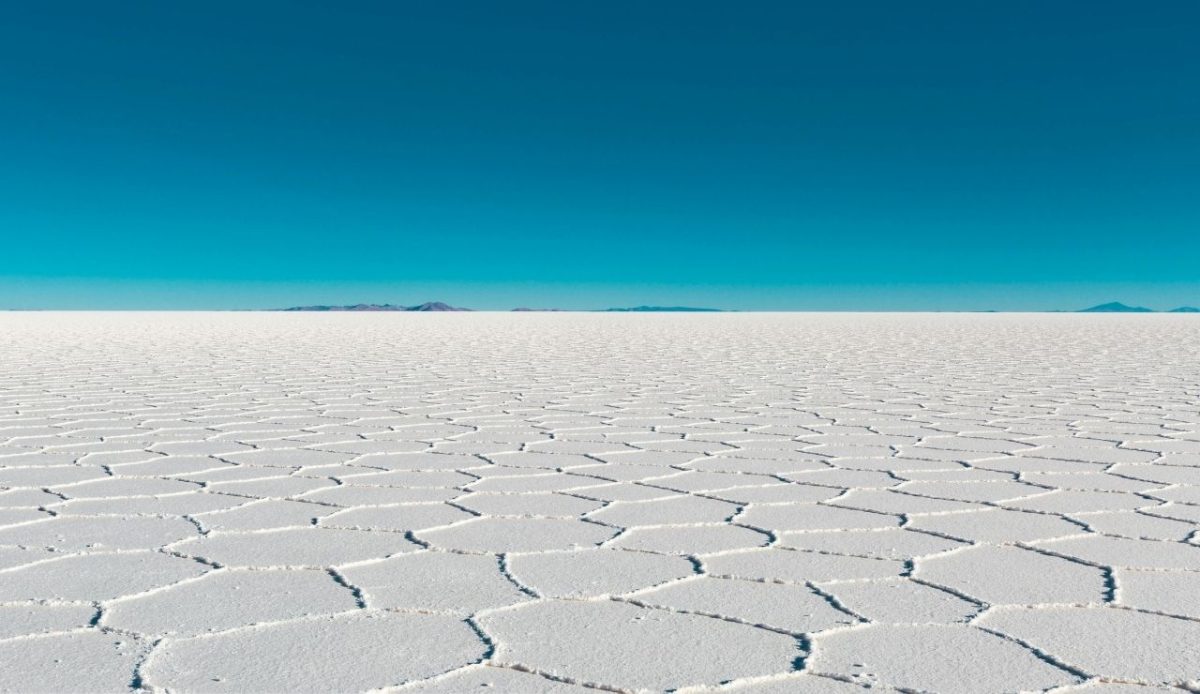
Salar de Uyuni, the world’s largest salt flat, is threatened by climate change and water extraction, altering its reflective surfaces and salt layers. Rain patterns and evaporation rates have shifted, affecting the mirror effect and fragile ecosystem. Mining also impacts the landscape and local communities. Travelers can still capture the salt flat’s surreal beauty, but changes in water and salt distribution mean the experience may evolve rapidly. Salar de Uyuni shows how environmental pressures can transform even seemingly permanent natural wonders, urging visitors to witness its uniqueness while it remains intact.
