
Train travel in Italy remains one of the most practical ways to see the country’s varied geography. The network reaches from the Alps to the southern coast, linking cities, villages, and natural landmarks with consistent schedules and affordable fares. Scenic routes provide a close view of how Italians live beyond major tourist areas. Some trains climb mountains once accessible only by road, while others pass fishing towns and working farms. Travelers can plan day trips or long routes without worrying about parking or tolls. For anyone seeking comfort and reliability while seeing Italy’s changing landscapes, these routes represent the best places to start.
1. Bernina Express: Tirano to St. Moritz
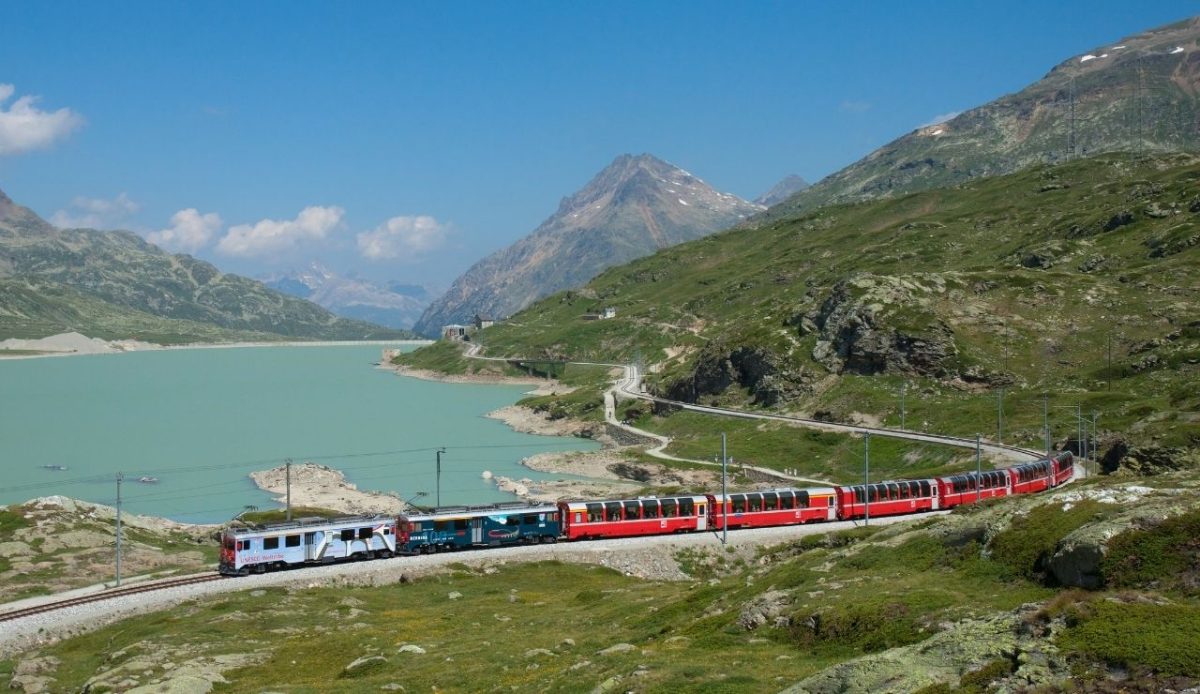
The Bernina line connects northern Italy to Switzerland, crossing the Alps on one of Europe’s highest railways. Starting in Tirano, it climbs above valleys and glaciers before arriving in St. Moritz. Its construction in the early 1900s earned a UNESCO World Heritage title for design and preservation. Large windows give uninterrupted views of mountain ridges and alpine lakes. The journey reaches about 7,400 feet yet remains smooth due to its spiral bridges. Summer brings open-air cars, while winter reveals clear views of snow-covered peaks. Trains run daily, and tickets are easy to book online or at local stations. This is one of Italy’s best routes for travelers who want a safe, organized way to experience high-mountain scenery.
2. Cinque Terre Line: Levanto to La Spezia

The short route between Levanto and La Spezia serves all five Cinque Terre villages. It is the simplest way to explore the area, where narrow roads and cliffs make driving difficult. Each stop gives access to beaches, trails, and small restaurants. A single-day ticket allows unlimited travel, helping visitors plan flexible schedules. Tunnels alternate with short coastal sections that open to views of vineyards and harbors. Morning and late afternoon trains are quieter, while midday crowds fill the platforms during summer. Ticket validation is required before boarding, and most stations have clear signs in English. This route offers both convenience and access to Italy’s most recognizable stretch of coastline.
3. Centovalli Railway: Domodossola to Locarno

The Centovalli line links Italy and Switzerland through more than fifty miles of mountain valleys. It departs from Domodossola, following deep gorges, chestnut forests, and small stone bridges. The narrow-gauge tracks were completed in 1923 and still operate regularly. The train makes several brief stops, allowing riders to see villages that remain far from main highways. The trip lasts less than two hours, ending near Lake Maggiore in Locarno. Autumn colors attract photographers, while spring and early summer bring mild weather and green slopes. Tickets are inexpensive, and bicycles are allowed on select departures.
4. Brenner Route: Bolzano to Innsbruck

The Brenner line connects northern Italy with Austria, following the historic trade corridor through the Alps. Trains climb steadily from Bolzano, passing vineyards and small towns before reaching alpine plateaus. The route is fully electrified and operates year-round with regional and international services. Travelers see both Italian and German signage as the border approaches, reflecting the area’s mixed heritage. Cars are clean, quiet, and suited for long trips. Winter travelers should allow extra time in case of snow delays, though disruptions are rare. The Brenner corridor remains one of Europe’s most dependable mountain crossings and an excellent example of shared infrastructure between two nations.
5. Lake Como to Lecco: Beside Alpine Waters

The short line from Como to Lecco follows the eastern shore of Lake Como. The ride lasts about an hour, moving through tunnels that open to wide lake views. Stations often sit near ferry docks, allowing quick transfers to other towns. The service operates frequently, with affordable regional tickets available from machines or apps. Morning and late-day trains give the best lighting for photos. Seats on the left side leaving Como, provide the widest views across the water. Many locals use the line for work, but visitors find it equally rewarding for sightseeing. Its convenience and reliability make it one of Lombardy’s most practical scenic routes.
6. Pisa to La Spezia: The Tuscan Coast Line

This coastline connects Pisa with La Spezia, following the Ligurian Sea. It passes beach towns, pine forests, and the marble quarries near Carrara. Regional trains stop often, while intercity services cover the route faster. Stations are located close to beaches and restaurants, allowing easy breaks between rides. Tickets must be validated before boarding, and schedules remain steady even during busy months. Spring and autumn bring mild weather, making them the best seasons to travel. The route serves both tourists heading to Cinque Terre and locals commuting between towns. It’s a simple, scenic way to see the Tuscan shoreline without a car.
7. Dolomites Route: Calalzo to Dobbiaco

Calalzo serves as the starting point for a line that cuts through the Dolomites toward Dobbiaco. The train moves through valleys lined with forests and alpine meadows. Some parts now connect by regional bus, but the overall route still offers consistent service. Morning trains highlight the pale peaks, while late trips show the change of color across the ridges. Autumn provides clear air and fewer passengers. Modern trains feature wide windows and comfortable seating, with room for luggage and bikes. Each stop connects to local trails and small towns where tourism supports the local economy. It remains one of the most straightforward ways to reach Italy’s northern mountains.
