
These seven destinations pair surf access with ski terrain that can show the ocean under documented viewing conditions. Each pick was screened for two requirements: a recognized surf break or surfable water nearby, and a resort or touring slope oriented toward the sea.
Details rely on official resort pages, national tourism offices, and widely used guide coverage that describes coastal sightlines from lifts, ridges, or summits. Seasonal limits are noted when surf windows shift, but every location supports both sports without redefining either one.
The sections stay practical. They name the specific beaches and ski areas, explain why sea views are plausible, and note what makes the pairing work in real travel plans.
1. Vancouver Island, Canada
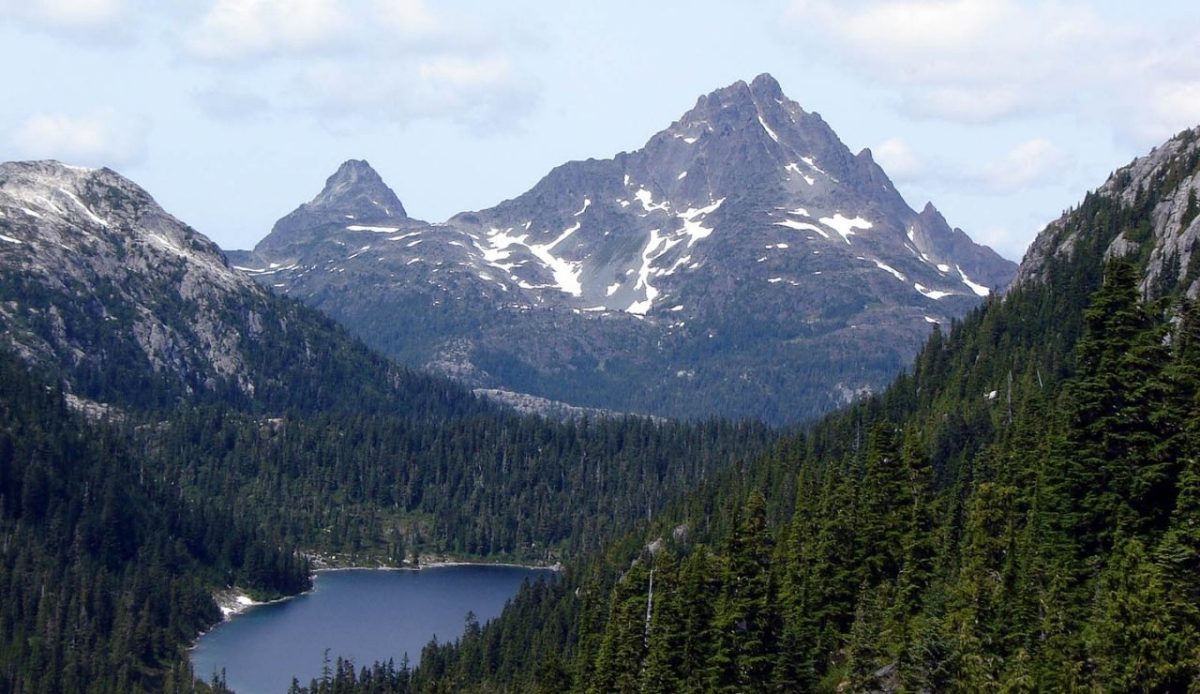
Tofino on Vancouver Island is anchored by Cox Bay and Long Beach in Pacific Rim National Park Reserve, both standard stops in Canadian surf coverage. Swell is steady across much of the year, and access is straightforward compared with remote coastal breaks.
Mount Washington Alpine Resort sits inland above the Salish Sea side of the island and is repeatedly described as a coastal ski hill. On clear days, ocean backdrop views are available from higher terrain, which is the core requirement for this list.
The pairing works because the drive stays within the same island corridor. Surf sessions can be planned around tides and wind, then ski laps can follow without a long transfer that turns the concept into a gimmick.
2. Christchurch And Mt Hutt, New Zealand
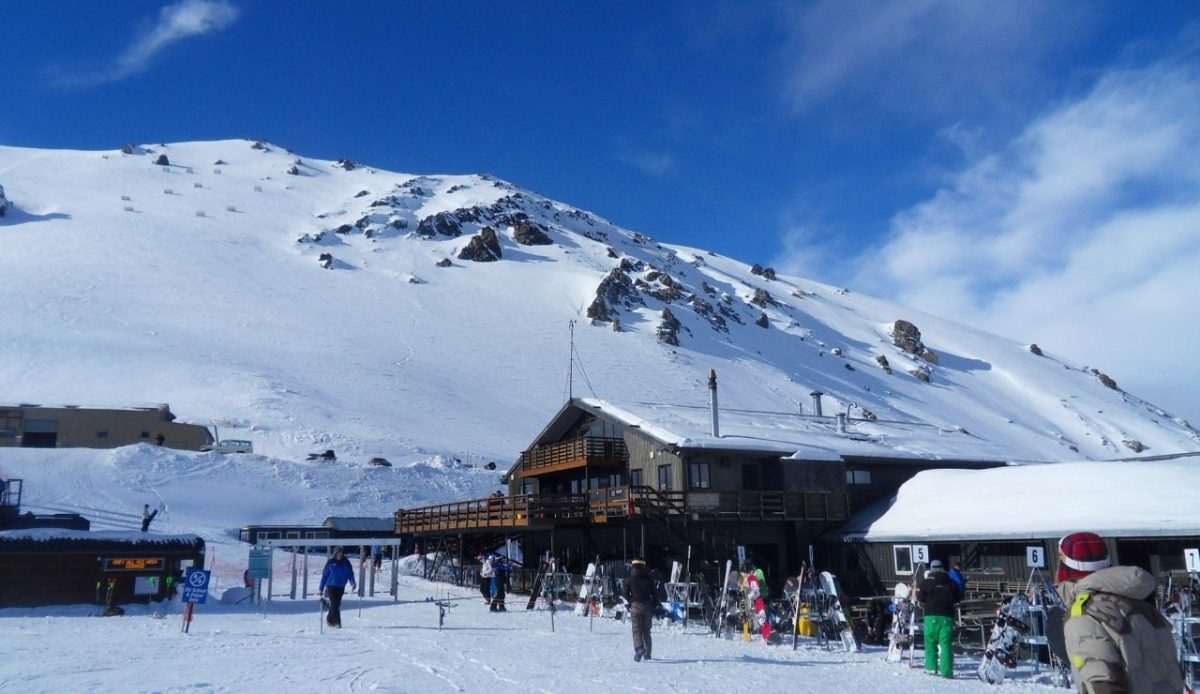
Christchurch gives direct access to Sumner Beach and nearby breaks along the Pegasus Bay coast. These spots are used by local schools and are tracked by common surf forecasting services, so conditions can be checked with normal planning.
Mt Hutt rises above the Canterbury Plains and its own materials note that, on a good visibility day, the Pacific can be seen from the ski field. That sightline is helped by the broad, low plain between the mountain and the sea.
This destination fits the title because the ski view points seaward rather than away from it. It also keeps logistics realistic, with a single urban base for rentals, food, and weather updates before heading inland.
3. Lofoten Islands, Norway
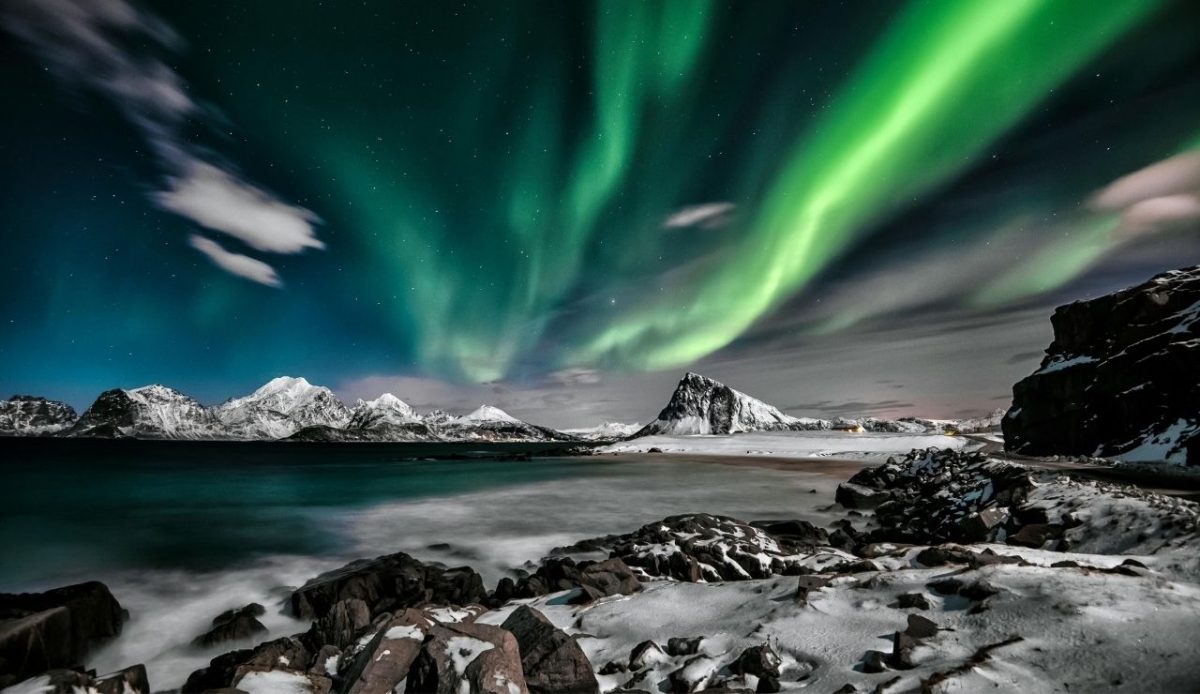
Unstad Beach in the Lofoten Islands is one of Norway’s best-known cold water surf sites, with established rentals and local guiding. Surf days depend on swell and wind, but the break is documented and regularly used by traveling surfers.
Skiing here is often done as touring instead of lift-served resort laps. Guide descriptions and topographic context emphasize sea-to-summit lines, where mountains rise directly from fjords and open water.
The ocean view requirement is met almost continuously, not only from a summit. Because access roads and daylight can be limiting in winter, planning is built around forecast windows and conservative route choices.
4. Otaru And Sapporo Teine, Japan
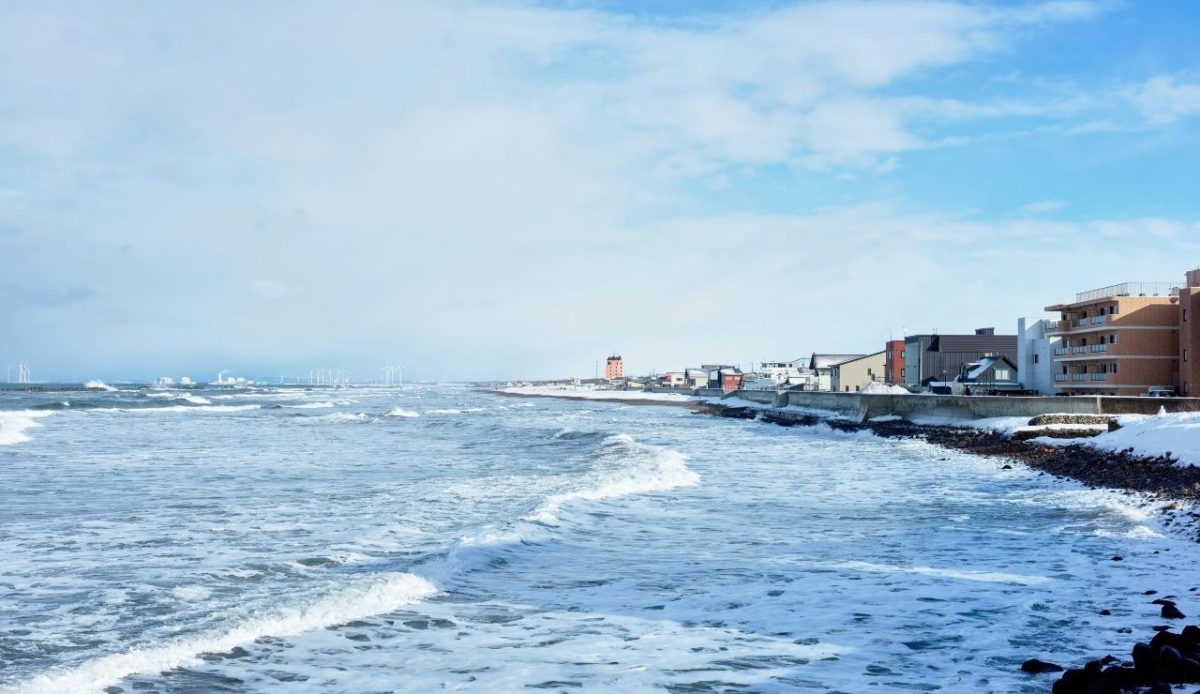
Zenibako, just outside Otaru in Hokkaido, is a mapped surf area that can work during autumn and winter swell. Water is cold, so wetsuit planning matters, but the coastline is accessible and regularly monitored by surf reports.
Sapporo Teine Ski Resort is documented for its views of mountain ranges and the ocean in the distance. Its upper zones face toward Ishikari Bay, which is why sea views are plausible from ski terrain on clear days.
This pairing stays credible because both locations sit in the same metro region and are served by standard roads and transit. For travelers, it offers a defined coast break and a defined ski hill, not a vague coast plus an inland mountain claim.
5. Joetsu Coast And Lotte Arai Resort, Japan
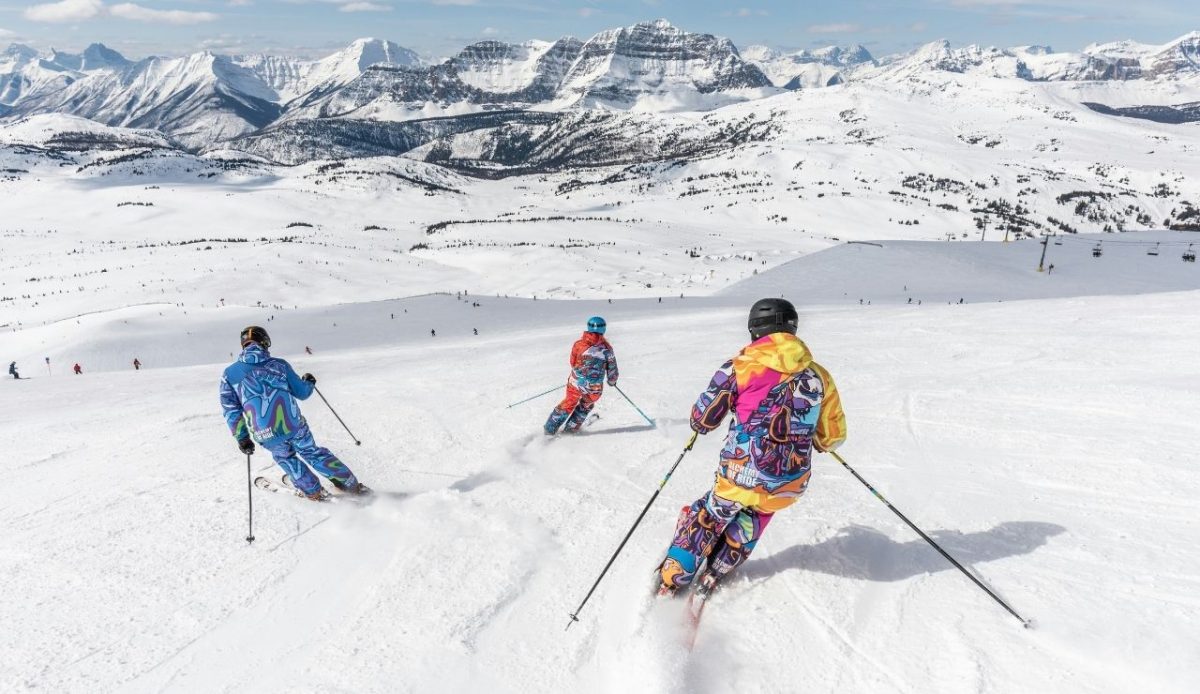
Niigata’s Joetsu coast faces the Sea of Japan and is tracked by live surf forecasts that report swell height, period, and wind. Winter storms can create rideable surf, while water temps stay low enough to require full cold water gear.
Lotte Arai Resort, also branded as Arai Mountain Resort, sits in the Myoko area and is noted for occasional ocean views on clear days. That detail is repeated in destination descriptions rather than being treated as folklore.
The travel logic is simple: coast first when winds are clean, then move inland for snowfall days. This destination qualifies because the ski terrain can show the sea, and the surf spot is a named, monitored coastline segment.
6. Costa Tropical And Sierra Nevada, Spain
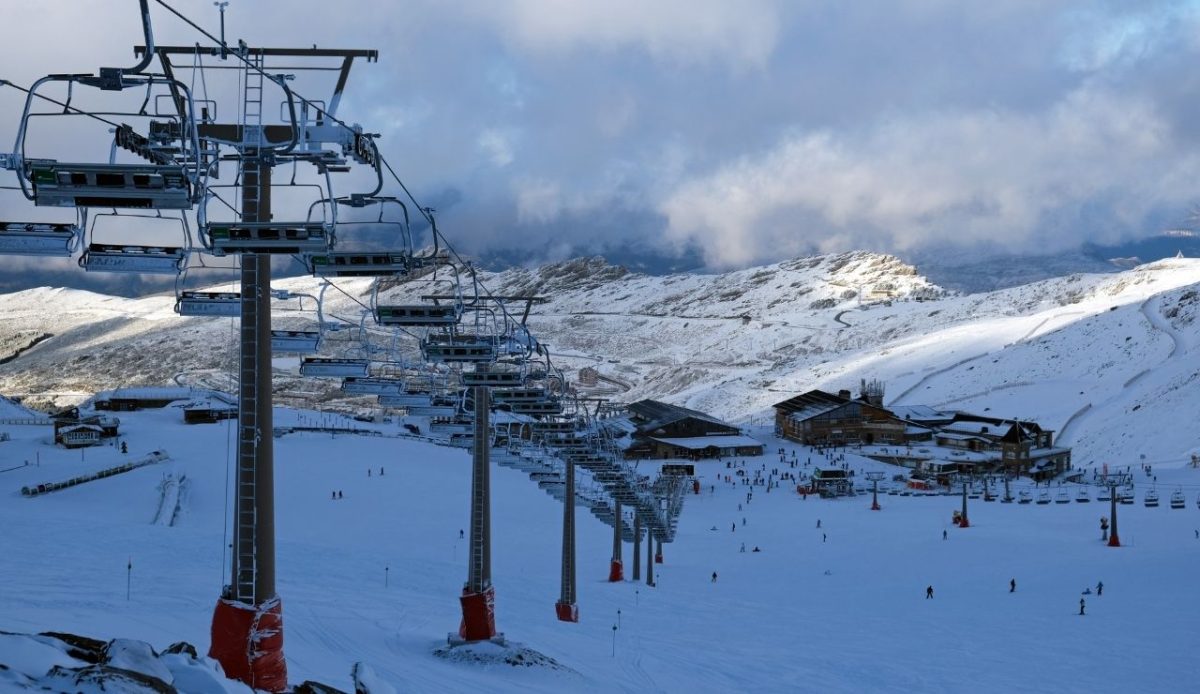
Granada’s Costa Tropical includes La Herradura and nearby coves where Mediterranean surf can appear when swell and wind line up. Conditions are less consistent than on the Atlantic coasts, but local forecasts and surf guides track the windowed nature of the breaks.
Sierra Nevada ski resort above Pradollano reaches high elevations and is described by ski area information sources as having Mediterranean views on clear days. The resort’s southern position makes those long-distance sightlines plausible.
This pairing is strongest in late winter and early spring when snow can hold while coastal temps stay mild. It meets the title because the ski area faces the sea, and the surf option sits on the same provincial coastline.
7. Girdwood And Turnagain Arm, Alaska
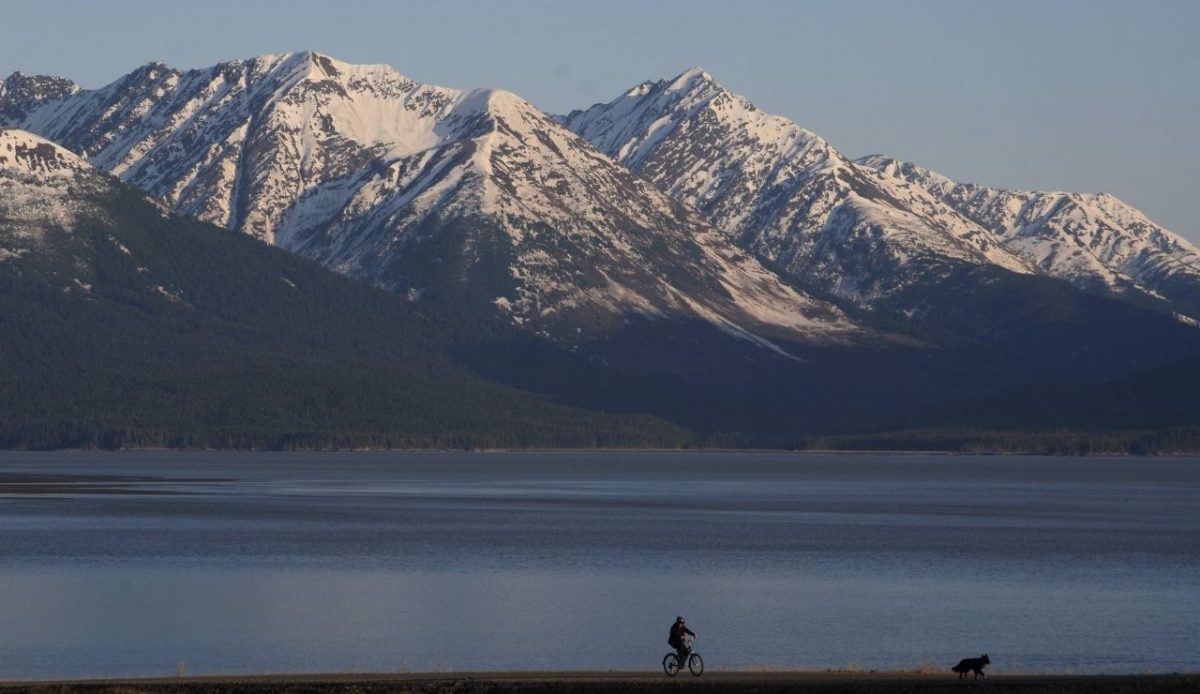
Girdwood, Alaska, is home to Alyeska Resort, whose aerial tram and upper slopes are described as having views over Turnagain Arm and Cook Inlet waters. That inlet connection matters because the sea is part of the visible landscape from ski terrain.
On the water side, Turnagain Arm is known for a tidal bore that can be surfed during strong tide exchanges. Unlike beach breaks, this depends on tide timing and safety planning, but it is a documented surf activity.
The combination is unusual but still on topic, ocean-linked views from ski slopes plus a surfable water feature nearby. Travelers should treat it as condition-based, with careful local checks before attempting the bore.
