
Lagoons attract travelers because they combine calm water with clear boundaries that shape scenery, access, and daily activity. Unlike open seas, lagoons develop distinct colors, depths, and ecosystems that remain visible and easy to experience from shore or small boats. Many also guide settlement patterns, wildlife movement, and visitor rules set by local authorities. The lagoons below are formally identified in geographic or environmental records and promoted by official tourism bodies as primary reasons to visit. Each one offers a different setting, from tropical reefs to glacial ice, while remaining central to how the destination functions.
1. Aitutaki Lagoon, Cook Islands
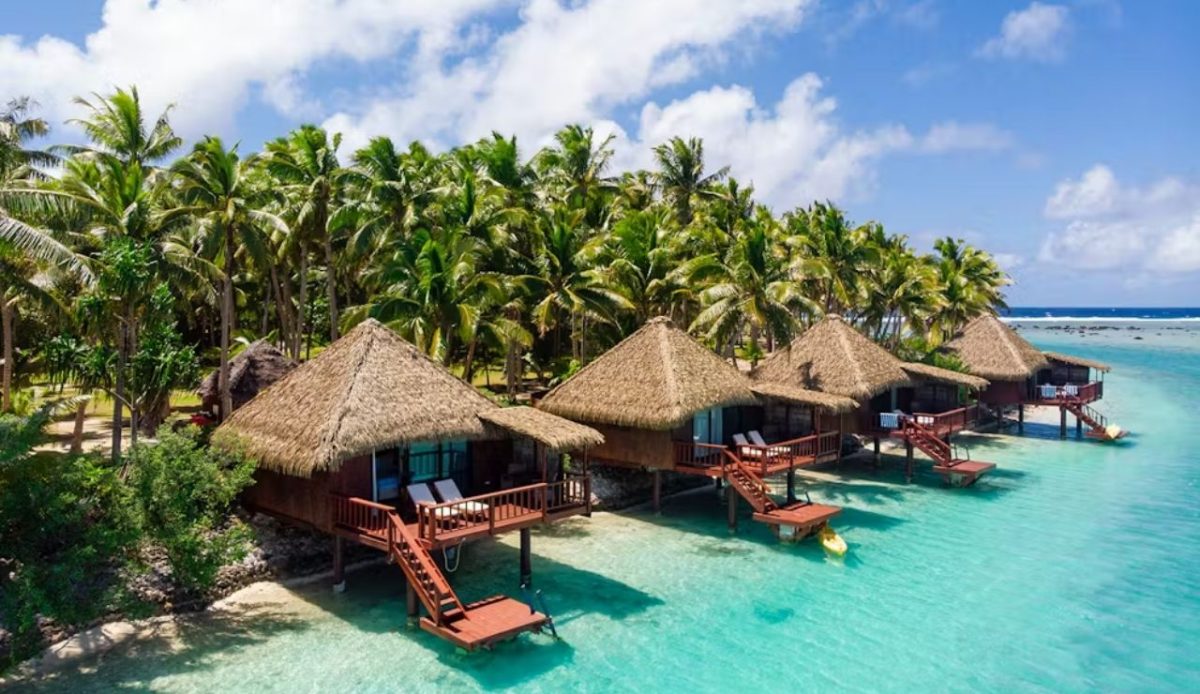
Aitutaki Lagoon surrounds the island of Aitutaki and is defined by a shallow basin enclosed by a coral reef and scattered motu islets. The pale sand bottom reflects sunlight upward, producing stable turquoise tones across most of the lagoon. Local tourism authorities identify lagoon cruises, snorkeling zones, and motu landings as the area’s main visitor activities. Fishing traditions and transport routes depend on these sheltered waters, which also limit wave action. Because the lagoon supports both livelihoods and tourism, access and boating practices are closely managed to preserve visibility and coral health.
2. Bora Bora Lagoon, French Polynesia
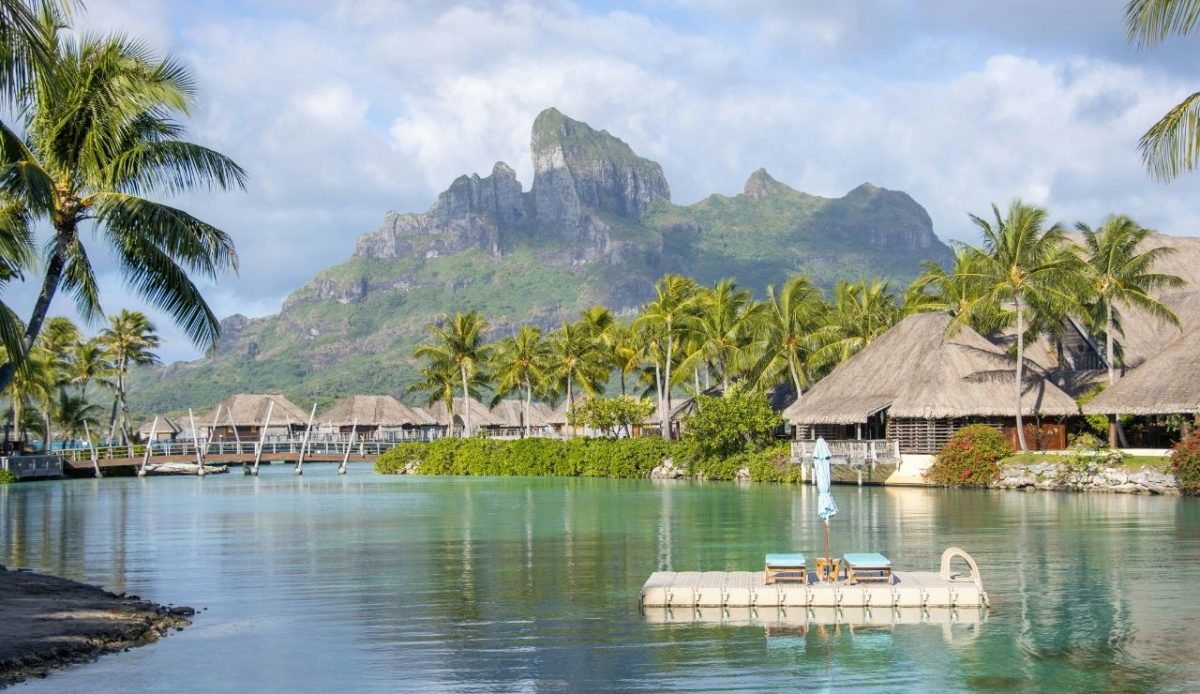
The lagoon of Bora Bora lies between a volcanic island and a continuous barrier reef, forming a wide ring of protected water. Depth changes inside the lagoon create strong color shifts that range from light aqua near shore to deep blue toward reef passages. Travel infrastructure, including boat transfers and overwater bungalows, relies on lagoon conditions rather than open ocean access. Snorkeling areas, coral gardens, and navigation channels are mapped around lagoon currents. Geographic descriptions consistently define Bora Bora through this lagoon system, which shapes both scenery and daily movement across the island.
3. Blue Lagoon, Comino, Malta
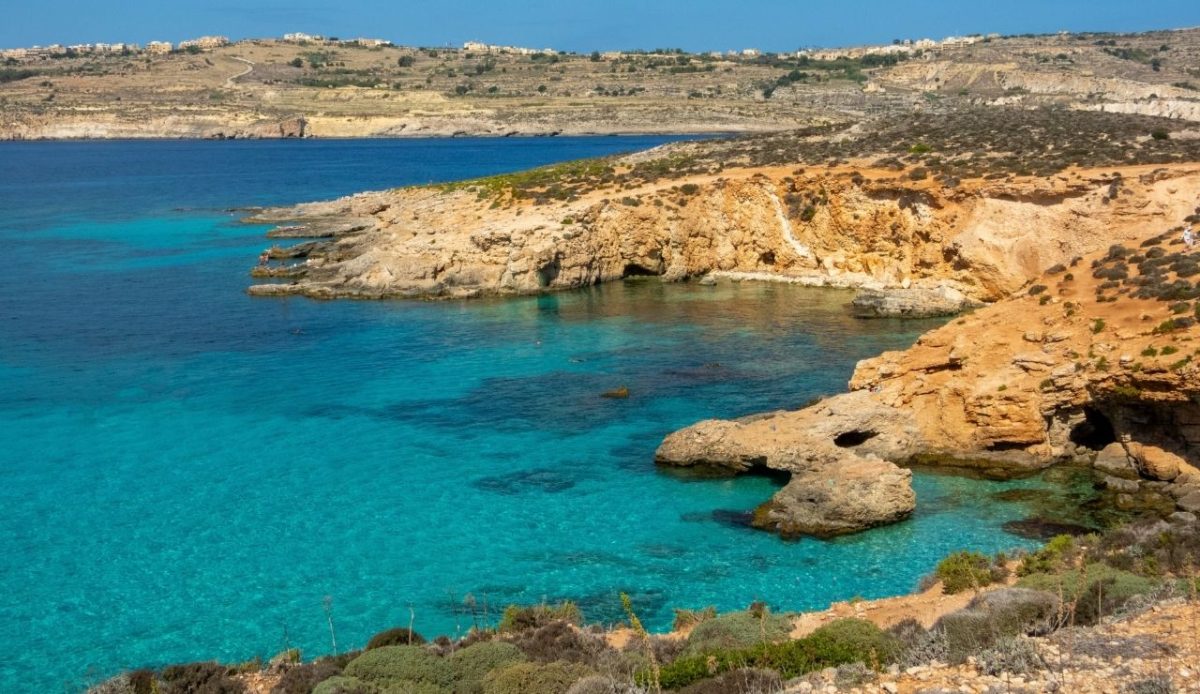
The Blue Lagoon on Comino is a narrow inlet positioned between Comino and Cominotto, enclosed by low limestone cliffs. Its lagoon status comes from limited circulation, shallow depth, and a light rock base that produces unusually clear water. Maltese authorities regulate daily entry through a booking system to reduce crowding and seabed damage. Swimming and snorkeling dominate visits because currents remain weak under normal conditions. Ferry schedules, swimming zones, and seasonal limits are all planned around lagoon capacity, confirming that the lagoon itself is the primary reason travelers include Comino.
4. Bacalar Lagoon, Mexico
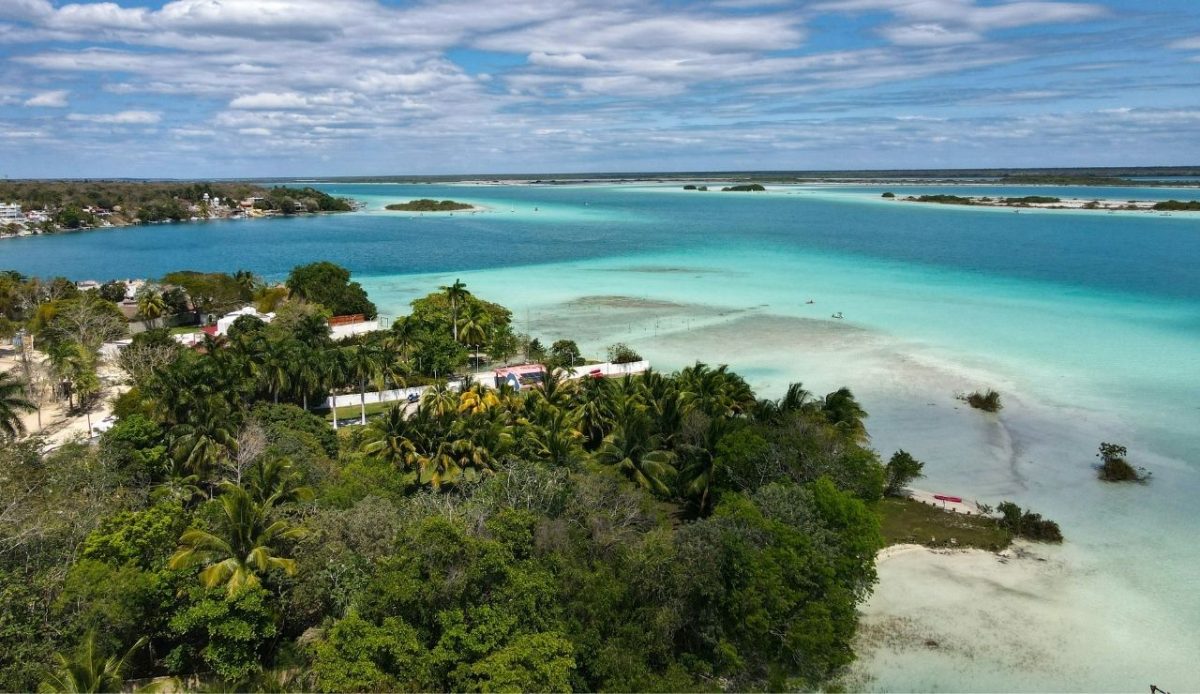
Bacalar, known as the Lagoon of Seven Colors, is a long freshwater lagoon shaped by limestone geology and underground water flow. Variations in depth and sediment create visible bands of blue that shift with light and water clarity. Environmental agencies classify the lagoon as sensitive to runoff and boat traffic, leading to strict rules on engines and shoreline development. Visitor activity centers on kayaking, docks, and slow boat routes that protect the water surface. The town’s layout and pace reflect lagoon preservation needs rather than beach-driven tourism found elsewhere in the region.
5. Jökulsárlón Glacier Lagoon, Iceland
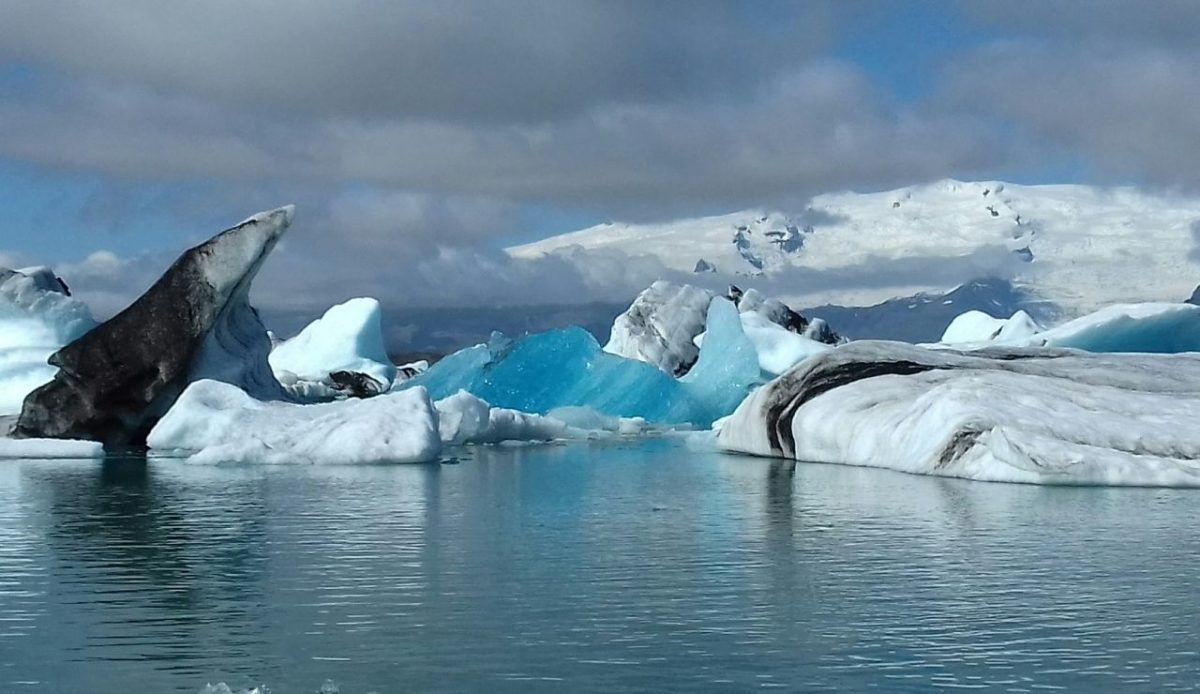
Jökulsárlón is a glacial lagoon formed where meltwater collects at the edge of Breiðamerkurjökull glacier. Icebergs break from the glacier face and drift across the lagoon before moving toward the sea through a narrow channel. Scientific sources define it as a lagoon due to its controlled connection with coastal waters. Travel experiences focus on iceberg viewing, boat tours, and seasonal wildlife observation. Road access, viewing platforms, and safety zones are arranged around ice movement patterns, making the lagoon the focal point rather than the surrounding glacial terrain.
6. Laguna Colorada, Bolivia
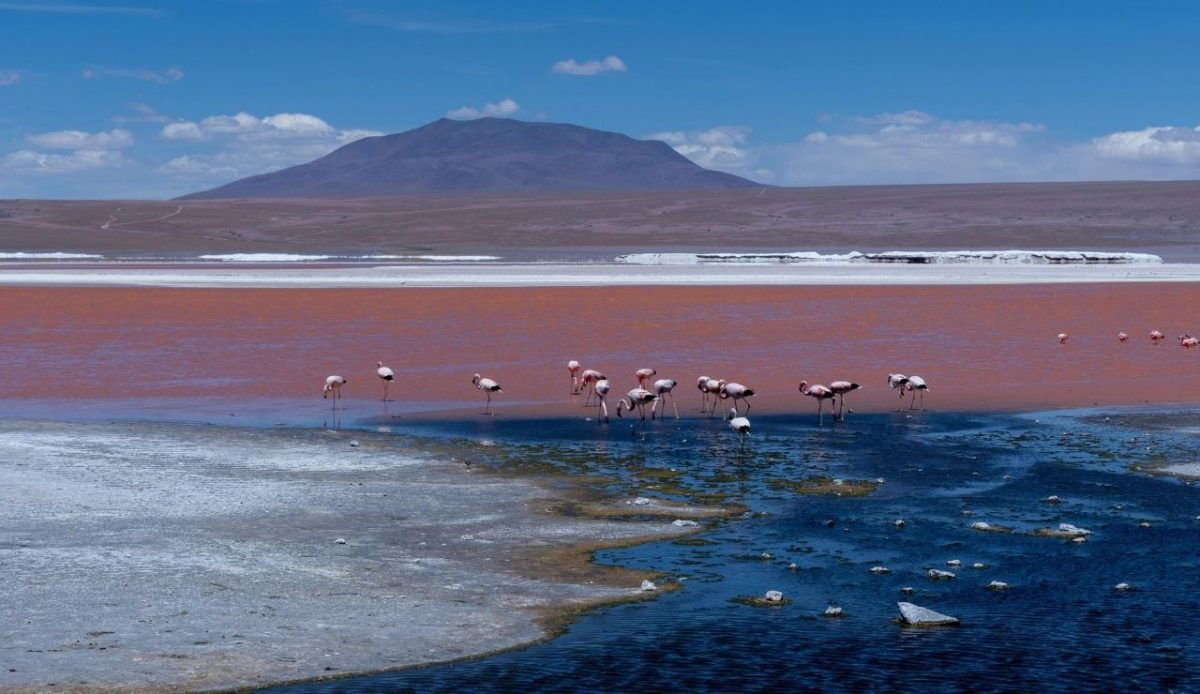
Laguna Colorada is a shallow saline lagoon located within Bolivia’s Eduardo Avaroa Reserve at high elevation. Its red color comes from mineral-rich sediments and algae that thrive under intense sunlight and cold conditions. International wetland records recognize the lagoon for its role in supporting large flamingo populations. Travel to the area follows designated routes that protect nesting zones and fragile shorelines. Visitors observe wildlife and color changes from set viewpoints, showing how the lagoon’s chemistry and ecology determine both access and the overall travel experience.
7. Venice Lagoon, Italy
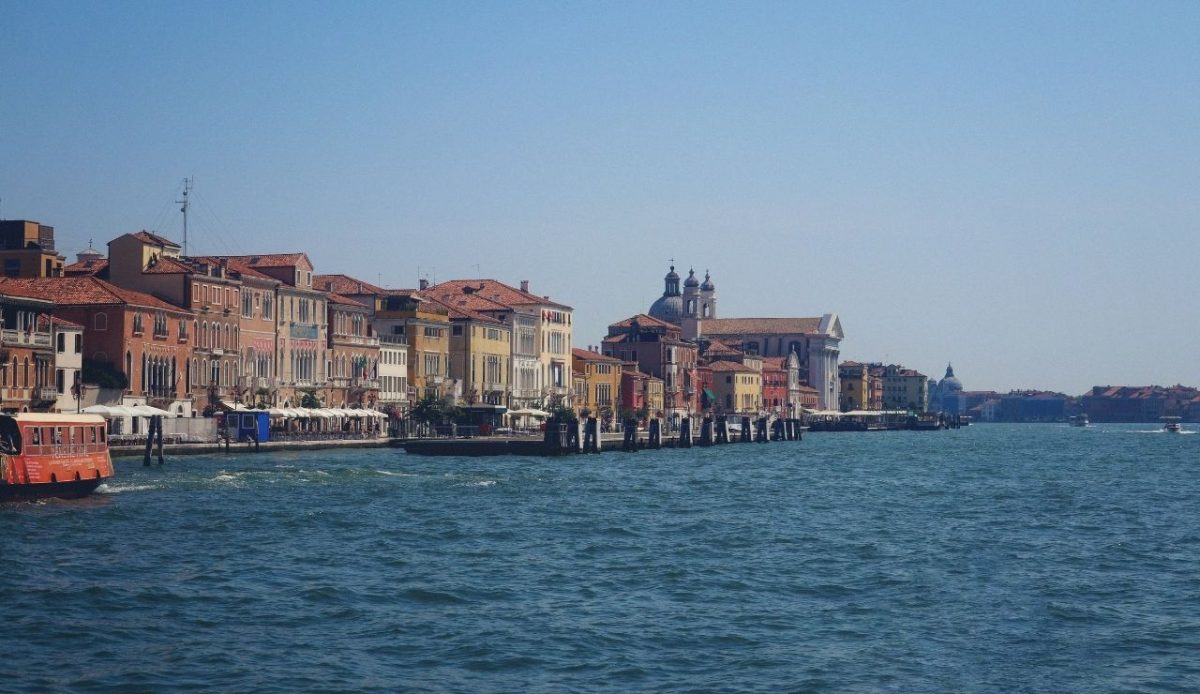
The Venice Lagoon is a broad coastal lagoon system that supports Venice and several surrounding islands. It is officially recognized as Venice and its Lagoon by UNESCO, highlighting that the water body and city function together. Tides, shallow channels, and sediment flow influence transportation, architecture, and flood management. Visitors experience the lagoon through boat routes, island stops, and wetland views beyond historic canals. Daily life, travel logistics, and preservation projects depend on lagoon dynamics, making it a destination defined as much by water systems as by buildings.
