
Sleeping in a parked car falls in a gray area of U.S. law because rules come from highway agencies, parks, and local codes. In 2026, more states are spelling out limits at rest areas and other state sites as long stays become more common.
Most changes focus on time caps, no camping definitions, and towing authority, not on banning short fatigue breaks. The same stop can be legal for a nap yet illegal once it becomes an overnight stay.
This guide highlights seven states where statewide rules or 2026 actions tighten what travelers can do. Drivers should still read posted signs because site rules and enforcement can differ by facility and season.
1. Michigan
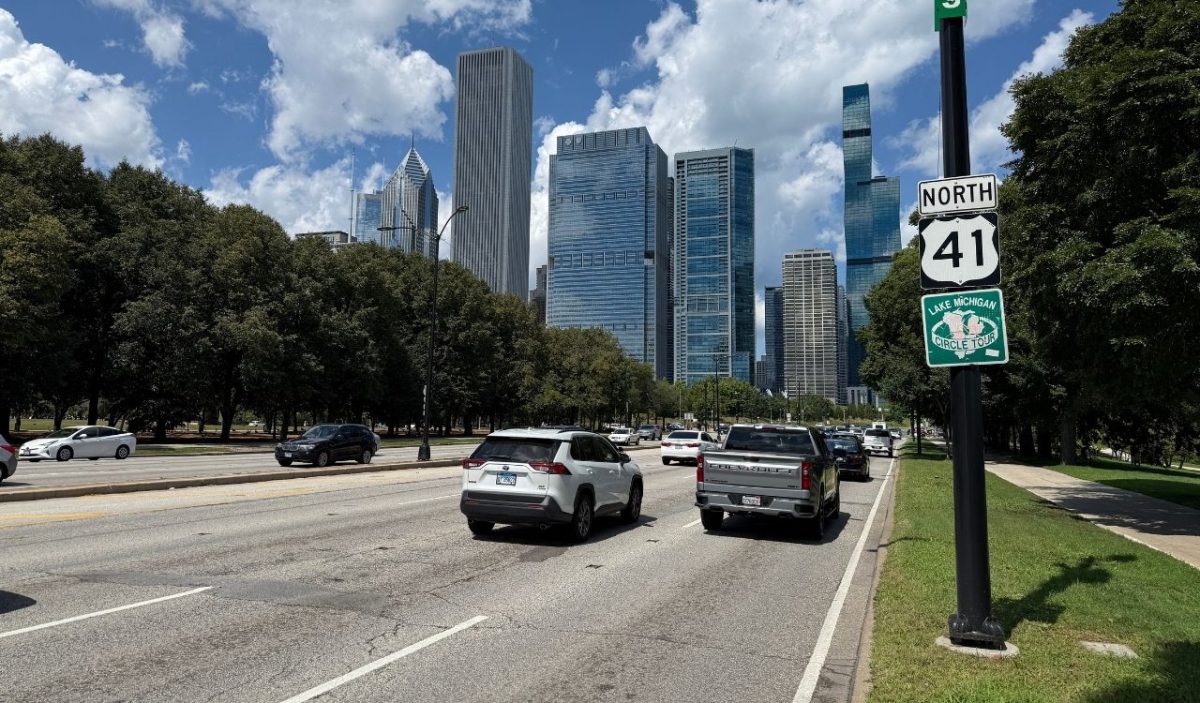
Michigan updated rules for roadside facilities set a maximum continuous stay of 48 hours and paired it with an explicit no camping standard. Overnight parking is allowed, but setting out gear, dumping trash, or treating the lot like a campsite can trigger action.
MDOT tied the change to safety and upkeep, noting that long-term occupation strains restrooms, waste handling, and parking turnover. A defined cap also gives troopers and staff a clearer basis to move vehicles that linger.
For travelers, the key shift is predictability. A sleep period inside the car may be tolerated within the window, yet a multi-night routine can be cited. Plan for paid lots or campgrounds if a stop will extend beyond two calendar days.
2. Virginia
Virginia’s statewide rest area regulation bars overnight parking and also bans camping at any time. The rule appears in the administrative code for waysides plus rest areas and is reinforced by VDOT public guidance.
Facilities remain open around the clock in many locations, which can confuse drivers. A late arrival for fatigue relief is different from leaving the vehicle parked through the night, and unattended cars can be towed.
Practical impact is straightforward. A short stop for alertness is usually the intended use, while sleeping through to morning risks a violation. If a long drive crosses Virginia, choose a private campground, hotel, or permitted truck stop instead of relying on a rest area.
3. Tennessee
Tennessee posts a two-hour parking limit at welcome centers and rest areas and states that overnight parking is not allowed. The language appears in TDOT’s statewide guidance for these highway facilities.
The mechanism is simple time-based enforcement. When a vehicle remains past the cap, staff or patrol can treat it as an unauthorized use of the site. The rule also supports turnover, so spaces remain open for drivers who need brief breaks.
A person can still stop to address drowsiness, yet a full night inside a parked car is outside the allowed pattern. If sleep is needed, plan a paid campground, a hotel, or a business that permits overnight parking in writing.
4. Illinois
Illinois administrative rules for rest areas limit the duration of a stop to three hours, with authority to shorten stays further when lots near capacity. That statewide cap makes routine overnight car sleeping incompatible with the intended use.
Enforcement is supported by posted notices and by the fact that the limit is embedded in transportation regulation rather than a local ordinance. When the clock runs out, officers can require departure even if no other misconduct is present.
Drivers should treat Illinois rest areas as fatigue checkpoints, not free lodging. A nap that stays inside the window is the safer approach. For a longer recovery, use a commercial stop, campground, or lodging to avoid penalties or a knock at the window.
5. Maryland
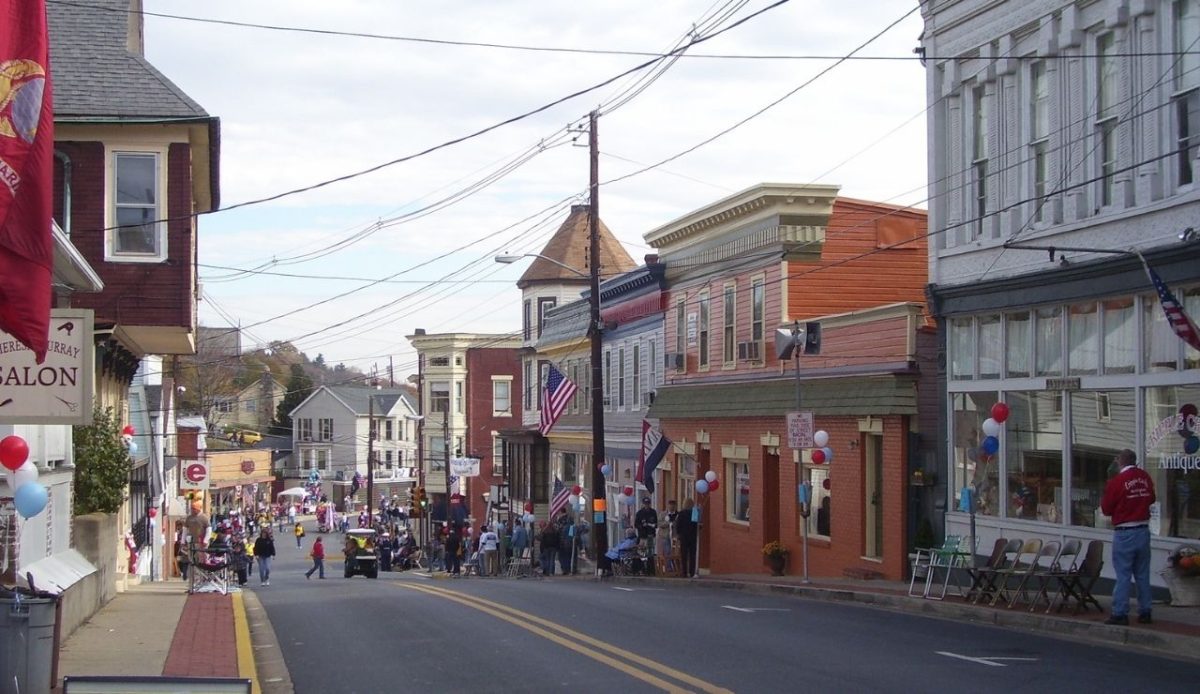
Maryland regulations for roadside areas set a three-hour maximum unless a permit is obtained from the caretaker or Maryland State Police. That statewide time rule turns an overnight car sleep into a violation unless special approval is granted.
The permit mechanism matters. A dangerously tired driver can request more time, yet the default expectation is quick turnover. Long stays may be viewed as unauthorized use even when the vehicle remains orderly.
In 2026, travelers should plan with the clock in mind. Use rest areas for a short reset, then move on. If sleep will run deep into the morning, choose a paid campground or lodging, or request a permit where staff are present and willing to issue one.
6. Vermont
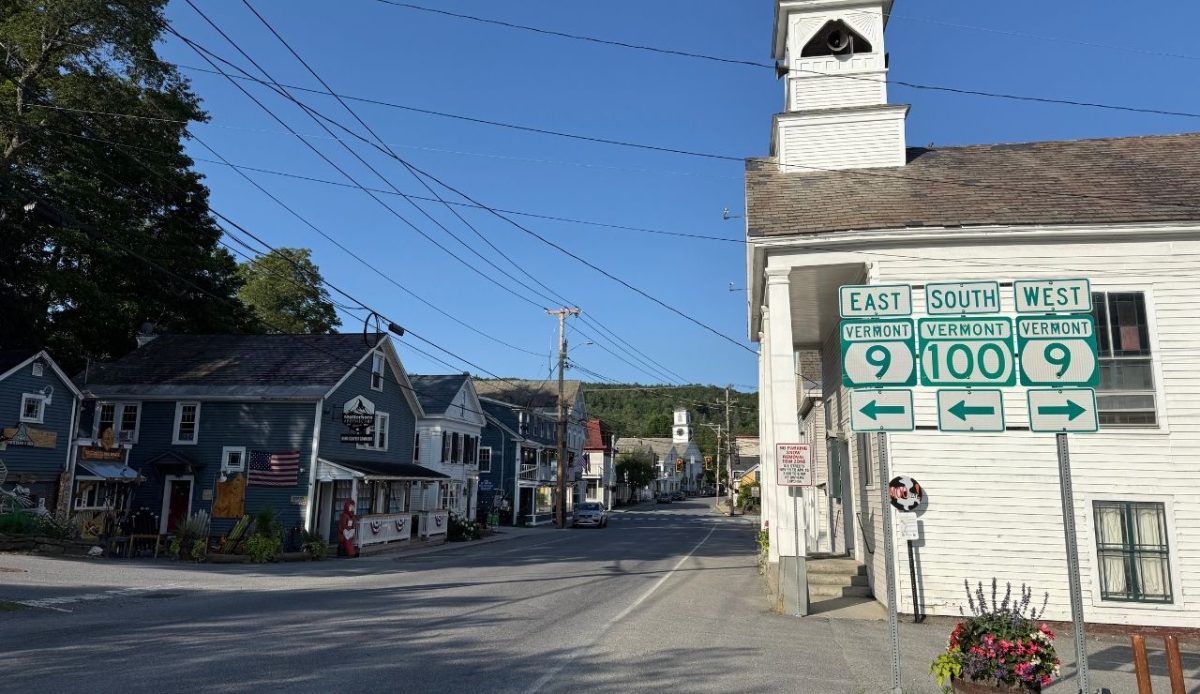
Vermont law defines a state highway facility to include rest areas, picnic grounds, parking areas, and park-and-ride lots. It bars entering or remaining at those facilities for overnight camping unless the site is designated for that purpose.
The state uses a purpose test. A brief stop to recover from travel fatigue is different from settling in for the night with the intent to camp. When intent looks like overnight lodging, enforcement can follow even if no tent appears.
For 2026 trips, treat Vermont highway facilities as short rest stops only. If a longer sleep is needed, pick a designated campground or a private lot that permits overnight stays. Rely on posted designations, not assumptions.
7. Idaho
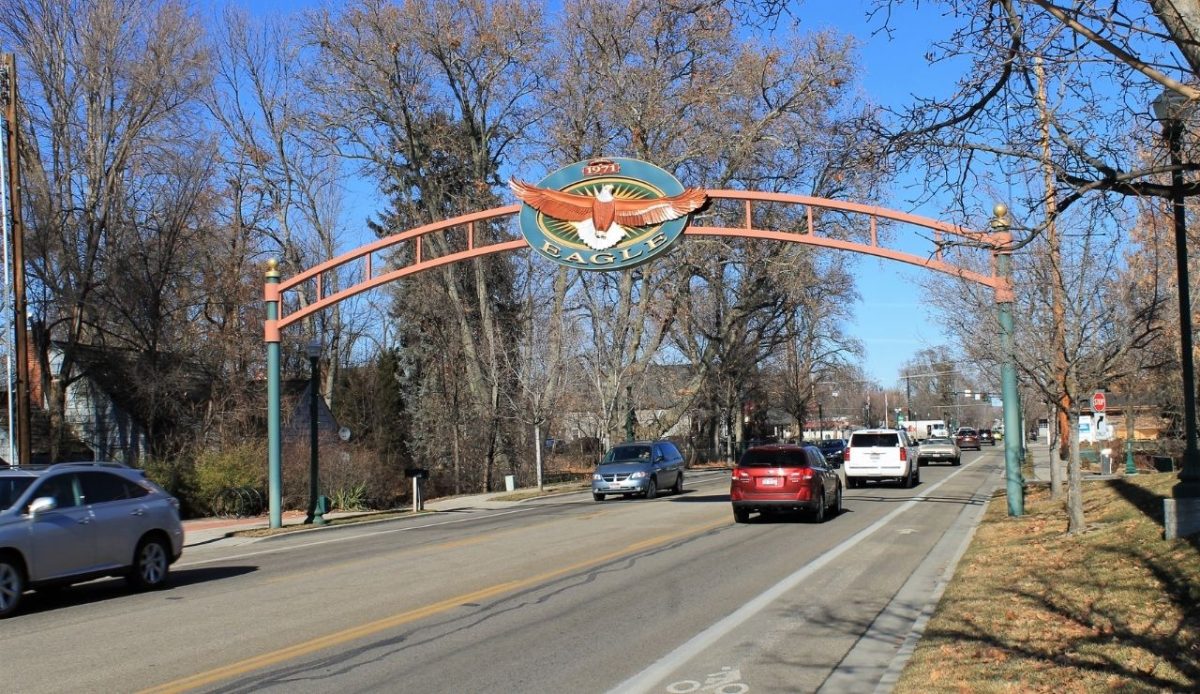
Idaho passed a statewide public camping and sleeping law in 2025 that took effect in July and continued shaping enforcement into 2026. News coverage described limits on sleeping in public spaces, with attention on large cities and public rights of way.
The mechanism restricts what local governments may permit and sets penalties tied to where a person stays. Because a vehicle can be treated as lodging when it is used in a restricted public zone, car sleeping may fall within enforcement.
Risk depends on place more than time. A private lot with permission can be lawful, while curbside sleeping in a restricted area can draw a citation. Avoid city rights of way and choose campgrounds, truck stops, or paid lots for overnight rest.
