
State parks can shift from routine to dangerous when water, weather, or terrain crosses a narrow threshold. Signs and maps help, but natural systems change faster than most visitors can react.
Rapid hazards usually follow a trigger such as a flash flood pulse, a tide-driven current surge, or a heat load on steep climbs. Once the trigger starts, escape routes shrink and mistakes compound.
The parks below are chosen for well documented fast onset risks like sudden flooding, lethal currents, surf surge at rocks, severe heat illness, and fall exposure near cliffs. Each section explains the mechanism and the practical reason the danger escalates so quickly.
1. Goblin Valley State Park
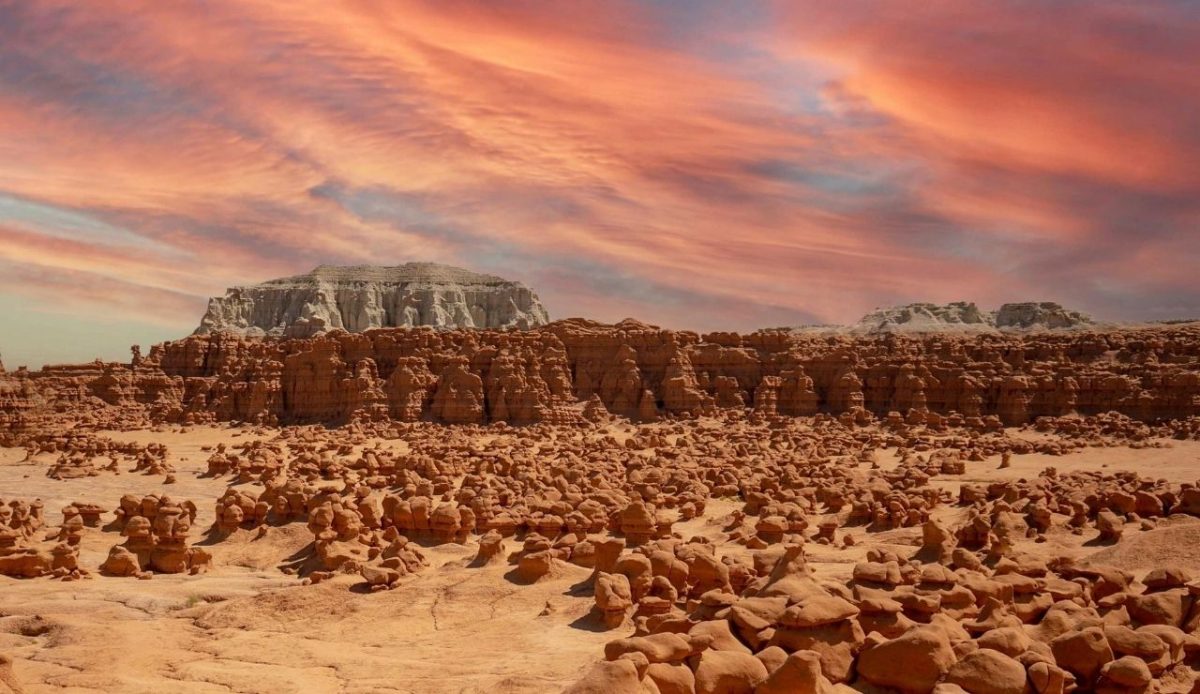
Goblin Valley sits beside Little Wild Horse and Bell Canyon systems, where a dry wash can become a moving river from storms far away. Because the drainage is broad, rain upstream can arrive under clear skies in the canyon.
Water rises fast in narrow slots, then accelerates around bends and pours through chokepoints. Climbing out is hard because the walls are steep and smooth, and the debris makes footing unstable.
Utah park alerts and canyon safety guidance emphasize checking forecasts and avoiding slots when rain is possible anywhere in the watershed. When runoff starts, the safe window can close in minutes, turning a short hike into a rescue. Even shallow surges can sweep people off balance.
2. Warren Dunes State Park
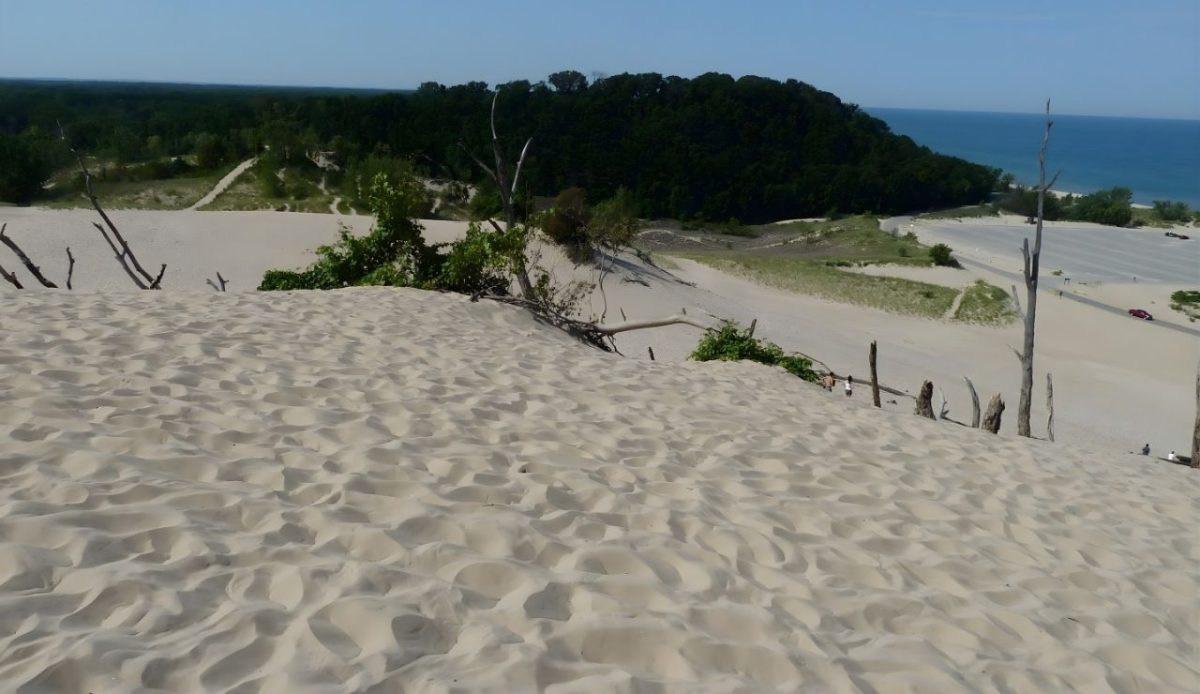
Warren Dunes fronts Lake Michigan, where a brief wind shift can set up rip currents that persist after the beach looks calm. Rapid pressure changes can also create meteotsunami-like surges that rearrange nearshore flow.
These currents pull swimmers away from shore and along the bar, often without obvious breakers. People tire quickly when they fight straight back, and cold water stress reduces strength and coordination.
A cluster of July 4 drownings near this area has been linked to fast-forming currents after storms. State guidance stresses swimming near lifeguards where available, watching for hazard flags, and staying out when recent storms or strong winds occurred.
3. Deception Pass State Park
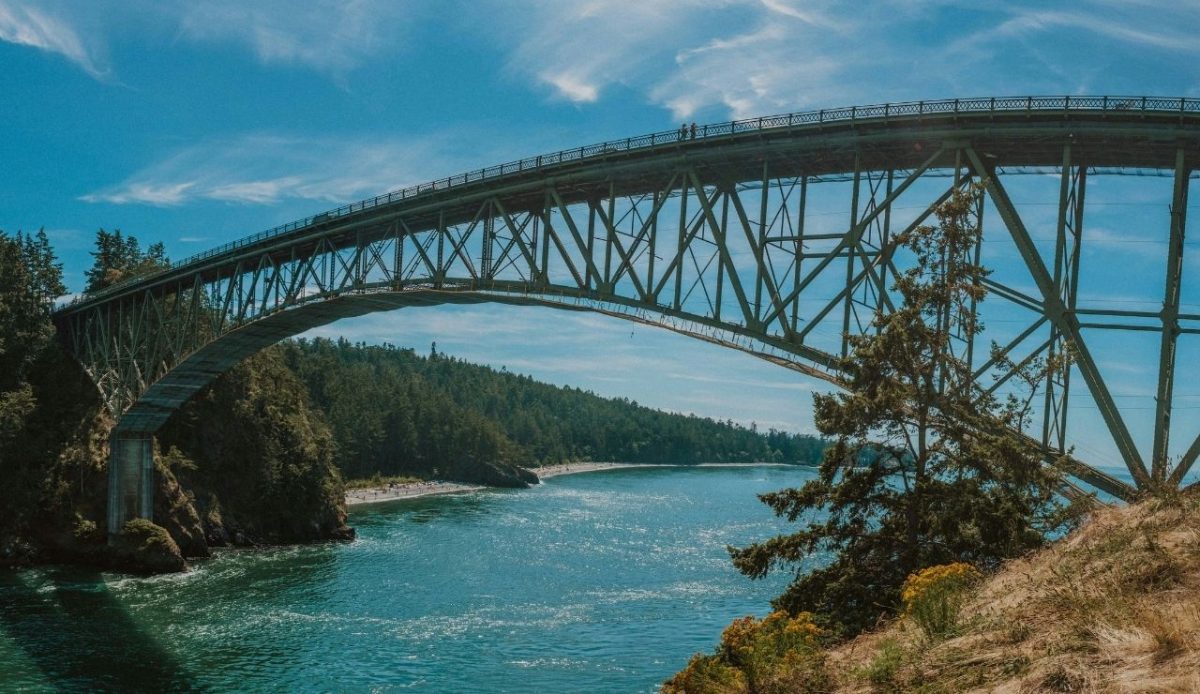
Deception Pass concentrates tidal exchange between Whidbey and Fidalgo Islands, producing fast currents and turbulent eddies. Slack water windows are short, and conditions can change quickly as the tide turns.
When the flow strengthens, whirlpools and standing waves form near rocks and bridge pilings. Small craft can capsize, and swimmers can be swept into the main channel before they realize they are drifting.
Cold Pacific water adds risk because cold shock and rapid breathing can occur within the first minute of immersion. Park and maritime guidance recommend staying out of the pass except at slack, wearing flotation on watercraft, and treating the channel as a no-swim zone.
4. Waiʻanapanapa State Park
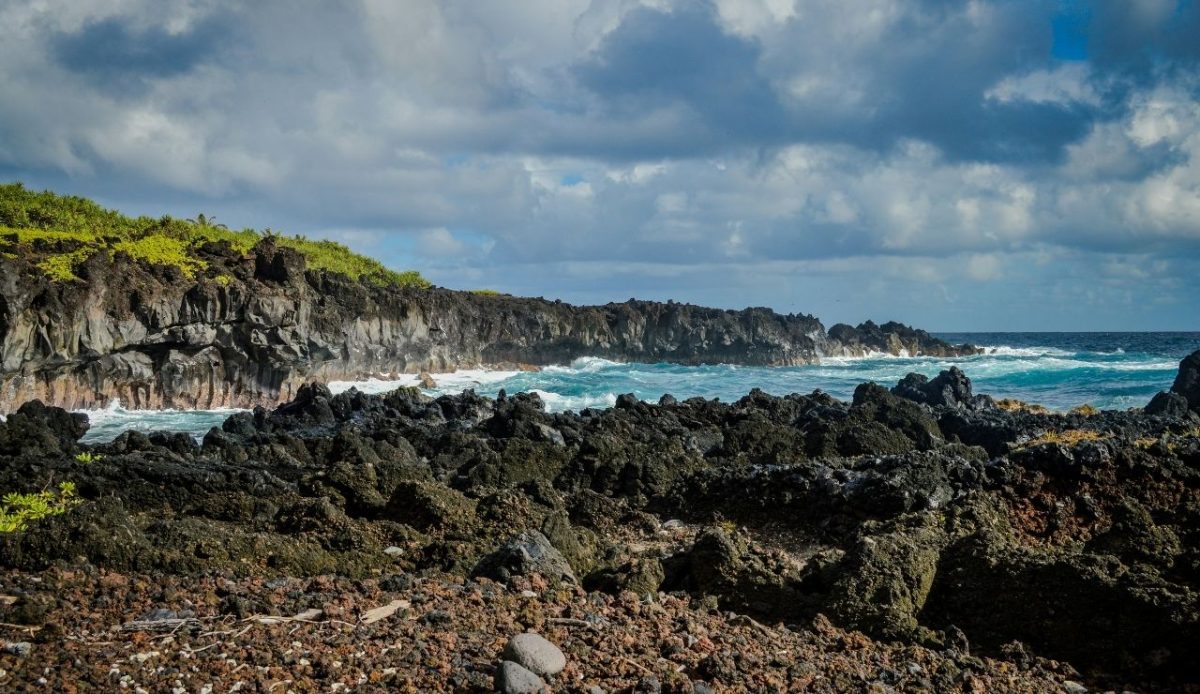
Waiʻanapanapa on Maui has basalt and lava shorelines with sea caves and blowhole-like openings exposed to open ocean swell. Wave sets arrive unevenly, so a calm minute can be followed by a larger surge.
On wet rock, footing fails easily, and surge can knock people into channels or against cave walls. Once inside a cave or pocket beach, backwash and rebound waves can make exits difficult.
Local safety guidance emphasizes obeying ocean warning signs, keeping distance from cliff edges, and avoiding cave entries when the surf is up. Because lifeguards are not stationed there, a brief lapse near the waterline can become fatal very fast. Even experienced swimmers get surprised.
5. Anza Borrego Desert State Park
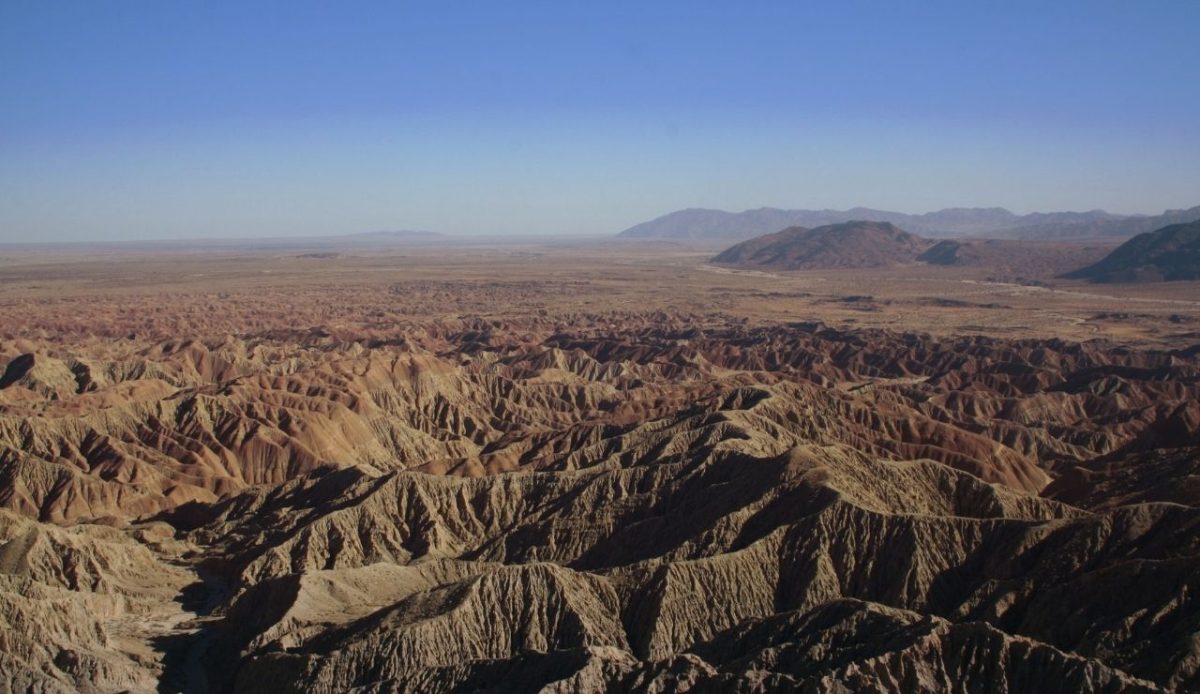
Anza Borrego Desert State Park combines high sun exposure, low humidity, and long distances between water sources. Heat illness can develop quickly on open trails, especially during late morning climbs and return hikes.
Dehydration reduces sweating and raises core temperature, which can trigger confusion, cramps, and collapse. Remote terrain and patchy cell coverage can delay help, so minutes matter once symptoms worsen.
California desert safety guidance stresses carrying more water than planned, starting before sunrise, and turning back early if pace slows. Emergency responses in the region show that a short outing can become life-threatening when temperatures spike or hikers underestimate water needs.
6. Tallulah Gorge State Park
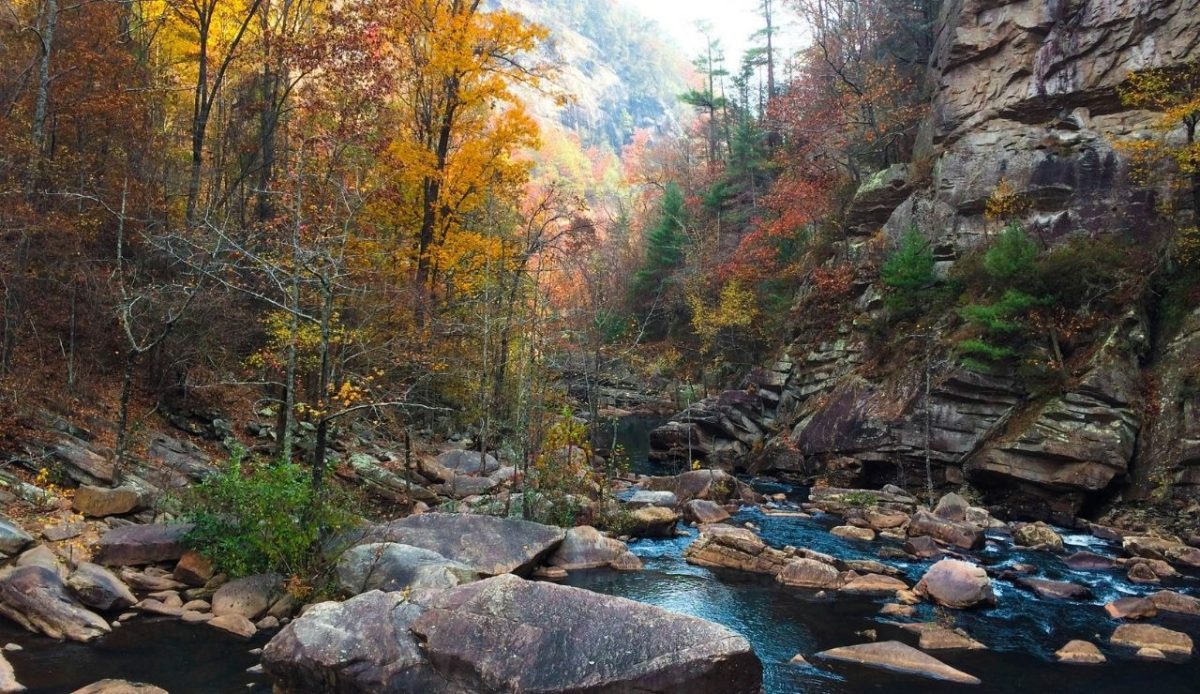
Tallulah Gorge is steep, narrow, and physically demanding because access involves long stair runs and elevation change. The descent feels easy, but the climb out can overload visitors in warm, still air.
Heat stress rises fast when heart rate stays high, and shade is limited. Once dizziness starts on the stairs, stopping points are few, and carrying a patient out is difficult for responders.
Georgia State Parks have added safety measures and heat-related restrictions to reduce medical calls and rescues. Planning for the return climb, watching the heat index, and pacing breaks are essential because the transition from tired to impaired can happen within a single ascent.
7. Hocking Hills State Park
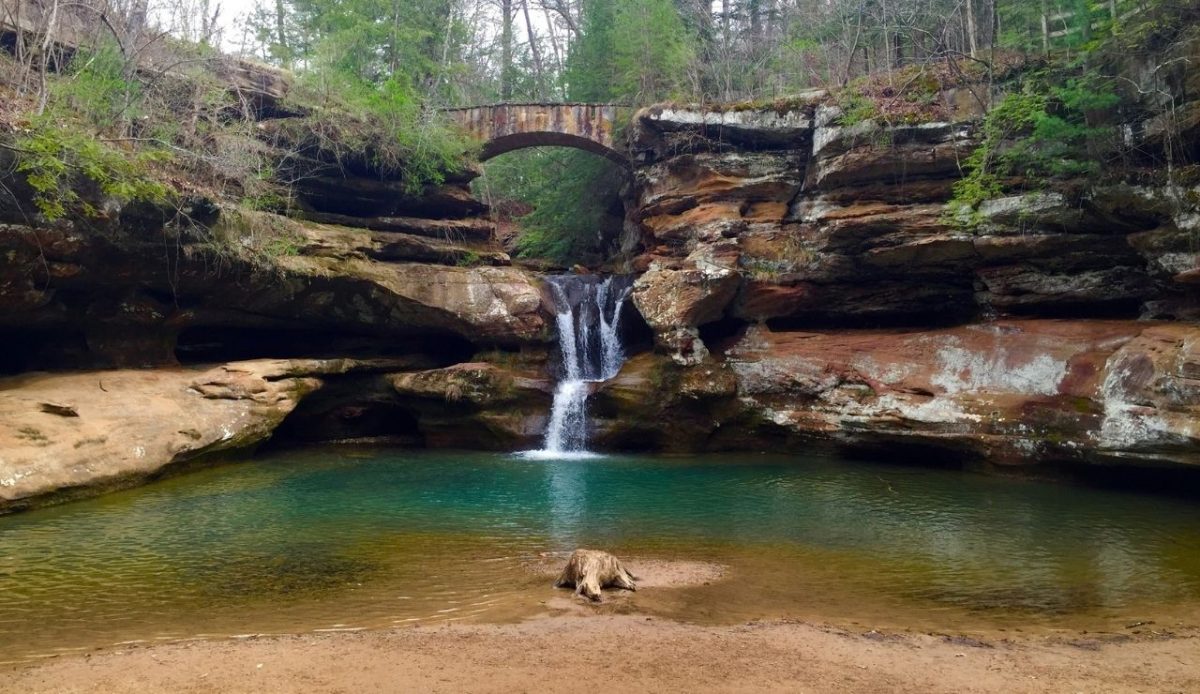
Hocking Hills includes cliffs, narrow ledges, and wet stone near popular trails like those around Conkles Hollow and waterfalls. Rock stays slick from spray, frost, or rain, and traction can change over a few steps.
Falls happen instantly when visitors step beyond railings, move onto informal paths, or lean for photos. Vertical drop and hard surfaces leave little margin, and rescues are complex in wooded ravines.
State warnings and repeated incident reports stress staying on marked trails and respecting closed areas. Good footwear helps, but the main protection is distance from edges because a brief misstep can turn a short stop into a fatal fall.
