
The way people travel today is being redefined by small habits that often go unnoticed. Instead of relying on major trends or dramatic shifts, travelers are making everyday choices that change how trips unfold. They save money with lighter bags, prepare better with offline maps, and create comfort by avoiding rigid schedules. Each habit seems minor on its own, yet together they transform the pace and quality of travel. These quiet changes reflect a preference for independence, balance, and personal experience. Looking at them shows how exploration is slowly becoming more flexible, practical, and meaningful.
1. Packing Lighter With Carry-Ons Only

Travelers are increasingly leaving checked bags behind and moving only with carry-ons. This habit saves money on baggage fees and removes the risk of lost luggage. It also shortens airport time since travelers bypass the check-in counter and baggage claim. Packing lighter encourages smarter choices, focusing on versatile clothing and fewer extras. Carry-ons make it easier to switch between buses, trains, and budget flights without being weighed down. The freedom of moving quickly and traveling light allows for more flexible plans. It is a small shift that gives travelers control and reduces wasted time at airports and stations.
2. Using Local Grocery Stores For Meals

Dining out for every meal is being replaced with shopping at local grocery stores. Travelers are buying fruit, bread, snacks, and prepared meals instead of always visiting restaurants. This lowers costs and also offers a chance to see how locals shop and eat daily. It gives flexibility, allowing travelers to eat whenever they want without waiting for service. Grocery meals balance indulgence with healthy choices, keeping trips sustainable and affordable. The small act of visiting a store changes how people interact with a place. It provides both savings and immersion in daily culture, reshaping how meals fit into travel.
3. Prioritizing Overnight Train Or Bus Travel

Long-distance transport is being redefined by travelers who choose overnight trains or buses instead of flights. These options save money by combining transportation with lodging, while delivering passengers directly into city centers. Arriving in the morning allows more time for sightseeing without losing a day in transit. Modern buses and trains offer improved comfort through reclining seats, sleeper cabins, and charging outlets. Beyond convenience, this habit reflects growing concern for the environment by avoiding short-haul flights. Overnight journeys are no longer viewed as sacrifices, but as practical choices that add both efficiency and depth to the travel experience.
4. Carrying Reusable Bottles And Utensils

More travelers are carrying reusable bottles, straws, and utensils, making sustainability part of their routine. Airports and cities provide refill stations that make it easy to stay hydrated without buying plastic bottles. Small utensil kits fit neatly in travel pouches and are useful during street food stops or long train rides. These habits reduce waste, lower costs, and encourage mindful choices that benefit both travelers and the places they visit. What once felt like extra effort is now a normal part of packing. By taking small steps daily, travelers show that responsible habits can also be practical and rewarding.
5. Downloading Offline Maps Before Arriving
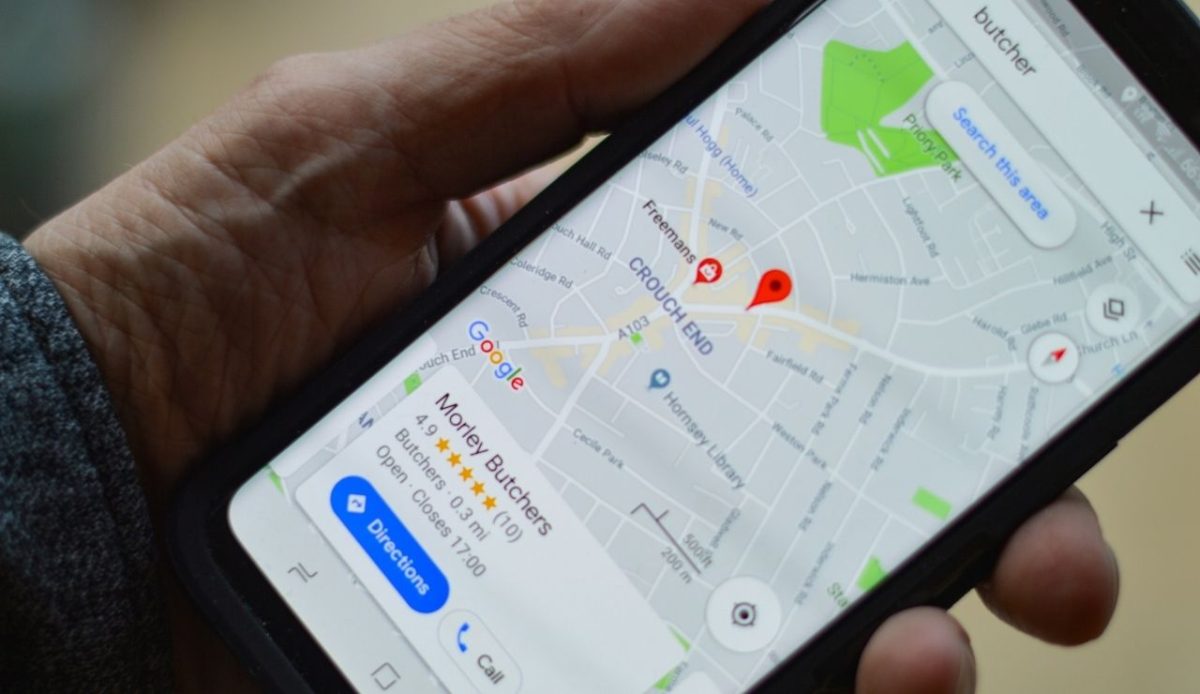
Relying on mobile data is less dependable than it seems, which is why travelers increasingly download offline maps before reaching new destinations. This ensures that navigation works in subways, remote towns, or areas with weak signals. Offline maps also save battery life since they do not constantly pull data. Many apps allow users to highlight restaurants, attractions, or transport stops, turning maps into detailed guides. This habit reduces stress when Wi-Fi is unreliable and language barriers make asking for help harder. Preparing maps in advance is a quiet step that supports independence and smoother exploration on any trip.
6. Sharing Live Location With Family Back Home

Many travelers now share their live location with family members while abroad. This simple act adds a layer of safety without requiring constant phone calls or texts. Apps make it easy to enable temporary sharing so loved ones know where you are in real time. The habit reduces worry at home while also providing quick assistance if something goes wrong. Solo travelers especially value this option, as it gives freedom with added reassurance. Families use it to keep track of children in large cities or crowded events. Sharing live location has quietly become a trusted way to balance independence with security.
7. Using Translation Apps Instead Of Guides

Language barriers no longer force travelers to rely on guides for basic interactions. Translation apps now help with reading menus, asking for directions, or having short conversations. This habit encourages independence and allows direct contact with locals. Apps are not perfect. Their accuracy improves every year, making them increasingly dependable. They save money and time while giving travelers confidence to navigate unfamiliar environments. By handling small exchanges on their own, people discover a more authentic side of travel. Translation apps do not replace deep cultural knowledge, but they empower travelers to move freely in new settings.
