
Long drives feel easier when the car, the plan, and the driver are prepared before the first mile. Small problems like low tire pressure or a dead phone battery can become real hazards on highways. Crash research links many serious incidents to avoidable factors such as fatigue, poor visibility, and maintenance gaps. This guide focuses on practical steps that can be done at home, then checked again at departure. When basics are handled early, attention can stay on traffic, weather, and safe spacing. Build time into the schedule so speeding is not used to catch up. Passengers can handle navigation and snack checks, which lowers distraction.
1. Check Tires, Including The Spare

Check tires before anything else, because heat and speed magnify small defects. Pressure should match the door jamb label when tires are cold, and tread should be measured across the width. A spare tire must be inflated, and the jack and lug wrench should be confirmed as present. If uneven wear is seen, an alignment or rotation can be scheduled. Proper tires shorten stopping distance and reduce blowout risk during long highway stretches. Look for sidewall cracks, nails, or bulges, and verify valve caps are installed. If wheels were recently serviced, lug nuts should be tightened to spec after a short drive.
2. Test Brakes, Lights, And Wipers

A long trip puts constant demand on brakes, lights, and wipers, so these should be checked in daylight. Brake pads that squeal, vibrate, or feel soft can signal wear or fluid issues that should be repaired before travel. Headlights, brake lights, and turn signals must be verified using a wall reflection or a helper. Fresh washer fluid and clean blades improve visibility in dust, rain, or bug-heavy areas. Test the horn, hazard flashers, and defroster. Dim bulbs or cloudy lenses should be replaced before leaving. Check the brake fluid to the max line and watch for warning lights on startup. Pack a spare set of blades if the route is for heavy rain.
3. Get Maintenance And Fluids Up To Date
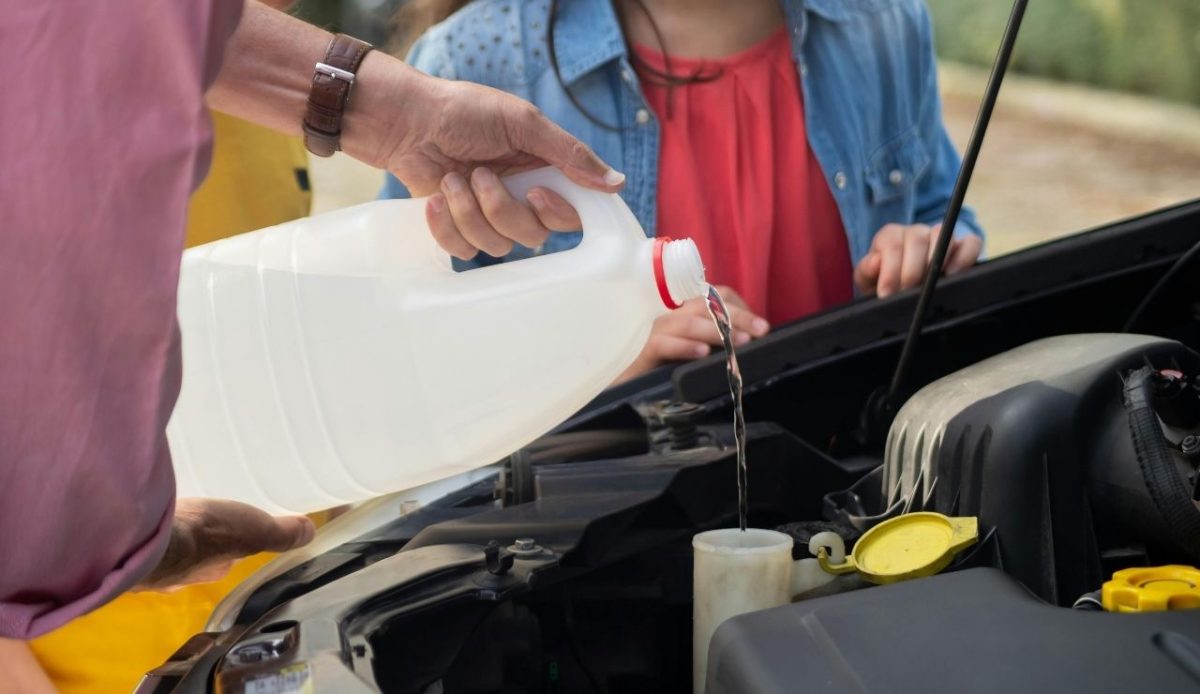
Before leaving town, routine maintenance should be current so the engine is not stressed under sustained load. Oil level and coolant should be checked cold, and any drips under the car should be fixed. If the service interval is close, an oil change can be done early to avoid hunting for a shop on the route. Air filter condition, belts, and battery terminals deserve a look, since failures can appear without warning. Use the owner’s manual for correct fluid types, and handle open recalls before departure. A small pack of spare fuses and a basic OBD reader can help identify simple faults if a light comes on.
4. Plan A Route With Safe Time Buffers
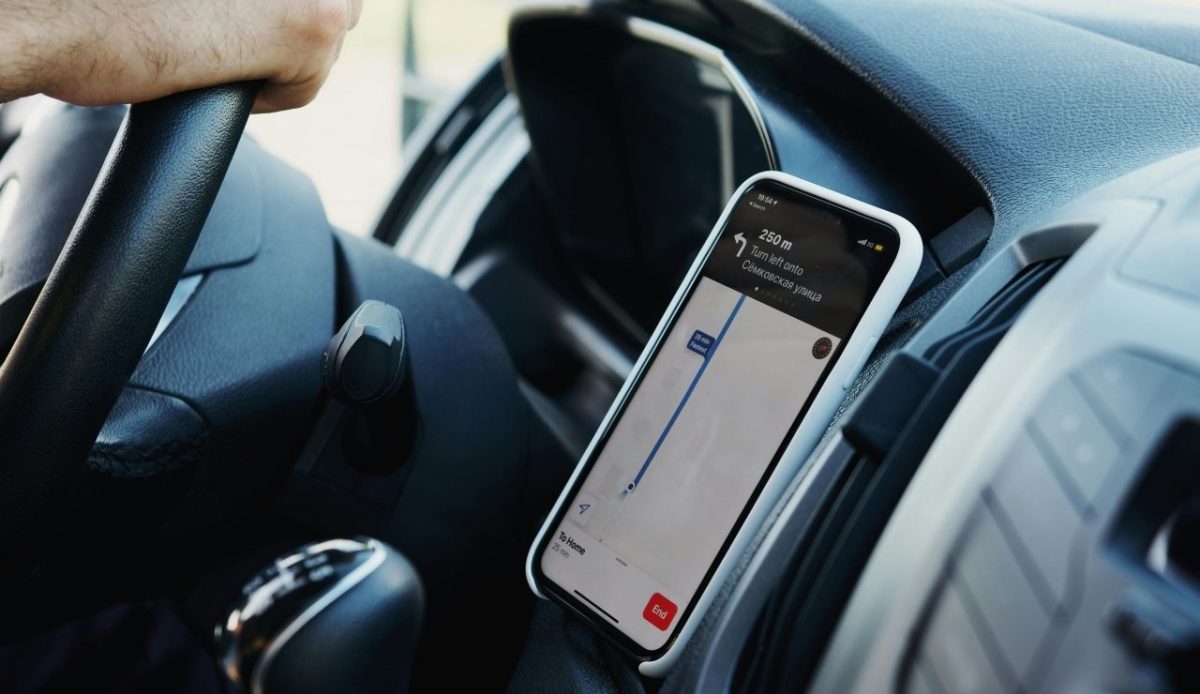
Route planning should focus on safety margins, not only the fastest arrival time. Stops for fuel, food, and stretching should be mapped at regular intervals so fatigue does not build quietly. Construction zones and seasonal closures can be checked through state DOT updates, and a backup path should be saved offline. Arrival should be scheduled before late night whenever possible, because visibility and alertness drop after dark. A realistic plan reduces rushed lane changes and sudden exits. If weather is expected, adjust the departure window to avoid the worst hours. Note hospitals and rest areas on rural segments, so help is near if it is needed.
5. Pack A Realistic Emergency Kit

An emergency kit should be built for common problems that leave drivers on the shoulder. Include reflective triangles, a flashlight, a first aid kit, and a charged power bank. Jumper cables, a tire inflator, and a pressure gauge cover many calls for roadside help. Water, simple snacks, and medications should be packed in a small bag that can be reached without unloading luggage. Keep insurance and registration copies handy, plus key numbers written on paper in case the phone fails. Add work gloves and a rain poncho so checks can be done safely outside the car. If children ride along, pack a spare set of clothes for spills or weather changes.
6. Set Seating, Mirrors, And Cargo Balance

Comfort affects safety because pain and awkward posture pull attention away from the road. Before departure, adjust the seat so the hips are level, the back is supported, and the pedals can be pressed without locking the knees. Mirrors should be set to limit blind spots, and head restraints should align with the back of the head. Cargo should be placed low and evenly, with heavy items secured so they cannot shift during braking. After loading, confirm rear visibility and that the lights are not blocked. Roof boxes can increase sway at speed. If packed heavily, check tire pressure per the manual. A quick stretch every two hours helps.
7. Protect Against Fatigue Before It Starts

Fatigue prevention should be treated as a core safety task, since drowsy driving can mimic impairment. A full night of sleep is needed before departure, and driving shifts should be shared when possible. Plan breaks about every two hours, and stop sooner if yawning, drifting, or missed signs appear. Caffeine may help briefly, but it should not replace rest, and heavy meals can increase sleepiness. Avoid overnight stretches that run through early morning hours when alertness is often reduced for many drivers. If tiredness is felt, a nap in a safe location is safer than pushing on. Keep water within reach and step outside at stops to wake up.
