
Some of America’s most breathtaking national parks are so remote that reaching them requires a boat or plane. These hidden gems reward adventurous travelers with untouched landscapes, abundant wildlife, and solitude impossible to find in more accessible parks.
From tropical coral reefs in Florida to Arctic tundra in Alaska, each park offers a distinct ecosystem and unforgettable experiences. Access limitations preserve these lands’ natural beauty, making visits feel like true expeditions.
For travelers willing to plan carefully, these remote destinations offer a rare opportunity to witness America’s diverse landscapes in their purest form, far from the crowds and familiar trails of conventional parks.
1. Dry Tortugas National Park
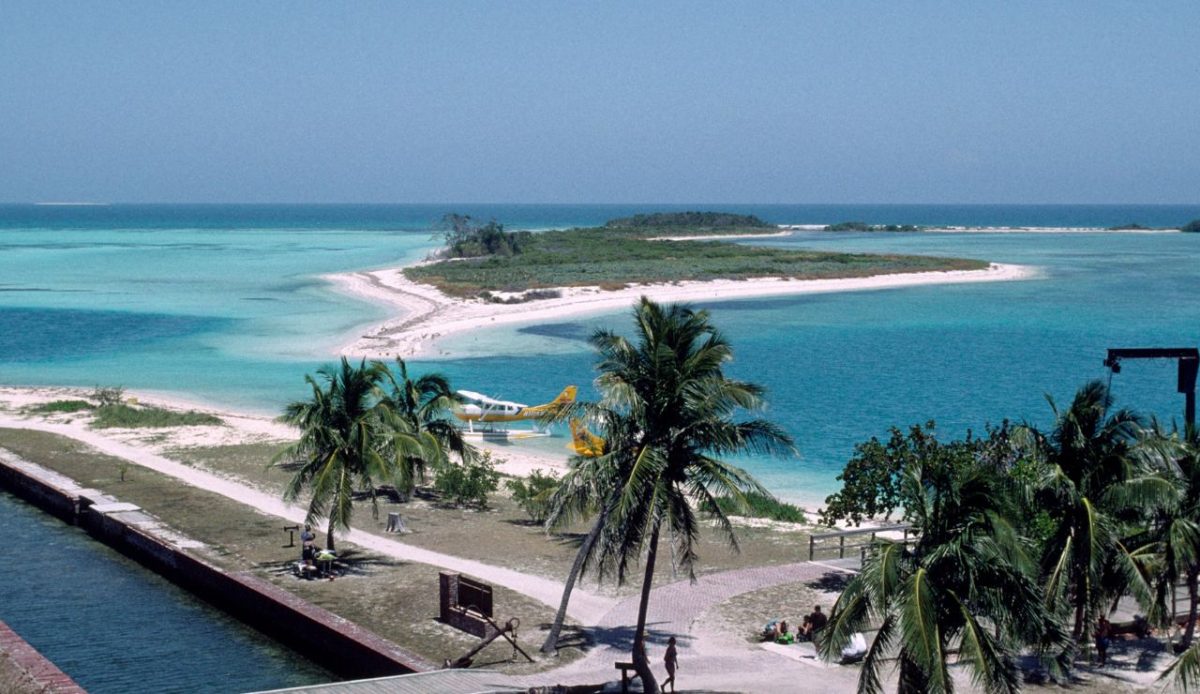
Located 70 miles west of Key West, Dry Tortugas National Park is a tropical paradise in the Gulf of Mexico, accessible only by ferry, seaplane, or private boat. Visitors encounter historic Fort Jefferson, turquoise waters, and vibrant coral reefs.
The park is a haven for sea turtles, tropical fish, and seabirds, with snorkeling offering glimpses of marine life. Remote location ensures a peaceful environment away from crowded tourist areas.
Its blend of history, marine beauty, and isolation makes Dry Tortugas an unforgettable adventure, rewarding visitors with experiences few other parks in the U.S. can match.
2. Isle Royale National Park
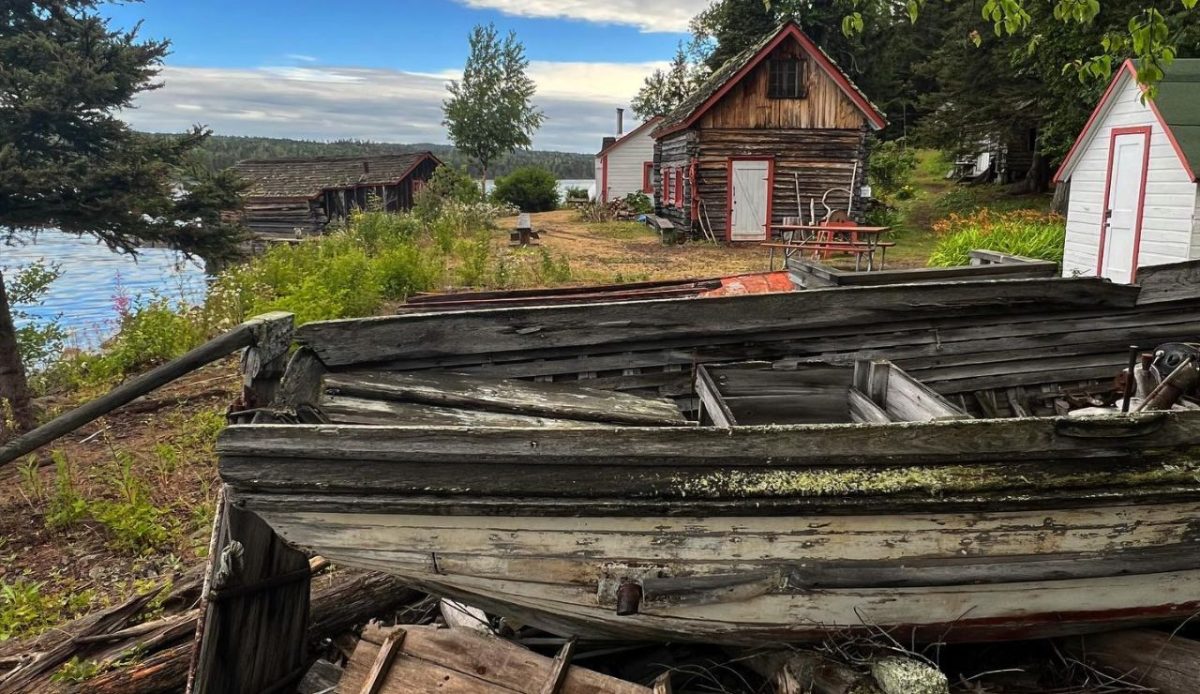
Isle Royale sits in Lake Superior, reachable only by ferry or seaplane. Its vast forests, rugged shorelines, and freshwater wilderness are home to moose, wolves, and rare bird species, creating a serene escape for nature lovers.
The park closes during winter, allowing ecosystems to flourish undisturbed. Backpacking, kayaking, and canoeing are popular ways to explore its remote trails and inland lakes. Visitors often marvel at the quiet solitude and untouched wilderness, a rare gift in the modern world.
Generations of adventurers have embraced Isle Royale’s isolation, discovering wildlife, hiking, and camping in a setting where human presence is minimal and nature reigns supreme, providing unmatched tranquility for all who venture here.
3. Gates of the Arctic National Park & Preserve
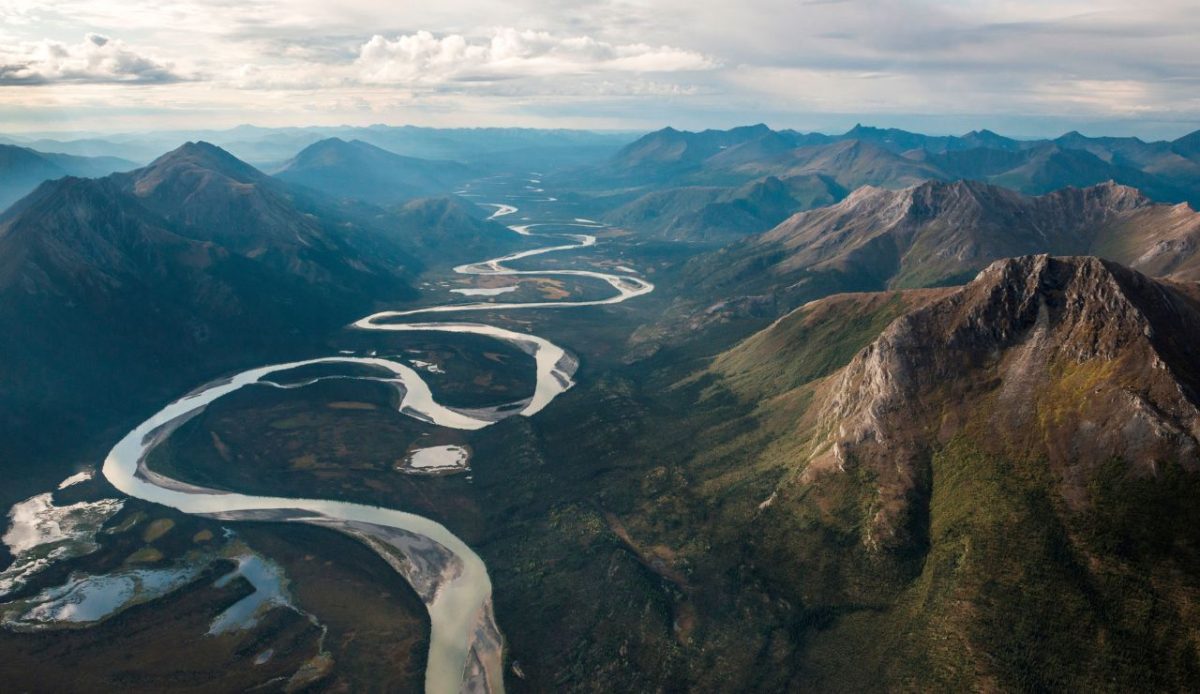
Gates of the Arctic, Alaska’s northernmost park, has no roads, trails, or facilities. Visitors must arrive by air taxi from Fairbanks or Bettles, entering a world of tundra, mountains, and unbroken wilderness.
Home to caribou, wolves, and grizzly bears, the park offers true solitude and adventure for those prepared for extreme conditions. Hiking, fly-fishing, and mountaineering require skill and careful planning, with weather and terrain demanding constant attention.
Its remoteness makes it one of the least visited U.S. parks, providing an unfiltered glimpse of Alaska’s Arctic beauty, testing the limits of even experienced wilderness travelers, and offering an unforgettable encounter with nature’s rawest form.
4. Kobuk Valley National Park
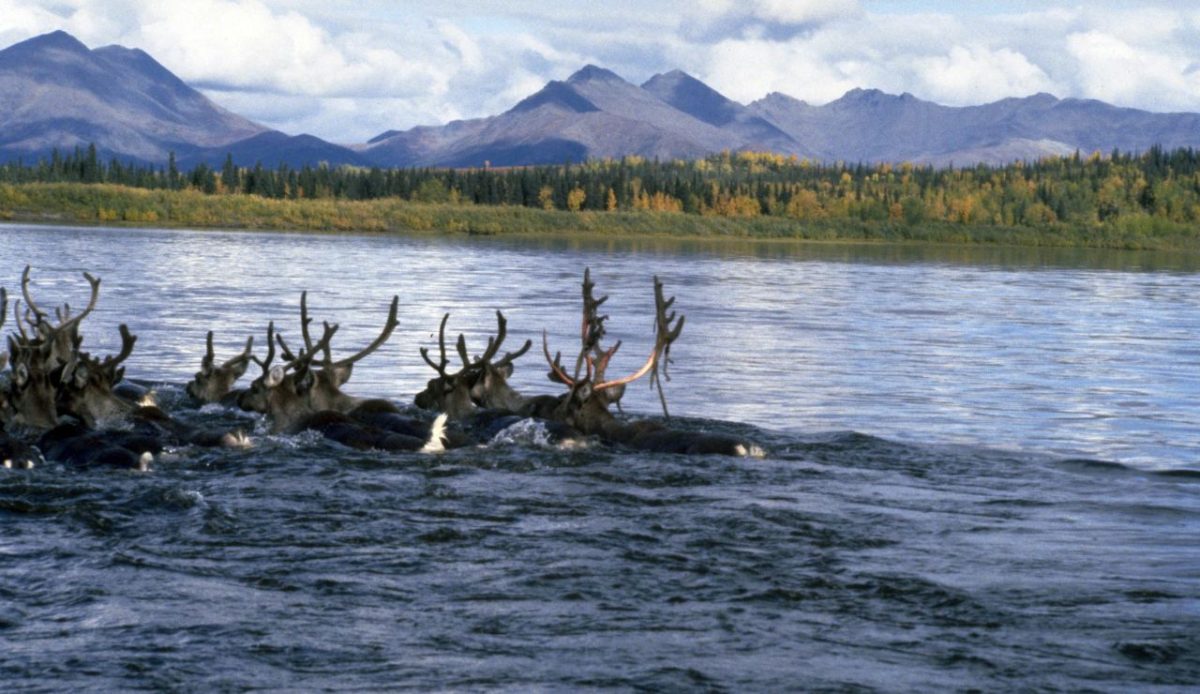
Kobuk Valley is renowned for the Great Kobuk Sand Dunes and vast Arctic tundra. Without road access, it is reachable only via air taxi, making it a rare destination for intrepid explorers seeking solitude.
The dunes contrast strikingly with the surrounding spruce forests, while caribou migrations provide a dynamic natural spectacle. Camping under the northern sky, especially during the aurora borealis, adds another layer of wonder to this unique wilderness experience.
Kobuk Valley offers a unique combination of desert-like landscapes, Arctic wildlife, and pristine wilderness, giving visitors a rare glimpse of one of America’s hidden natural treasures where adventure and isolation are inseparable.
5. Katmai National Park & Preserve
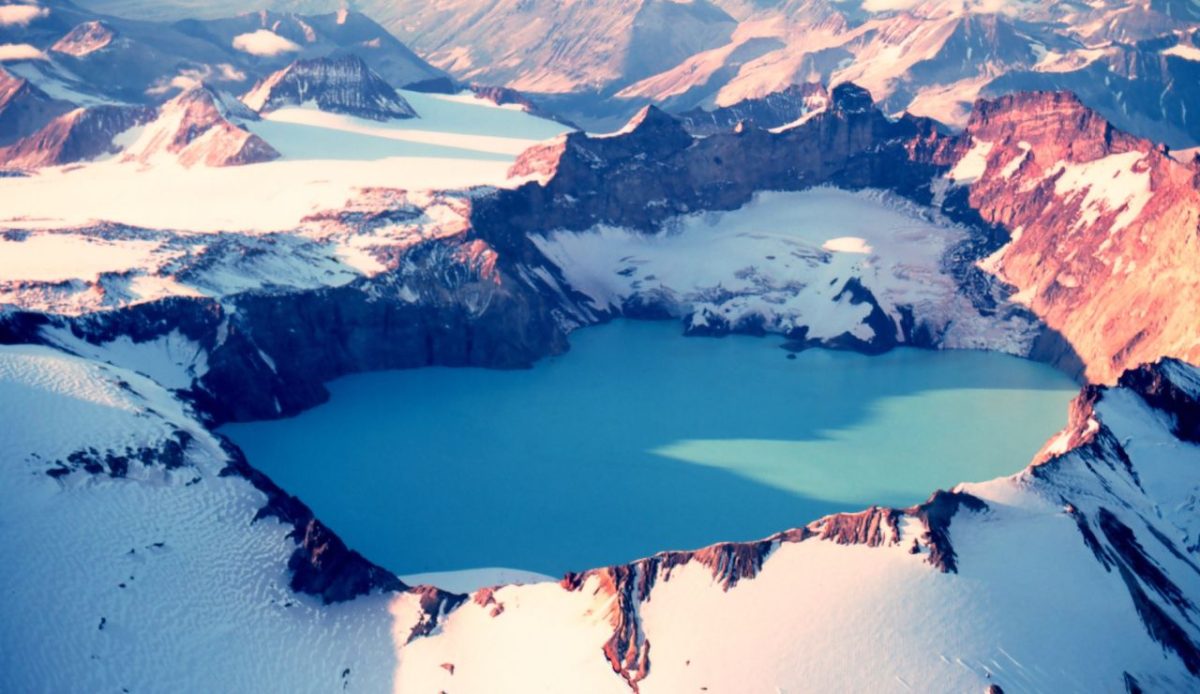
Katmai, Alaska, is famous for its large brown bear populations, especially at Brooks Camp, where visitors can observe bears fishing for salmon. Access is by boat or floatplane, preserving its remote character and pristine wilderness.
The park’s volcanic landscapes, geysers, and rivers create dramatic scenery. Visitors often combine bear-watching with hiking and photography, enjoying experiences not available in more accessible parks, and witnessing nature’s raw power firsthand.
Katmai provides a rare encounter with wildlife and volcanic terrain in a setting that feels completely untouched, appealing to adventurers seeking both thrill and tranquility, and creating memories that last a lifetime.
6. Lake Clark National Park & Preserve
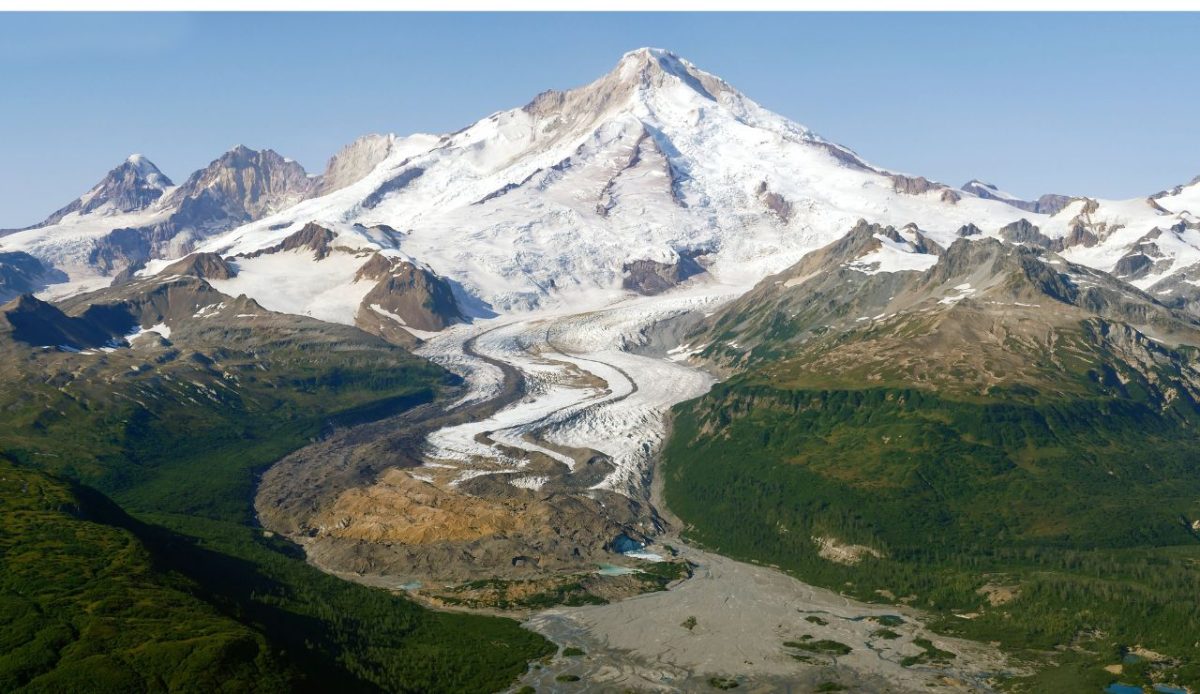
Lake Clark encompasses 4 million acres of glaciers, volcanoes, and salmon-filled rivers. Its remote nature requires small aircraft access, ensuring minimal human impact and pristine landscapes that few ever see.
Fishing, kayaking, and glacier trekking are popular activities, with opportunities to observe brown bears, moose, and eagles in their natural habitat. The park’s dramatic topography and glacial rivers offer adventurers challenges alongside awe-inspiring vistas.
Lake Clark’s isolation and diversity make it an unparalleled destination for travelers seeking wilderness adventures, rare wildlife encounters, and true solitude, where every experience feels untouched and utterly extraordinary.
7. Channel Islands National Park
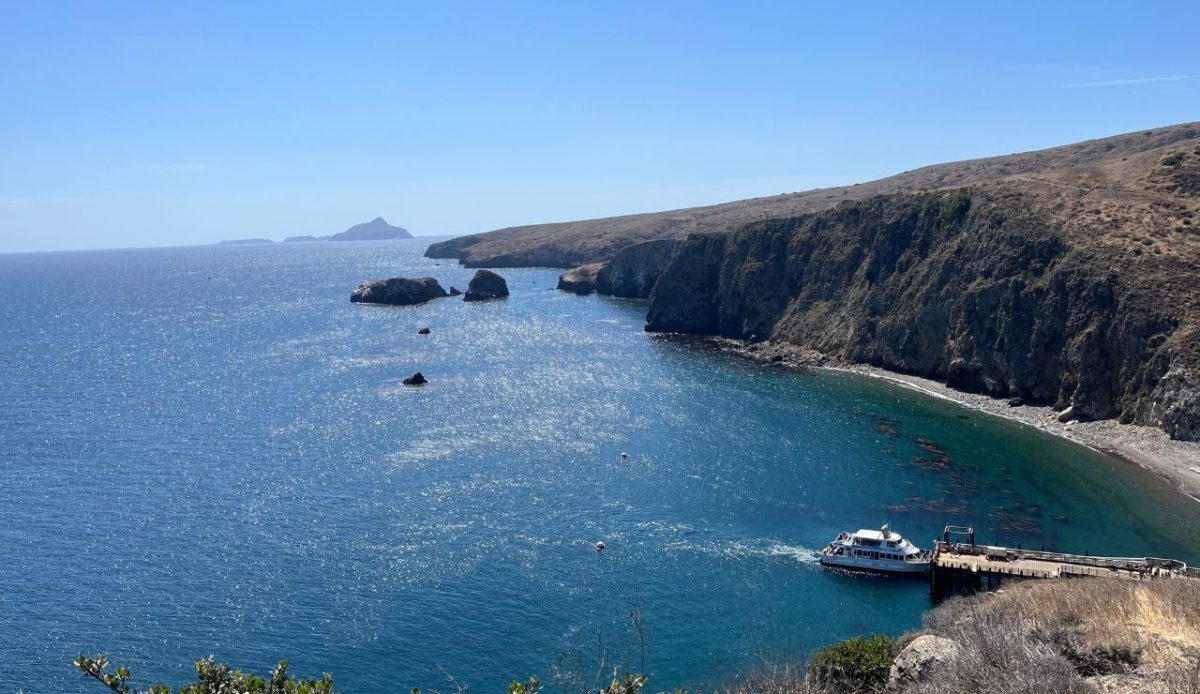
Channel Islands, off the coast of Southern California, consist of five islands reachable only via park-certified boats or authorized plane charters. Their isolation has preserved endemic species, unique ecosystems, and fragile habitats that are rare anywhere else.
Visitors enjoy kayaking, snorkeling, hiking, and observing seals, sea lions, and rare birds in undisturbed habitats. Each island offers a distinct landscape, from rugged cliffs to hidden coves, perfect for exploration and wildlife photography.
The park combines marine and terrestrial adventure, making it a rare and rewarding destination for travelers seeking both water-based exploration and untouched island wilderness, offering experiences that feel truly remote and timeless.
