
Premium economy is where long flights feel manageable without the price shock of business class. Some airlines now treat this cabin as a real product with wider seats, stronger leg support, and service that stays attentive after the first meal. For 2026, the picks below focus on aircraft and seat lines that deliver measurable space, smarter recline, and fewer annoyances such as knees pressed into tray tables. Fleet swaps still occur, so the aircraft code on your booking matters. A good seat should support sleep, keep storage within reach, and reduce the feeling of being boxed in for hours a bit.
1. Emirates Premium Economy on the Airbus A380
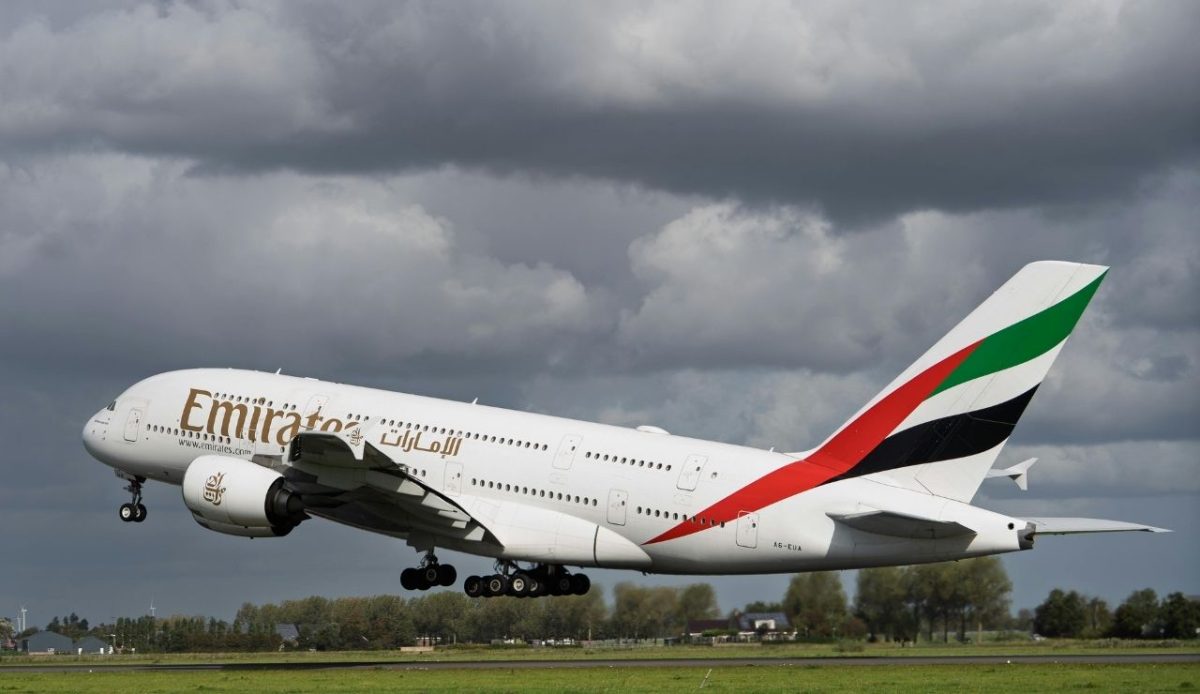
Emirates on the A380 sells premium economy as a true middle cabin rather than an economy add-on. The seat is wider than standard coach and includes a supportive leg rest and a separate foot bar, which helps when you want to stay semi-reclined for hours. Large side tables, a sturdy tray, and easy access to power keep devices usable without balancing them on your lap. The quiet upper deck feel and broad aisles reduce the bustle around you. Service is usually paced steadily, so meals arrive without long gaps, and hydration rounds are not skipped. If you value space for shoulders and elbows, this cabin can feel like money well spent.
2. EVA Air Premium Economy on the Boeing 787-9
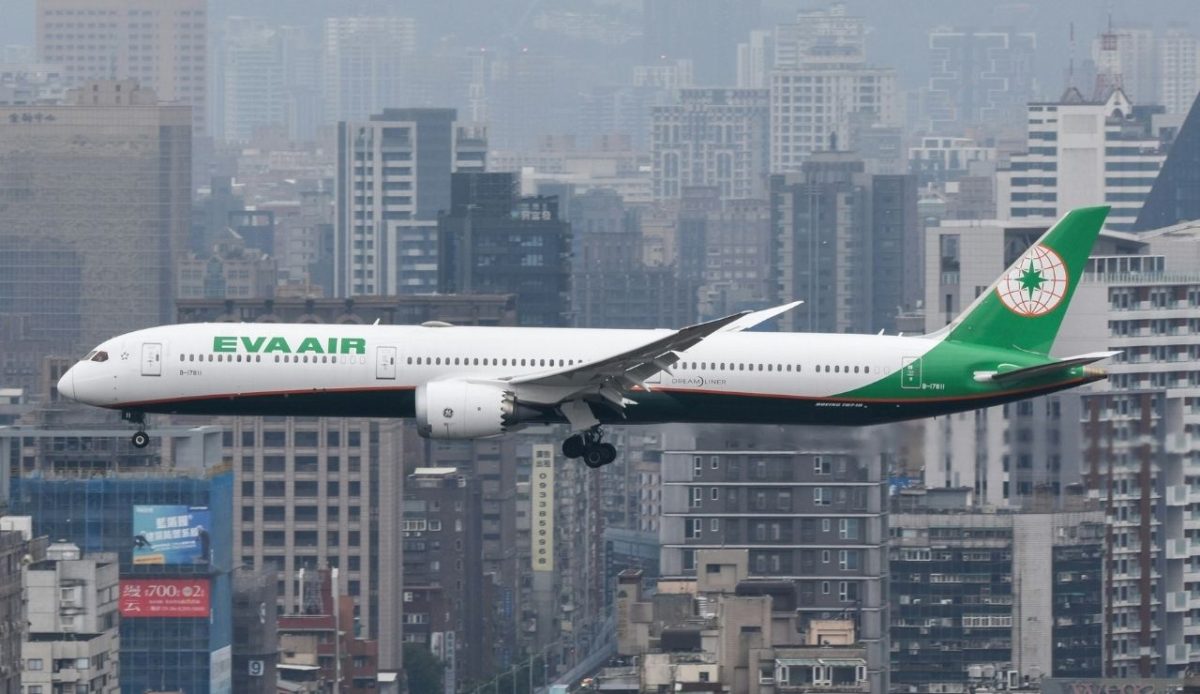
EVA Air’s Boeing 787 premium economy is built around a cradle motion that preserves the space behind you. Instead of sliding far back, the seat shifts in a way that keeps your screen view and knee room stable when the person ahead reclines. The 2 3 2 layout avoids the tight feel of nine-abreast economy cabins, so the aisle experience is calmer. A generous pitch helps taller travelers, and the padding stays firm enough to avoid bottoming out mid-flight. Foot support and a broad armrest make sleep positions easier to hold. Small storage areas reduce the need to open the overhead bin repeatedly, and the cabin stays orderly during meal service.
3. Air New Zealand Premium Economy on the Boeing 787
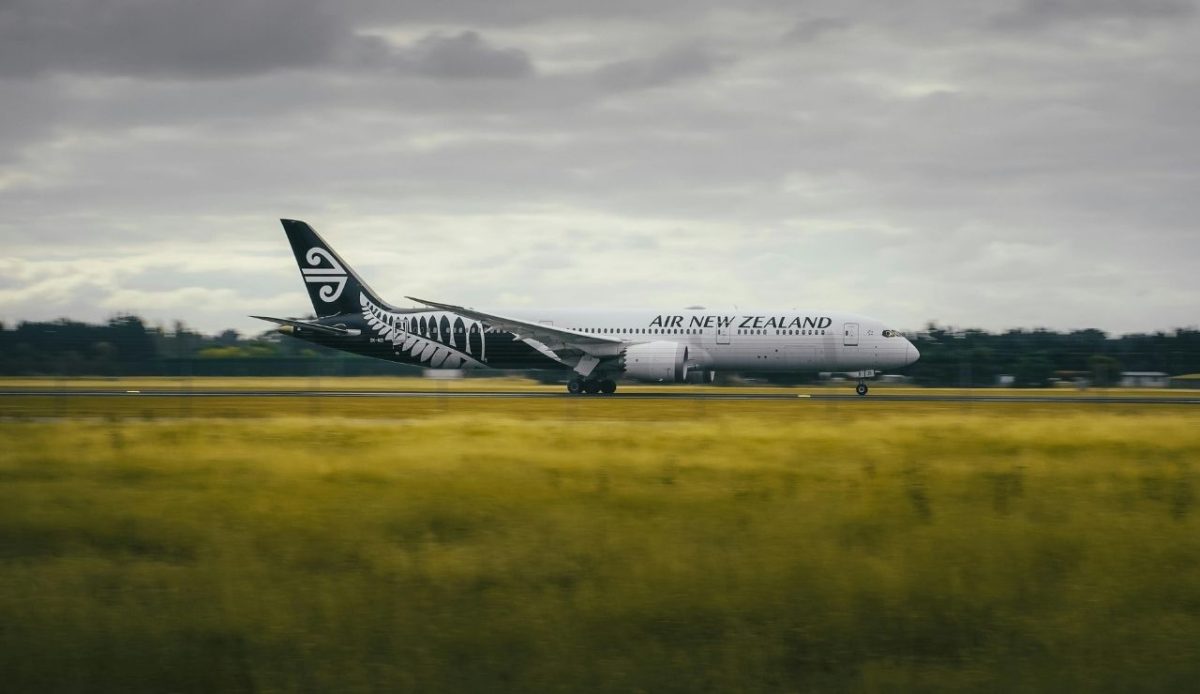
Air New Zealand’s Dreamliner premium economy suits travelers who want space without a complicated seat. The shell-style recline limits how much the seat back intrudes on the row behind, so laptop work and dining stay workable when others relax. Pitch is generous, and the seat pan supports thighs better than many economy frames. Storage is practical, with room for a bottle, headphones, and small items that are often lost at your feet. Cabin crews keep service moving, and the meal includes real choices instead of one default plate. On long Pacific sectors, the calmer cabin noise of the 787 can make rest easier.
4. Japan Airlines Premium Economy on Long Haul Aircraft
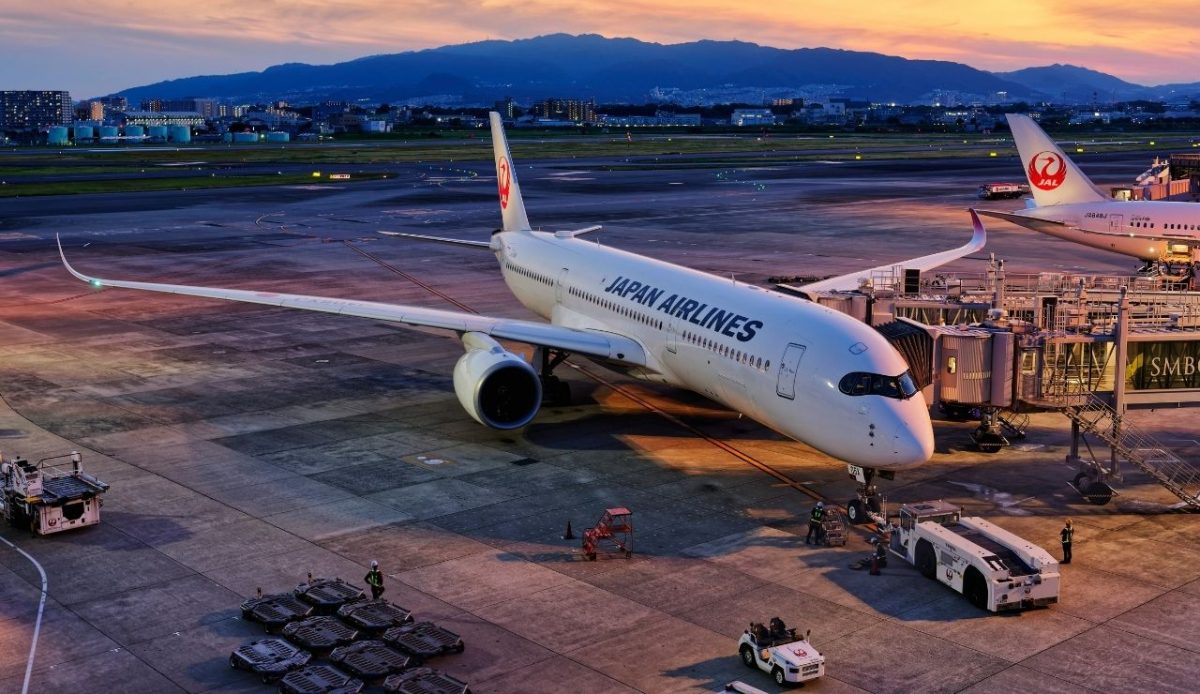
Japan Airlines premium economy pays off when you book the right long-haul aircraft and avoid surprise swaps. Legroom is strong for the class, and the seat width gives shoulders more room, which matters when heavier layers are worn onboard. Recline is smooth and does not crush the space in front of you, so the screen stays at a comfortable distance. Small details help, such as better headphones, steady drink rounds, and less crowding because the cabin is smaller than the economy. Lighting stays restrained, and service is polished without being fussy. For travelers who want quiet order on transpacific flights, this is a dependable upgrade.
5. Cathay Pacific Premium Economy on Refitted Aircraft
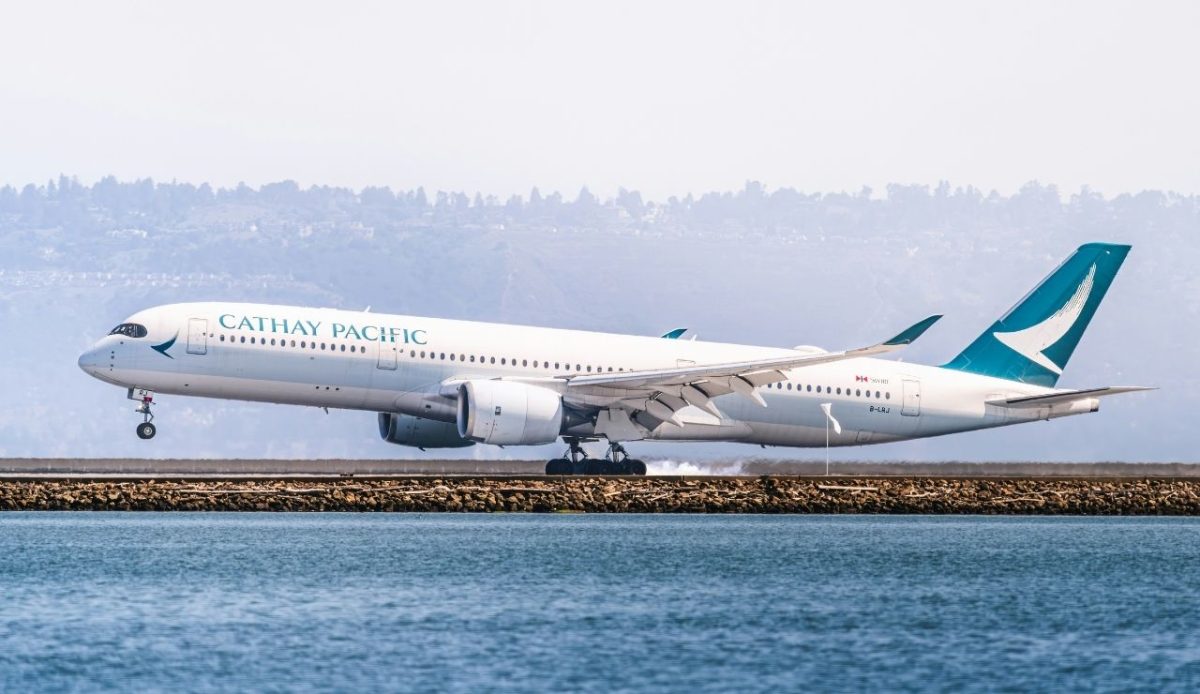
Cathay Pacific’s premium economy can feel like the sweet spot when your flight uses an aircraft fitted with the newer seat. The cabin gives you extra pitch and a wider cushion, plus more defined armrest space, so neighbors do not bump elbows all night. A larger screen and a sturdier table make it easier to eat and work without wobbles. Storage has been improved with spots that hold small tech and water, which reduces the scramble during takeoff and landing. Meal service is closer to business style than coach, and the overall cabin tone stays calm. It is a strong pick for Asia-bound routes where upgrade pricing is often reasonable.
6. Lufthansa Allegris Premium Economy
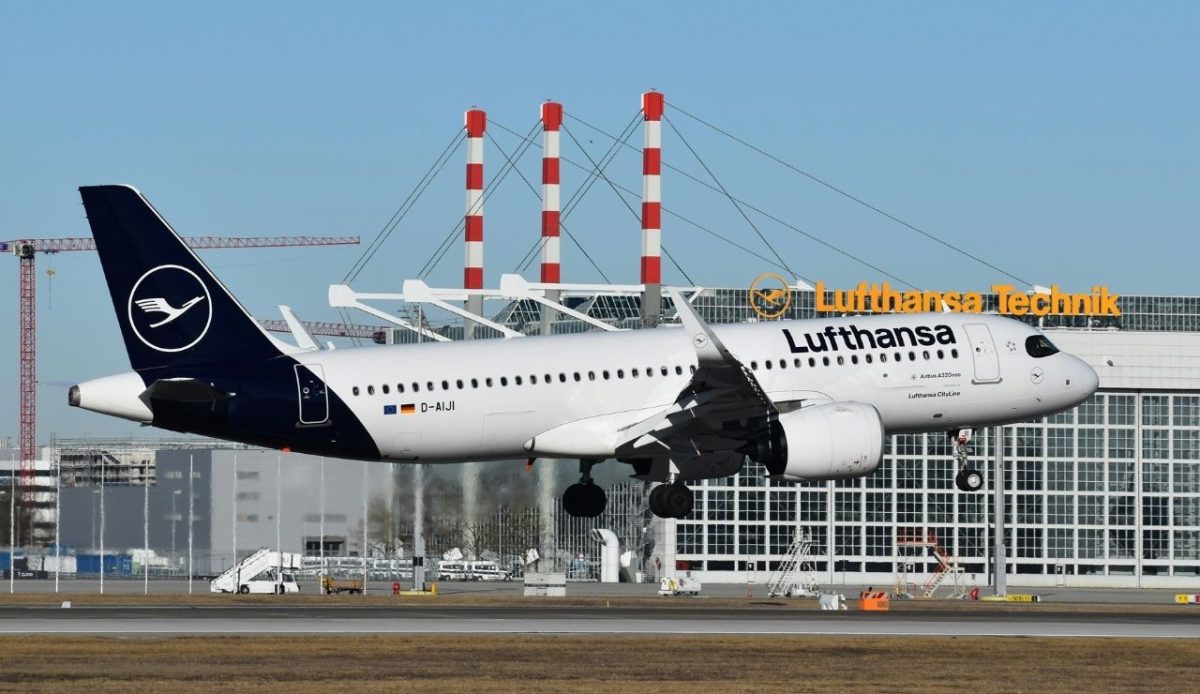
Lufthansa’s Allegris premium economy is worth targeting because the seat was redesigned rather than lightly refreshed. It includes a firm leg rest, improved head support, and a shell-style structure that reduces how much you recline behind you. Adjustments are more gradual, so posture can be tuned instead of choosing only upright or fully back. The section is smaller, which can mean steadier attention and less aisle congestion during meal times. Cabin finishes feel newer, and storage placement keeps essentials close. The key is verification, since only certain aircraft fly with Allegris on a given day.
7. Qantas Premium Economy on the Boeing 787
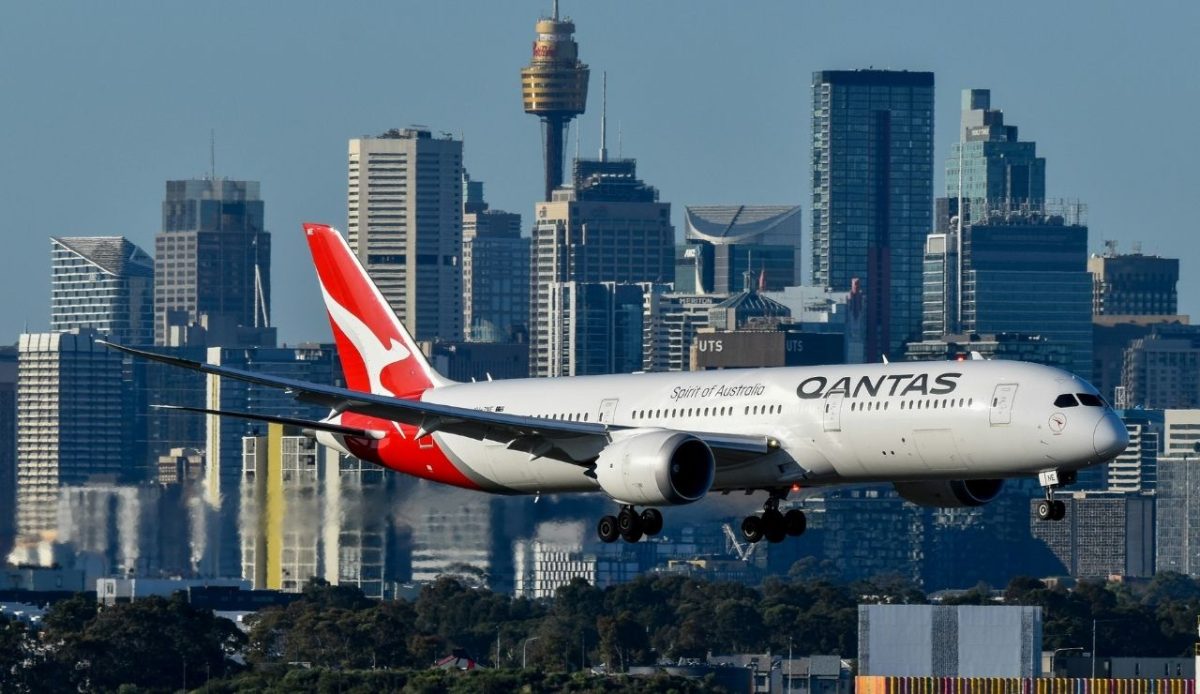
Qantas premium economy on the 787 works well for travelers who want a consistent layout and solid sleep support. The 232 cabin reduces the feeling of crowding, and the seat includes leg and foot support that helps circulation on very long segments. Recline is generous for the category, yet the shell keeps your space usable for reading and meals. Power and a stable table help when work must be done mid-flight, and the screen feels modern. Because Qantas often runs ultra-long schedules, the service rhythm is built for endurance, with snacks and drinks offered beyond the main trays. This product makes long Pacific flights feel less punishing.
