
A full social breakdown would turn everyday needs into local problems, with water, calories, shelter, and trust outweighing money or apps. Across South Asia, some regions already run on seasonal storage, small farms, and tight travel corridors, so outside shocks do less damage. The places below are chosen for documented food production, dependable water sources, and terrain that can limit sudden crowding. Each option also has limits, including weather risk and thin medical care, so choices depend on skills, kin ties, and the ability to cooperate under stress. The goal is practical continuity, not comfort.
1. Upper Hunza, Gilgit Baltistan, Pakistan
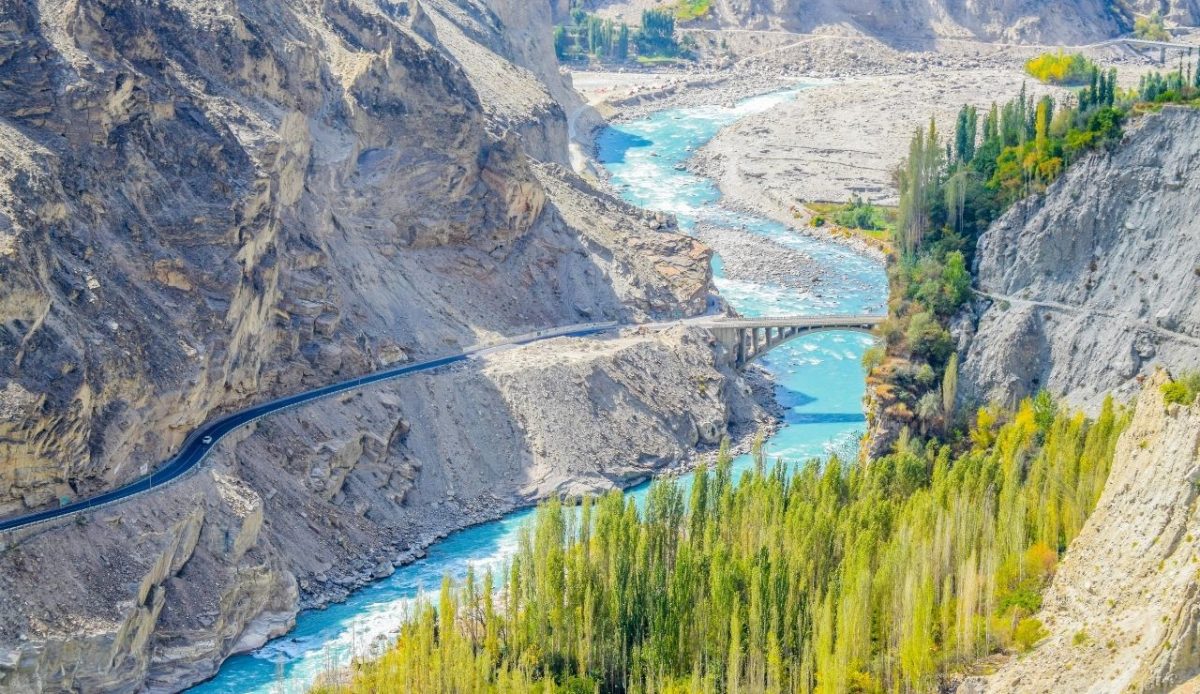
Upper Hunza in Gilgit Baltistan is built around meltwater channels that carry glacier and snow runoff to terraced plots. Villages near Passu and Gulkin grow wheat, potatoes, and apricots while households dry fruit and store grain for winter roads. Goats and yaks add milk and meat, and steep slopes limit large-scale raiding. A narrow valley and few crossings make movement easier to monitor if migration surges from lowland cities. Because irrigation work is shared and repaired by locals, food and water can stay organized even when fuel deliveries and state services disappear. Quiet winters also reduce demand.
2. Bumthang Valley, Bhutan
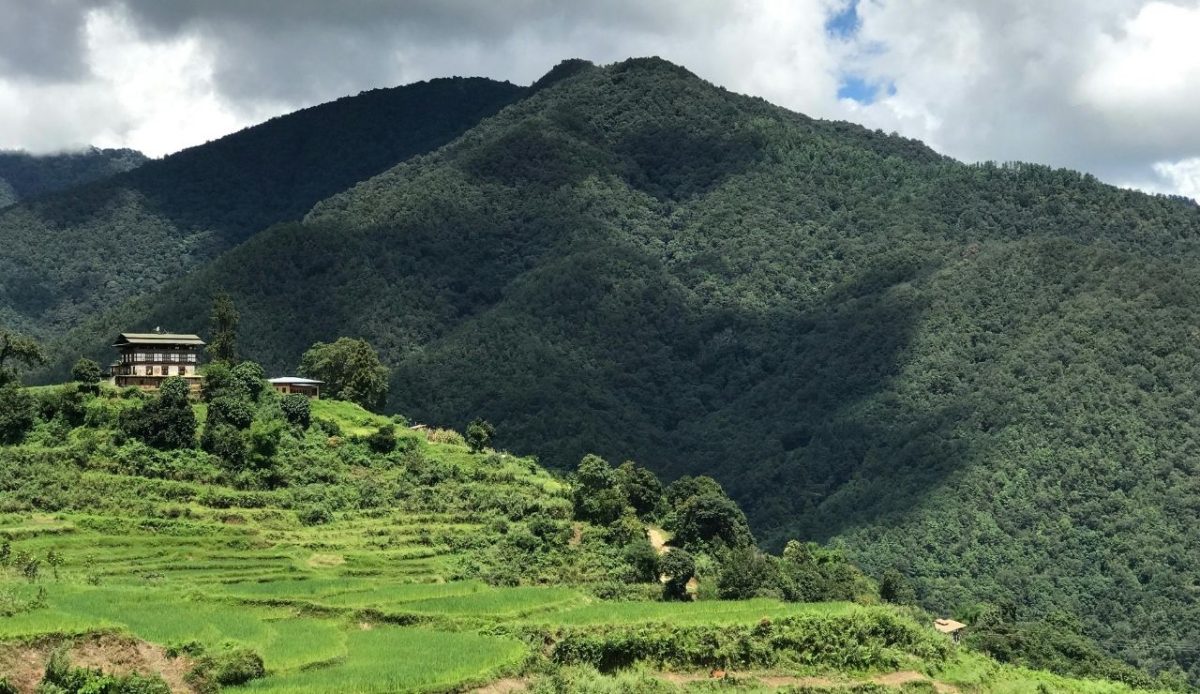
Bhutan’s Bumthang Valley has a long farming calendar shaped by cold months, which forces planning instead of daily shopping. Barley, buckwheat, potatoes, and dairy remain core foods, and kitchens are set up for drying, smoking, and cellar storage. Seed saving and manure-based fertility keep fields productive without constant external inputs. Low population density reduces competition for firewood and grazing, while temples and village groups coordinate labor and dispute resolution. If national logistics stall, a community that already expects seasonal limits can keep meals predictable and workloads shared.
3. Sikkim, India
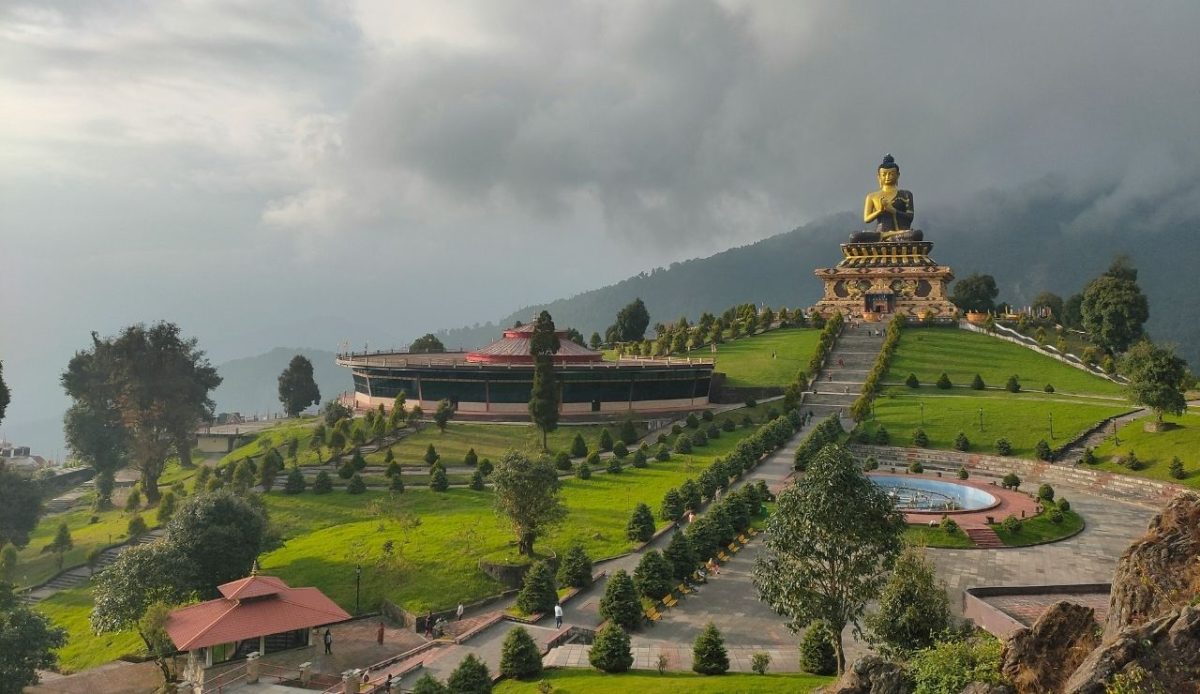
Sikkim’s steep terrain supports terraced farming across elevation bands, letting nearby villages produce different crops in the same season. Rice and maize grow in warmer valleys, while millet, vegetables, and cardamom appear higher up, spreading risk across microclimates. Roads are limited and can be controlled at a few points, which matters when shortages push people to move. Local markets and cooperatives can shift toward barter and rationing, giving households a way to trade staples, fuel wood, and repairs without formal banking. Springs and monsoon rain supply water, though landslides must be managed.
4. Mustang Region, Nepal
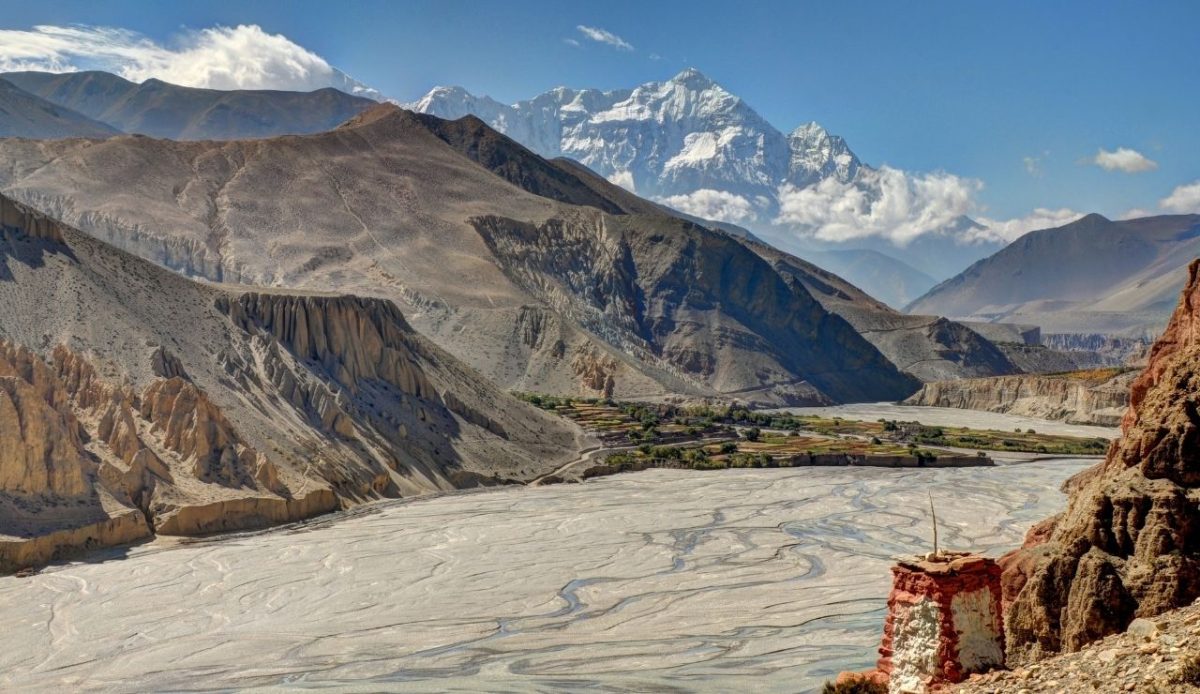
Mustang lies in a dry Himalayan rain shadow where farming is tuned to short summers and scarce trees. Families rely on barley, buckwheat, potatoes, and herds, with irrigation drawn from glacial streams and carefully shared canals. Because settlements are small and spaced out, demand stays lower than in crowded hill towns. Entry routes follow the Kali Gandaki corridor, so access can be maintained, and supplies can be pooled across villages. In a breakdown, low density, stored staples, and controlled passages can support steady routines. Wind and sun help dry food for months. Winter travel is already limited.
5. Khasi Hills, Meghalaya, India
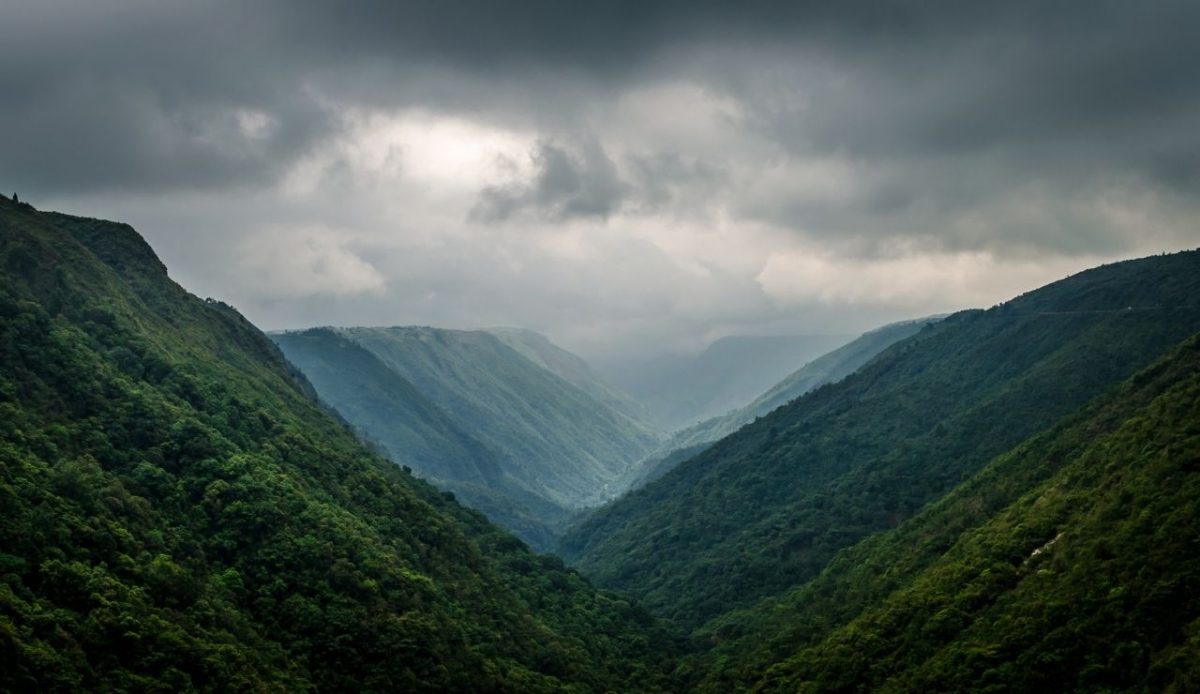
The Khasi Hills in Meghalaya receive extreme rainfall, which makes water scarcity far less likely than in drier parts of the region. Springs, streams, and rain-fed fields support rice, root crops, and kitchen gardens even if pumps and piped systems fail. Forested slopes provide building timber and forage, while many settlements are already organized around footpaths and local markets. Heavy rain can trigger landslides and road breaks, so safe sites must be chosen on stable ground, but the baseline water supply remains a major advantage. Community rules around land and water can help limit conflict when shortages spread.
6. Central Highlands, Sri Lanka
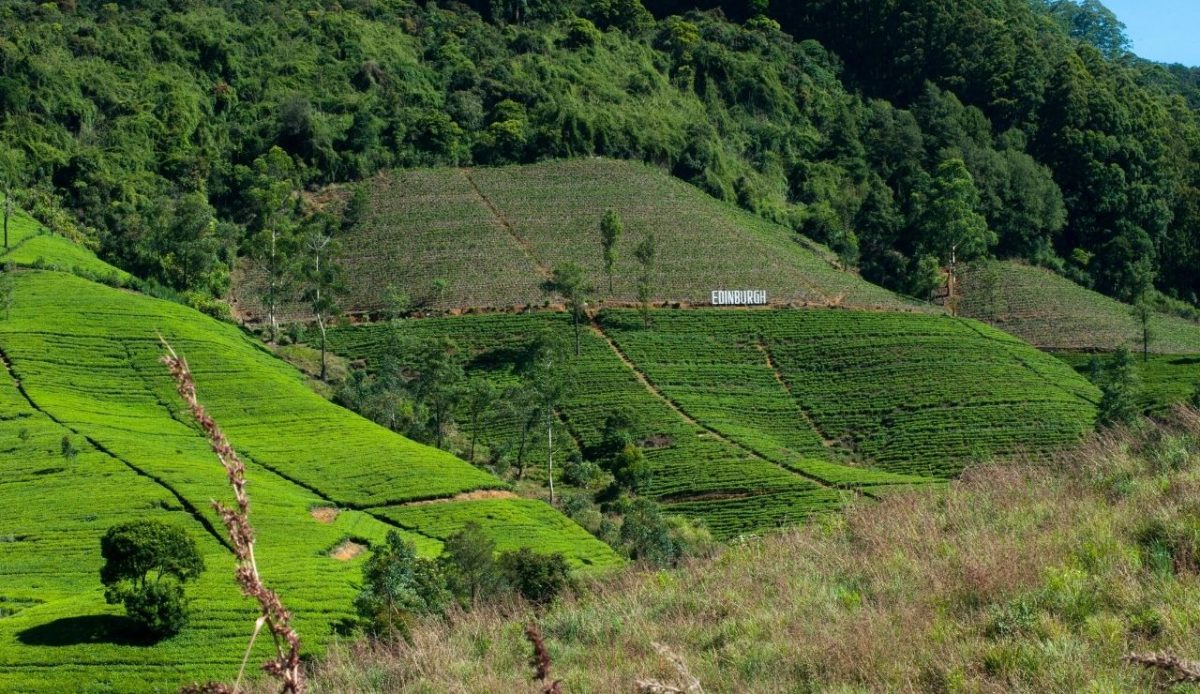
Sri Lanka’s upcountry belt around Nuwara Eliya and nearby districts is a dense farming zone where cool weather supports year-round vegetable harvests. That output matters when ports, fuel, or retail distribution collapse, because nearby towns can be fed without long trucking routes. Small plots, home gardens, and local collection points can be redirected toward direct sale or ration lines. Tea estates also include worker housing and storage buildings that could be repurposed for shelter and tools. Dependence on imported inputs is a risk, so seed saving and composting become priorities. Rainfall is usually steady.
7. Wayanad, Kerala, India
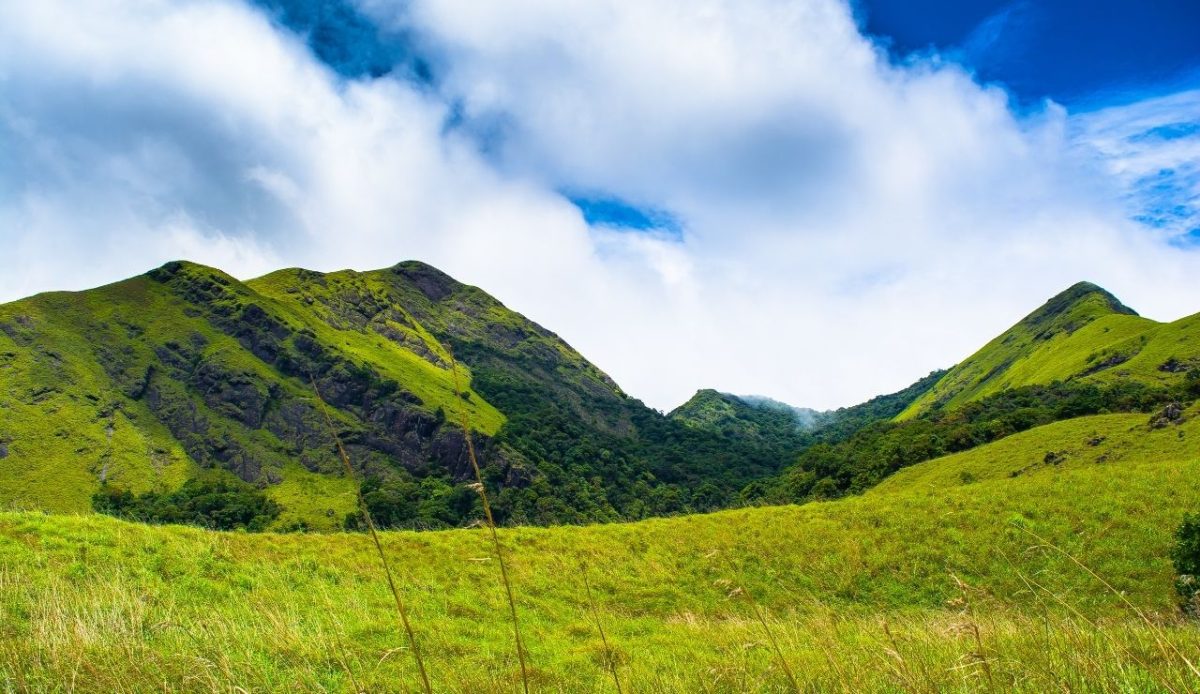
Wayanad in Kerala links high rainfall with diverse farming, including rice paddies, pepper, bananas, and small livestock kept near homes. Many households already depend on wells, ponds, and rain storage rather than large dams, which helps when power cuts become routine. A strong network of local markets and bus-linked towns can shift toward short-range exchange, and skills like repair work and cooking fuel management stay useful. The downside is higher regional population pressure, so staying near productive land and trusted community ties matters more than remoteness alone. Forest reserves supply materials, though access may tighten.
