
Travelers planning 2026 trips look toward smaller European villages that keep historic character intact while offering structured access and reliable on-ground services. These places invest in regular maintenance, visitor flow control, and clear walking routes, which help travelers move without confusion. Each village on this list maintains cultural identity through controlled growth, upgraded signs, and steady local management. These updates support easier mornings, smoother movement, and stronger preservation efforts, making these locations dependable for travelers who want settings rooted in long-standing traditions without heavy commercial pressure.
1. Hallstatt, Austria
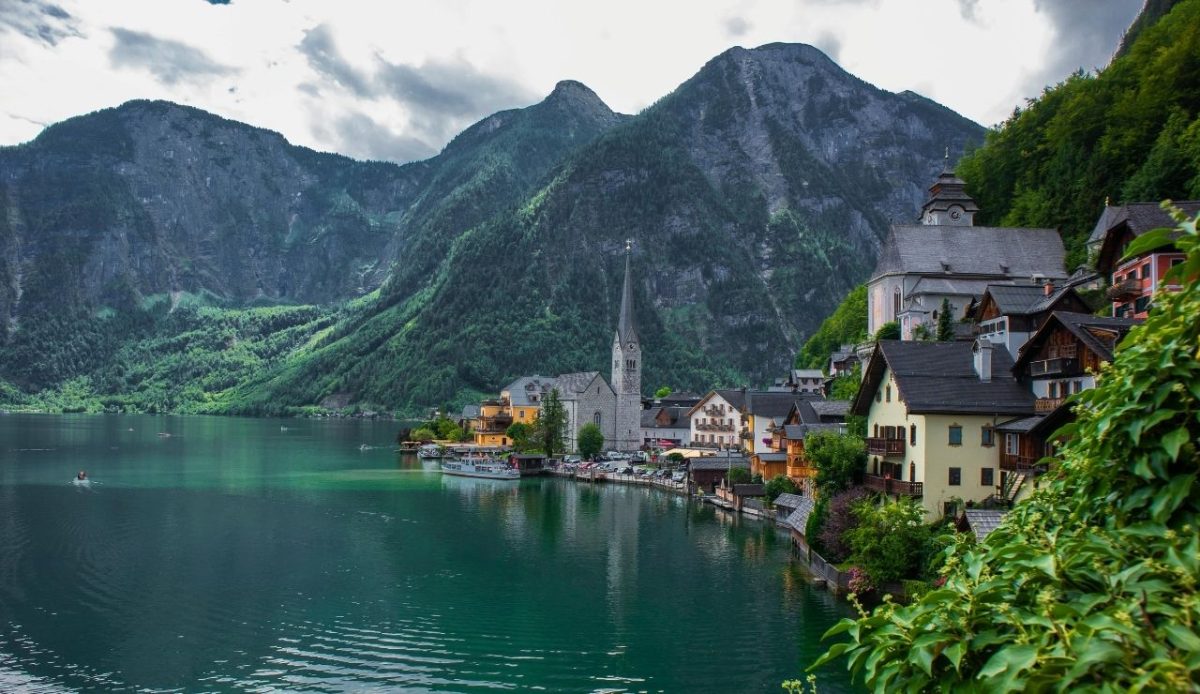
Hallstatt gives travelers a steady rhythm of lakeside views, structured walkways, and clear traffic control that keeps the village manageable even during busy months. Authorities watch visitor flow closely and adjust time slots so mornings run without abrupt delays. Boats operate on a simple timetable, and signs make it easy for travelers to reach the mine tour without crowd jams. The village limits new commercial activity, which helps maintain its long-standing character. Travelers who arrive early often move through the center with fewer pauses, and the updated monitoring system for 2026 improves that predictability.
2. Colmar, France
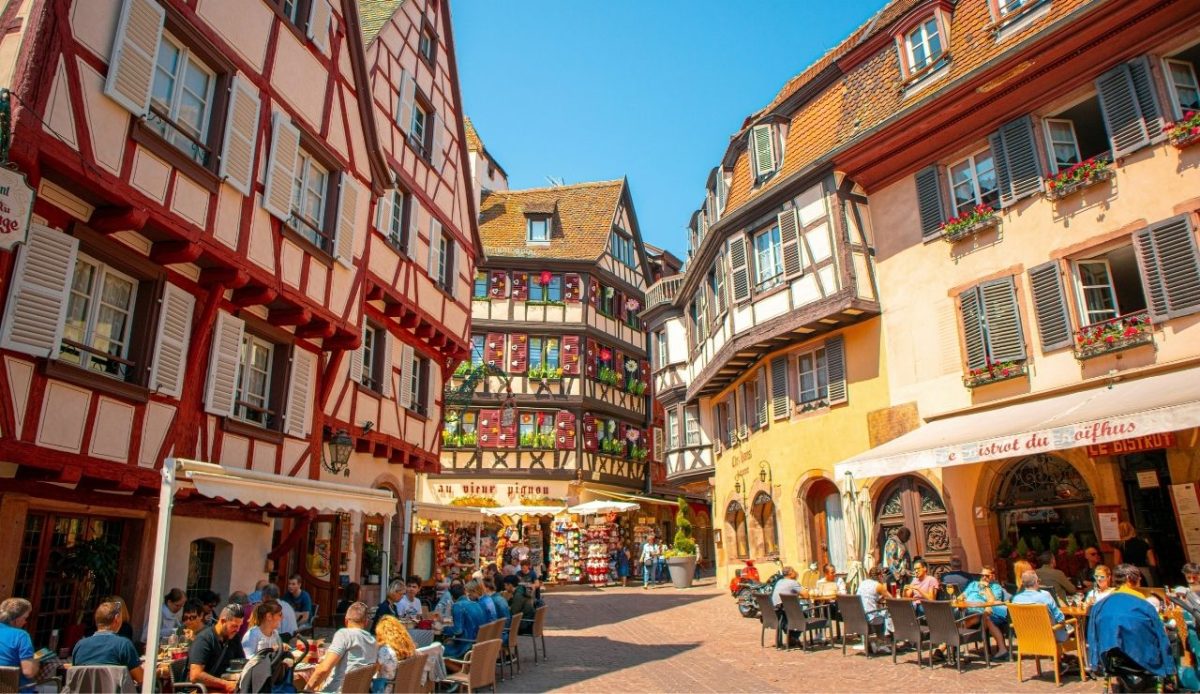
Colmar organizes its old quarter in a way that helps first-time visitors stay oriented without constant map checks. Maintenance crews continue to restore windows, beams, and canals so the village holds a consistent visual style across seasons. Travelers often mention how shop owners keep offerings tied to the region instead of unrelated souvenirs. The walking plan introduced in 2025 directs visitors through quieter side lanes that reduce pressure on the most photographed spots. Market season still brings strong activity, yet weekday mornings allow easier movement and clearer photo stops without long waits.
3. Bibury, England
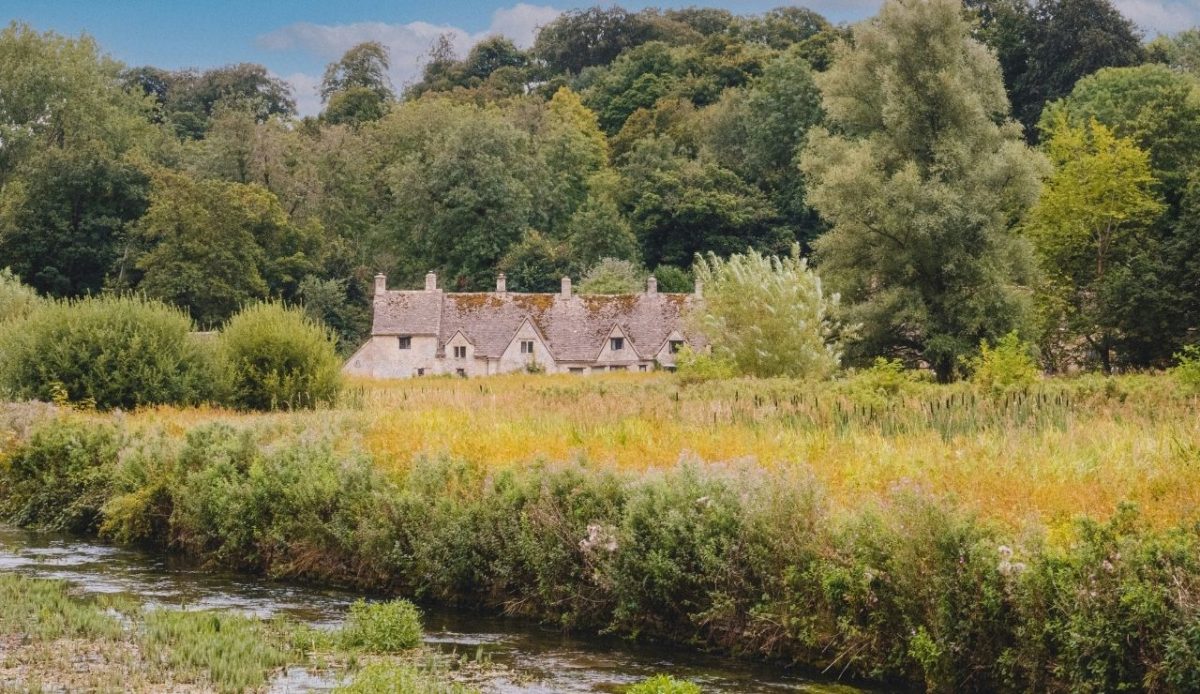
Travelers reach Bibury from nearby cities without complicated transfers, which helps keep arrival routines simple. Preservation staff monitor the stone structures at Arlington Row to prevent avoidable damage, and updated drainage work reduces water issues during rainy periods. River paths stay open during most months, giving visitors predictable walking routes. Reviews show that the trout farm remains a steady attraction for short family visits. Because commercial space stays limited, travelers spend most of their time outside rather than waiting in lines. Parking rules stay consistent year-round, which keeps entry smooth.
4. Alberobello, Italy

The village keeps its white stone homes under strict supervision, and national regulations prevent unapproved remodeling. Updated signs added in 2025 help visitors follow clear walking loops instead of drifting into closed areas. Many trulli maintain stable operating hours, so travelers face fewer surprises during daytime visits. Restaurants plan reservations carefully, reducing long queues in peak season. Because the center spreads across gentle slopes, travelers cover major points in a short window without rushing. Late afternoons often feel more relaxed once large groups leave.
5. Göreme, Türkiye

The village supports visitors with marked trails, consistent path checks, and erosion monitoring across key viewpoints. The open-air museum uses direct instructions at entry points, which shortens confusion for first-time visitors. Balloon operators follow strict weather checks, helping maintain solid safety habits across the region. Hotels in the village center provide predictable response times for tours and transfers, according to recent traveler reports. Lighting upgrades added in 2025 make early movement safer around common walking areas, and most small shops open at steady hours throughout the year.
6. Giethoorn, Netherlands
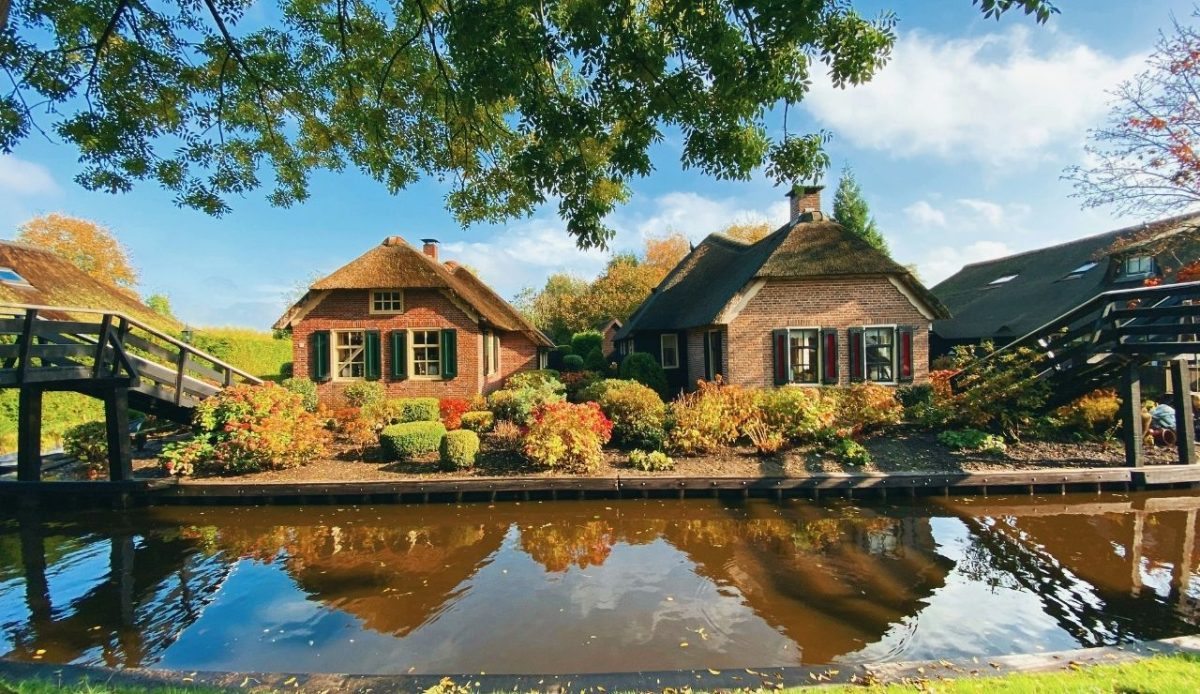
Travelers move through Giethoorn by walking or by small boat, which keeps the village quiet and easy to navigate. Dutch teams maintain the canals and reinforce older bridges to prevent sudden closures during busy months. Local homes use carefully managed restoration plans so that the thatched roofs retain their long-standing appearance. Visitors often mention that boat rentals stay consistent in pricing and timing, making it simple to plan short loops. Paths near the water remain open most of the year, and the village limits commercial loads to preserve smooth pedestrian flow. Weekday visits usually feel calmer.
7. Český Krumlov, Czech Republic
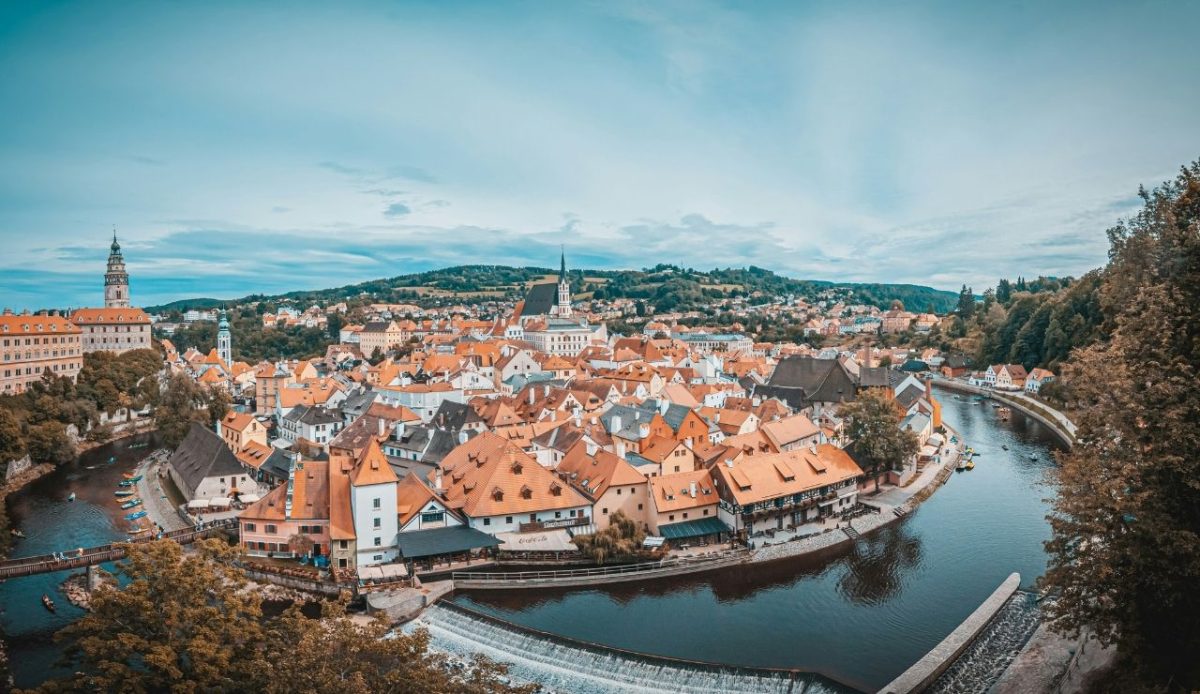
Český Krumlov gives travelers a compact route through its old center, castle grounds, and riverside paths. Restoration workers continue to repair exterior walls on key buildings, which keeps the town center visually uniform. Museum staff follow stable schedules, so travelers rarely face unexpected closures. Festivals planned for 2026 highlight theater and craft work, drawing visitors who want cultural routines instead of large commercial events. Reviews from recent seasons show that foot traffic spreads across the river loop, reducing crowd compression in the central square. Early evening hours remain the easiest time to walk through the old lanes.
