
National park weapon rules trip up visitors because the rules are not one national code that works the same everywhere. Federal law allows lawful possession in many park areas, but state law still matters, and federal facilities inside parks remain off limits when posted.
That mix leads people to assume a carry permit or home-state rule will automatically travel with them. In reality, the details can shift by state, by building, and by the kind of park space a visitor enters during the day.
Visitors also confuse possession with use. In many parks, even where lawful possession may be allowed, discharge is still banned or tightly restricted. That gap is where many misunderstandings begin every year.
1. Yellowstone National Park
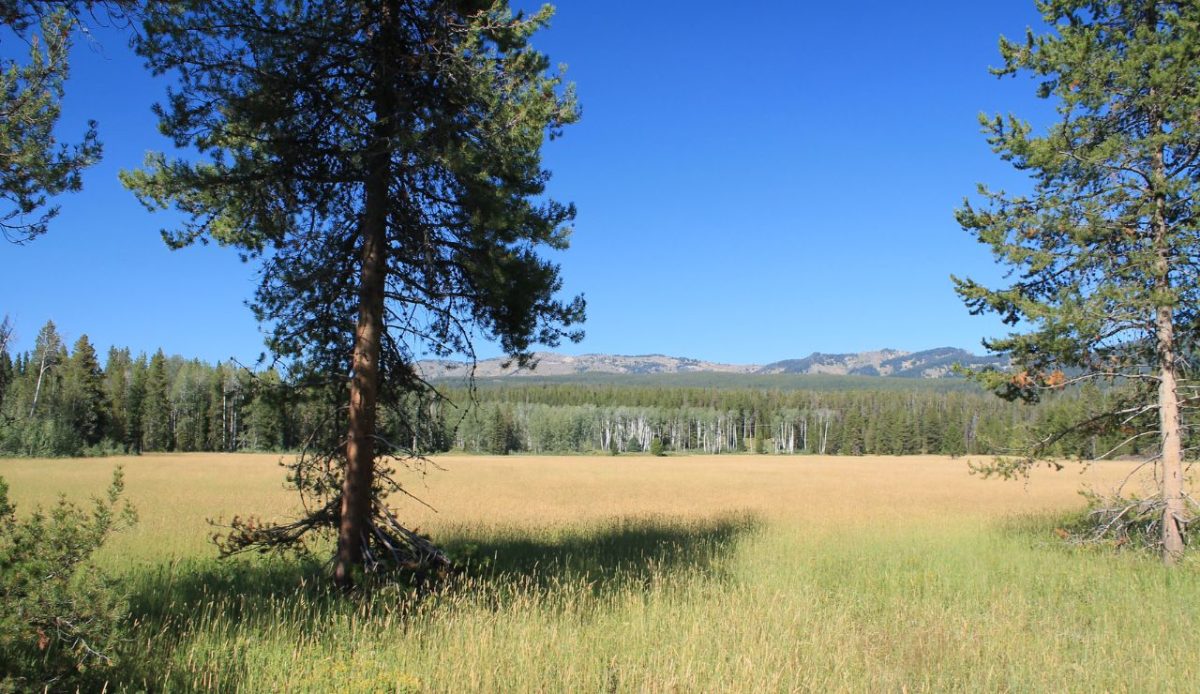
Yellowstone confuses visitors because the park sits across Wyoming, Montana, and Idaho, and people often assume one rule covers the entire trip. The National Park Service notes that firearms in Yellowstone must comply with federal law and the laws of the state where you are standing.
Certain federal facilities, such as visitor centers and government offices, prohibit firearms when posted. A traveler moving between park regions can cross into a different legal framework without leaving the same vacation map.
The scenery feels continuous, but the legal assumptions behind carry, storage, and access do not always stay continuous with it. That is exactly why Yellowstone catches people off guard.
2. Great Smoky Mountains National Park
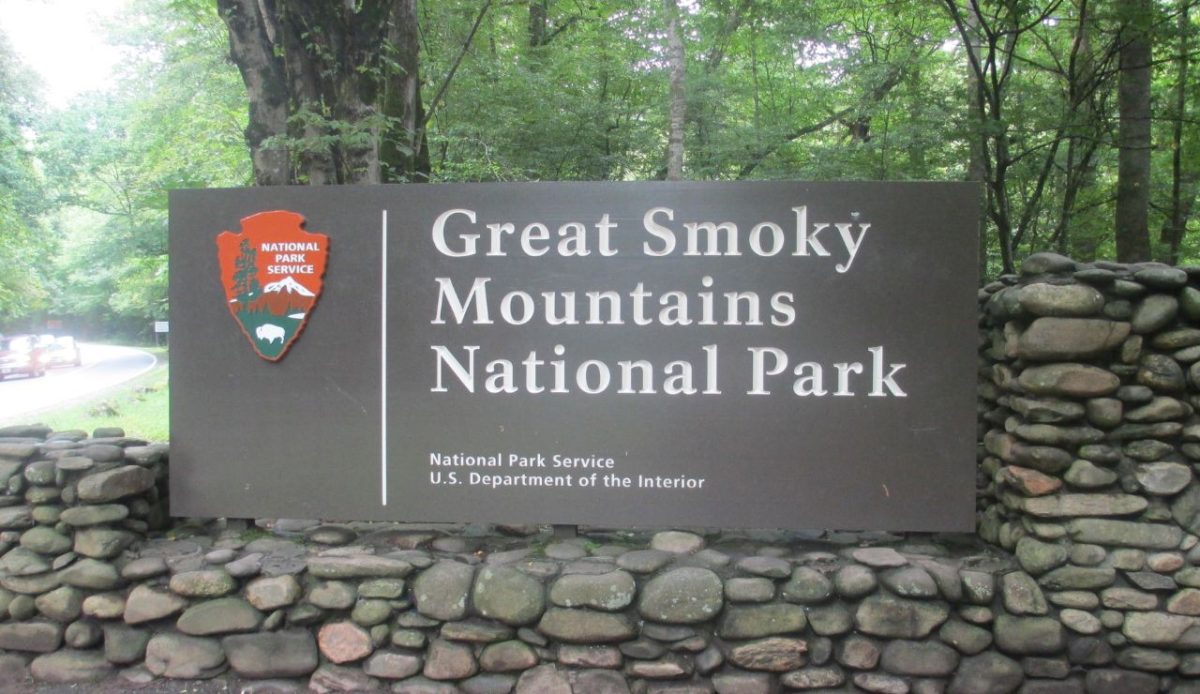
Great Smoky Mountains create confusion because it spans Tennessee and North Carolina, and visitors often enter from one state and hike or drive into the other. The park states that federal law prohibits firearms in certain facilities and that visitors must follow applicable laws in both states.
People who plan around only one side of the park can misread permit rules, storage expectations, or carry assumptions. The risk grows because the Smokies feel familiar to many families using scenic drives, trailheads, and visitor centers in a single trip.
Familiar parks often make people less likely to recheck the fine print. In a two-state park, that casual approach can turn a simple assumption into the wrong legal reading before the day is over.
3. Grand Canyon National Park
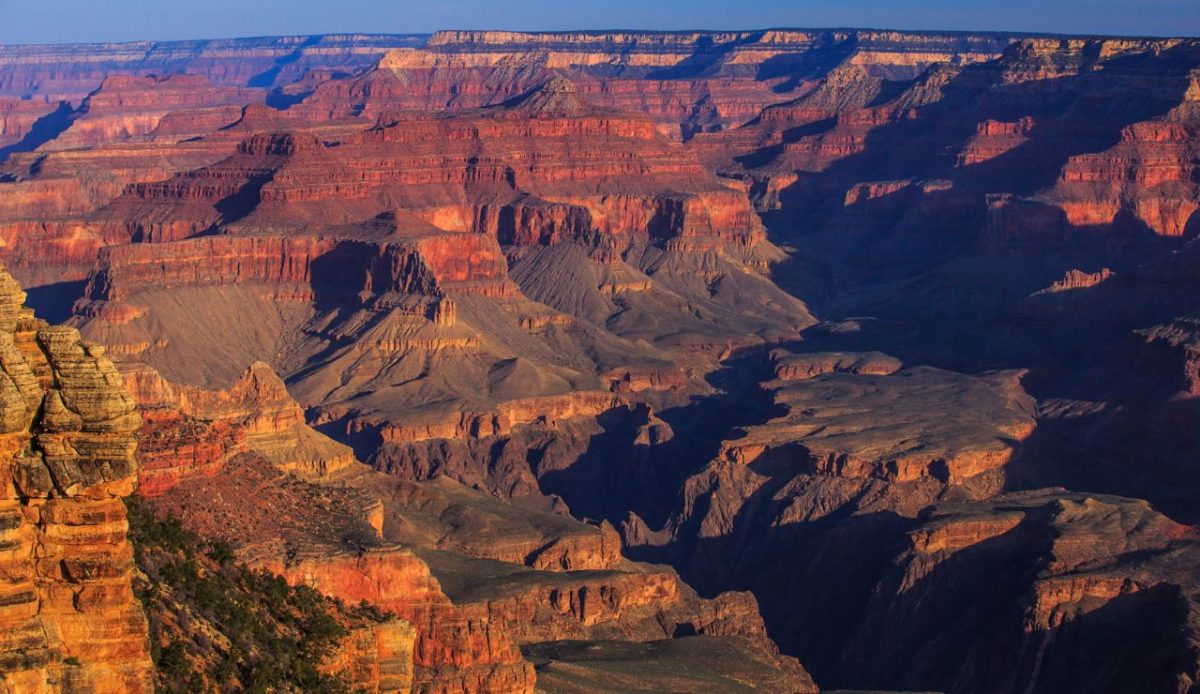
Grand Canyon visitors often focus on the rim experience and overlook the difference between open park areas and posted federal facilities. The National Park Service says lawful possession depends on compliance with federal, state, and local law, and firearms are prohibited in certain park buildings where signs are posted.
That matters because many travelers move between overlooks, shuttle areas, lodges, trailheads, and visitor services without checking which spaces are treated differently. The park feels wide open, but some parts operate under stricter rules than people expect.
Grand Canyon is one of those places where visitors assume a vast landscape comes with simple rules.
4. Yosemite National Park
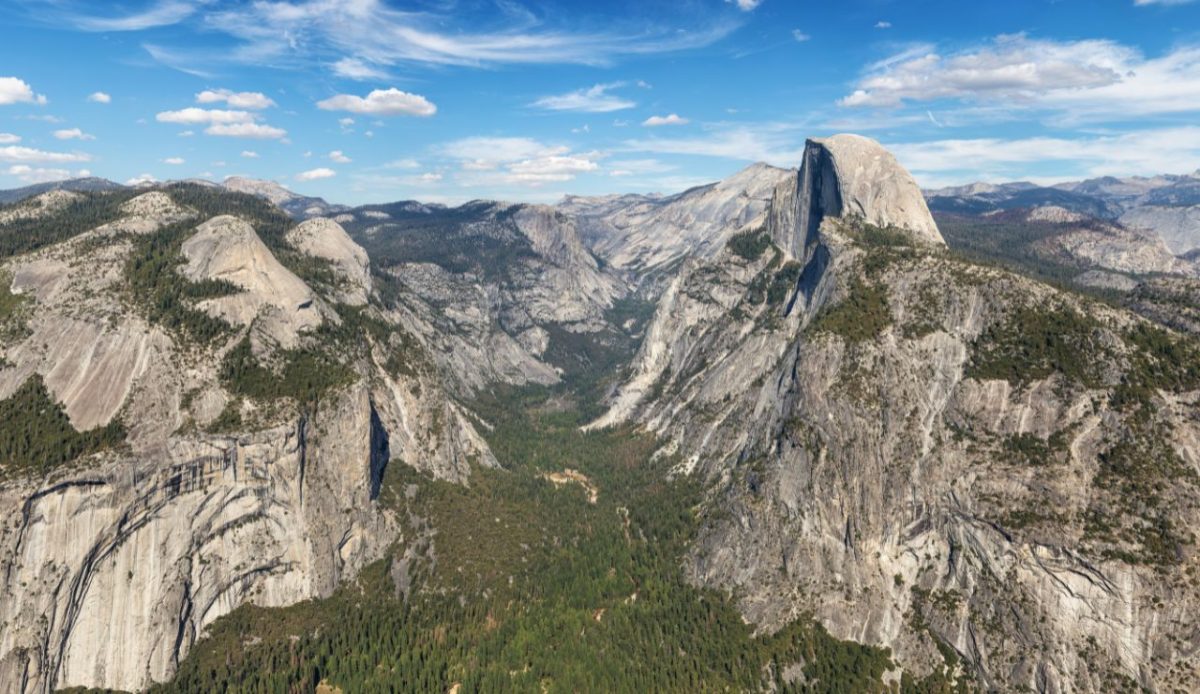
Yosemite is a frequent source of confusion because visitors may assume that wildlife safety tools and weapon rules work the same everywhere in the park. Yosemite’s laws page says firearms are prohibited in certain posted federal facilities and may not be discharged.
A separate Yosemite page also prohibits possession or use of pepper spray, including bear spray, along with several other weapons. That catches out travelers arriving from other western parks, where spray is often treated as a standard backcountry precaution.
Yosemite requires a park-specific read before arrival, not a regional assumption. Even experienced outdoor travelers can get tripped up when one park defines weapons and safety tools more narrowly than another.
5. Death Valley National Park
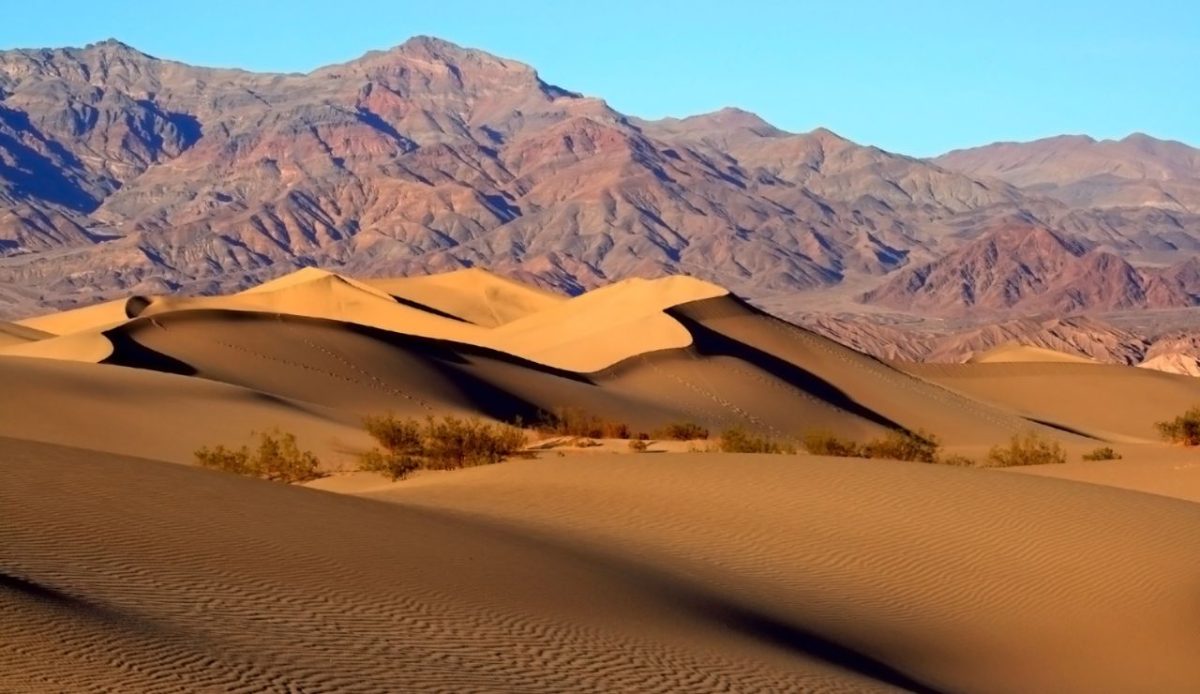
Death Valley tends to mislead visitors because it stretches across California and Nevada, and people often treat the desert as one uninterrupted driving space. The park states that firearms in the park must follow applicable law and that certain facilities prohibit them when posted.
It also says discharging a firearm in Death Valley National Park is illegal. Travelers who enter from Nevada with one understanding and continue into California terrain can overlook that the governing state law may shift during the same route.
The long highways, sparse services, and vast open views create the illusion that rules are looser in remote areas. In practice, remoteness does not remove federal oversight or cancel state-level differences inside the park.
6. Acadia National Park
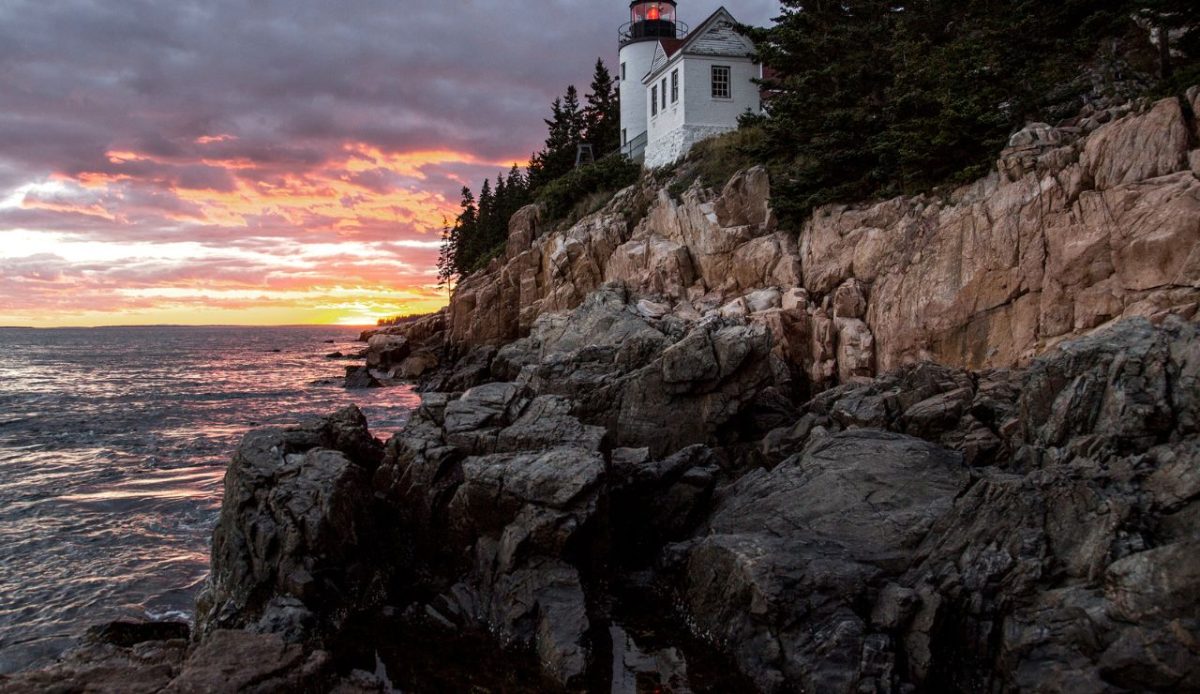
Acadia may look simpler than the giant western parks, but visitors still misread the rules by assuming a coastal vacation setting means fewer restrictions. The park says visitors may possess firearms only if they comply with federal, state, and local law, and federal facilities remain off limits when posted.
Because many Acadia trips combine park roads, scenic stops, village services, and quick visits to federal buildings, people can slide from outdoor recreation into a restricted space without thinking much about it.
Acadia also attracts many short-stay visitors, which encourages assumption-based planning. When a park feels easy to navigate, travelers are more likely to guess instead of verify the details in advance.
7. Big Bend National Park
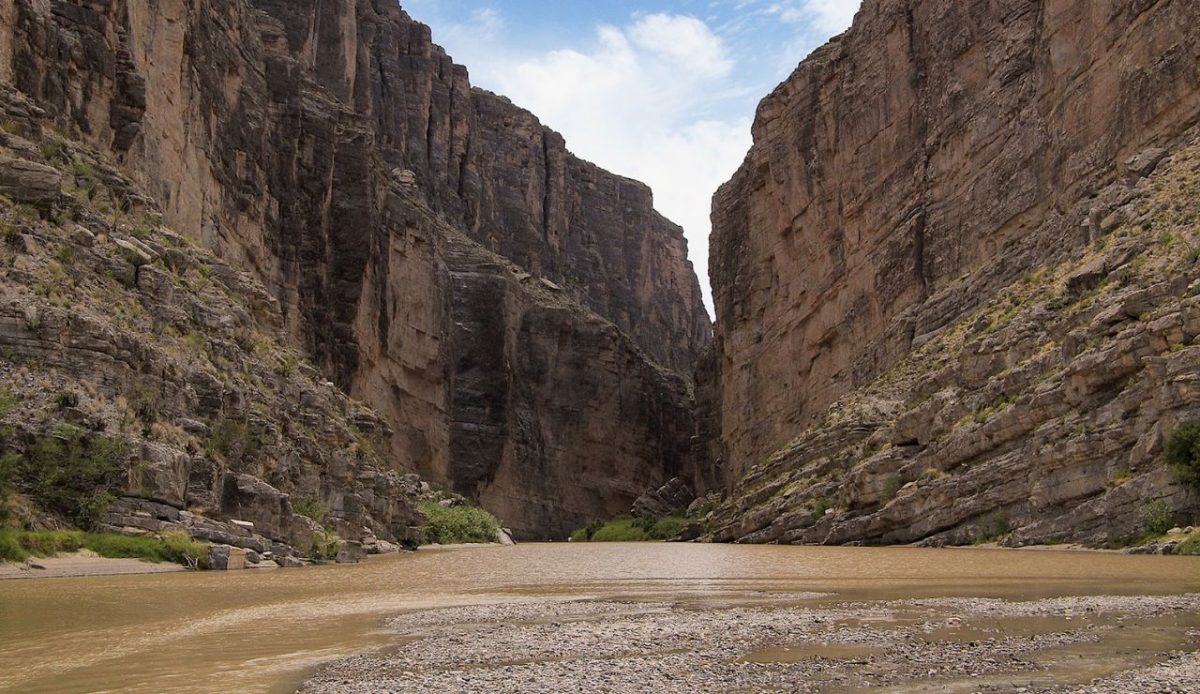
Big Bend creates confusion for a different reason: many visitors think remote terrain means broader freedom, especially in Texas. The park’s firearms page notes that the Texas open-carry law does not override federal rules, which is where many misunderstandings begin.
Park materials also state that the use or discharge of firearms is prohibited in the backcountry and on river trips. People often read state culture first and park rules second, and that order can lead them straight into the wrong assumption.
In a borderland park shaped by wilderness travel, river access, and long drives between services, that mistake is easy to make. Big Bend shows that practicality, local habit, and park law are not always the same thing.
