
Travel in the United States is evolving rapidly, and 2026 promises several major changes that could impact how Americans plan and experience their trips. From policy updates to new infrastructure projects and technological innovations, staying informed is essential for a smooth travel experience. Whether visiting national parks, bustling cities, or scenic routes, travelers will need to adapt to new regulations, booking requirements, and transportation developments. This guide highlights seven major changes coming in 2026, helping visitors prepare for a safer, more efficient, and enjoyable U.S. travel experience.
1. National Park Access and Permit Changes
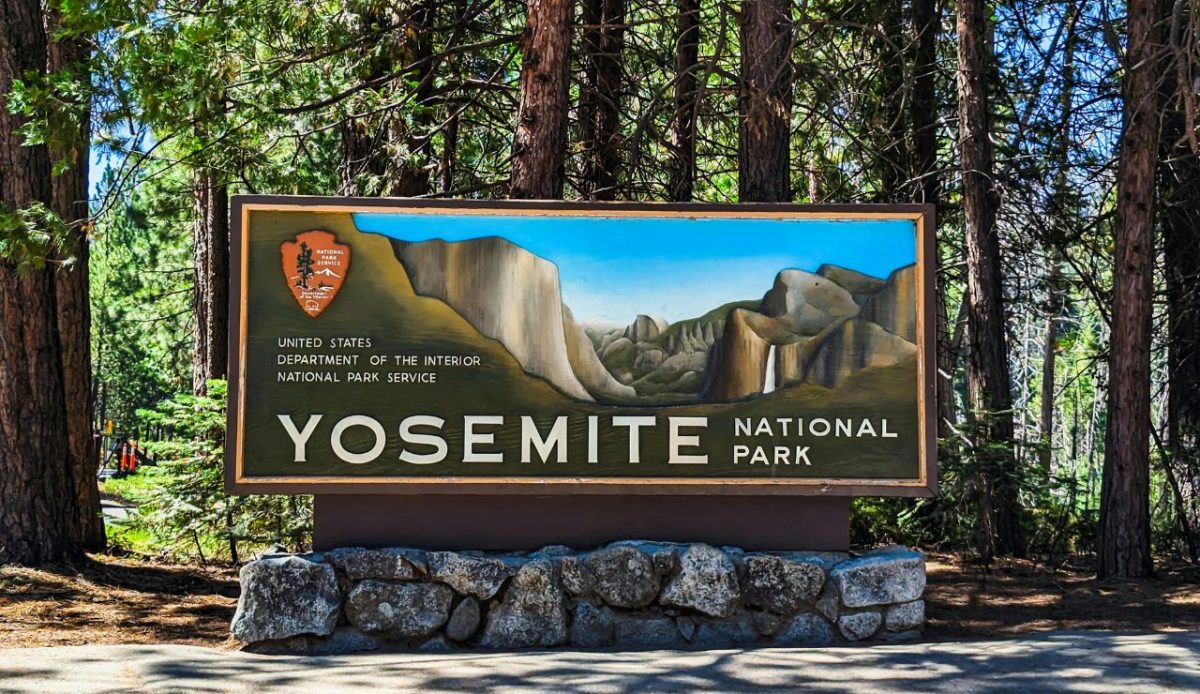
Several U.S. national parks will implement updated access rules in 2026 to manage overcrowding and protect natural resources. New permit systems and reservation requirements will apply to popular parks, including Yosemite, Yellowstone, and Grand Canyon. Visitors must plan, book passes online, and adhere to specific entry times. These changes aim to reduce traffic, minimize environmental impact, and enhance visitor experiences. Travelers who ignore these updates risk denied access or long waits. By preparing in advance, Americans can enjoy breathtaking landscapes and iconic sites while supporting sustainable park management practices.
2. Airline Technology Upgrades
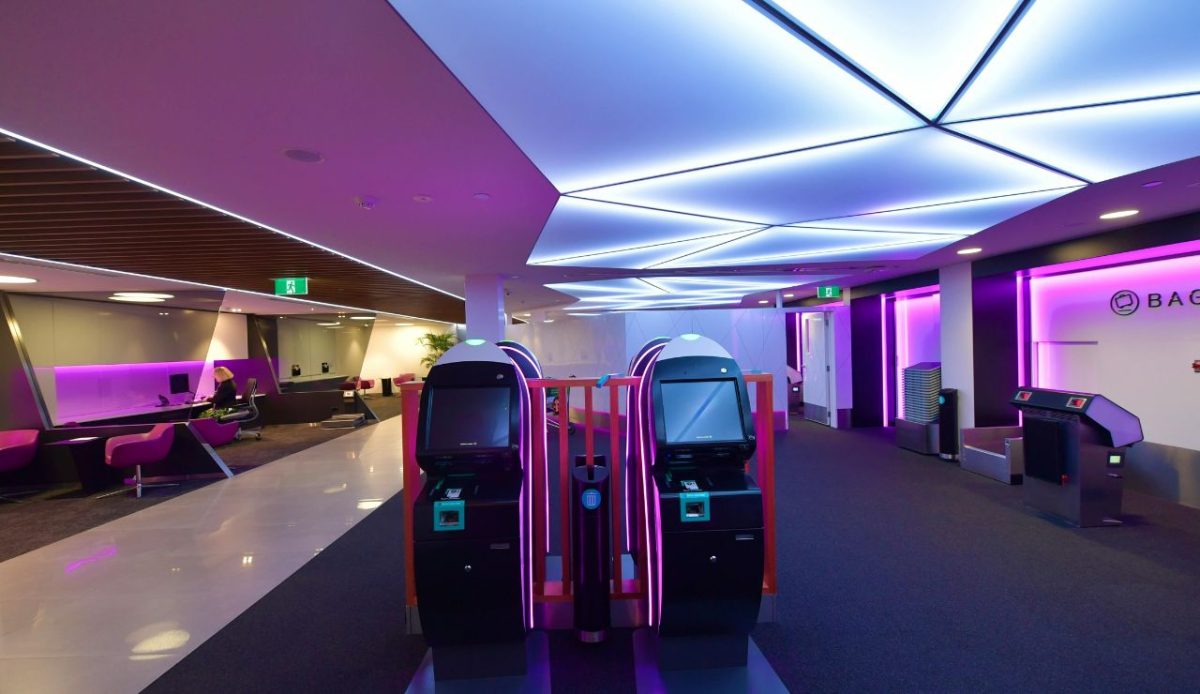
Airlines in the U.S. are rolling out new technologies in 2026 to improve the passenger experience. Biometric boarding, enhanced self-service kiosks, and updated baggage tracking systems aim to reduce wait times and streamline airport navigation. Travelers will notice faster check-ins, improved security processing, and real-time flight updates through apps. These advancements may also include increased integration with mobile wallets and touchless identification systems. Staying informed about airline tech upgrades ensures travelers can navigate airports efficiently, minimize delays, and enjoy a more seamless journey across the United States.
3. Infrastructure and Roadway Developments
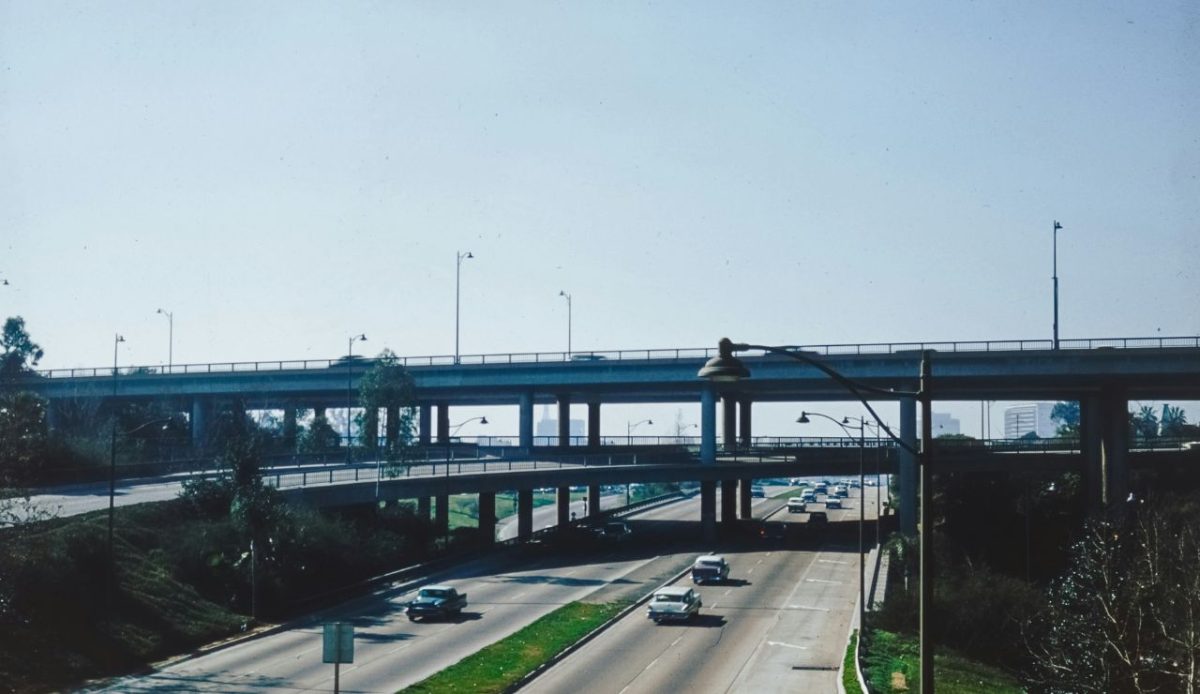
Major roadway and infrastructure projects are scheduled across the U.S., impacting travel in 2026. Highway expansions, bridge repairs, and updated toll systems aim to improve safety and efficiency, but temporary closures and detours are expected. Travelers driving cross-country should monitor traffic alerts, plan alternative routes, and account for construction delays. Additionally, improvements in electric vehicle charging networks will make EV travel more accessible. Being aware of these developments allows travelers to enjoy smoother road trips, reduce frustration, and adapt itineraries efficiently.
4. National Park Fee Increases

Many U.S. national parks are raising entrance fees in 2026 to fund maintenance, conservation, and visitor services. Fee hikes may affect day passes, annual memberships, and specialized tours. Planning can help travelers budget while maximizing their experience. Some parks will offer discounted rates for early bookings or multi-day visits. Awareness of fee changes ensures Americans can enjoy park adventures without surprises. These adjustments support the preservation of iconic landscapes, allowing visitors to experience natural beauty responsibly while contributing to ongoing conservation initiatives.
5. Cruise and Coastal Travel Regulations
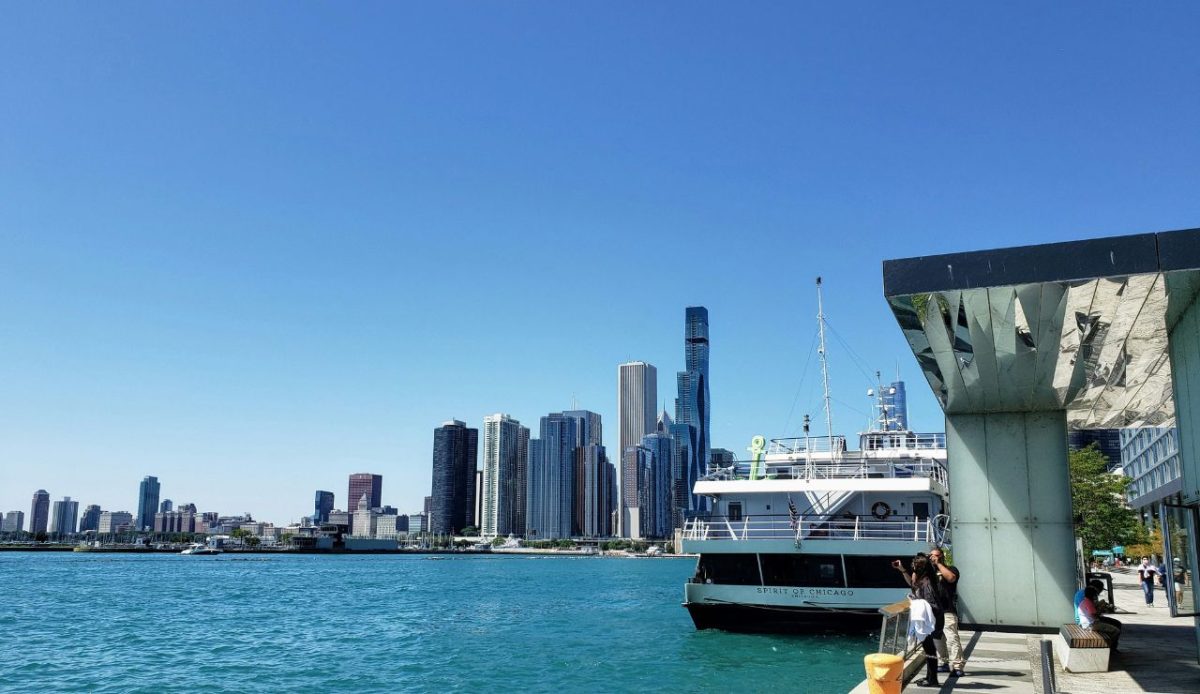
The cruise industry and coastal tourism in the U.S. are seeing new environmental and safety regulations in 2026. Updated emissions standards, waste management requirements, and passenger protocols will affect routes, schedules, and amenities. Travelers should check cruise line policies, including health requirements and activity limits, before booking. These changes aim to reduce ecological impact, protect marine life, and enhance passenger well-being. Staying informed allows travelers to enjoy cruises and coastal excursions confidently while supporting sustainable practices, protecting scenic shores and waters.
6. Travel Insurance and Health Policy Updates
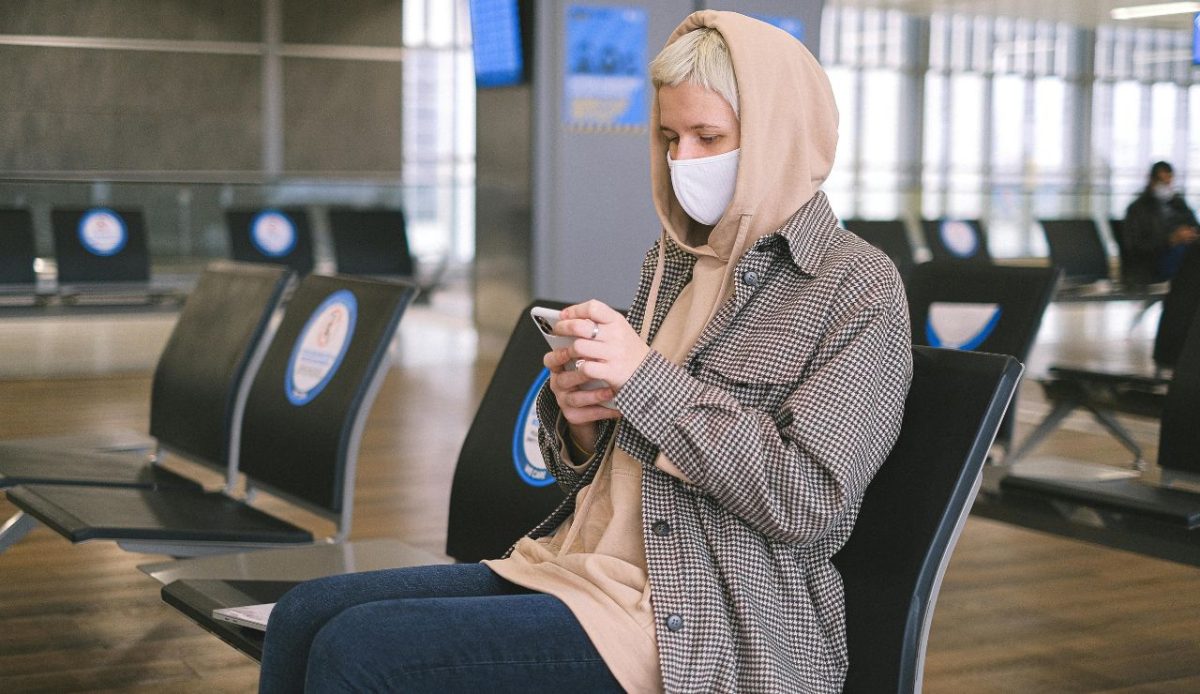
Health and travel insurance requirements are evolving for domestic trips in 2026. Some states may require updated coverage for emergency services, while airlines and tour operators offer integrated insurance packages. Travelers should review existing policies, ensure adequate coverage, and consider pandemic-related contingencies. These updates provide better protection against unexpected disruptions, including illness, flight delays, or accidents. Being proactive about insurance policies ensures peace of mind, reduces potential stress, and allows travelers to focus on enjoying destinations, attractions, and experiences across the U.S.
7. Technology-Enhanced Tourism Experiences

Tourism destinations across the U.S. are adopting augmented reality (AR), virtual tours, and interactive mobile apps to enhance visitor experiences in 2026. Museums, theme parks, and historic sites are integrating tech for immersive storytelling, navigation, and interactive learning. Travelers can explore exhibits virtually, access real-time guides, and receive personalized recommendations. Embracing these innovations lets visitors enjoy more engaging and informative experiences while adapting to modern travel trends. Americans who use tech-enhanced tourism can explore destinations with greater depth and convenience.
