
Eastern Europe is often celebrated for its historic cities and cultural landmarks, yet some of the region’s hidden gems shine through their gardens and green spaces. These cities offer tranquil escapes from crowded tourist hubs, with parks, botanical gardens, and tree-lined avenues providing opportunities for relaxation and exploration. Visitors can experience local life, seasonal blooms, and serene landscapes away from the usual crowds. In this article, we highlight seven little-visited Eastern European cities where gardens and green spaces are central to the city’s charm and visitor experience.
1. Lviv, Ukraine
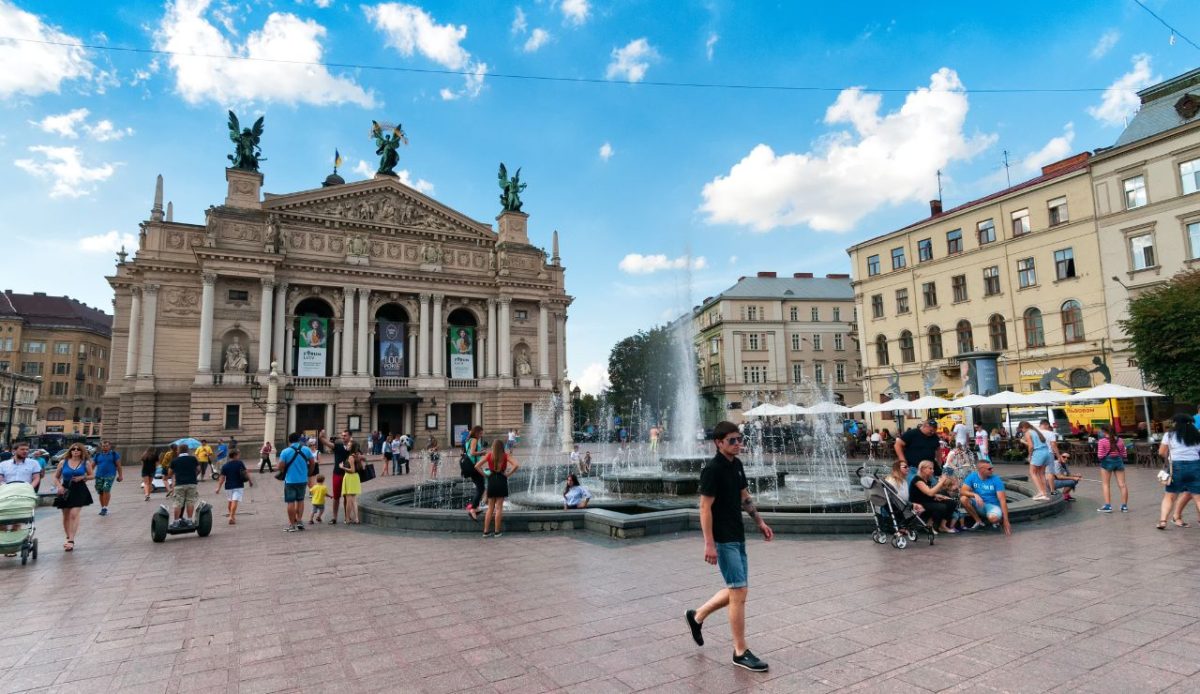
Lviv is known for its historic architecture, but its parks and gardens reveal another side of the city. Stryiskyi Park, with its fountains, walking paths, and seasonal flower displays, offers a peaceful retreat for both locals and tourists alike. Ivan Franko Park, located near the city center, is perfect for leisurely strolls and enjoying local street performers. Despite Lviv’s growing tourism, these green spaces remain relatively uncrowded, providing visitors with moments of calm and reflection. The combination of cultural heritage and lush landscapes makes Lviv a hidden gem for travelers who appreciate both history and nature.
2. Tartu, Estonia
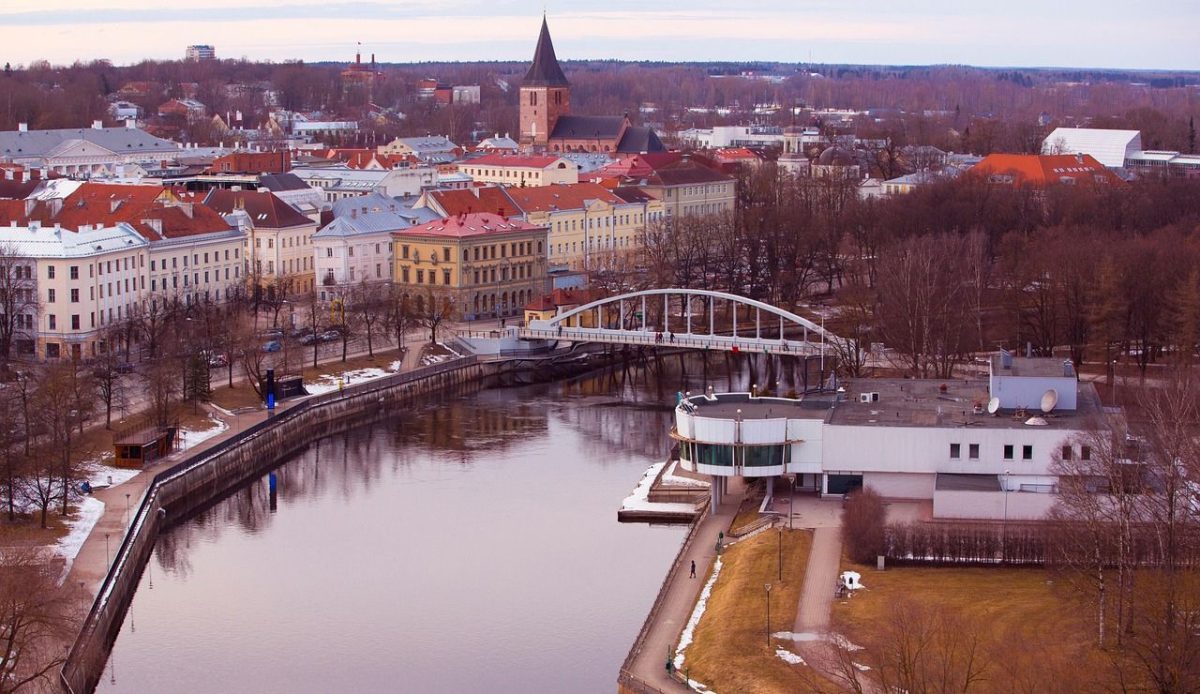
Tartu, Estonia’s university city, combines academic charm with verdant public spaces. The Toome Hill park offers sweeping city views and tranquil pathways among historic ruins. Botanical gardens affiliated with the University of Tartu showcase diverse plant species, providing educational and relaxing experiences. Quiet riverside walks along the Emajõgi River further enhance the city’s appeal. While not heavily trafficked by tourists, Tartu’s green spaces provide a serene environment for reflection and leisure, making it an ideal destination for travelers seeking gardens and calm urban retreats in Eastern Europe.
3. Cluj-Napoca, Romania
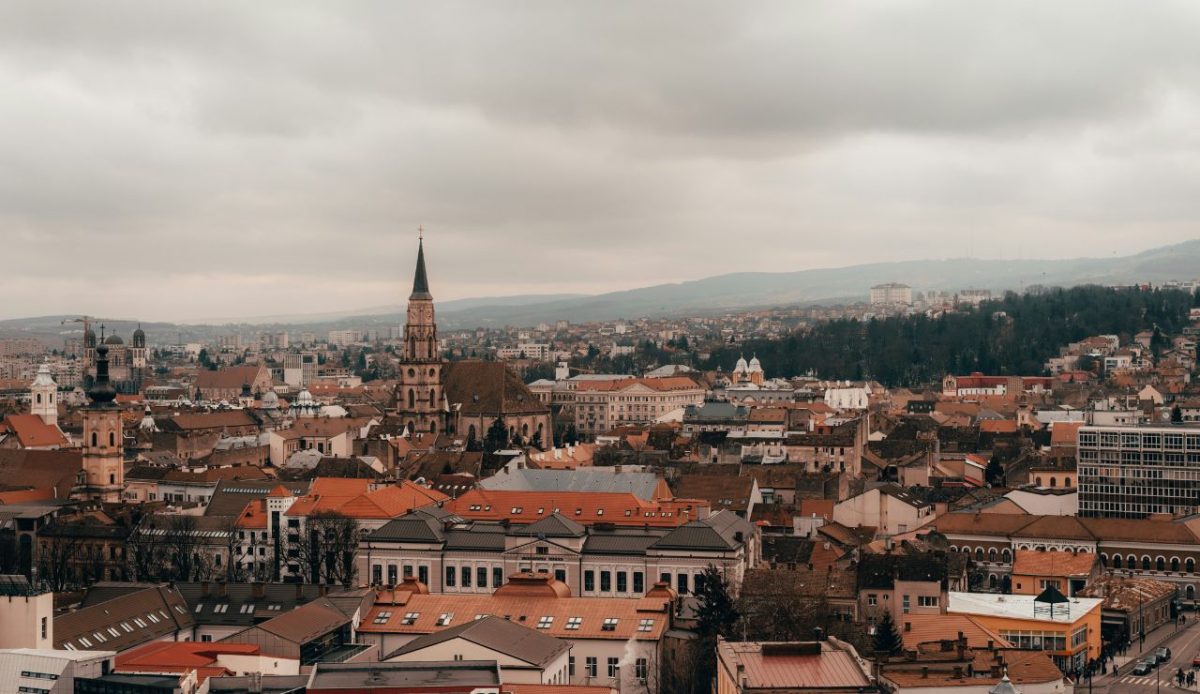
Cluj-Napoca, Romania’s cultural hub, is home to impressive gardens and parks that offer tranquility amid a vibrant city. Central Park (Parcul Central) features lakes, fountains, and shaded pathways ideal for relaxing walks. Botanical Garden “Alexandru Borza” presents a diverse collection of flora, including exotic and local plants, attracting both botanists and casual visitors. Despite Cluj-Napoca’s growing reputation as a tourist destination, these green spaces remain relatively peaceful. Visitors can enjoy the fusion of academic energy, local culture, and lush landscapes without the crowds found in more famous Romanian cities.
4. Kaunas, Lithuania
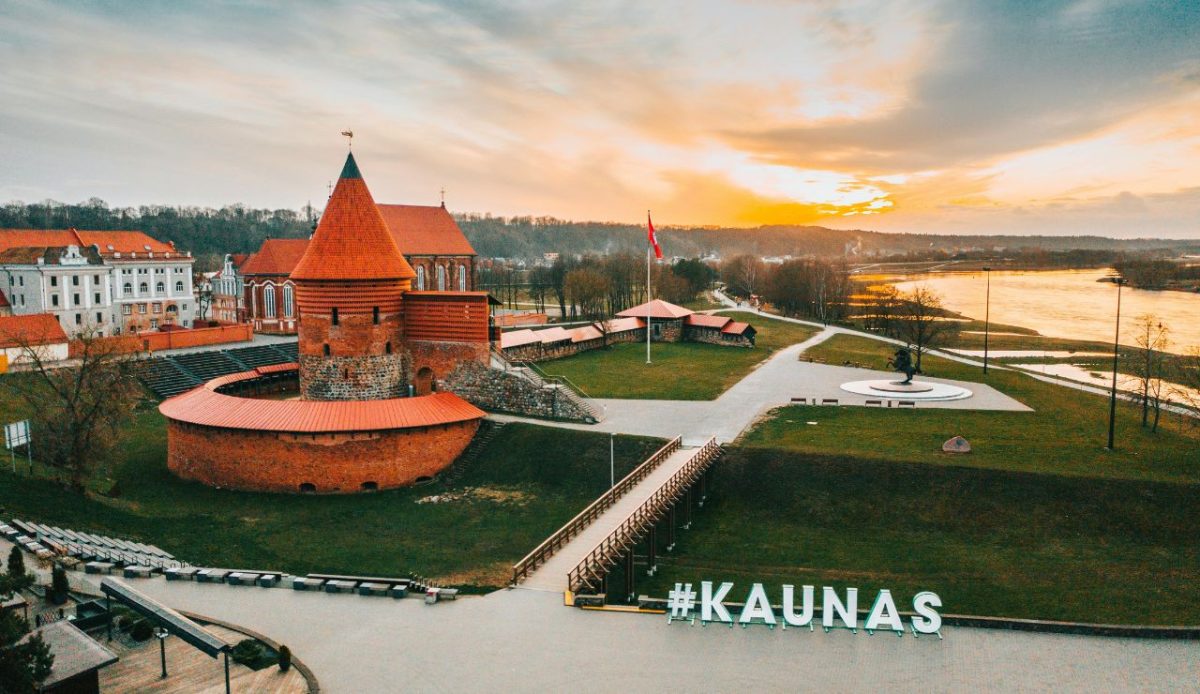
Kaunas, Lithuania’s second-largest city, surprises visitors with expansive parks and well-maintained gardens. Nemunas Island offers walking trails and picturesque spots along the river, while Santaka Park combines modern design with natural greenery. The city’s Botanical Garden of Vytautas Magnus University showcases diverse flora, providing both educational insight and aesthetic appeal. Kaunas remains under-visited compared to Vilnius, allowing travelers to enjoy its green spaces peacefully. These parks highlight the city’s commitment to balancing urban life with nature, creating a relaxing experience.
5. Plovdiv, Bulgaria
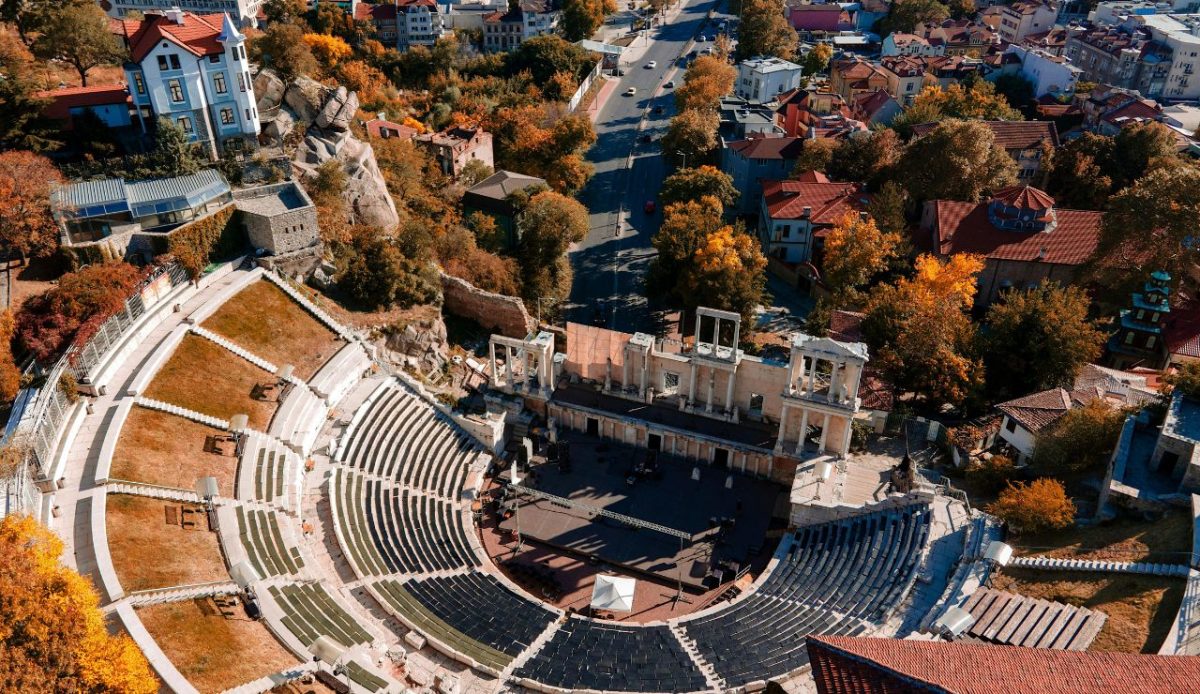
Plovdiv, Bulgaria’s cultural capital, is famous for its Roman theater and old town, yet its gardens and green spaces are often overlooked. Tsar Simeon Garden, with fountains, sculptures, and walking paths, offers a peaceful urban escape. The city’s Maritsa River embankments provide scenic greenery and leisure areas for locals and tourists alike. Plovdiv’s hilltop parks offer panoramic views of the city and surrounding landscapes. These verdant spaces, coupled with the city’s historic architecture, provide a perfect blend of culture and nature. Visitors can enjoy tranquility away from the busier tourist circuits in Bulgaria.
6. Lublin, Poland
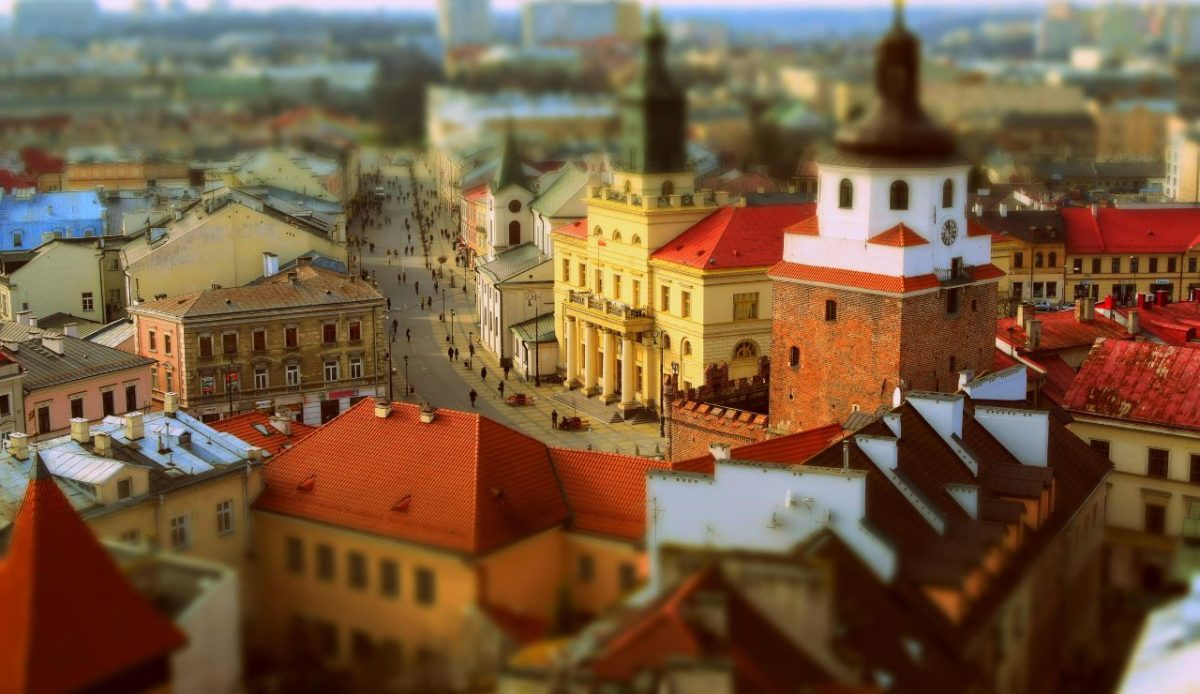
Lublin, a charming Polish city, features parks and gardens that provide calm amid historic streets. Saski Park is a central green oasis with pathways, statues, and shaded areas for relaxation. The city’s botanical gardens showcase native and exotic plant species, providing a serene environment for visitors. While Lublin’s Old Town attracts history enthusiasts, its green spaces offer a contrasting experience of quiet and natural beauty. The combination of heritage and abundant greenery makes Lublin attractive for travelers seeking Eastern European cities where gardens and calm landscapes define part of the urban experience.
7. Brno, Czech Republic
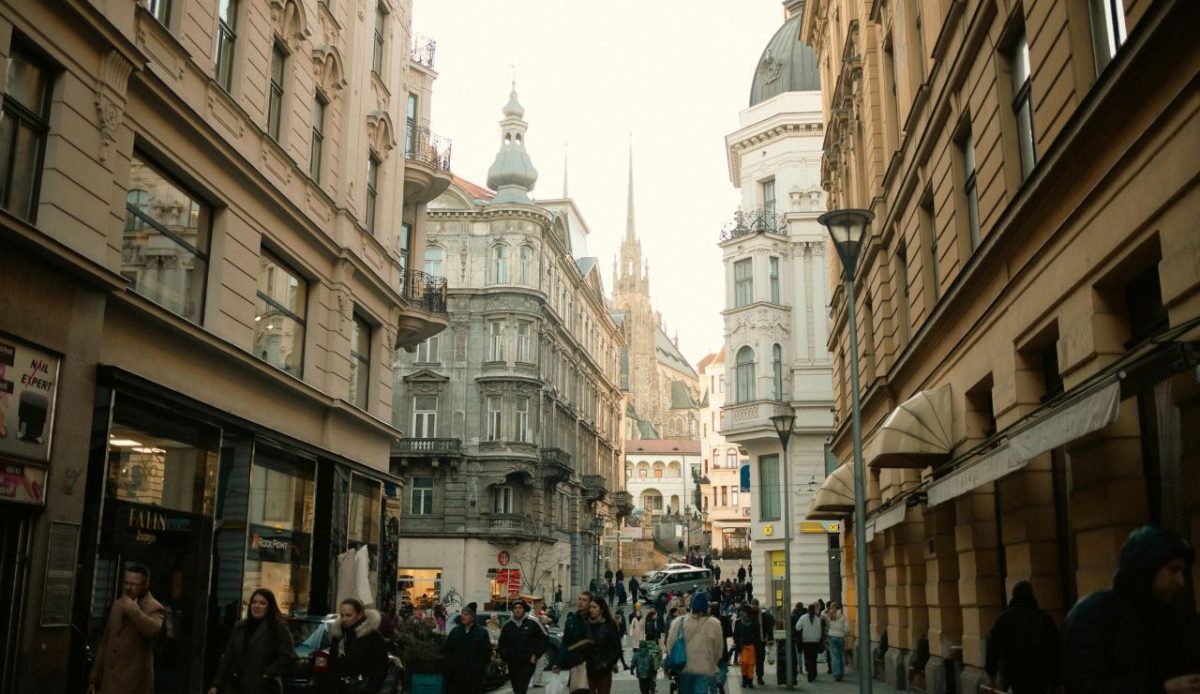
Brno, Czech Republic’s second-largest city, balances urban energy with green tranquility. Lužánky Park, the city’s oldest public park, features tree-lined avenues, ponds, and sports facilities. Botanical Garden of Masaryk University offers extensive plant collections, ideal for a leisurely stroll or study of local flora. Lesser-known parks like Denisovy Sady provide quiet escapes for locals and visitors alike. Brno remains less crowded than Prague, allowing travelers to enjoy these green spaces peacefully. The city’s commitment to maintaining gardens and parks enhances its charm, offering a unique perspective on urban life in Eastern Europe.
