
France has many winter markets that help travelers enjoy food stands, local products, and bright decorations without confusion or pressure. Visitors walk through public squares, try warm snacks, and buy seasonal gifts from organized stalls. Families use child-friendly paths, clear maps, and seating spots to rest when crowds build. Many locations also provide restroom access, warming zones, event staff, and good transport links. These places work well for people who want easy movement, good security presence, consistent service, and simple ways to plan visits across different towns.
1. Strasbourg, Alsace Tradition
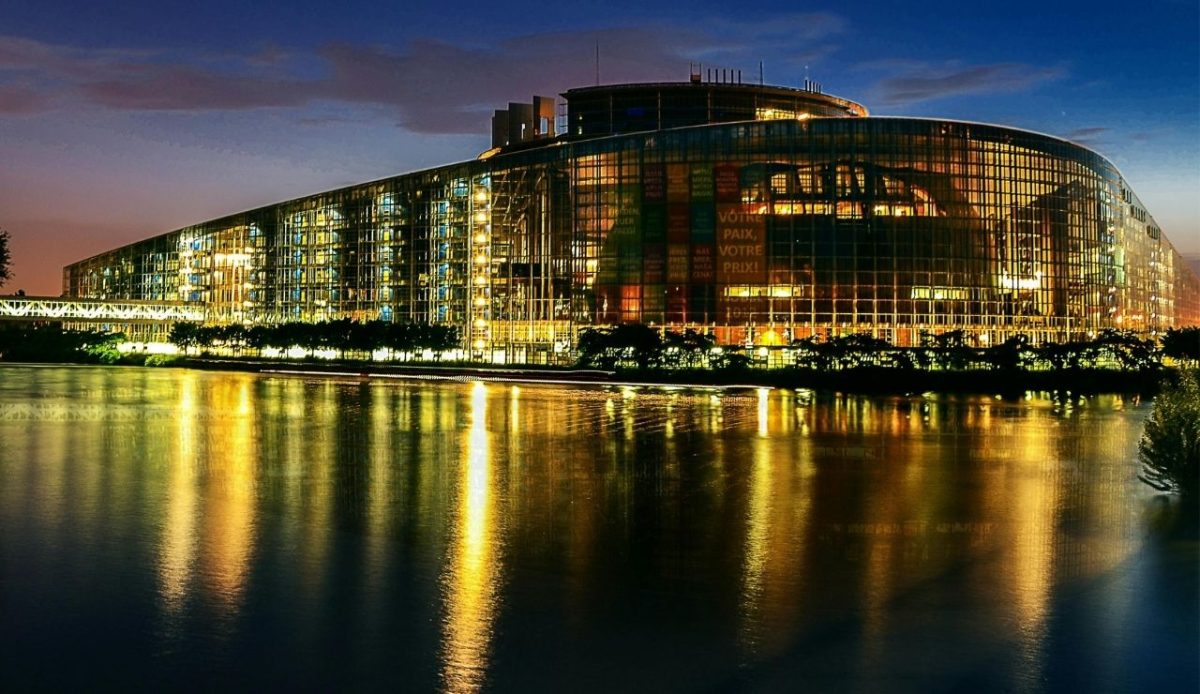
Strasbourg hosts one of the largest winter setups in the country, with a central zone near the cathedral. Dozens of wood cabins offer gingerbread, cheese plates, chocolate drinks, and ornaments. Police and event staff guide people during peak times, and families use gentle-paced child areas. Hotels close to the old town help guests reach stalls early in the morning. A reusable cup system lets visitors refill drinks for less money. Trams run often, so most people skip cars. Tip: check printed guides at the entry, which list restroom points and note kid-focused corners.
2. Colmar, Clustered Market Squares
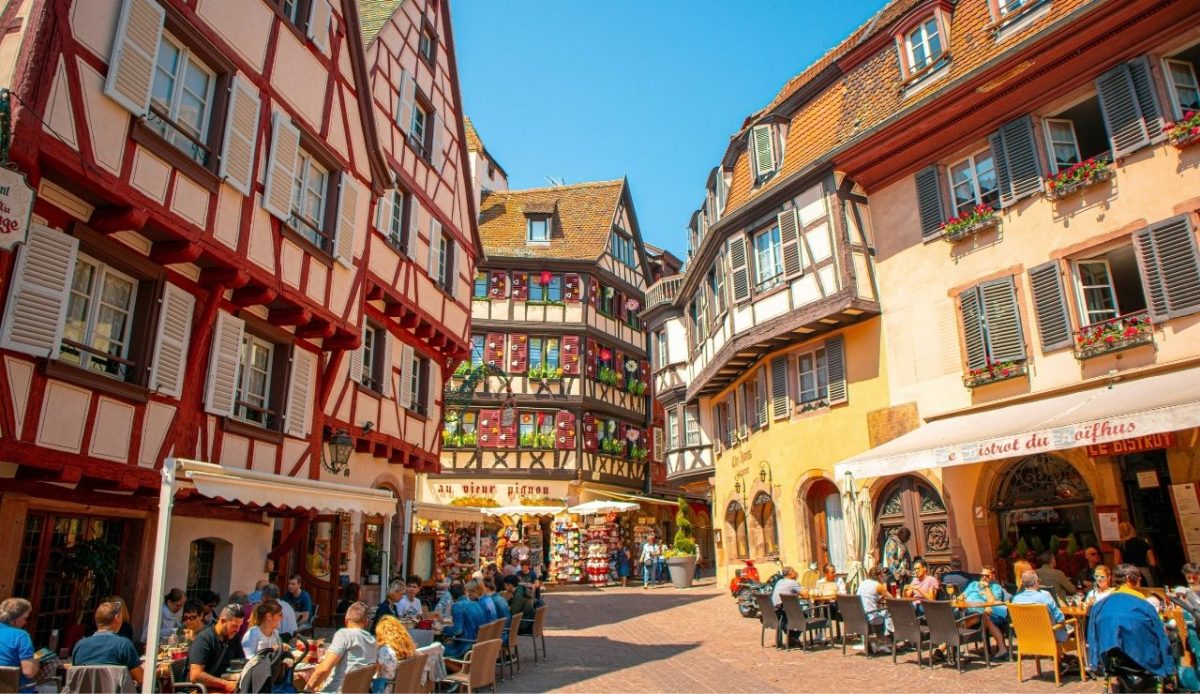
Colmar places several markets in short walking distance, making navigation simple for all ages. Stands serve pretzels, roasted nuts and hot drinks, and vendors sell soaps, puzzles and bakery boxes. Seating spots help parents take breaks, and light displays turn on near late afternoon. Trains and buses work well, avoiding parking problems. The visitor center gives free maps showing restroom areas and good entry points. Travel idea: arrive before lunch, visit food cabins first, then walk again after lights come on. Weekdays bring lighter crowds and smoother movement.
3. Kaysersberg, Small-Town Market
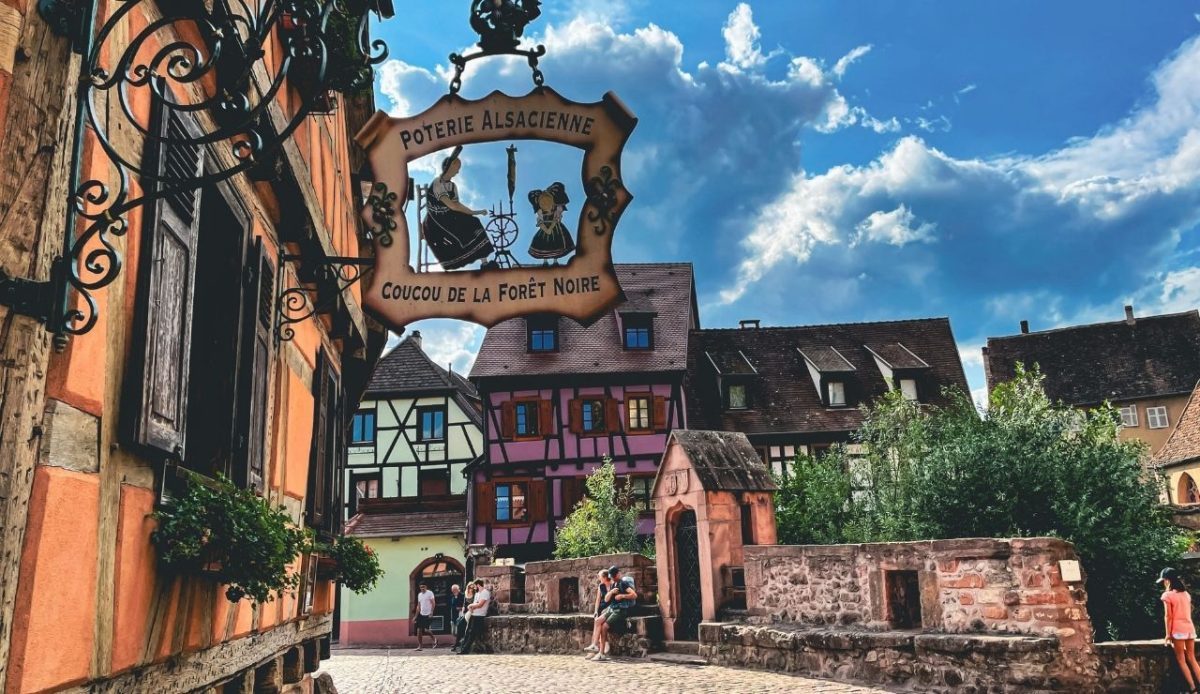
Kaysersberg offers a calm winter event with handmade goods from local bakers, knitters, and woodworkers. Routes have signboards, and staff assist visitors with quick questions. Cafés provide warm soup and bread, and vendors use reusable drink cups to reduce waste. Parking lots remain outside the core, with shuttle service into the town. Many shops close briefly mid-day, so plan visits between late morning and early evening for best access. Travelers who enjoy quiet browsing and real craft sellers prefer this place. Information boards list shuttle times and food corners clearly.
4. Riquewihr, Historic Street Event
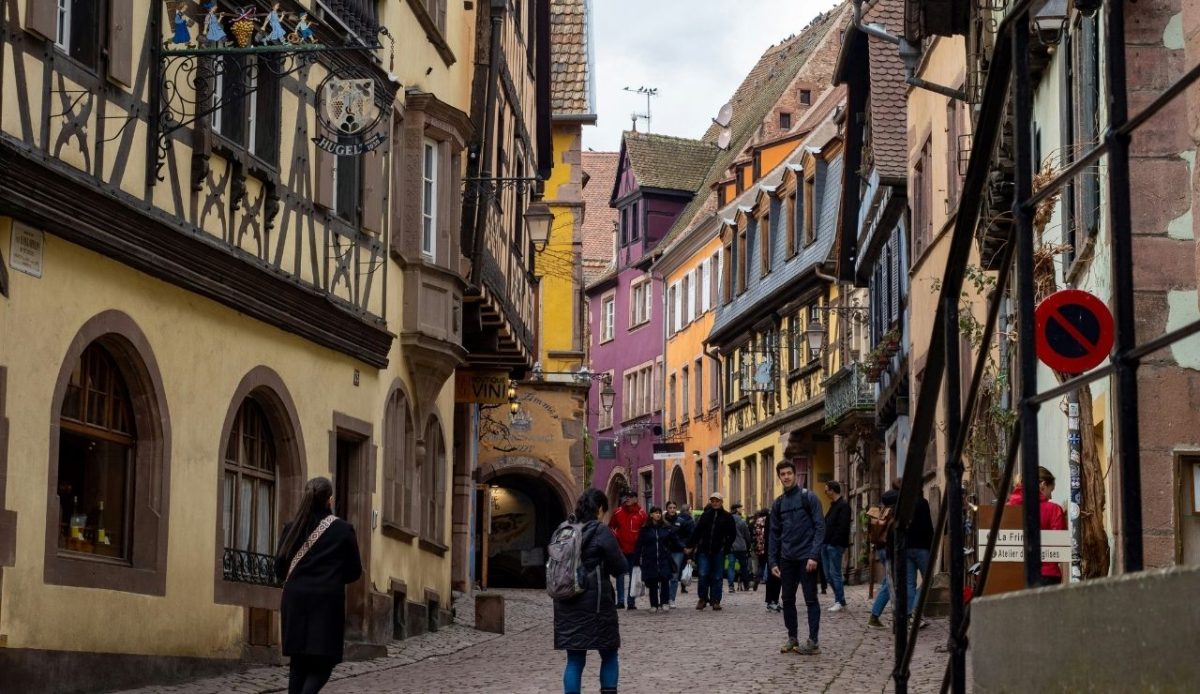
Riquewihr runs its seasonal displays along a narrow main road lined with cabins selling cookies, jam jars, chocolates, and candles. Clear signs show walking flow, and staff help manage lines. Restrooms sit in marked corners, and QR codes share daily program details. Visitors often combine this stop with nearby towns using bus links in the morning. Some cafés along side lanes give a warm space to enjoy snacks and drinks. Strollers move best during early hours when the street feels more open. Keep a small bag for fragile items, as pathways get tight later.
5. Eguisheim, Loop-Style Market
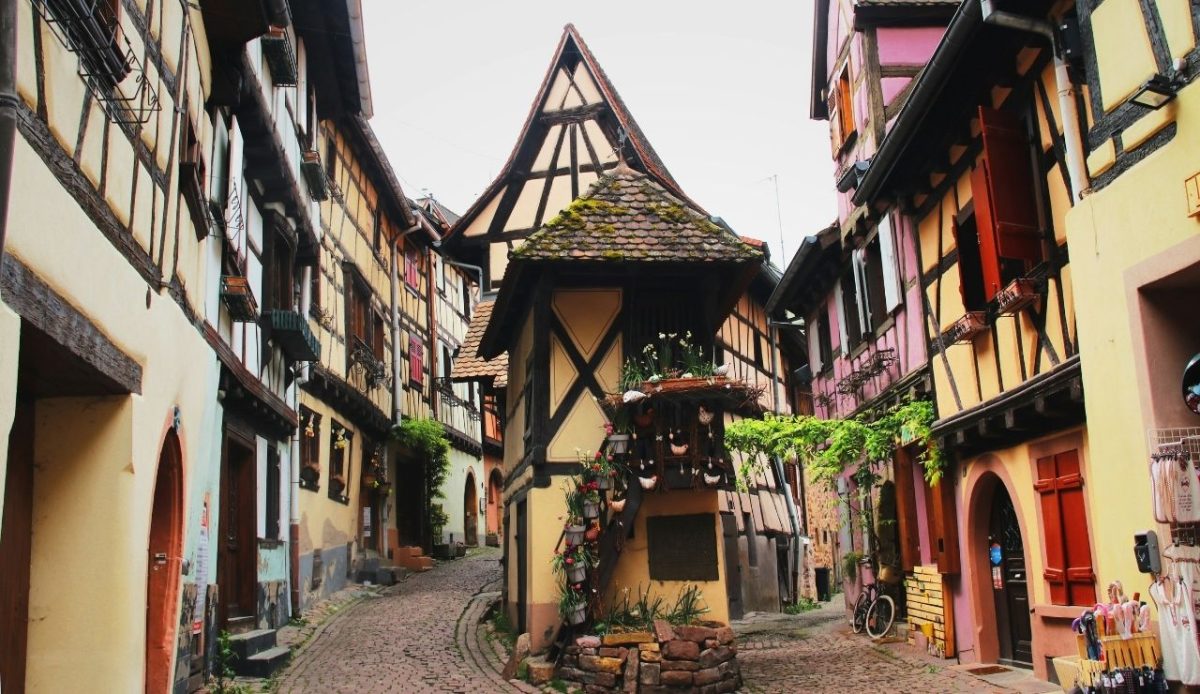
Eguisheim builds its winter path in a simple loop that makes exploring easy. Vendors offer bread, wool scarves, ornaments and warm citrus drinks. Cars park outside the village, and shuttle vans support peak hours. Benches and covered spots give breaks if rain appears. Two-hour visits cover everything at a comfortable pace. Many people bring small cash amounts because some cabins do not take cards. Travel tip: start here early, then continue to nearby villages using short bus trips. Streets remain clear enough for young children, making this a low-stress stop.
6. Metz, Spread-Out City Market
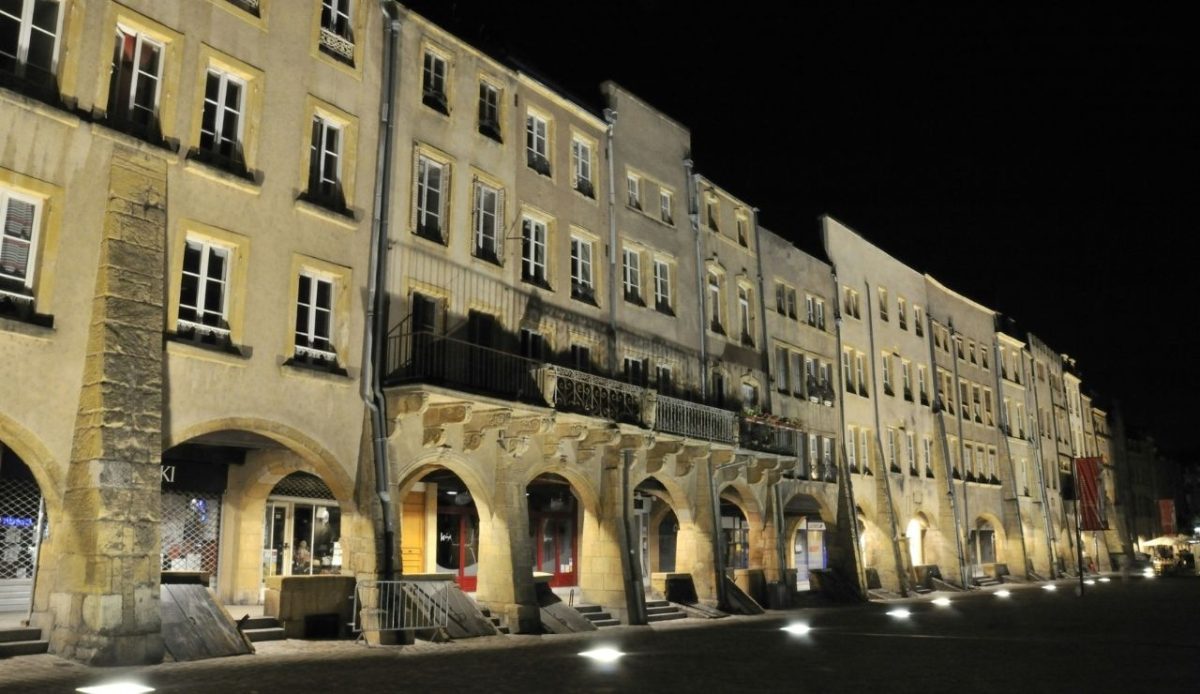
Metz uses several squares linked by walkways, giving guests plenty of room. Food sellers prepare pancakes, tart slices, fruit drinks, and cheese snacks. A Ferris wheel near the station keeps a steady line, and families visit the skating section near the cathedral. Indoor rest points help visitors warm up, and maps mark toilet access and stroller routes. Trains arrive close to market streets, avoiding parking lines. Budget idea: buy combo plates at food stands instead of single items. Printed boards show safety contacts and area rules for easy reference.
7. Mulhouse, Textile-Inspired Layout
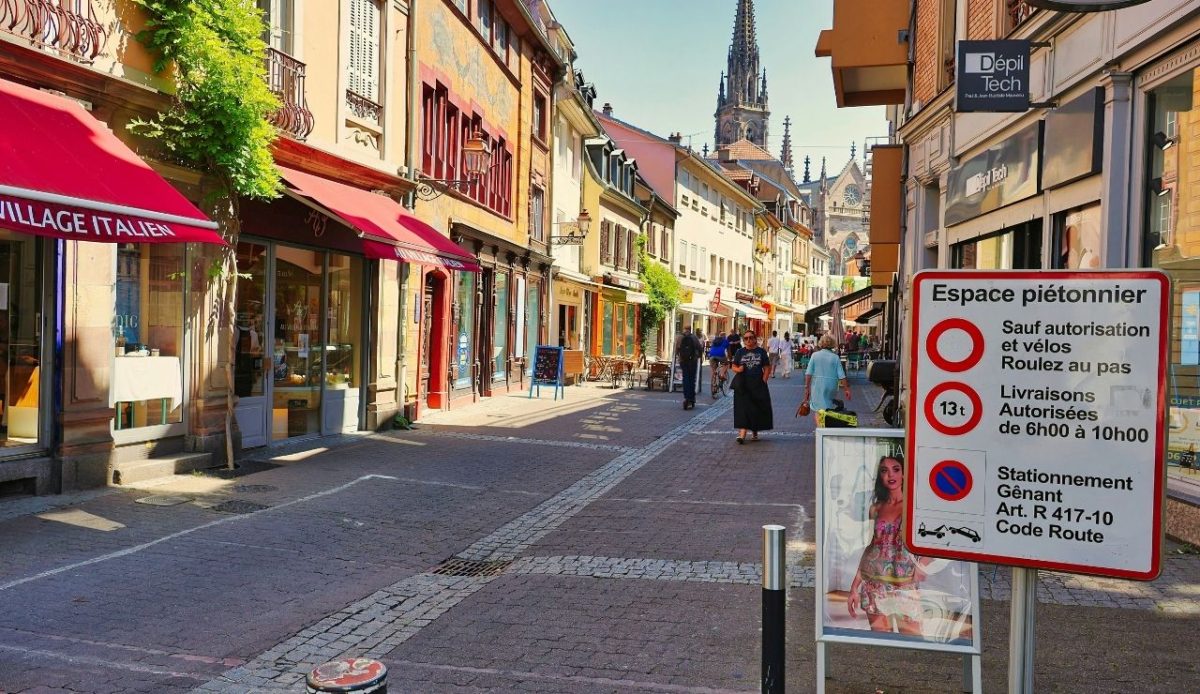
Mulhouse decorates stalls and buildings with printed fabrics tied to the city’s textile story. Food booths serve sausage rolls, pastries, chocolate cups, and punch. Heated tents near the center help children stay comfortable during colder hours. Metro stops and buses bring travelers close to the square. Sellers of scarves, soap bars, and puzzle sets often give early-day bundle prices. Bring a small tote bag to protect fragile souvenirs. Staff keep walkways clear, and information desks post hours, rest areas, and suggestions for nearby bakeries that open early.
