
Getting removed from a plane is not only about yelling or fighting. Airlines and regulators focus on safety, crew authority, and cabin conditions that affect everyone. A traveler can be calm and still be asked to leave if a rule is not followed, or if the airline decides a required condition is not met. These calls usually happen at the gate or during boarding because problems are easier to fix on the ground. The rules below describe specific triggers that carriers enforce even when passengers are behaving normally. Knowing them reduces surprises.
1. Refusing A Crew Instruction Even Politely
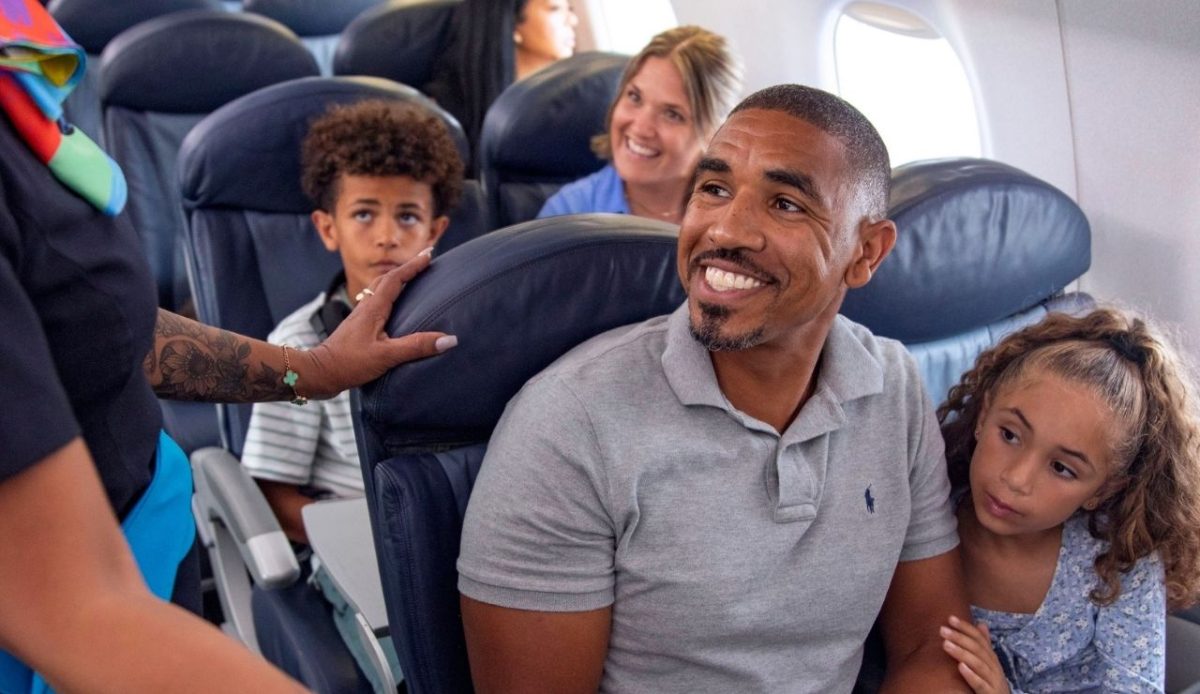
Crew instructions are not optional, even when delivered casually. If a flight attendant tells you to buckle up, put a laptop away, return to your seat, or stop using a device, refusing can lead to deplaning. The issue is not your tone; it is compliance with safety procedures and the crew’s duty to keep the cabin orderly. Airlines often act fast because one refusal can slow boarding, delay pushback, and raise concerns about cooperation during taxi, takeoff, turbulence, or an evacuation. If you disagree, ask, but comply first. A quiet no can be enough.
2. Not Complying With Carry-On Stowage Rules
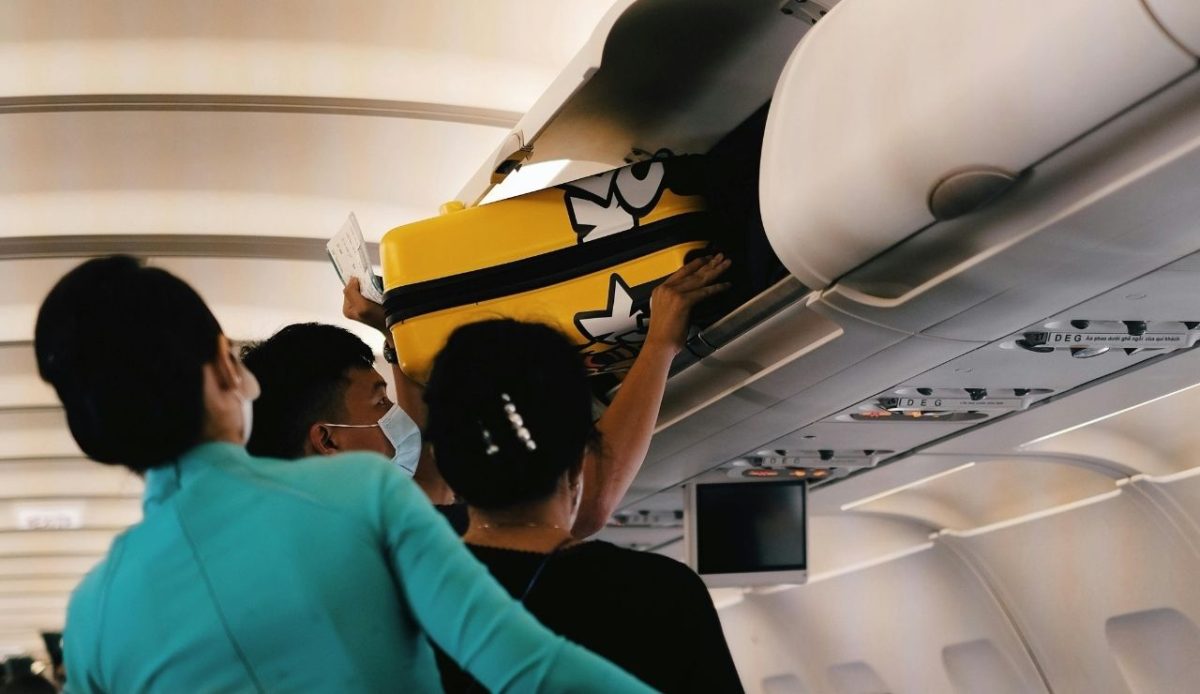
Carry-on rules are enforced because loose items can injure people and block exits. If your bag is too large, you may be told to gate check it or move it under the seat. When a passenger refuses, even politely, the crew may stop the boarding flow and request removal. The problem is not the bag itself; it is the refusal to follow stowage directions that protect aisle space and overhead bins. Airlines also act to prevent delays that can cause missed slots and missed connections. This includes placing coats and small items where instructed, keeping the floor clear, and closing bin doors before departure. Calm disagreement can still end the trip.
3. Sitting In An Exit Row Without Meeting Requirements
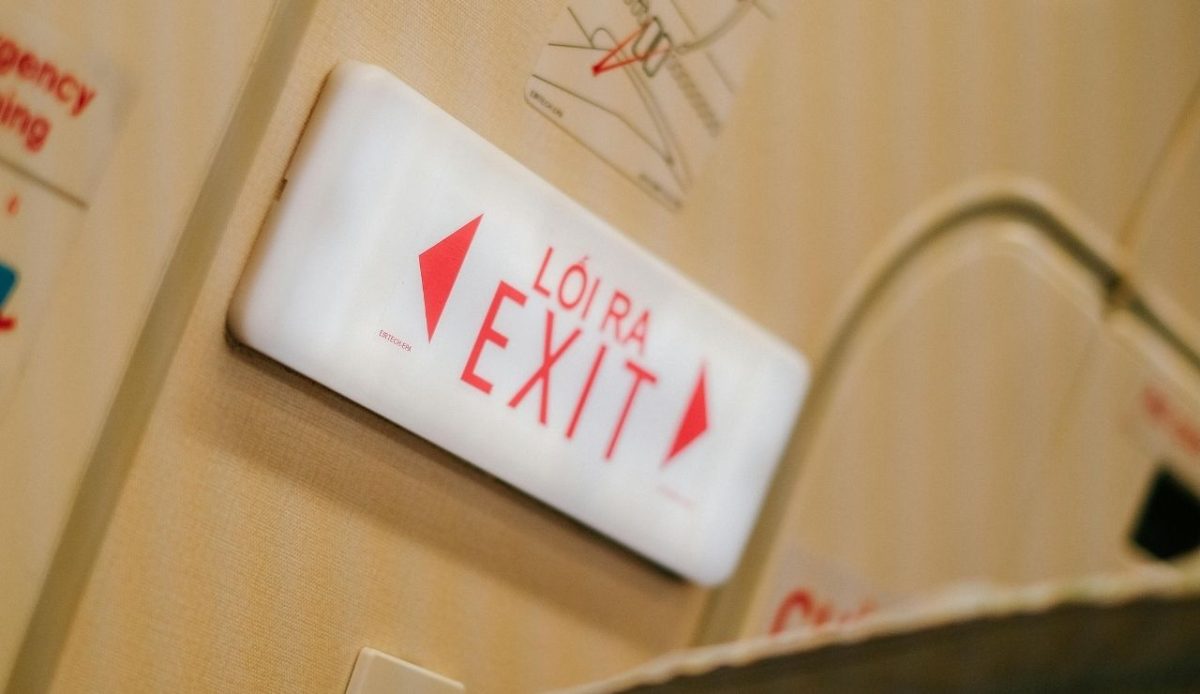
Exit row seats carry specific requirements that airlines must verify. You must be willing to help, able to lift and move the exit, and able to understand spoken instructions. If you say you cannot assist, need a seatbelt extender that blocks access, or cannot understand the briefing, you will be reassigned. If you refuse the new seat, removal can follow even without arguing. The airline is protecting evacuation readiness because one unqualified person can slow an entire row during an emergency. Age limits and mobility limits may apply, and crew judgment is used on the spot. The rule is about capability, not courtesy.
4. Creating A Hygiene Or Odor Issue

Airlines list strong odor or hygiene conditions as reasons to refuse transport when nearby passengers are affected. This can include body odor, heavy perfume, or clothing that is clearly soiled, and it does not require any disruptive act. The crew may receive complaints, decide that reseating will not fix the problem, and ask a supervisor to intervene. Removal is more likely on full flights where distance cannot be created. Some policies mention exceptions tied to disability or illness, yet the airline may still decide the cabin cannot accommodate it. Handling it before takeoff limits conflict later.
5. Drinking Alcohol Not Served By The Airline

Bringing mini bottles from duty-free or a store is allowed on many routes, but drinking them on the aircraft is not. Alcohol must be served by the airline so intake can be monitored and service can be stopped when needed. A quiet passenger who opens personal alcohol may be warned, and refusal to stop can trigger removal before departure. Crews treat this as a compliance issue because it can lead to intoxication risks and arguments later in flight, even if none have started yet. On some flights, it is reported to the captain and gate staff, since once airborne, the crew has fewer options to resolve it.
6. Smoking Or Vaping In A Lavatory
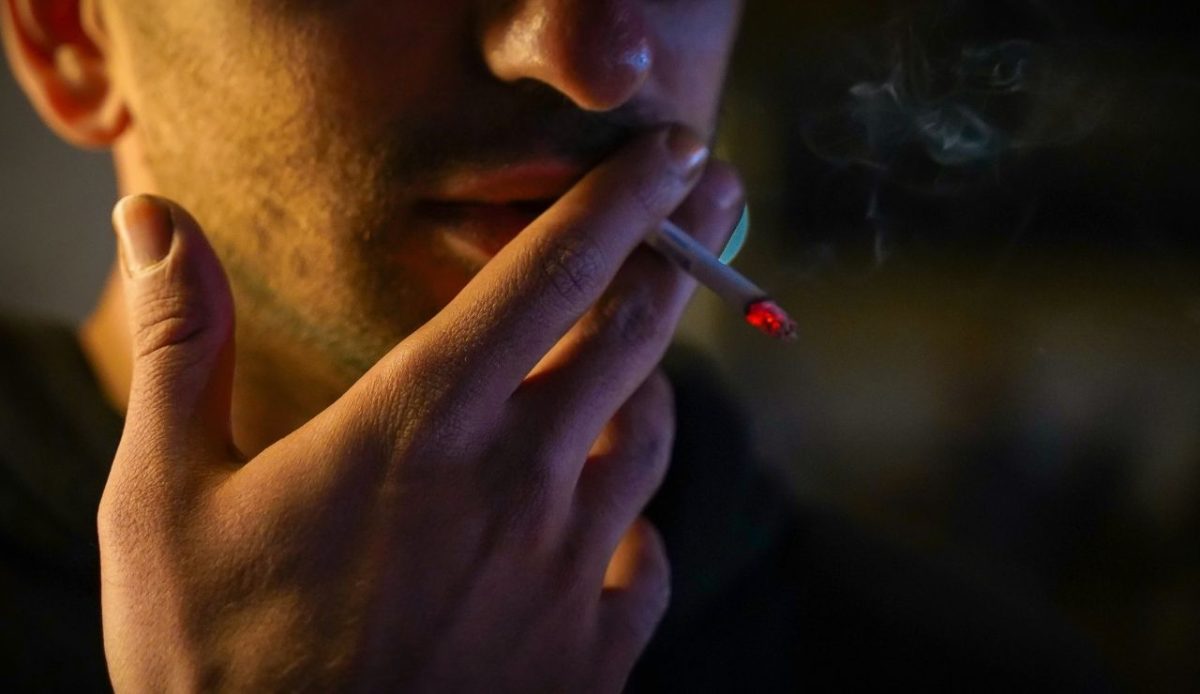
Smoking and vaping are prohibited on commercial flights, and the ban is enforced even when a person tries to be discreet. Using an e-cigarette in a lavatory often sets off a detector or is noticed by smell, and one report can lead to immediate removal. Airlines react strongly because the fire risk in flight is severe and difficult to manage. The passenger may be met by supervisors or law enforcement at the gate, and the trip can end before takeoff without any other incident. Even holding a device that produces vapor can prompt action if the crew believes it was used. Policies typically allow removal without multiple warnings.
7. Being Unable To Sit With A Seatbelt Fastened
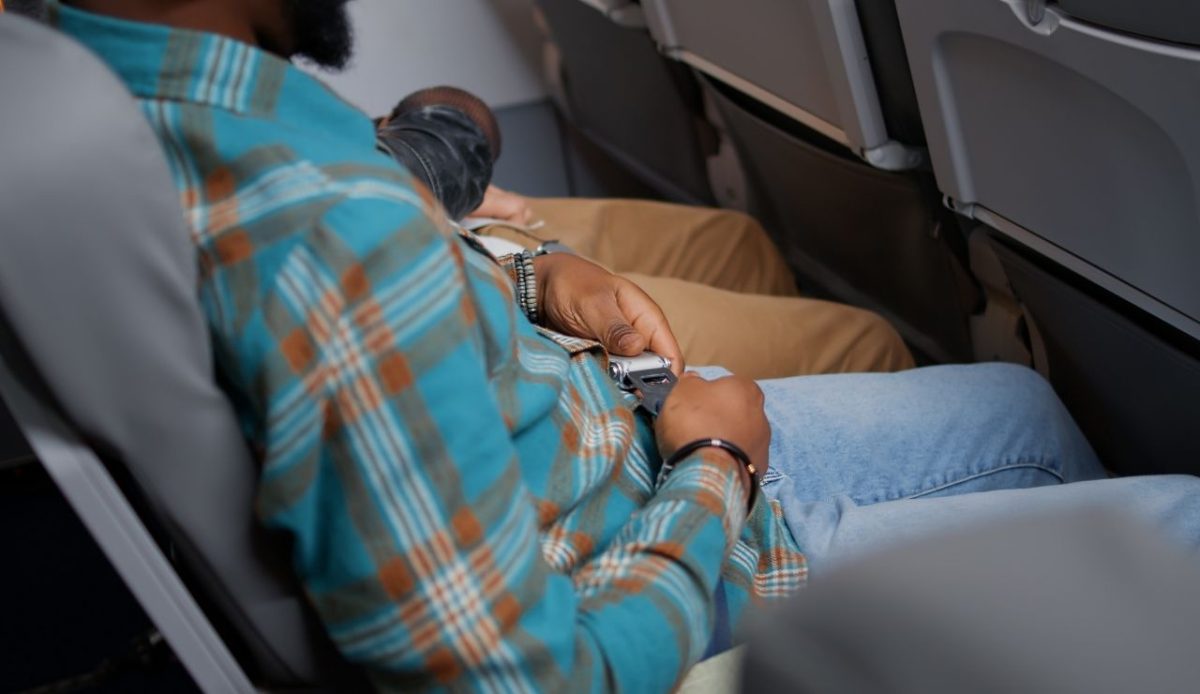
Airlines may require that each passenger sit in their assigned seat with the seatbelt fastened for taxi, takeoff, and landing. If that condition cannot be met, the airline may deny boarding or request deplaning before departure. The decision can involve seat configuration, armrest position, and the need to keep aisles clear for evacuation. It can feel personal, yet it is handled as a safety and equipment fit issue. Gate agents may offer rebooking options, but the flight can leave without you. In some cases, an extra seat or a different cabin may solve it, but if arrangements are not available today, removal can occur without any conflict.
