
The Seven Wonders of the Ancient World have captivated imaginations for centuries, standing as testaments to human ambition and creativity. Yet beyond their beauty, each wonder carries mysteries, innovations, and stories that still fascinate historians today. From engineering marvels to cultural significance, these wonders reveal secrets about civilizations that shaped our world. Though most have vanished, their legacies endure, offering insight into how ancient societies achieved feats still admired in modern times. Here are seven secrets behind these legendary wonders.
1. Hanging Gardens of Babylon, Iraq
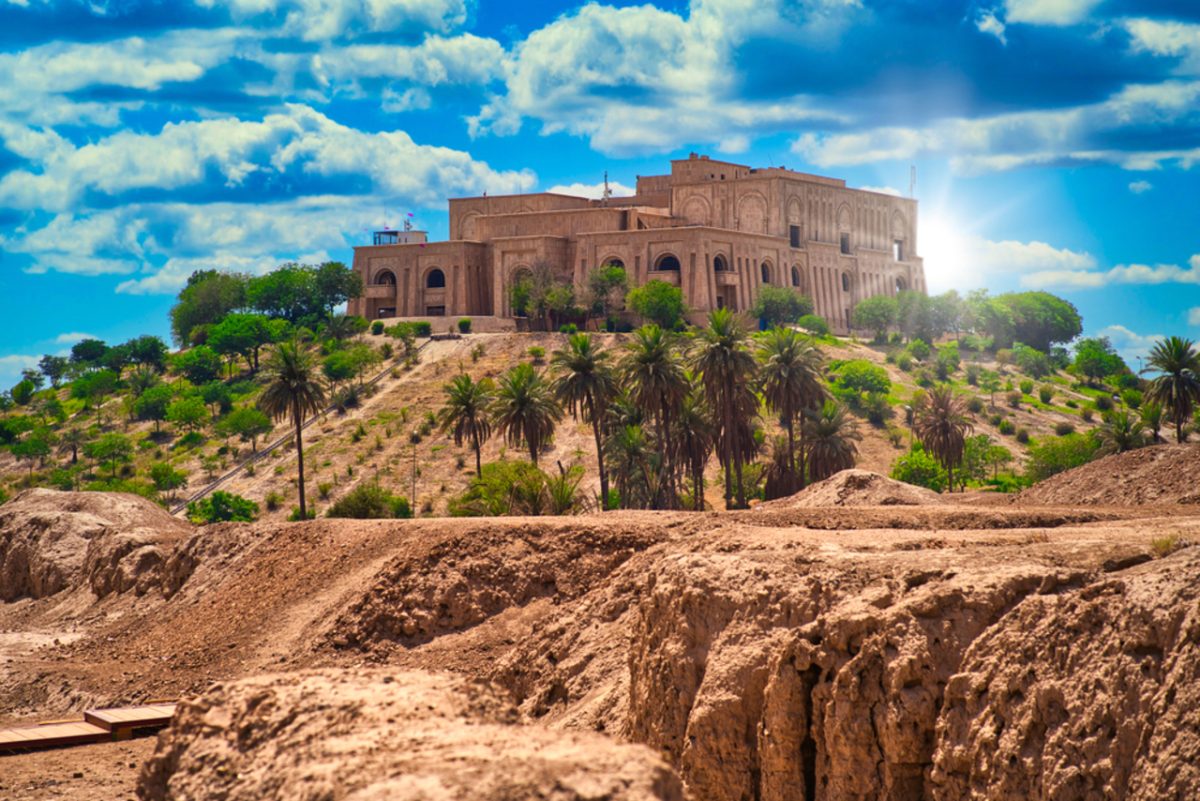
The Hanging Gardens are perhaps the most mysterious wonder, as no definitive archaeological evidence confirms their existence. Ancient writers described lush terraces of greenery and waterfalls rising high above Babylon, said to have been built by King Nebuchadnezzar II for his queen. Some historians suggest they may have been located in Nineveh instead, adding to the debate. Whether legend or reality, the gardens symbolize human ingenuity in creating beauty and comfort in one of history’s harshest environments.
2. The Great Pyramid of Giza, Egypt
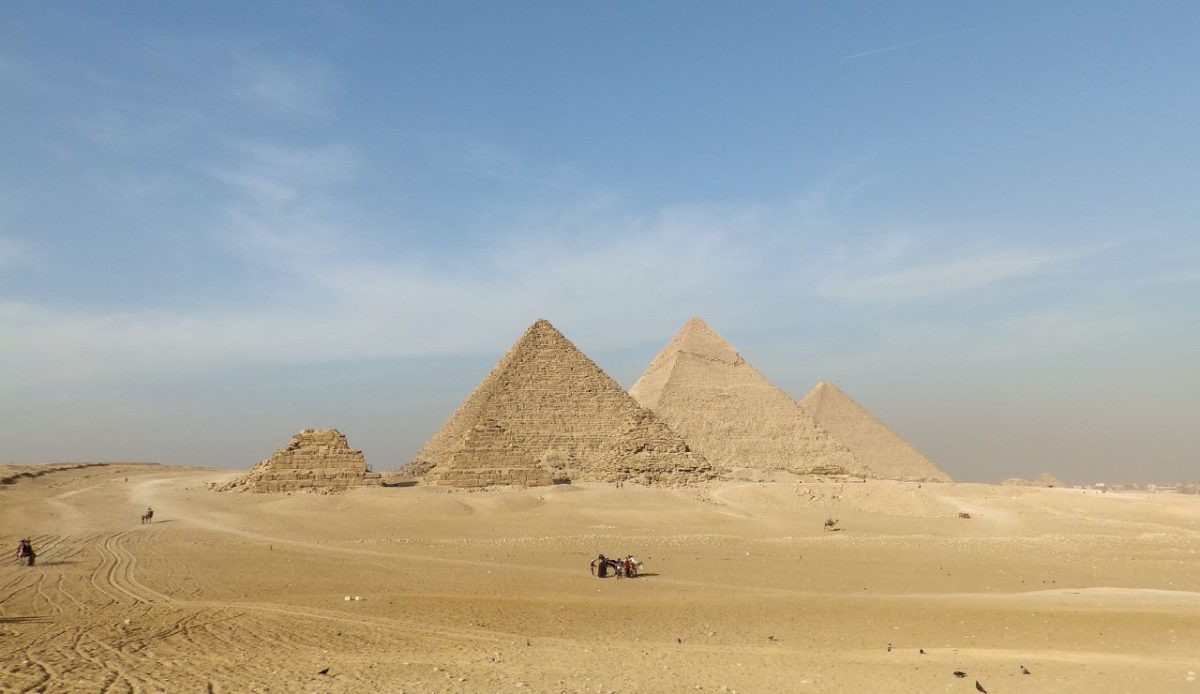
The Great Pyramid remains the only surviving ancient wonder, and its construction continues to puzzle experts. Built around 2560 BC, it consists of over two million limestone blocks, each weighing tons, yet placed with remarkable precision. Theories range from ramps to ingenious counterweight systems, but no definitive method has been proven. Alignments with celestial bodies suggest a deeper connection to astronomy and spirituality. This mix of engineering skill and cosmic symbolism is why the pyramid still inspires awe today.
3. Statue of Zeus at Olympia, Greece
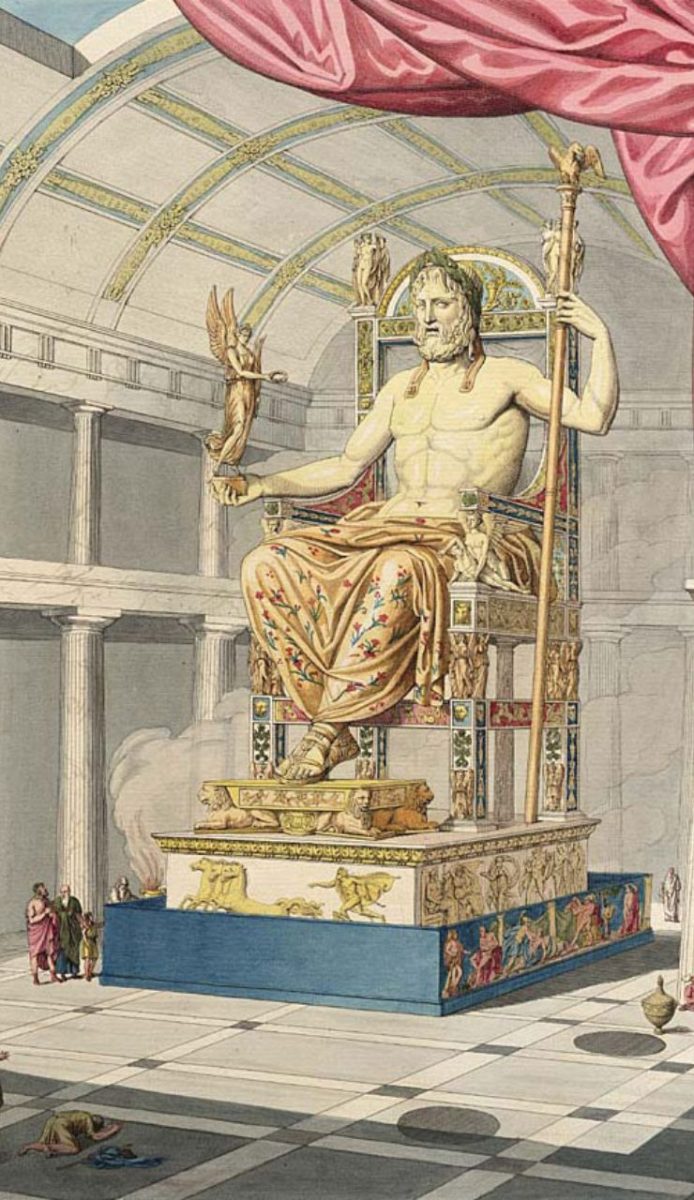
Crafted by the renowned sculptor Phidias around 435 BC, the Statue of Zeus stood nearly 40 feet tall, made of ivory and gold-plated bronze. Beyond its sheer scale, its intricate craftsmanship symbolized divine power and Greek artistry at its peak. The statue sat in a temple designed to inspire awe during the Olympic Games, but it was eventually lost to fire or theft. Its reputation for grandeur lives on, reminding us of the artistry and devotion of ancient Greece.
4. Temple of Artemis at Ephesus, Turkey
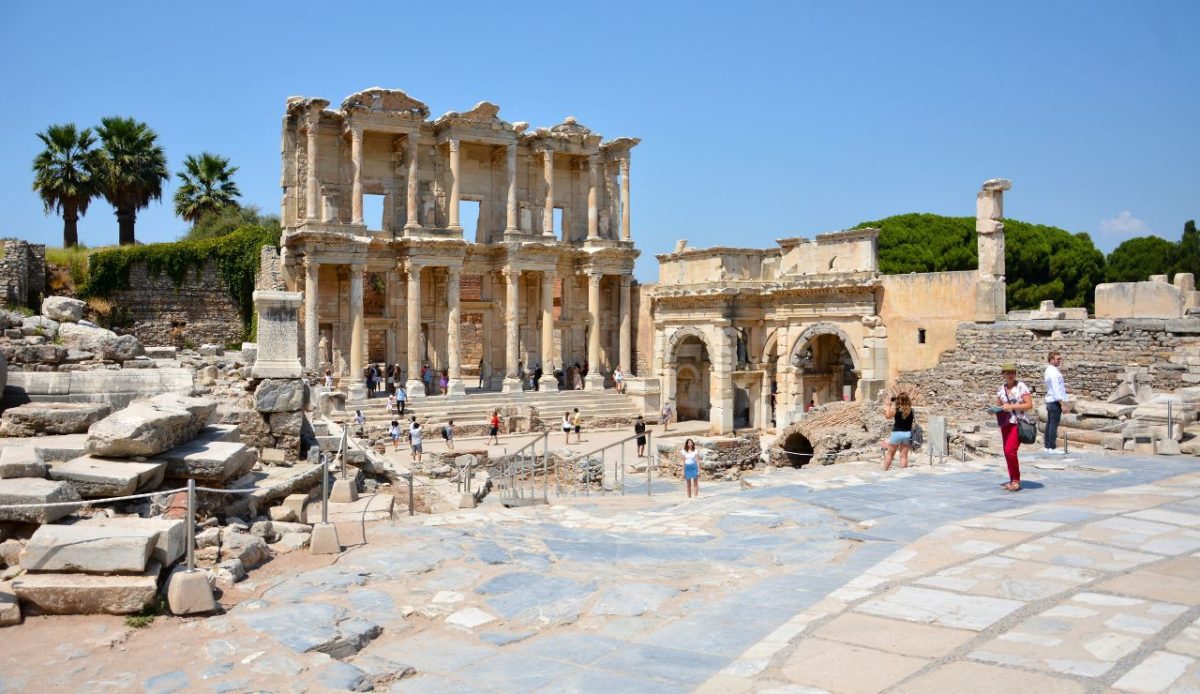
The Temple of Artemis was rebuilt multiple times, each version more magnificent than the last. Its final form, completed in 550 BC, was four times larger than the Parthenon and featured 127 massive columns. More than a religious site, it was also a cultural hub, attracting merchants, artists, and pilgrims. Its destruction by arson and later invasions erased much of its glory, but the temple’s scale and influence reveal how central it was to both faith and community life.
5. Mausoleum at Halicarnassus, Turkey
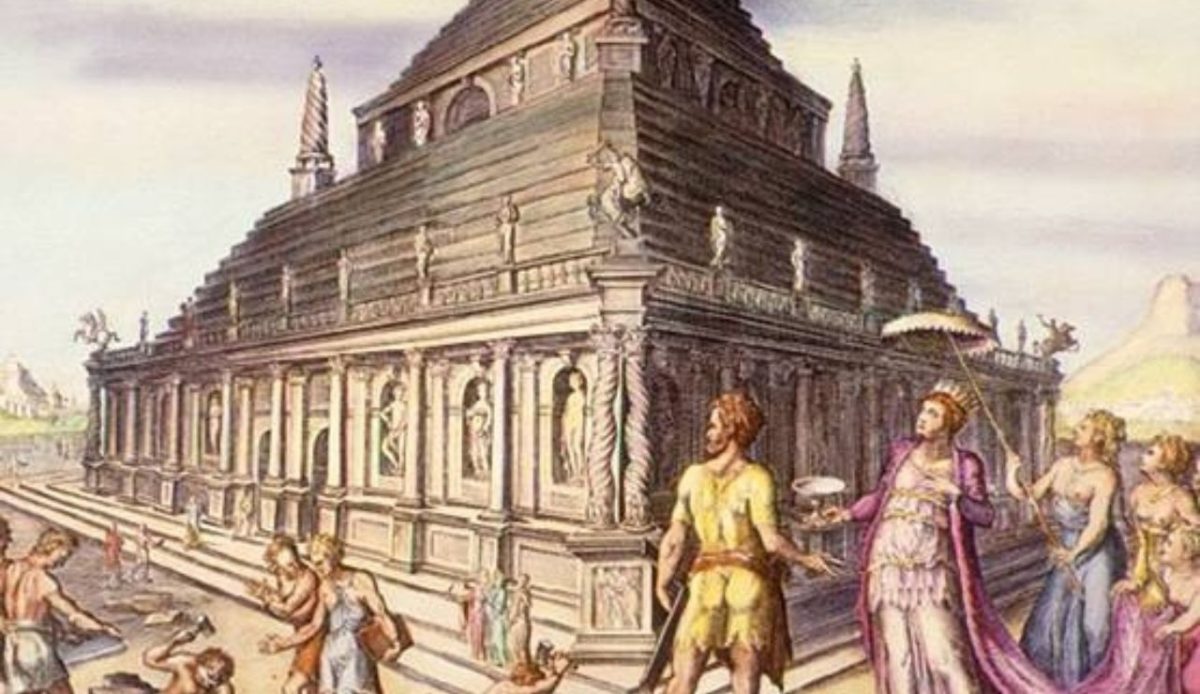
Built as a grand tomb for Mausolus, a Persian satrap, the Mausoleum at Halicarnassus gave rise to the very word “mausoleum.” Completed around 350 BC, it blended Greek, Egyptian, and Lycian architectural styles, showcasing cultural exchange in the ancient world. Standing nearly 150 feet tall, it was adorned with elaborate sculptures that made it both a burial site and a work of art. Though destroyed by earthquakes, its legacy survives in the monuments that borrowed inspiration from its design.
6. Colossus of Rhodes, Greece
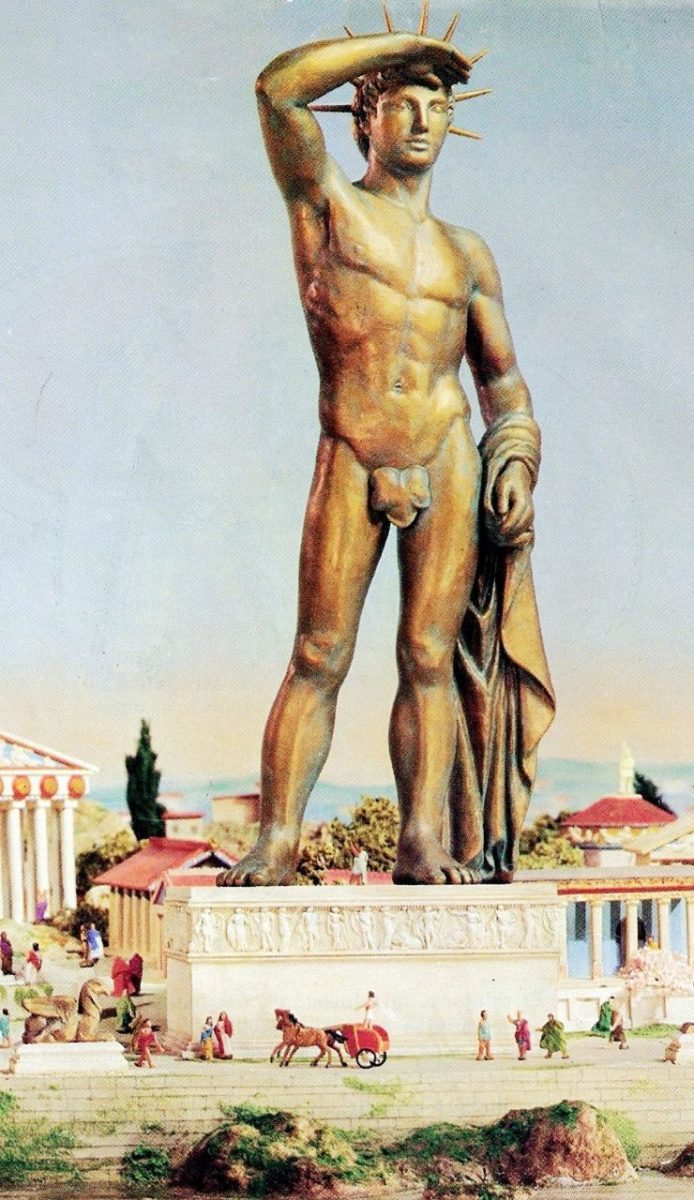
The Colossus of Rhodes was a towering bronze statue of the sun god Helios, built to celebrate the island’s victory over invaders around 280 BC. Rising over 100 feet, it was one of the tallest statues of the ancient world. Though it stood for only 56 years before an earthquake toppled it, its legend endured. Myths suggested it straddled Rhodes’ harbor, though most scholars believe it stood nearby. Its story illustrates both ambition and the fragility of great achievements.
7. Lighthouse of Alexandria, Egypt
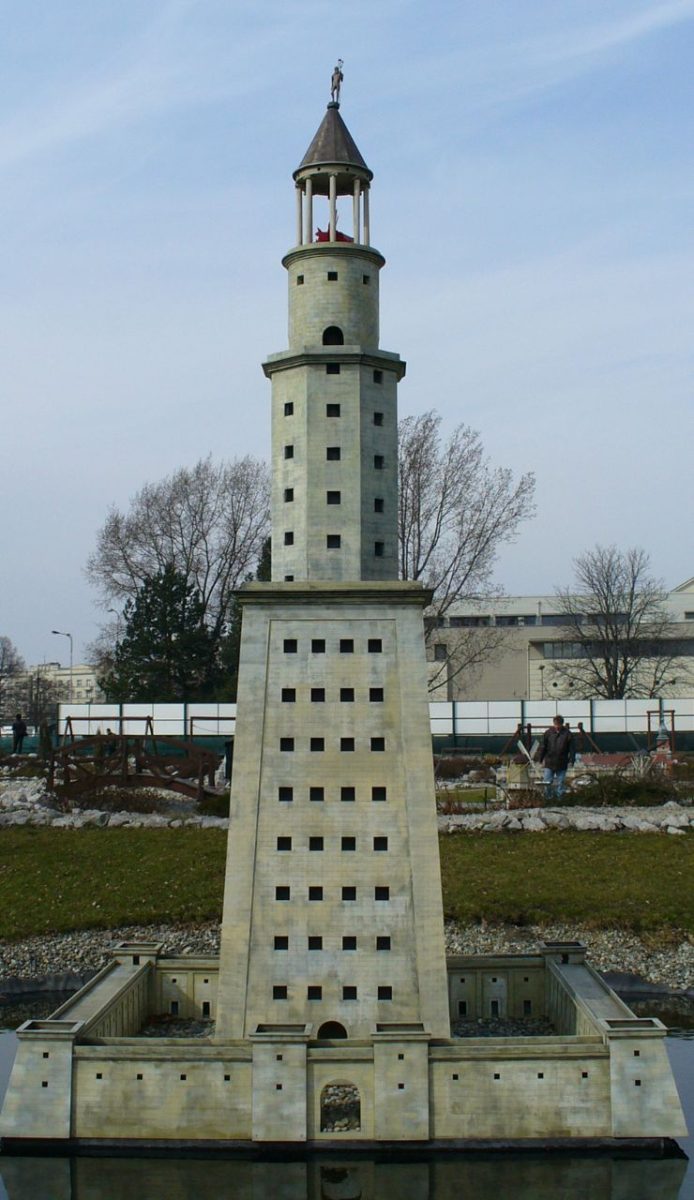
The Lighthouse of Alexandria, or Pharos, was one of the tallest structures of its time, guiding ships safely into the harbor with fire and polished bronze mirrors. Estimated to stand up to 400 feet, it symbolized both engineering brilliance and the importance of Alexandria as a maritime hub. Though earthquakes eventually reduced it to ruins, its legacy lives on in the very word “pharos,” meaning lighthouse. It was more than a beacon; it was a marvel of ancient innovation.
