
European cities with dense historic cores are tightening rules on big guided groups to reduce bottlenecks, noise, and wear on streets and monuments. Limits often target the oldest districts where pavements are narrow, and residents still live above the shops.
Restrictions vary: some cap group size, others require permits in specific zones, ban amplification, or control entry through timed slots. Most policies still allow small groups and private guides, but they push operators to spread out.
Below are seven cities where public rules or site controls are reshaping how tours move through heritage areas, and what that means if you’re joining a walk or hiring a guide.
1. Venice, Italy
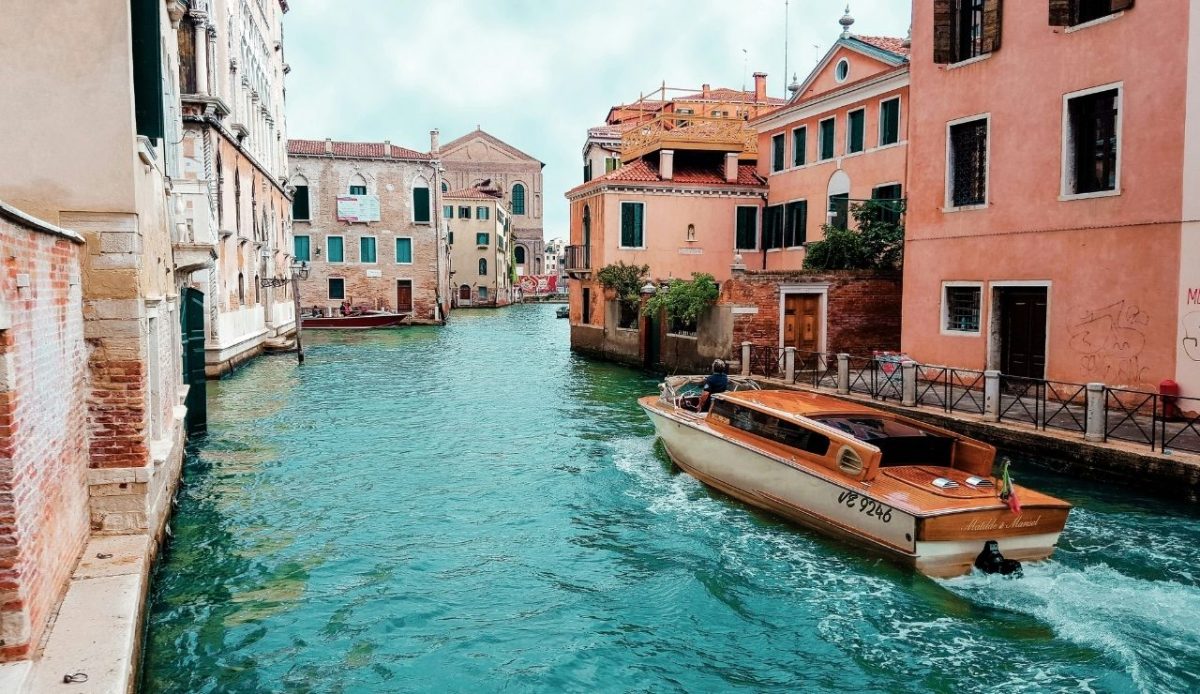
Venice has moved to reduce congestion in its historic center by capping organized tour groups and discouraging “follow-the-flag” crowds on bridges and tiny lanes.
The city set a maximum group size of 25 for guided parties and also restricts the use of loudspeakers, aiming to cut noise and make it easier for locals and emergency services to move.
For visitors, the change is mostly about pacing: expect more split groups, more headset systems, and routes that rotate between quieter campos, back canals, and nearby islands instead of stacking everyone into the same photo stops at the same time, especially mid-day in summer too.
2. Amsterdam, Netherlands
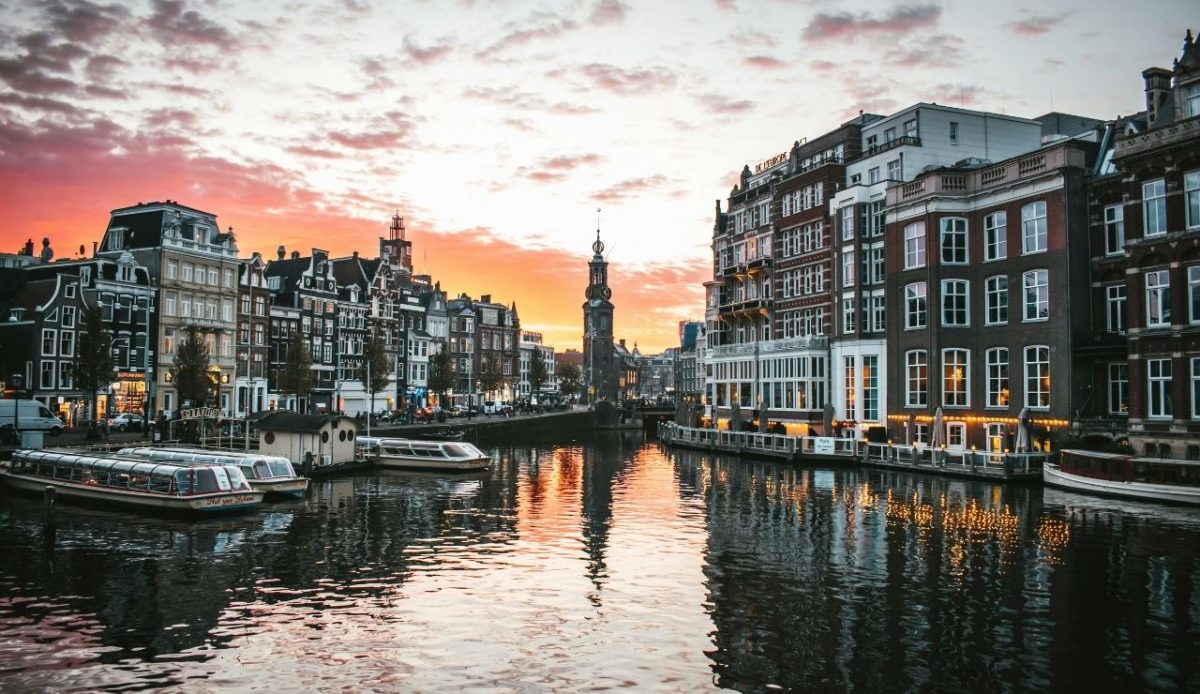
In Amsterdam’s medieval center, the tightest controls focus on guided tours in the busiest streets, where noise and crowding can spill into doorways, tram stops, and residential alleys.
In designated central areas, guides need an exemption for groups larger than four, and tours above 15 people aren’t permitted. Routes are also constrained so groups don’t linger in sensitive stretches, and tours must finish by late evening.
For travelers, it means “walking tour” often equals a genuinely small group. If you’re booking privately, expect guides to steer you toward wider canals or less crowded neighborhoods for longer explanations.
3. Barcelona, Spain

Barcelona has targeted its oldest quarter, Ciutat Vella, where narrow lanes around the cathedral and waterfront plazas can quickly fill when multiple groups stop to listen at once.
City rules have limited guided groups in the district to 20 people and also manage how many groups can occupy certain hotspots at the same time. The goal is to reduce standstill crowds and keep resident access to shops, doorways, and transit.
For visitors, tours may feel more “on the move.” Guides often shorten stop times, choose wider squares, and shift storytelling to quieter blocks just outside the densest pinch points during peak weekends.
4. Bruges, Belgium
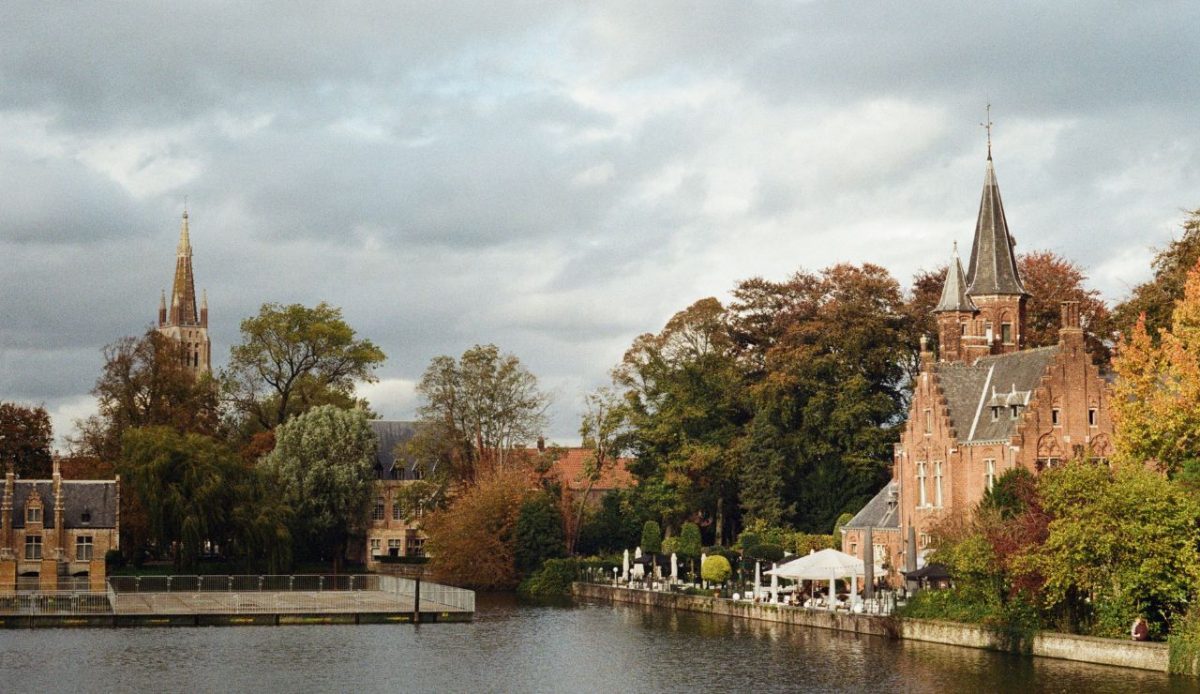
Bruges’ historic center is compact, so one oversized group can block bridges and corners in seconds, especially when guides stop to talk on the narrowest streets.
From 1 March 2026, the city’s by-law for organised tourist walks caps walking tour groups at 20 participants and prohibits sound amplification. It also sets expectations on where groups can pause, pushing guides to keep traffic flowing.
For travelers, the experience becomes calmer and more local: smaller circles around the guide, fewer booming explanations, and more time spent walking rather than standing in the middle of a lane. If you’re in a bigger party, you’ll likely be split into two time slots.
5. Dubrovnik, Croatia
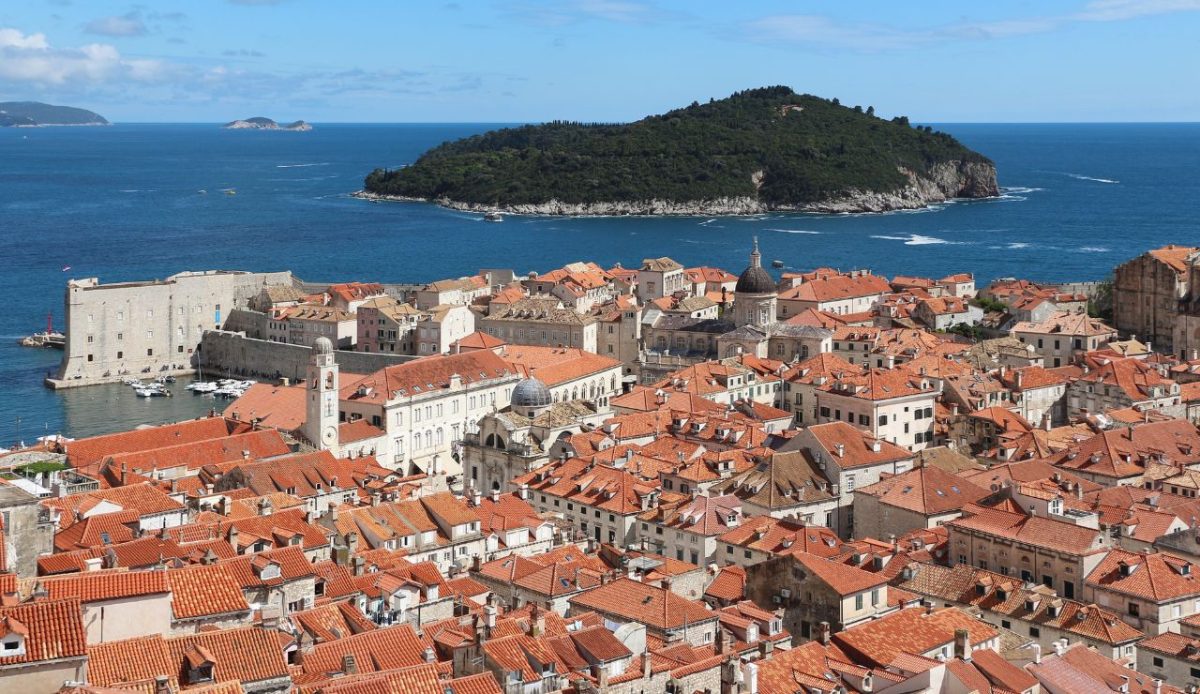
Dubrovnik’s walled Old Town concentrates visitors through a handful of gates, so crowd pressure shows up fast on the main street and along the ramparts.
To protect the UNESCO-listed core, the city has used monitoring at entrances to track how many people are inside the walls. When counts rise, entry can be slowed, and at extreme crowd levels, the city has moved to restrict organised groups from entering.
For visitors, the biggest change is timing. Early morning and late afternoon walks are smoother, while mid-day tours may be rerouted, delayed, or encouraged to wait outside until the lanes clear. Cruise days are usually the crunch.
6. Athens, Greece
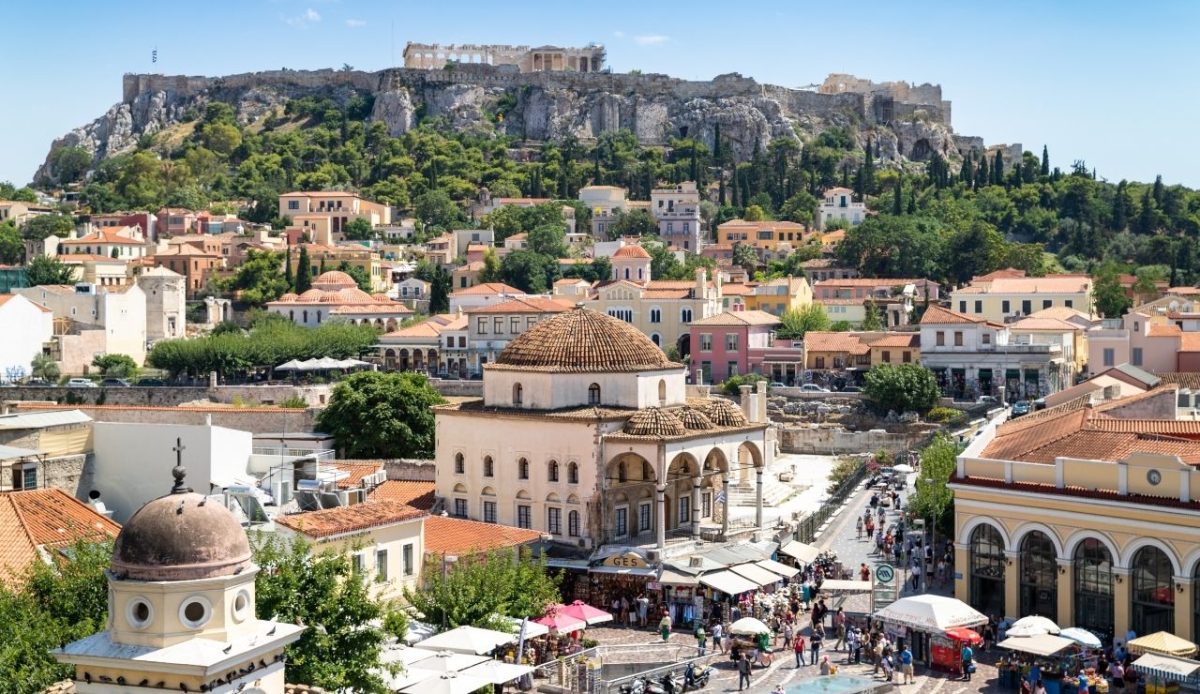
Athens has tightened visitor management at its most crowded historic draw, the Acropolis, where the paths and stairways were never built for modern surges of tour buses.
Timed-entry and hourly caps have been used to spread arrivals across the day, reducing the “everyone shows up at 10 a.m.” effect that can turn a guided visit into a slow shuffle. Some premium options also keep groups very small by design.
For travelers, planning matters more than spontaneity. Booking a slot, arriving on time, and choosing cooler shoulder hours can make the difference between a meaningful walk among ruins and a stop-and-go queue in summer.
7. Prague, Czechia
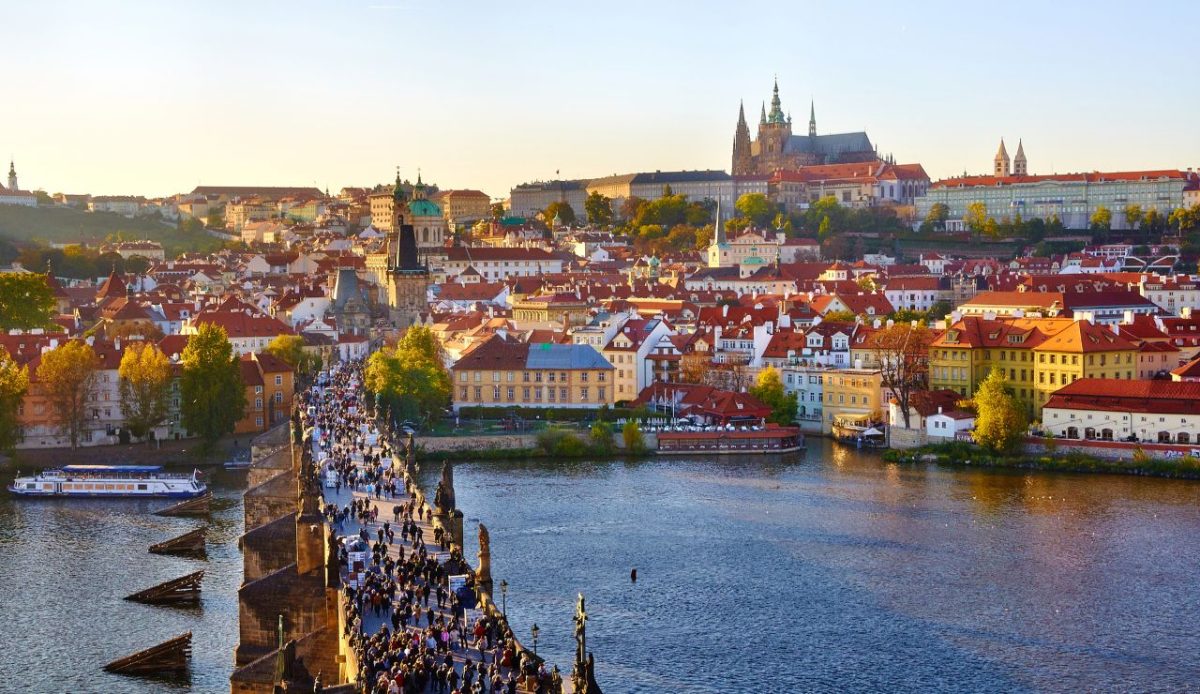
Prague’s historic core around Old Town Square and the City Hall complex draws dense walking tours, and the city has placed tighter controls on guided access to some landmark interiors.
Visitor rules for key sites, such as the Old Town Hall, set maximum group sizes and can require large parties to be split and timed in waves. Some tours are only permitted with guides arranged by the site operator, limiting how big a single guided block can be.
For visitors, this often means shorter interior segments but a better flow overall. If you want long explanations, guides usually save them for courtyards, wider streets, or riverside viewpoints.
