
For many U.S. citizens, a passport book is not required on certain closed-loop cruises that leave from and return to the same U.S. port. Instead, lines may accept a state-certified birth certificate and a government photo ID, or a passport card for easier processing. Names must match the booking, and some guests may need a marriage certificate or court order for a change. Minors often need original birth records, and notarized consent can be requested when one parent is absent. Because a medical flight home usually demands a passport book, travelers should weigh that risk before sailing. Copies should be carried and stored separately.
1. Bahamas Closed Loop Cruises
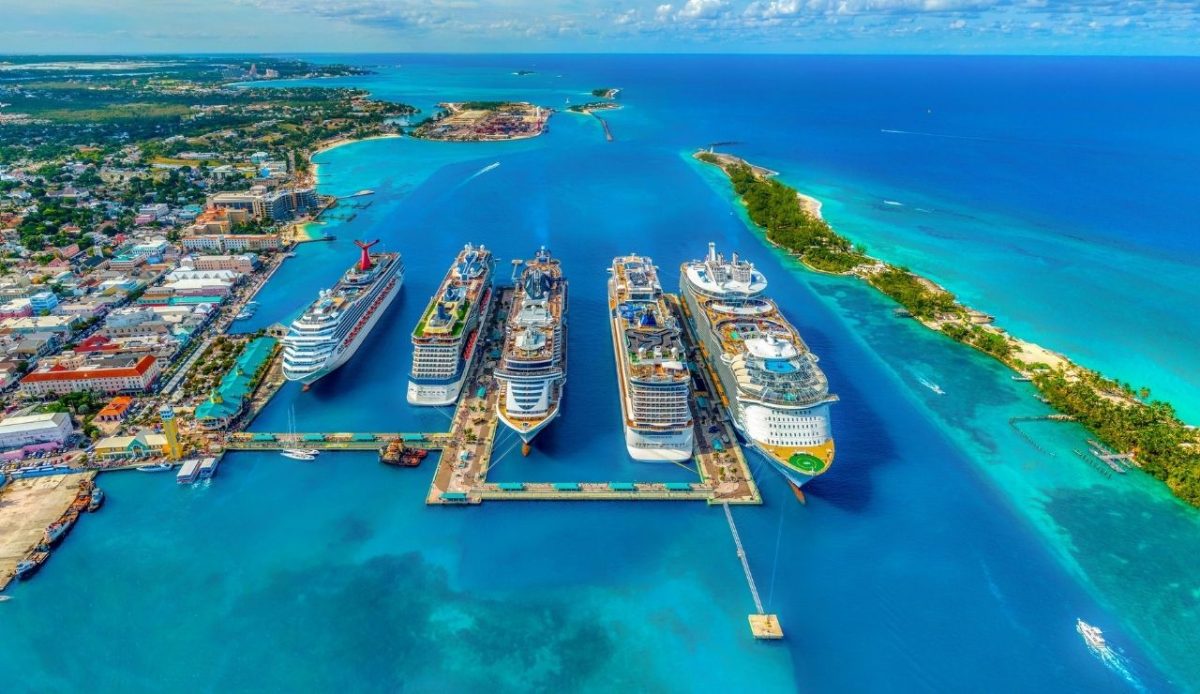
Bahamas itineraries are the easiest match for passport-free cruising because many operate as three to five-night round trips from Florida. Ships commonly sail from Miami, Fort Lauderdale, or Port Canaveral to Nassau, Freeport, or a private cay, then return to the same pier. Check-in staff will usually accept a certified U.S. birth certificate with a raised seal plus a driver’s license. If the stop includes Great Stirrup Cay or CocoCay, shore time is simple, yet passengers should still carry photo ID when leaving the ship. Short sail times mean more hours in port, and seas are often calmer outside hurricane season.
2. Bermuda Round Trip Cruises
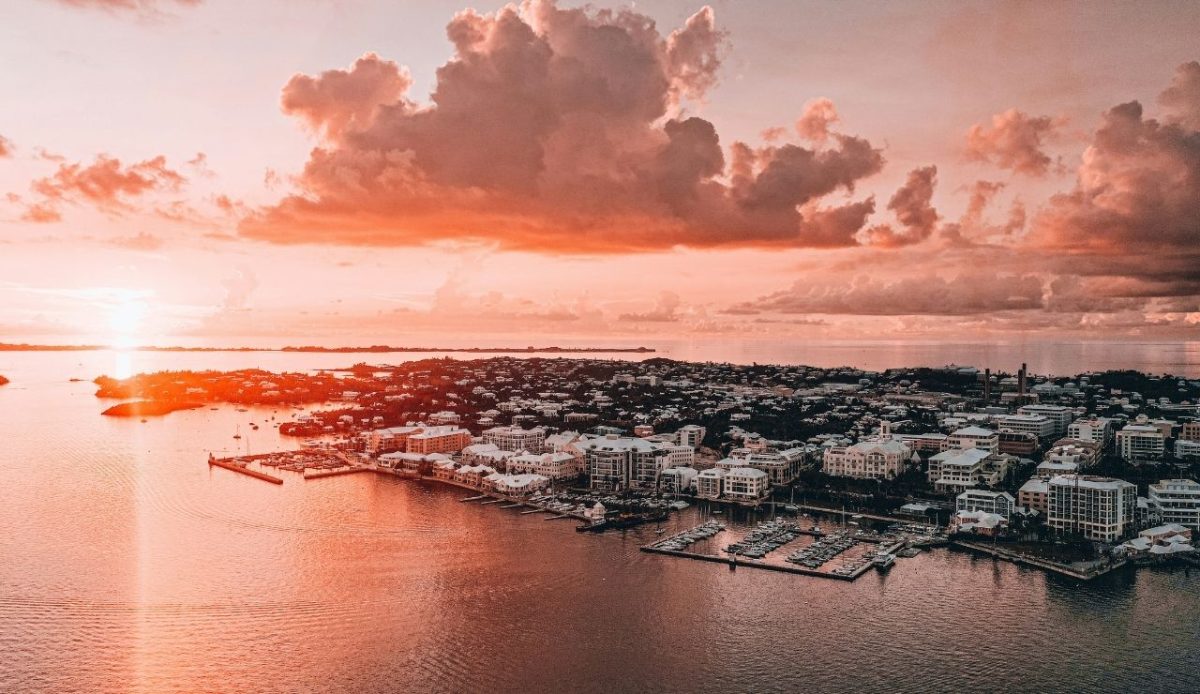
Bermuda trips can qualify without a passport when the voyage starts and ends at the same U.S. port, often New York or Baltimore. Because the island is farther offshore, cruises are usually five to seven nights and include two or three days docked at Royal Naval Dockyard. That long stay supports ferry rides to Hamilton, beach time at Horseshoe Bay, and evening walks back to the ship. Travelers should confirm that their birth certificate is long form, not a hospital souvenir, and pack a backup photo ID in case one is lost. Expect at least one full sea day each way, so onboard planning matters for dining and shows.
3. Alaska Closed Loop Cruises From Seattle
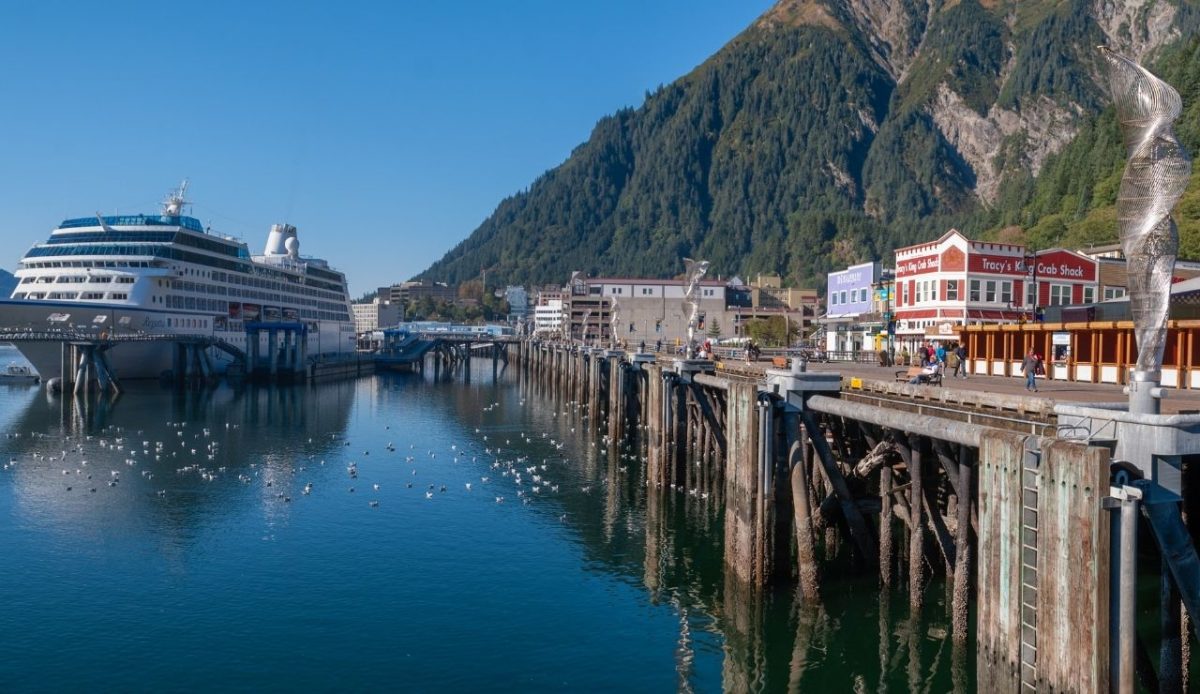
Round-trip Alaska sailings from Seattle often remain eligible for passport-free boarding even when a brief stop in Victoria, British Columbia, is included. Passengers view glacier zones such as Endicott Arm or Glacier Bay on select permits, then call at ports like Juneau, Skagway, or Ketchikan. A birth certificate and government ID are typically accepted, but enhanced driver’s licenses can speed checks at the terminal. Cold weather gear should be packed in carry-on bags because luggage delivery can be delayed, and decks may be wet from rain or spray. Road tours that enter Canada can use different ID rules, so excursion notes should be read.
4. Western Caribbean Closed Loop Routes
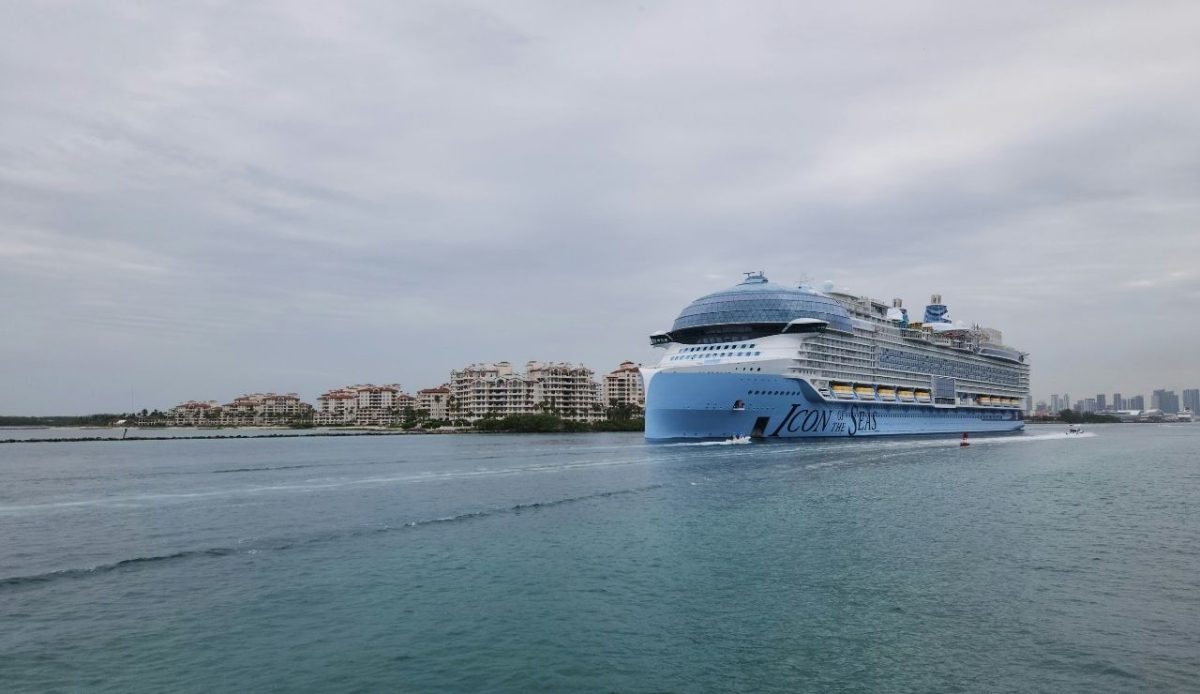
Western Caribbean routes can be sailed without a passport when the itinerary is a closed loop and returns to the departure pier in Florida, Texas, or Louisiana. Common calls include Cozumel, Costa Maya, Roatan, or Belize City, with tender boats used at some ports. Guests should keep their SeaPass card and a photo ID while ashore, since it is used to reboard and to clear port security lines. Because the weather can shift quickly in the Gulf, an itinerary change is possible, so travelers should choose sailings that list document needs in writing. It also helps to carry a photocopy of the birth certificate in a waterproof pouch during beach days.
5. Hawaii Inter-Island Cruises From Honolulu
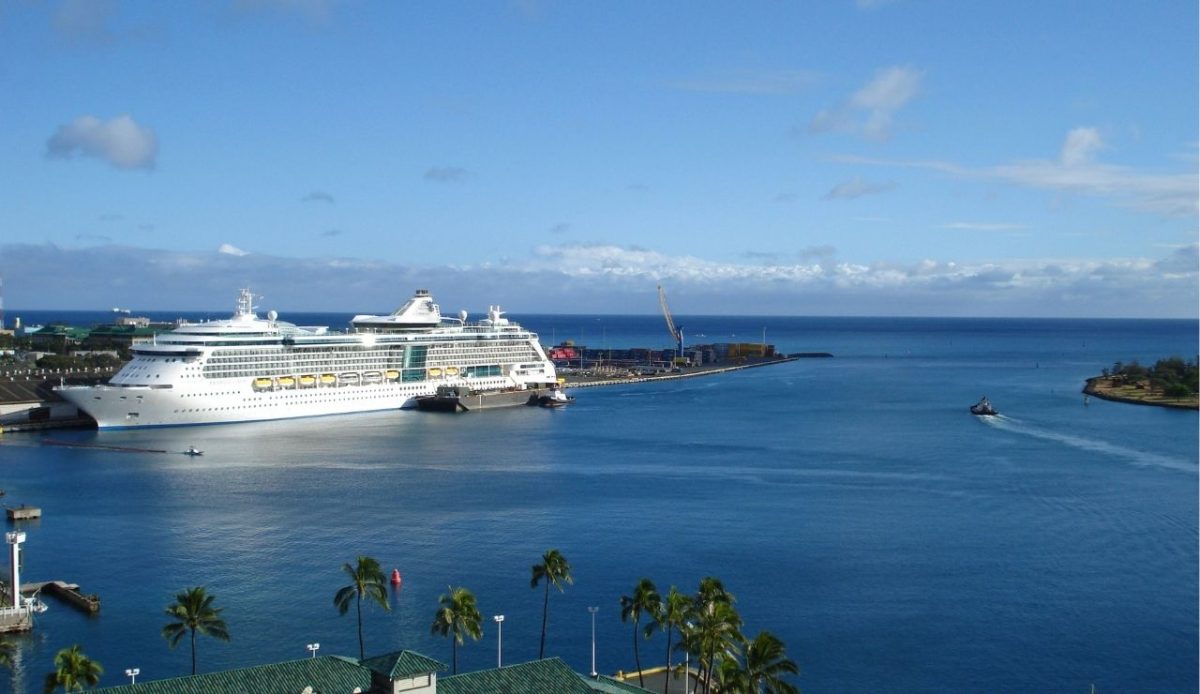
Hawaii inter-island cruises that operate entirely within the United States do not require a passport for U.S. citizens, since no foreign port is visited. A well-known example is a seven-night loop from Honolulu that stops at Maui, the Big Island, and Kauai with overnights in port. Travelers can fly to Oahu using standard domestic ID and then board with the same documents used for a hotel check-in. Because these sailings spend little time at sea, they suit guests who want long shore days for volcano parks, snorkeling, or a rental car plan. If a flight delay causes a missed embarkation, rejoining the ship is harder without a passport book.
6. New England And Canada Round Trips
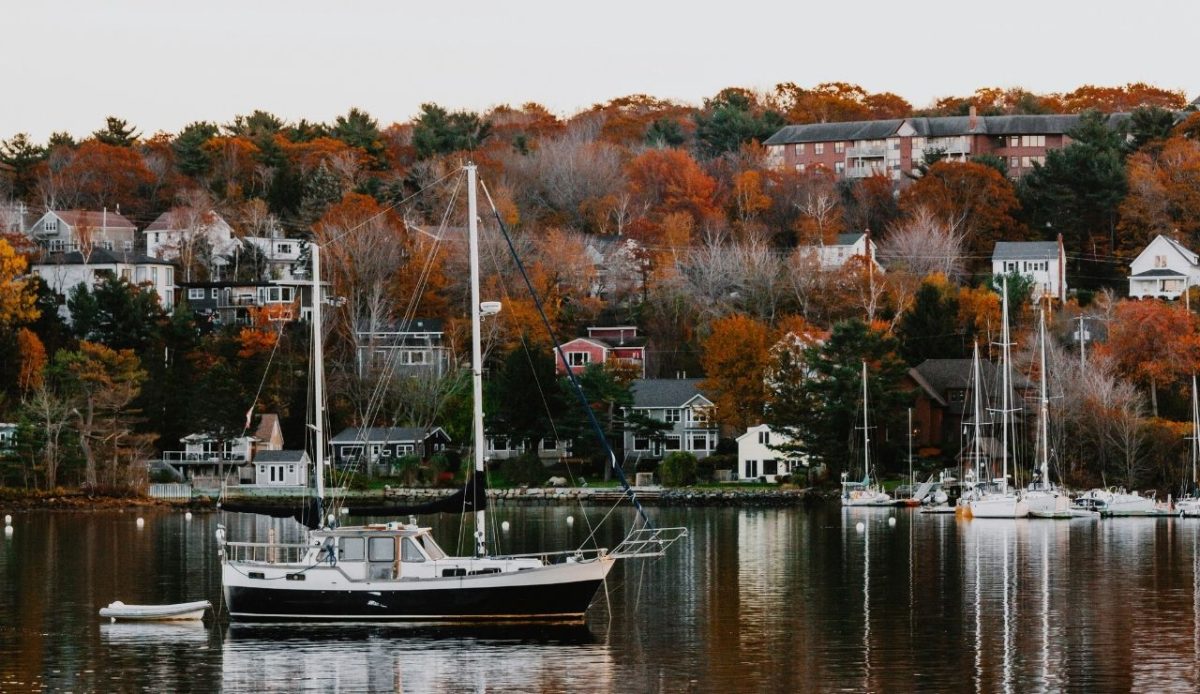
New England and Canada cruises can fit the no passport plan when they begin and finish in the United States, with stops like Halifax, Saint John, or Quebec City. Fall foliage departures from Boston or New York are popular because scenic sailing pairs with historic waterfront walks and food markets. Even on these voyages, Canada may accept alternate citizenship documents for many U.S. visitors, yet cruise lines may still recommend a passport for flexibility. Travelers should bring originals, not photocopies, and verify that any shore tour crossing into remote areas has clear return timing. Late-season weather can affect tendering.
7. Eastern Caribbean With U.S. Territory Stops
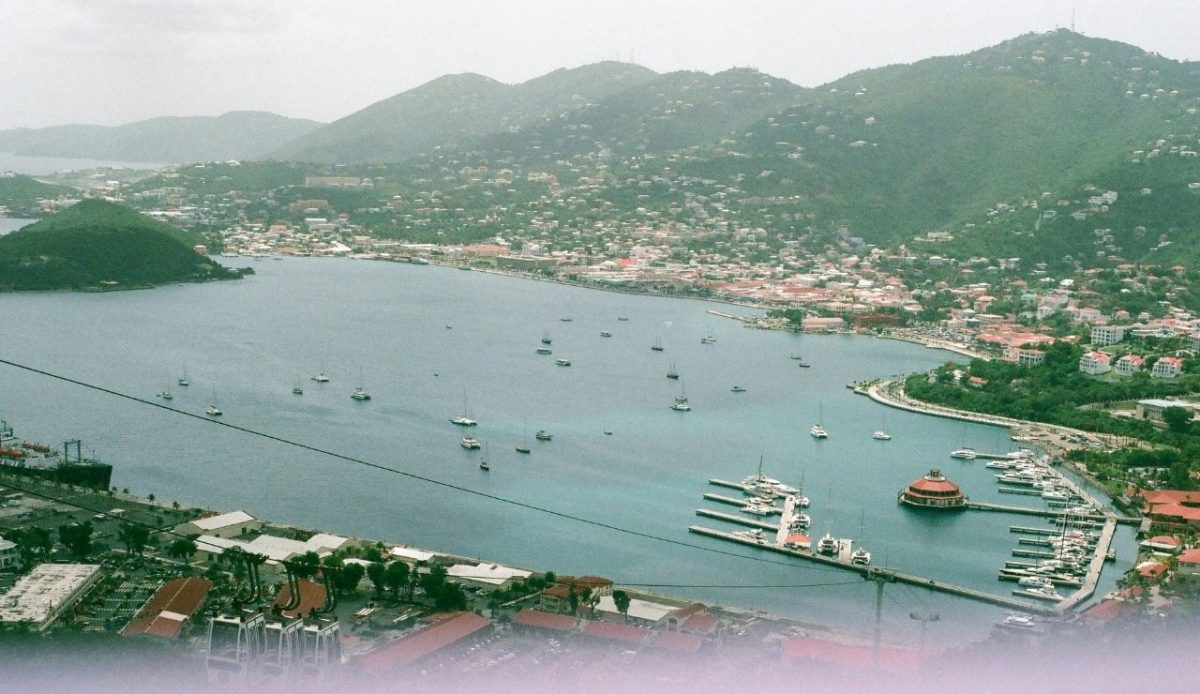
Some Eastern Caribbean itineraries include U.S. territories such as Puerto Rico and the U.S. Virgin Islands, which can reduce document friction on shore days. When these voyages depart from and return to the same U.S. homeport, many U.S. citizens may sail with a certified birth certificate and photo ID. Ports like San Juan and St Thomas offer U.S. currency, familiar cell service plans, and straightforward medical access if needed. Still, nearby calls in places like St Maarten may be added, so the final itinerary should be checked before sailing and again at online check-in. A passport card is small and can serve as a backup ID.
