
Cruise ports are starting to manage crowding the same way popular museums do: with daily caps, tighter scheduling, and limits on very large ships. That can mean fewer tender tickets, fewer buses clogging old streets, and a calmer experience once you’re ashore.
For travelers, the practical impact is timing. If a port limits how many people can disembark, excursions sell out faster and ships may stagger arrival windows, reduce time in port, or swap days.
The upside is more breathing room at top sights and less gridlock downtown. The trade-off is less spontaneity, so it helps to know which stops are actively controlling daily visitor volumes now.
1. Santorini, Greece
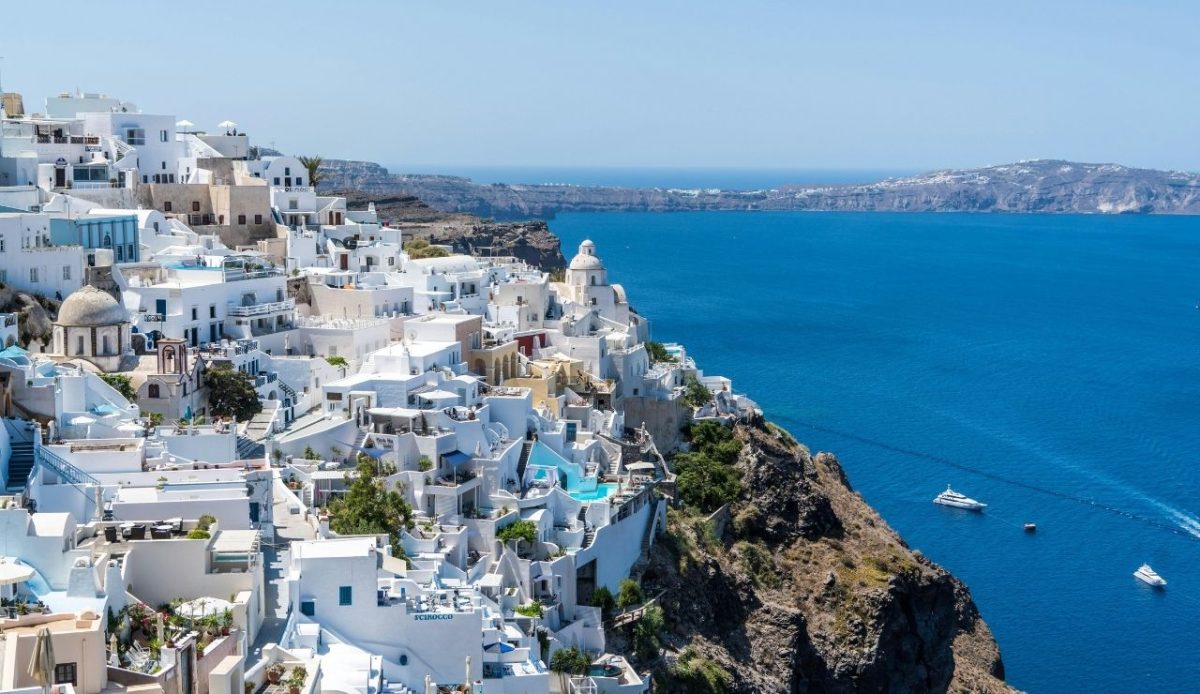
Santorini’s cliffside towns weren’t built for peak-day cruise surges, so local plans have focused on keeping disembarkations below a set daily threshold. Greek officials and local leaders have pointed to a target of 8,000 cruise passengers per day, with scheduling used to spread tenders across the day.
For visitors, that usually means more controlled tender windows and less chaos at the cable car and bus station in Fira. Book shore time early, and expect stricter timing on popular summer dates.
If you do get ashore, the experience can feel less packed at Oia viewpoints and in the narrow lanes, especially when arrivals are staggered rather than stacked.
2. Dubrovnik, Croatia
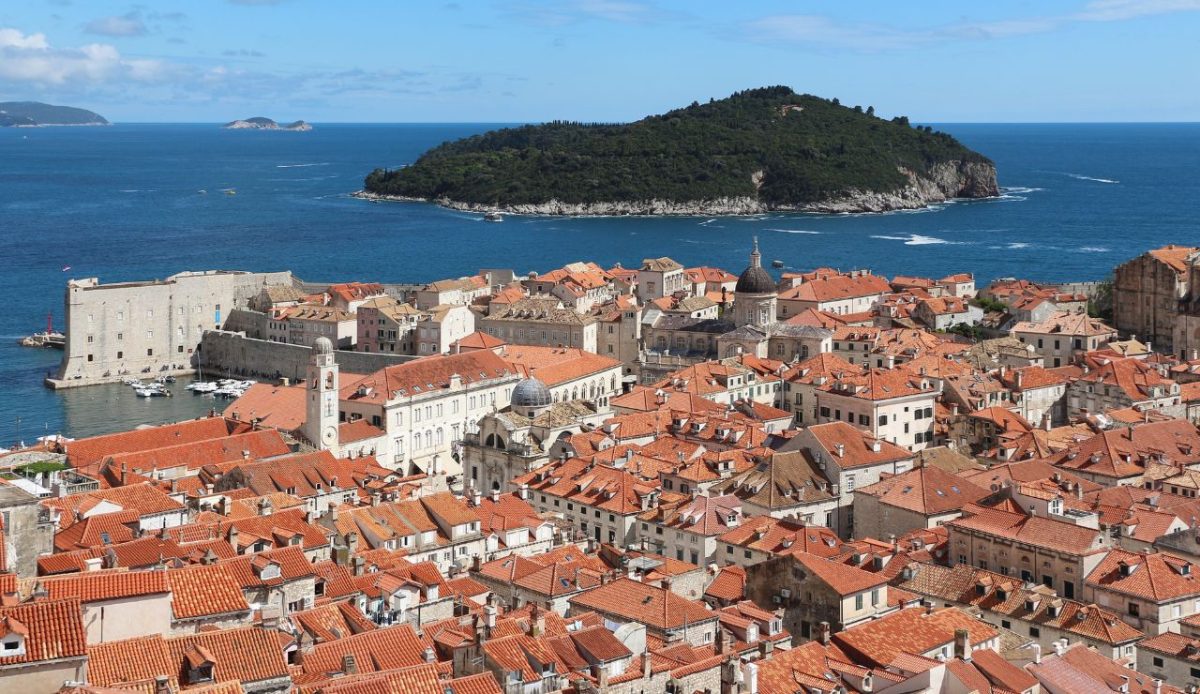
Dubrovnik has been one of Europe’s most visible examples of cruise crowd management, using port scheduling as a pressure valve for its walled Old Town. Under its “Respect the City” approach, arrivals are limited to two cruise ships a day, and reports commonly cite a daily cap around 4,000 disembarking passengers.
The goal is to prevent the morning-and-lunch crush at Pile Gate and Stradun. You’re more likely to see ships spread out, with longer port stays rather than quick photo-stop calls.
Travel-wise, the smart move is to plan your Old Town loop early or later in the afternoon, when timed entries and steadier flows can make the streets noticeably easier.
3. Cannes, France
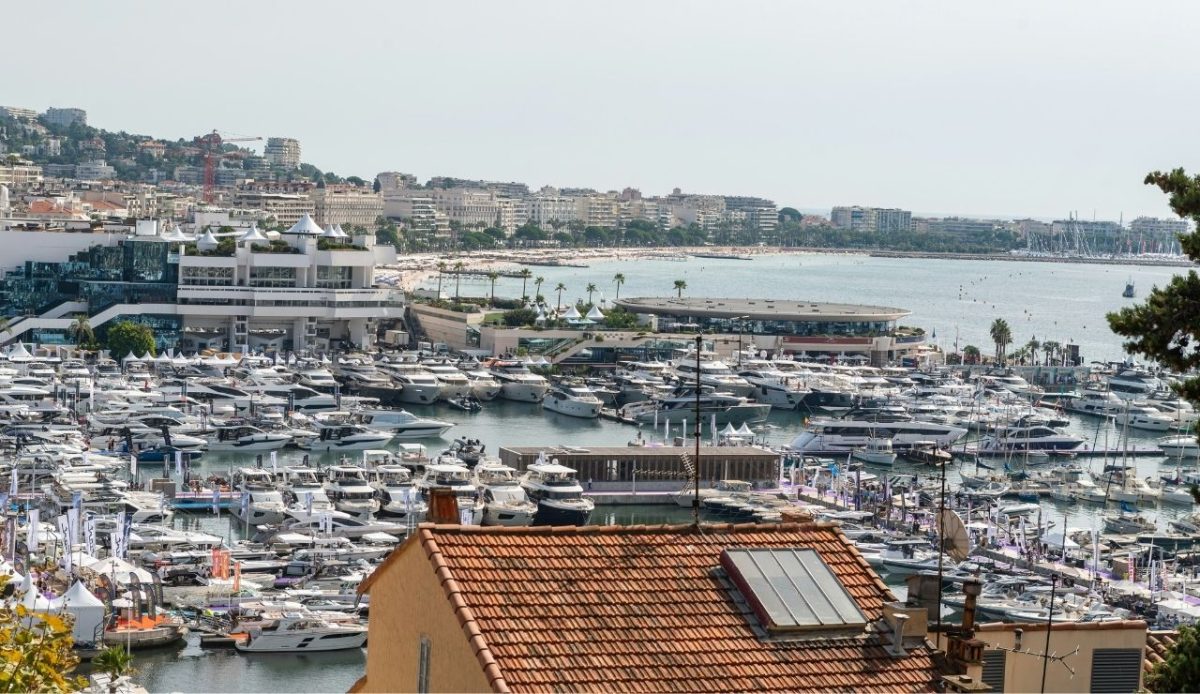
Cannes is tightening cruise access to protect the waterfront and reduce the impact of mega-ships on a city that already spikes during festival season. New rules are designed to keep daily cruise disembarkations to a manageable level, including limits around 6,000 passengers per day and restrictions on the biggest vessels.
In practice, larger ships may anchor offshore and use tenders, which naturally slows the flow of visitors and reduces “everyone arrives at once” pressure on the Croisette. It also nudges itineraries toward smaller ships or different timing.
For travelers, that can translate into a calmer first hour ashore and less line congestion for beaches, markets, and day trips, but it’s wise to lock in excursions early.
4. Nice & Villefranche-sur-Mer, France
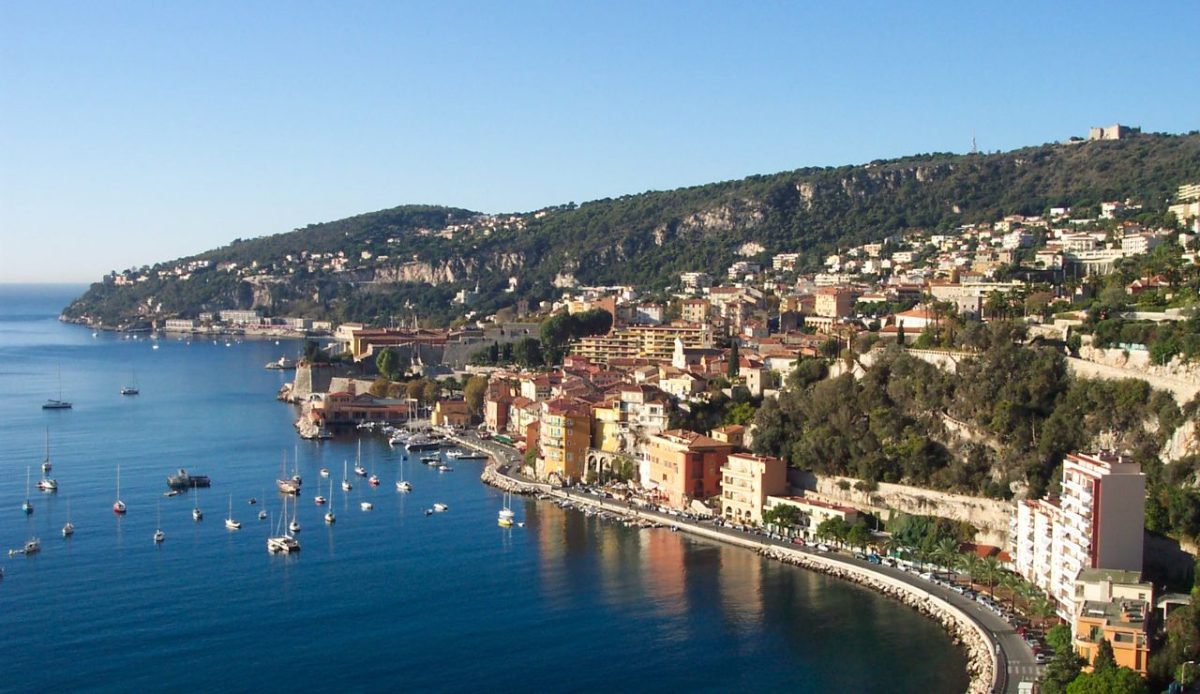
Nice and nearby Villefranche-sur-Mer have been part of a broader French Riviera push to curb crowding from large cruise calls, especially tender-heavy days that flood the waterfront. Regional rules have proposed caps such as limiting ships over 1,300 passengers to one per day per anchorage area, with additional monthly limits in peak summer.
Because these stops often rely on tenders, controlling ship size and frequency is a direct way to control how many day visitors hit the Promenade and Old Town at once. Smaller ships and longer stays become the easier fit.
If your itinerary includes the Riviera, expect tighter scheduling and fewer “double big-ship” days. The benefit is more walkable streets and less bottlenecking at key transport hubs.
5. Barcelona, Spain

Barcelona is acting on overtourism pressure by putting a hard ceiling on how many cruise passengers the port can handle on busy days. A city–port agreement will reduce terminal capacity as the decade progresses, cutting the maximum simultaneous cruise passenger capacity from about 37,000 to 31,000 per day.
That isn’t a ban, but it is a brake: fewer terminals, more emphasis on managing flows, and a stronger incentive for cruise lines to smooth out peaks instead of stacking arrivals.
For visitors, expect better-controlled disembarkation waves and fewer days when central neighborhoods feel like a human traffic jam by mid-morning. Timing still matters, but the extremes should ease.
6. Amsterdam, Netherlands
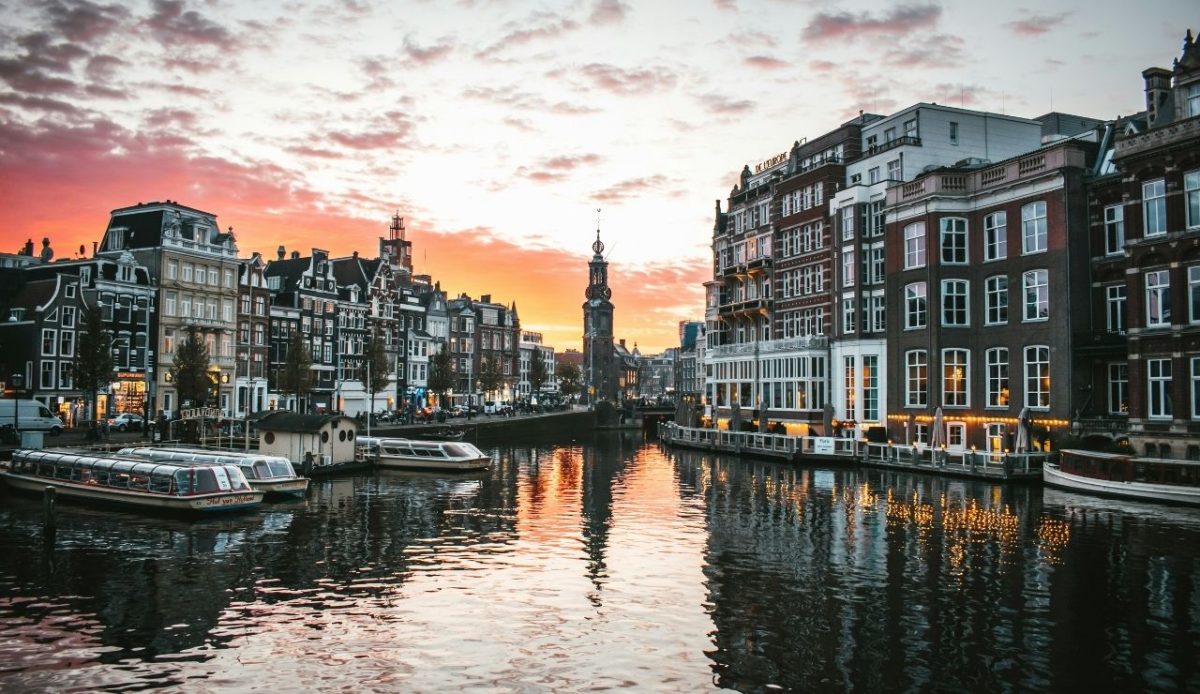
Amsterdam is dialing back cruise tourism with policies that reduce how many ship days the city center sees, which directly limits day-visitor spikes around the terminal. Plans include capping ocean cruise calls at 100 per year starting in 2026 and working toward moving or phasing out the central cruise terminal over time.
Fewer calls means fewer “one day, tens of thousands” surges that stress narrow streets, transit, and popular canal belts. It also encourages itineraries to use nearby ports and spread visits regionally.
For travelers, Amsterdam may appear less often as a quick stop, or it may shift to smaller ships and different docking patterns. If you do visit, the city experience can feel less compressed in peak hours.
7. Juneau, Alaska
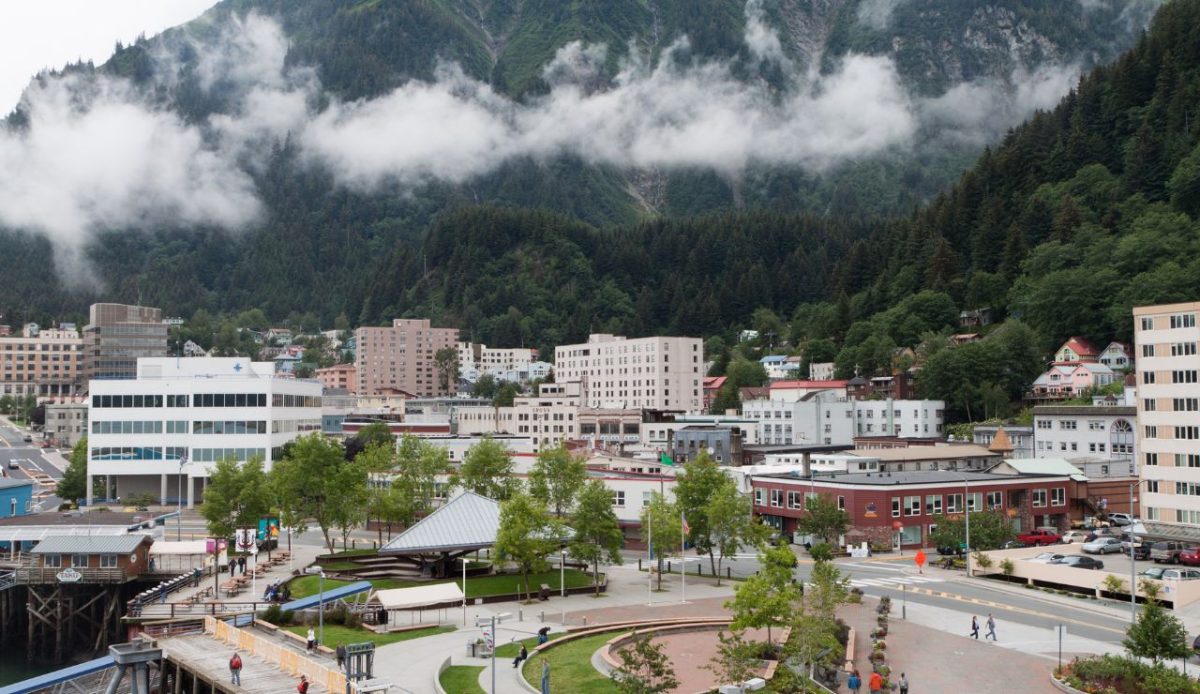
Juneau, Alaska, is moving from “unlimited growth” to a defined daily cap, after residents raised concerns about congestion in a small downtown during the short cruise season. A voluntary agreement announced with the cruise industry sets daily passenger limits beginning in 2026: up to 16,000 passengers on Sunday through Friday, and 12,000 on Saturdays.
Those numbers work alongside earlier controls like limiting ships per day, aiming to reduce pressure on roads, services, and heavily visited areas like the Mendenhall Glacier corridor.
For visitors, the city should feel less packed on traditionally busy days, but it also means fewer last-minute tour slots. Booking ahead and choosing off-peak times can make the stop smoother.
