
Bali is a dream destination with stunning beaches, vibrant culture, and warm hospitality, but like many popular tourist hotspots, it’s not immune to scams. From inflated taxi fares to fake rental damages, unsuspecting visitors can quickly lose money if they’re not cautious. Knowing what to expect helps you avoid the pitfalls and enjoy your trip stress-free. Here are seven of the most common scams in Bali, along with tips on how to spot them and protect yourself.
1. Inflated Taxi Fares
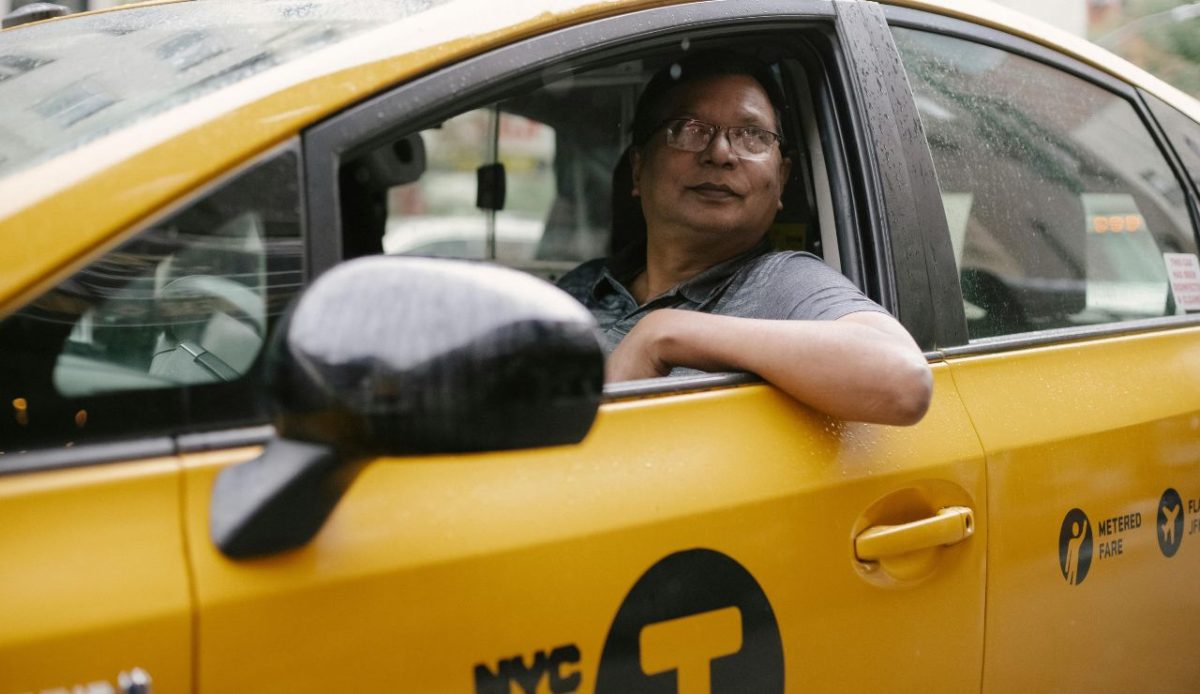
Some drivers refuse to use meters and instead charge inflated prices, especially from the airport or tourist hubs. Others may take longer routes to increase fares. To avoid this, insist on using the meter or book through reputable ride-hailing apps like Grab or Gojek. Airport transfer counters also provide fixed-price options. A little preparation ensures you don’t pay more than necessary and helps you start your Bali adventure without unnecessary stress or overspending.
2. Currency Exchange Tricks
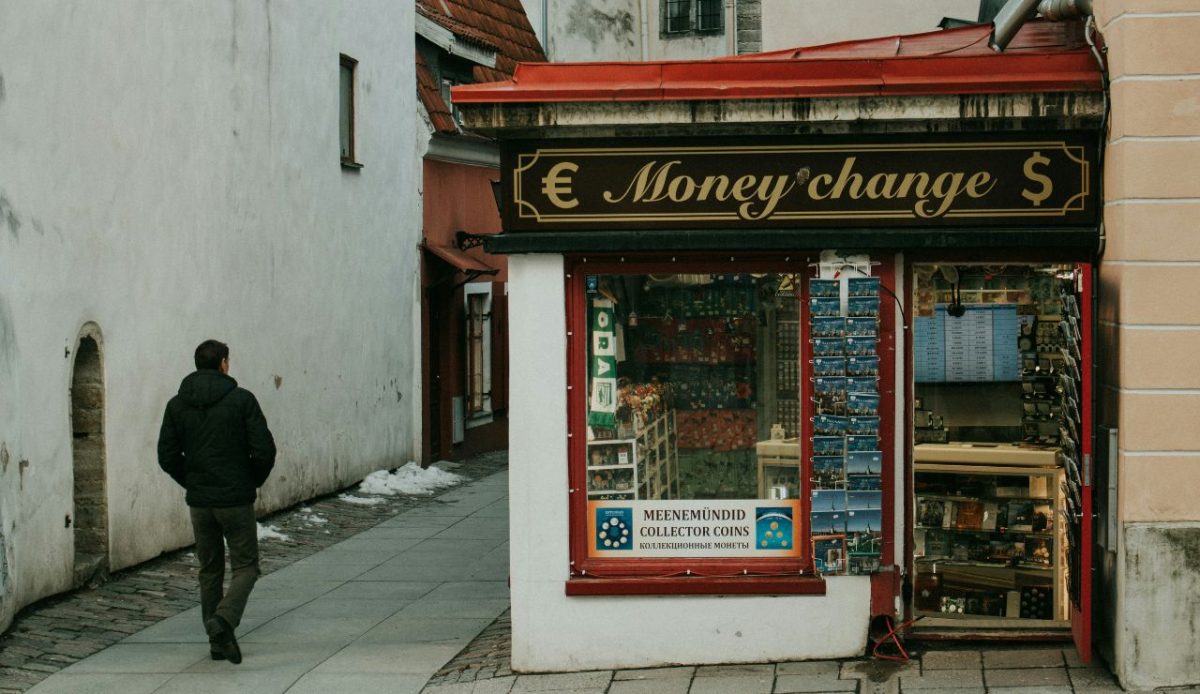
Dodgy money changers often advertise great rates but slip in hidden fees or hand back short counts of cash. Some may even swap real bills for fakes. Always use authorized money changers with official signs and receipts, and count your money carefully before leaving the counter. Avoid small, back-alley exchange booths. Choosing ATMs in secure locations is another safe alternative. Staying vigilant here prevents a small mistake from turning into a costly travel setback.
3. Motorbike Rental Damage Claims
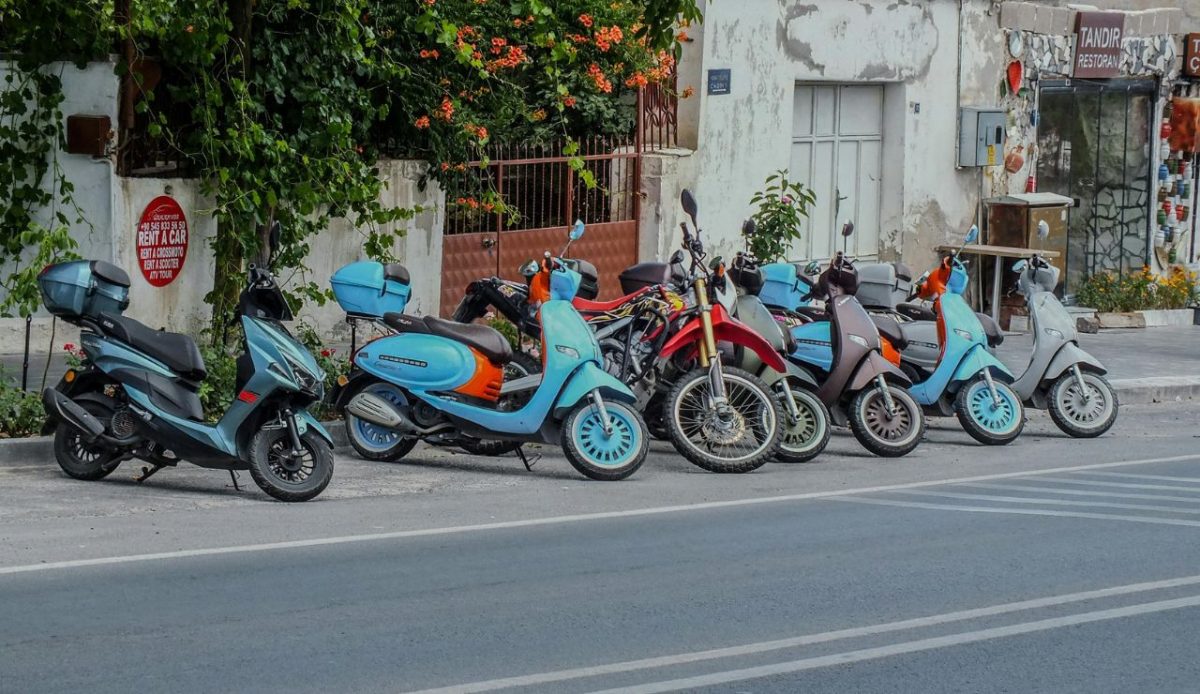
Motorbikes are popular for getting around Bali, but some rental shops accuse tourists of damage they didn’t cause. Unscrupulous owners may demand large payments or keep deposits. Outsmart this scam by photographing the bike thoroughly before taking it out and checking existing scratches or dents. Renting only from well-reviewed businesses adds extra security. With a bit of caution, you can still enjoy the freedom of exploring Bali on two wheels without being unfairly charged.
4. Tour Package Markups

Some street vendors and unofficial agents sell “bargain” tours that end up being overpriced or include hidden fees. Others may not deliver on what was promised. To avoid disappointment, book tours directly through your hotel, licensed agencies, or trusted online platforms. Checking reviews before paying helps confirm quality. While Bali has plenty of amazing experiences to offer, sticking with reputable providers ensures your money goes toward genuine adventures, not inflated markups or broken promises.
5. Fake Temple Donation Fees

At certain temples, unlicensed individuals may approach tourists and demand “mandatory donations” or inflated entry fees. These scammers pose as staff, taking advantage of visitors unfamiliar with local customs. Always check official signage for entry costs or confirm with legitimate staff inside temple grounds. Carry small change for genuine donations, but don’t feel pressured by aggressive demands. Staying informed ensures your cultural visits remain meaningful experiences rather than opportunities for exploitation.
6. Souvenir Overpricing
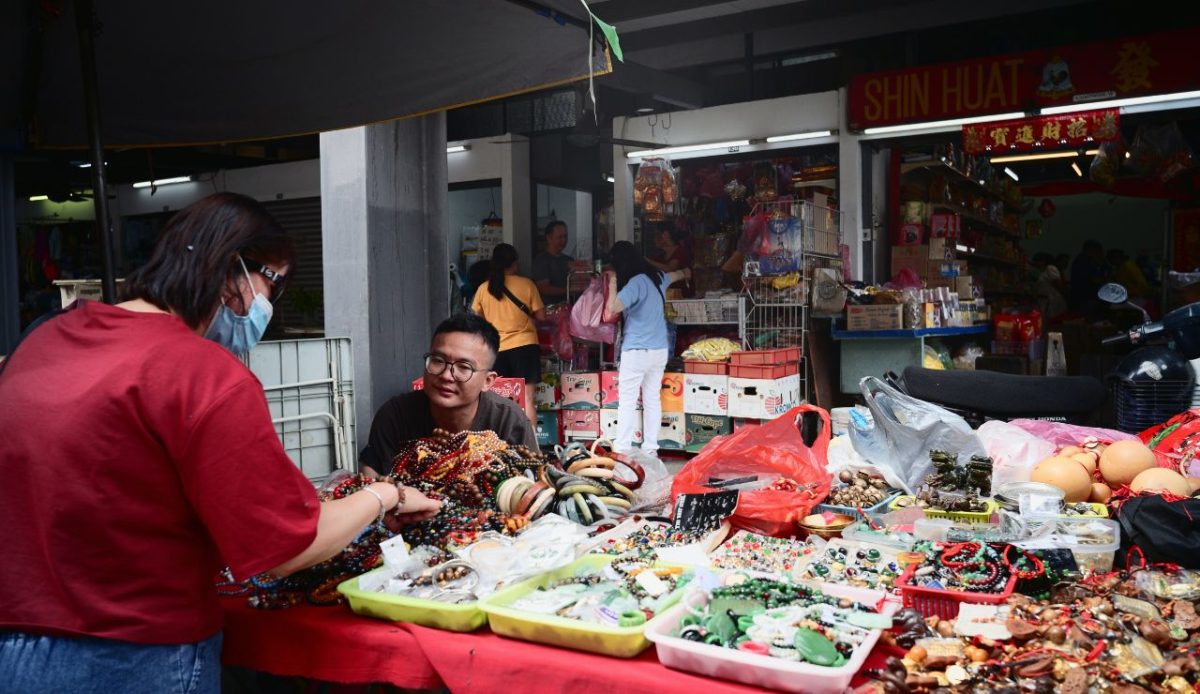
Markets in Bali are full of colorful souvenirs, but prices are often marked up heavily for tourists. Some sellers may start extremely high, expecting visitors to overpay if they don’t negotiate. To avoid falling for this, practice polite bargaining and compare prices at different stalls. Knowing the approximate value of items is also helpful. Shopping in fixed-price stores is another safe option. With a bit of awareness, you can take home mementos without feeling taken advantage of.
7. Fake Tour Guides at Attractions

Popular sites sometimes attract self-proclaimed “guides” who approach tourists, offering information and tours before demanding payment. While some are harmless, others may mislead or overcharge. To protect yourself, only hire licensed guides with proper identification, usually available through official ticket counters. Reading reviews in advance helps avoid pressure on the spot. By relying on legitimate guides, you’ll get accurate insights into Bali’s culture and history, minus the risk of being taken advantage of.
