
Central Asia rewards travelers who time a visit around public holidays, sports meets, and seasonal fairs. Across the region, hosting is treated as a duty, so guests are fed quickly and drawn into dancing, games, and song. Many celebrations center on spring renewal, harvest gratitude, or heritage skills, and streets are turned into stages. Music is amplified, contests are announced, and family courtyards are opened to strangers. A visitor may be guided from a parade to a meal, then to a late concert, with little need for an invitation. Fire shows, drum lines, and horse events keep crowds moving while hosts refill tea and offer directions.
1. Kazakhstan
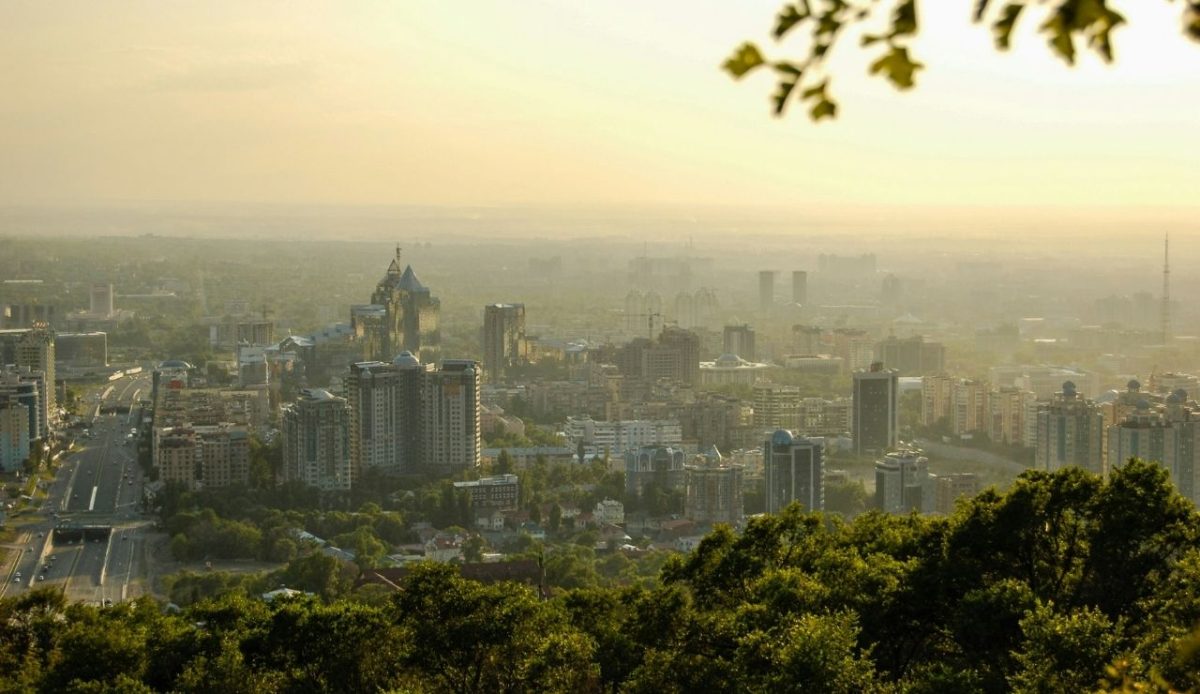
Kazakhstan is best known for Nauryz, a spring New Year marked by outdoor concerts, street games, and shared food. In major cities, temporary yurts are set up for tastings, craft demos, and dombra performances, and crowds rotate between stages. Horse shows and strength contests are scheduled, so attention is pulled from music to sport and back again. Homes also host long meal visits, where elders are greeted first, and guests are urged to try more than one dish. The day stays kinetic because events run in parallel, and warm drinks are offered to anyone lingering. Dance circles keep plazas busy, and kids are urged to join.
2. Kyrgyzstan
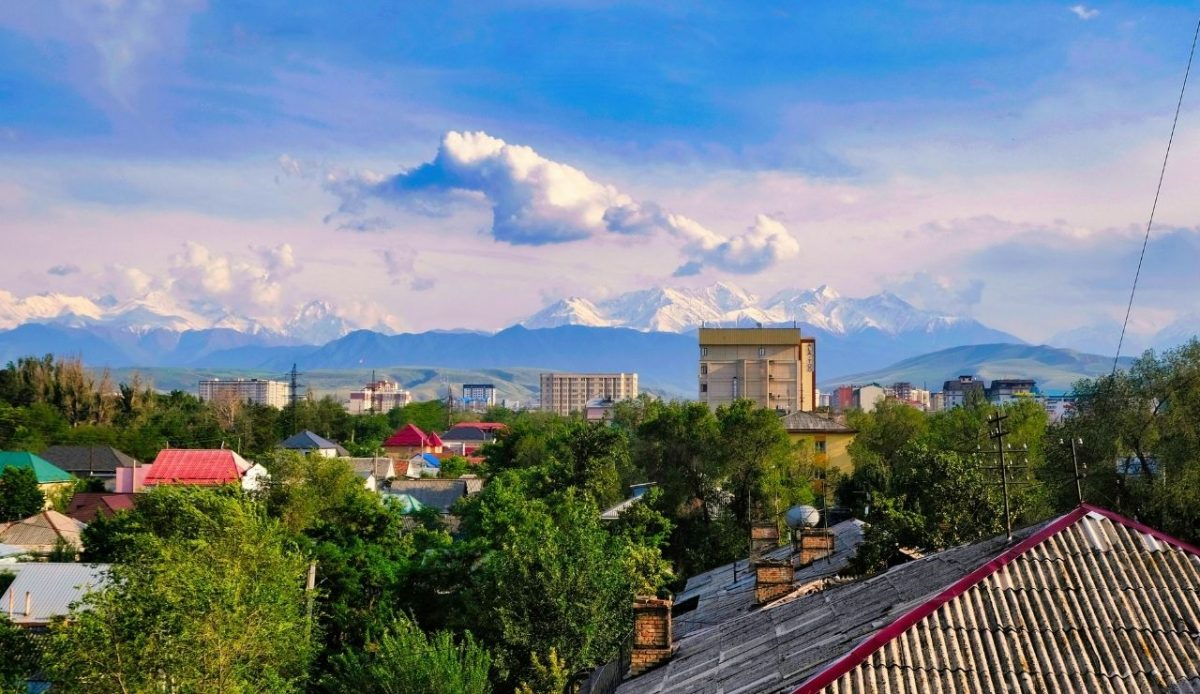
Kyrgyzstan delivers high energy through the World Nomad Games and related cultural days that feature mounted contests, wrestling, and archery. Stadium events are paired with craft villages, music, and food stalls, so the crowd stays engaged between matches. Visitors are often hosted in guesthouses or family homes, where bread, tea, and seasonal dishes appear without being requested. Because competitions run from morning to evening, a festival rhythm is created, and excitement builds as finals approach. Kok boru matches, played on horseback, are watched loudly, and chants are carried across the venue.
3. Tajikistan
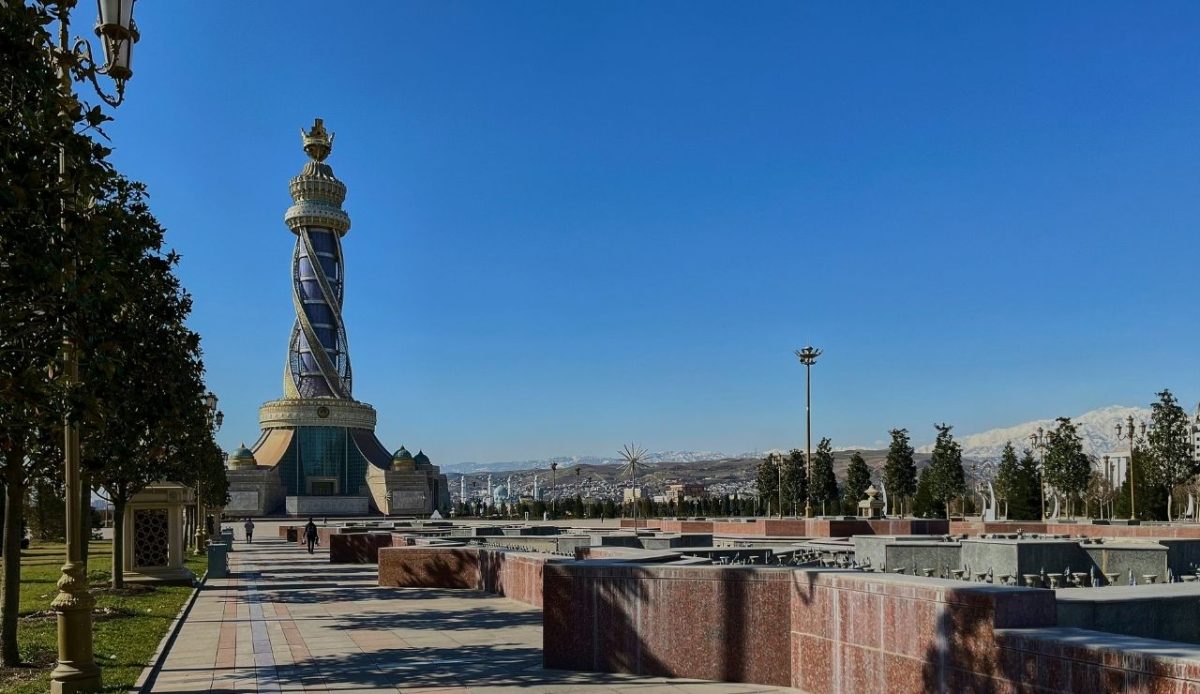
Tajikistan is widely associated with Nowruz celebrations that stretch beyond one day and move from parks to neighborhood courtyards. Music performances, poetry readings, and athletic games are arranged in public spaces, and families prepare large meals for guests. Plov is cooked in big cauldrons for group sharing, and children take part in races and team contests. The mood stays lively because gatherings shift from one host to another, so visitors keep meeting new people and new tables. Sumanak is often stirred overnight by groups singing together, and the next day opens with dancing and greetings.
4. Turkmenistan
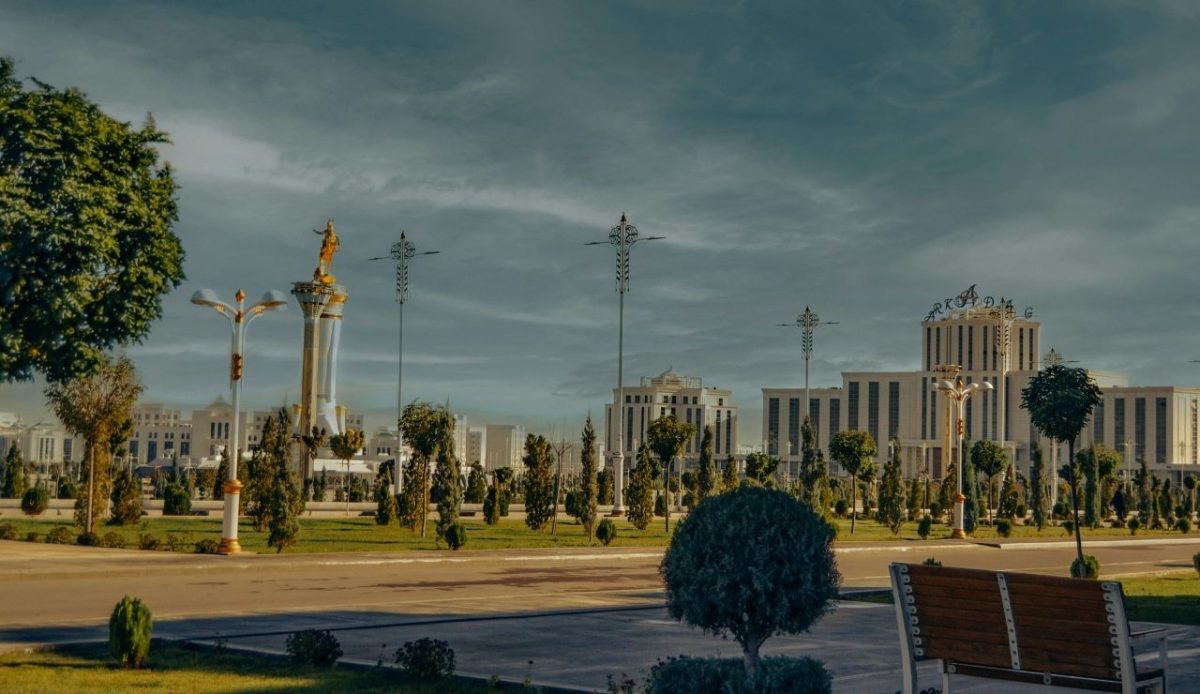
Turkmenistan marks Nowruz with large public gatherings where spring rituals, music, and community games are emphasized. Fairs bring together dancers, horse displays, and traditional sports, and the program is designed for broad participation. Hospitality appears in the way food and tea are shared at informal tables set near performance areas. A steady flow of events keeps the atmosphere active, and visitors are guided toward new performances rather than left on the sidelines. Craft exhibits, including textile work and carving, are shown beside stages, so cultural pride is displayed while the crowd circulates.
5. Uzbekistan
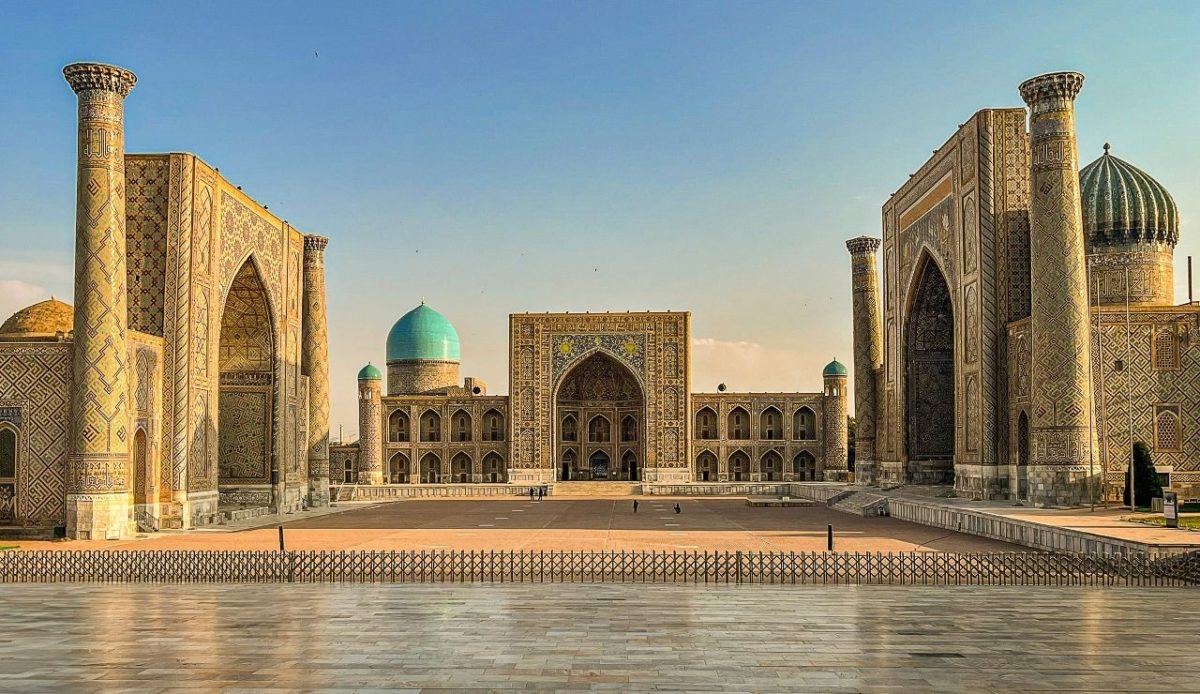
Uzbekistan stands out for its festival calendars that combine Nowruz street celebrations with folklore events such as Boysun Bahori. Dance troupes, drum ensembles, and costume parades are performed in open settings, and audiences cluster close to the action. Hosting is visible in shared meals and constant offers of bread, fruit, and tea, even for brief conversations. Because performances overlap with craft markets and sport demos, movement never stops, and the celebration feels continuous through the day. In historic towns, evening plazas stay crowded, and live music is carried down narrow streets as families stroll.
6. Mongolia
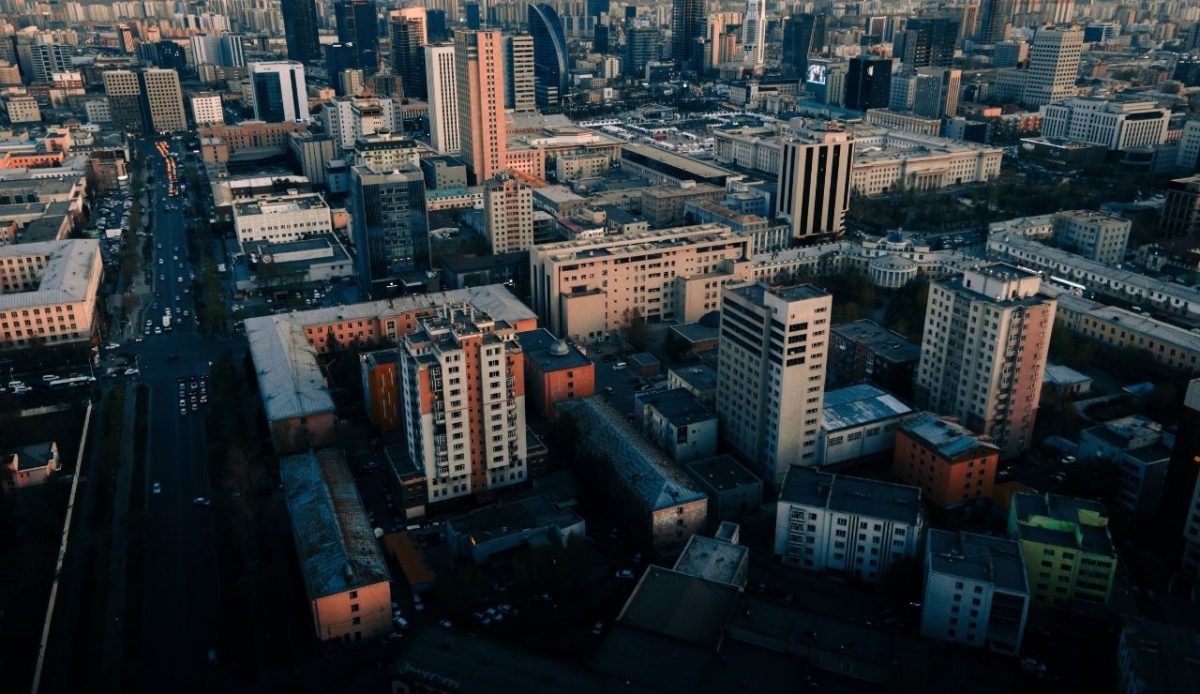
Mongolia is defined by Naadam, a national summer festival centered on wrestling, horse racing, and archery held over multiple days. The crowd follows competitors from arenas to open fields, and celebrations continue with singing and regional food. Travelers are hosted in gers or small hotels, and meals are shared with little ceremony, which makes inclusion feel immediate. Energy stays high because races cover long distances and finals draw intense attention, while side events keep families engaged. Opening ceremonies are staged with mass dance and costume displays, and the audience responds with loud support.
7. Afghanistan
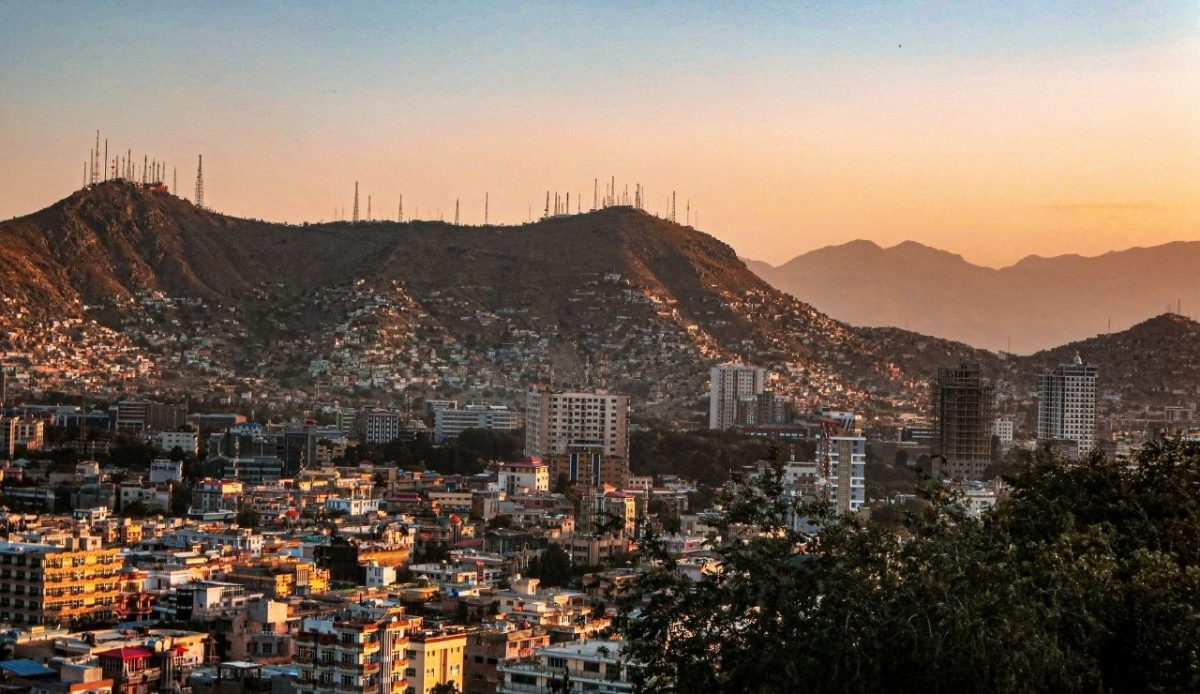
Afghanistan is known for Nowruz gatherings in cities such as Mazar-e-Sharif, where public ceremonies, music, and crowded markets mark spring. Families host visitors with tea and sweets, and guests are welcomed through repeated offers rather than formal invitations. Sport and song are woven into the day, and parks become meeting points for picnics, kite flying, and group dances. Even when plans shift for local conditions, the celebration remains community-led, and the sense of welcome is strongly maintained. In the north, the raising of the Nowruz banner draws large crowds, and the mood is kept bright with drums and chanting.
