
Nepal has long been celebrated for its towering Himalayas, spiritual heritage, and adventurous trekking opportunities. However, recent developments are causing travelers to rethink their approach to visiting this South Asian gem. From environmental conservation efforts to shifts in tourism infrastructure, Nepal is evolving rapidly. Travelers are now seeking more sustainable, culturally respectful, and safe experiences. Understanding these changes ensures a more fulfilling journey. Here are seven major reasons why Nepal is on travelers’ minds and how these factors are shaping tourism in the country today.
1. Increased Focus on Sustainable Tourism
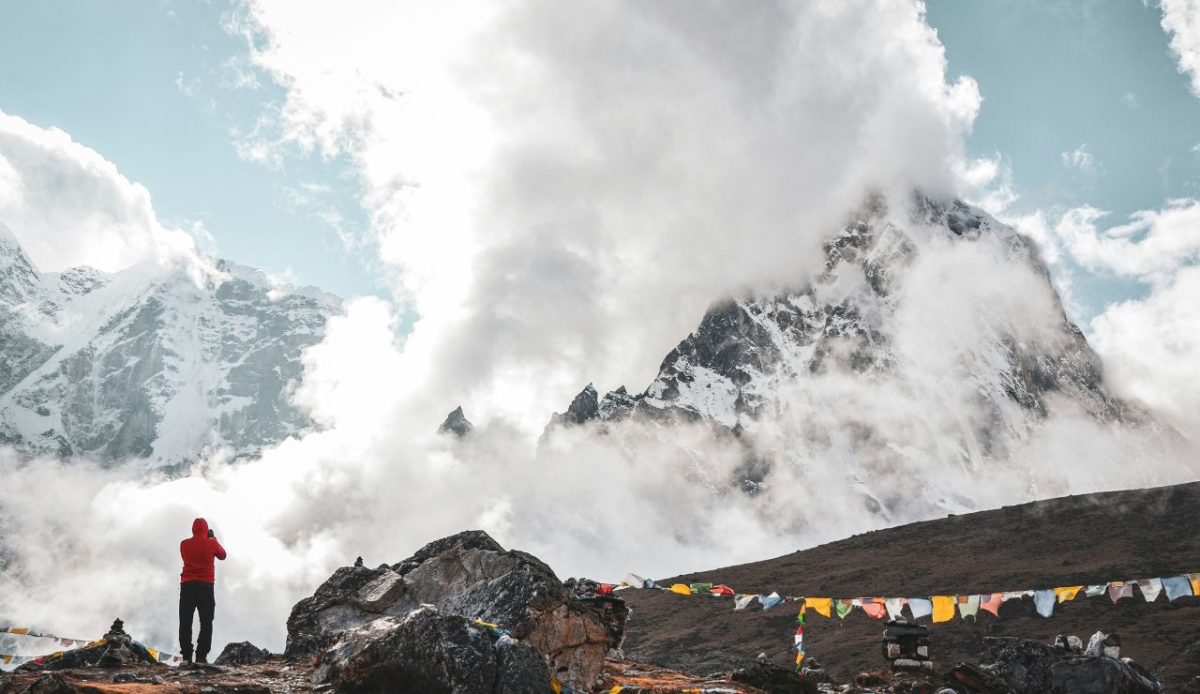
Nepal is actively promoting sustainable tourism practices to preserve its fragile environment and rich cultural heritage. Many trekking regions now have strict regulations on waste disposal, camping practices, and visitor numbers. Travelers are encouraged to choose eco-friendly lodges, support local guides, and respect natural sites. This shift ensures that popular destinations like the Annapurna and Everest regions remain pristine. The emphasis on sustainability is prompting travelers to reconsider previous approaches to trekking and sightseeing, highlighting responsible tourism as an essential factor when planning a visit to Nepal.
2. Changing Trekking Routes and Permits
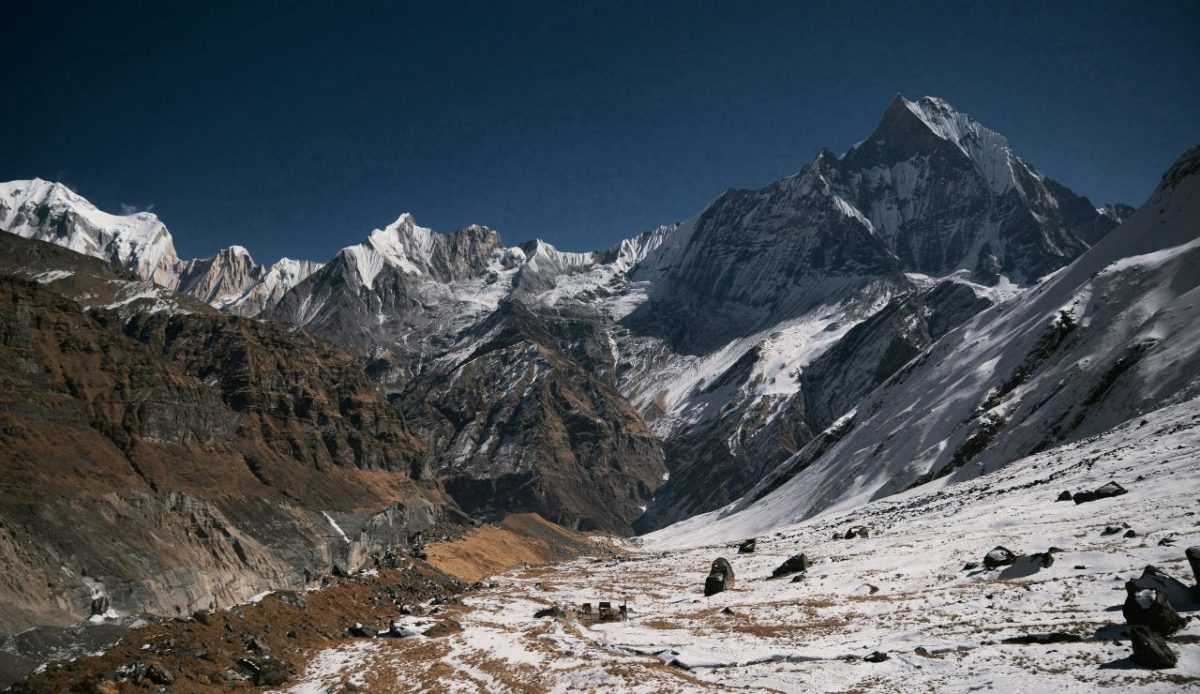
New regulations and updates to trekking routes are influencing travelers’ plans. Some popular trails require permits and have quotas to reduce environmental strain and overcrowding. Alternatives are emerging, offering quieter experiences while still showcasing Nepal’s iconic landscapes. Visitors must plan, book permits in advance, and stay informed about changing guidelines. These adjustments encourage a more deliberate approach to trekking and exploration. By understanding and adapting to these changes, travelers can enjoy safe, scenic, and sustainable adventures in Nepal without compromising the quality of their experience.
3. Modernization of Tourist Infrastructure
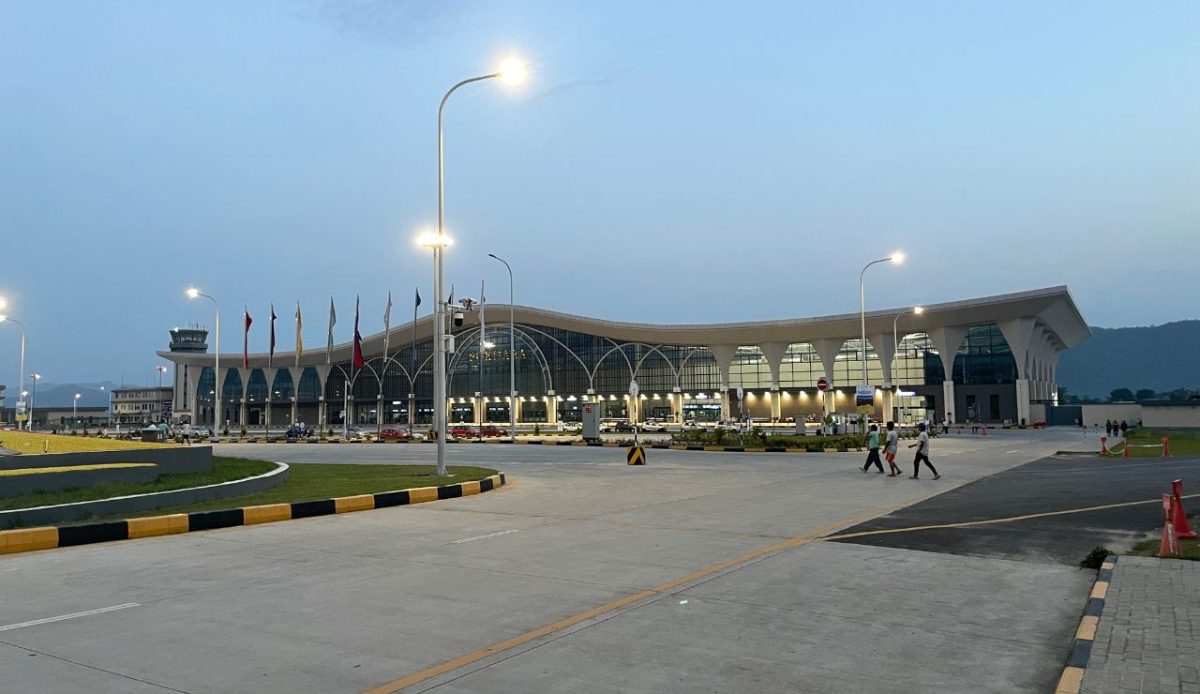
Nepal has invested heavily in modernizing its tourism infrastructure, improving road networks, airports, and accommodations. Cities like Kathmandu and Pokhara now offer upgraded hotels, better transport, and more convenient amenities for international visitors. Even remote trekking regions are seeing new lodges with eco-friendly designs and improved facilities. Travelers who previously expected basic amenities are discovering more comfort and convenience. This modernization makes Nepal accessible to more visitors while still allowing for adventure and cultural exploration, balancing traditional experiences with contemporary comforts.
4. Rising Popularity of Cultural Tourism
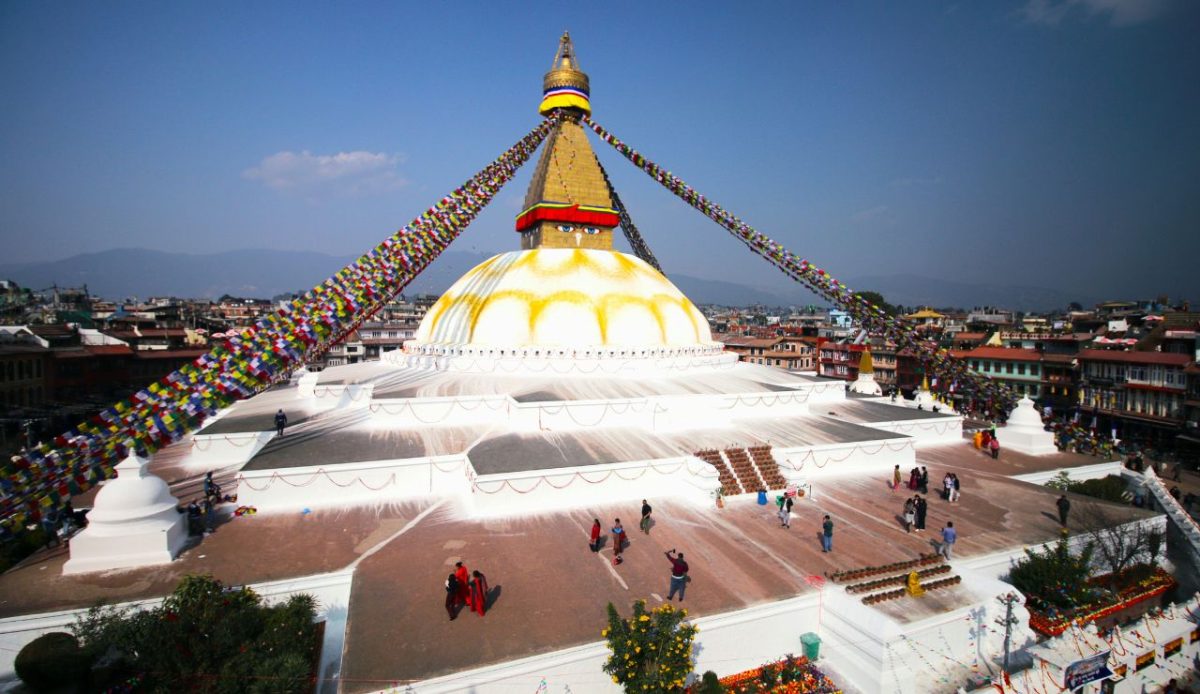
Cultural tourism in Nepal is gaining prominence as travelers seek deeper connections beyond adventure sports. Visitors are increasingly interested in local festivals, monastery visits, and artisan workshops. Cities like Bhaktapur and Patan showcase historic architecture and craft traditions, while smaller villages offer immersive cultural experiences. Travelers can participate in cooking classes, rituals, and storytelling sessions. This shift encourages a more meaningful travel experience, highlighting Nepal’s rich heritage. Travelers are rethinking trips to prioritize cultural learning alongside natural exploration.
5. Environmental Challenges and Climate Awareness
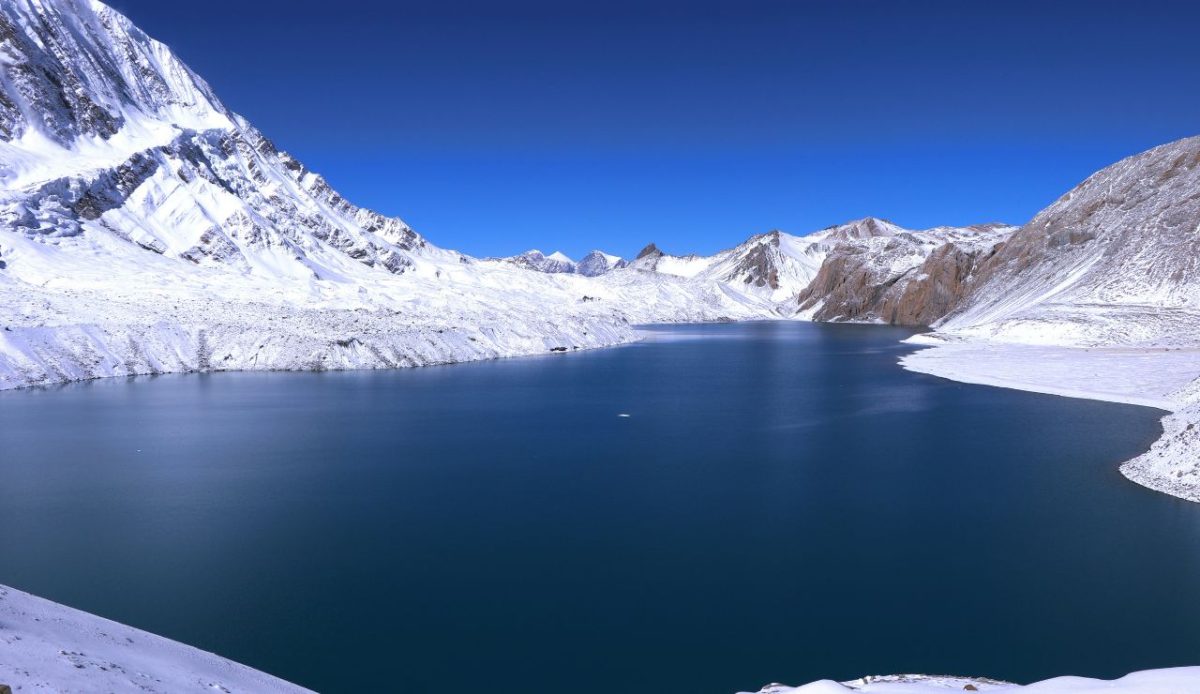
Climate change and environmental challenges are influencing how travelers approach Nepal. Melting glaciers, unpredictable weather, and forest conservation concerns have become more visible. Tourism operators now promote eco-conscious practices and educate visitors about minimizing their environmental impact. Travelers are rethinking timing, trekking strategies, and waste management to ensure they do not contribute to environmental degradation. This heightened awareness allows visitors to enjoy Nepal’s natural beauty responsibly while supporting initiatives aimed at protecting the Himalayas and surrounding ecosystems for future generations.
6. Health and Safety Measures Post-Pandemic
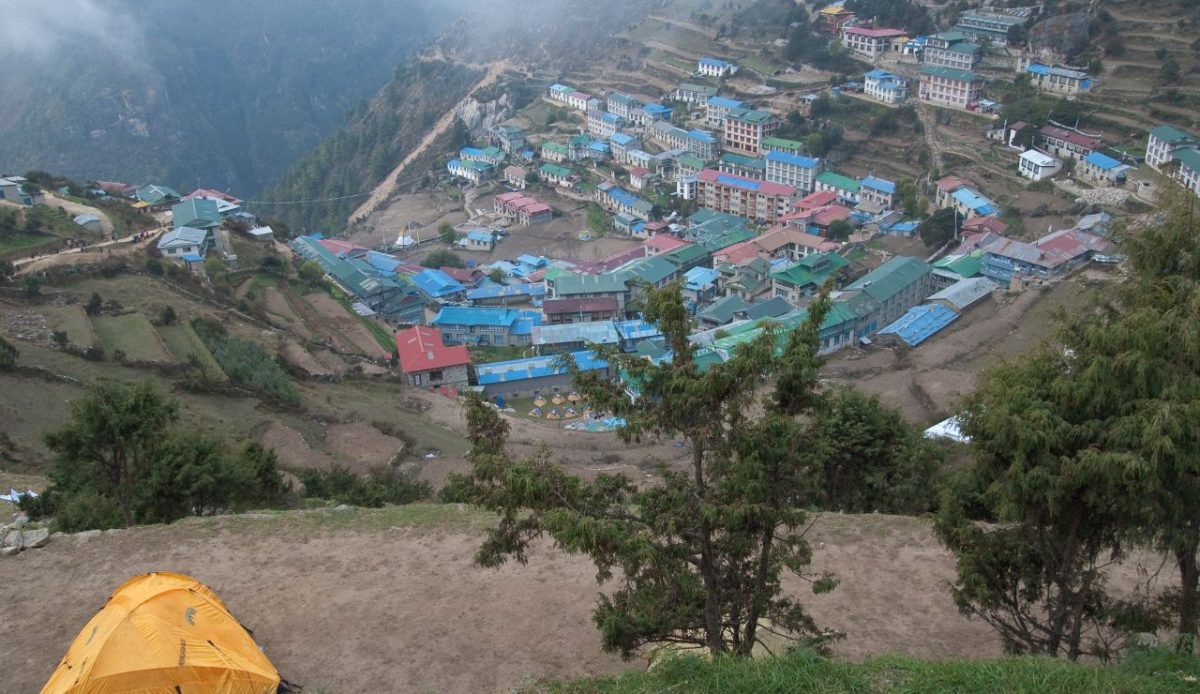
Health and safety protocols remain a priority in Nepal, particularly for trekking and urban travel. Updated sanitation standards, emergency services, and regulations for guides and accommodations ensure safer experiences for tourists. Visitors are encouraged to carry personal hygiene supplies, check vaccination requirements, and be mindful of altitude-related health precautions. These measures have reshaped travel behavior, making travelers more cautious and informed. The focus on health safety reassures visitors and influences how they plan trips, particularly when navigating high-altitude trekking routes and remote areas.
7. Emerging Off-the-Beaten-Path Destinations
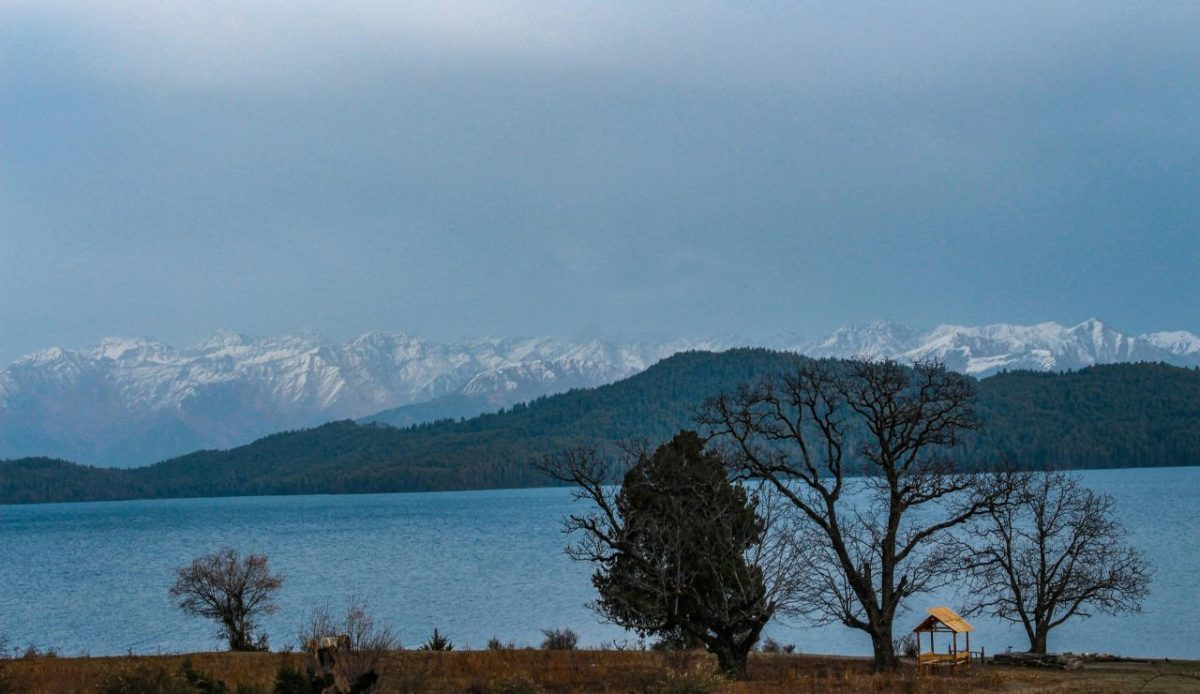
Nepal is promoting lesser-known regions to diversify tourism and reduce overcrowding at iconic sites. Destinations like Upper Mustang, Rara Lake, and Dolpo Valley offer adventure, scenic beauty, and cultural richness without the crowds. Travelers are discovering new trekking routes, hidden monasteries, and authentic village experiences. This trend encourages tourists to explore beyond popular hubs like Kathmandu and Pokhara, creating more meaningful, unique, and immersive travel experiences. By focusing on these emerging areas, visitors can enjoy Nepal’s beauty and heritage while supporting local communities and sustainable tourism practices.
